Phone:
(701)814-6992
Physical address:
6296 Donnelly Plaza
Ratkeville, Bahamas.

Phone:
(701)814-6992
Physical address:
6296 Donnelly Plaza
Ratkeville, Bahamas.

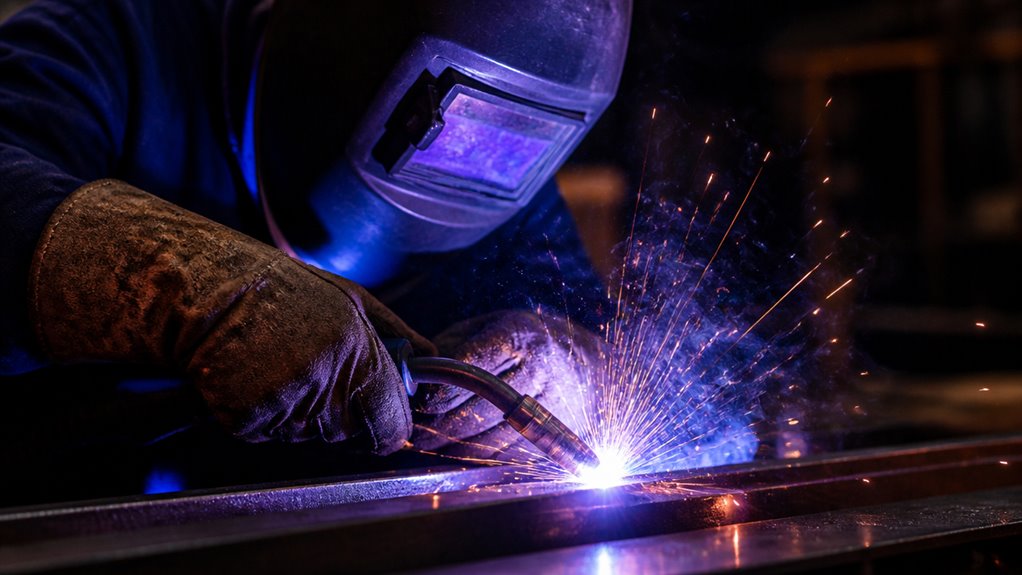
Yes, welding can damage your eyes through intense UV, infrared, and visible light from the arc, causing painful photokeratitis or “arc eye.”
Without proper protection, the heat and radiation may lead to thermal injuries or long-term issues like cataracts and ocular melanoma.
Flying sparks and debris also pose foreign-body risks.
Using certified helmets and goggles is essential to prevent harm.
Understanding these dangers helps you take the right safety steps to protect your vision.
Although welding is essential in many industries, it poses significant risks to your eyes if proper precautions aren’t taken. The intense UV, infrared, and visible light emitted by the welding arc can cause photokeratitis, an acute inflammation of your cornea and conjunctiva, commonly known as arc eye or welder’s flash.
Even brief exposure without protective gear can trigger this painful condition. Additionally, molten metal, flying particles, and slag can cause foreign-body injuries. Infrared radiation and heat may also result in thermal damage. Rarely, intense light exposure can harm your retina, potentially leading to long-term vision issues.
Understanding these mechanisms highlights why using appropriate eye protection is critical to prevent immediate and cumulative ocular damage during welding operations. The concentrated heat produced by the electric arc during welding is a primary source of thermal and light radiation hazards to the eyes.
Understanding how welding damages your eyes sheds light on who faces the greatest danger during these operations.
Recognizing the eye hazards of welding helps identify those most at risk during these tasks.
You’re most at risk if you work directly with welding without proper eye protection. Even brief UV exposure can cause photokeratitis.
Welders who frequently view arcs without helmets or use inadequate shielding face increased risk.
Additionally, if you’re near welding activities without protective barriers, you can suffer secondary radiation exposure.
Handling hot metals, grinding, or chipping slag also raises your chance of foreign-body injuries.
Chronic exposure to welding radiation places you at risk for long-term damage like cataracts.
In contrast, consistent use of correctly rated helmets and goggles in controlled environments markedly reduces your injury risk.
Always prioritize protective gear to safeguard your vision during welding tasks.
Proper use of certified welding helmets and UV-blocking gear is essential to prevent severe eye injuries and reduce the risk of blindness.
Welding commonly causes a range of eye injuries, with photokeratitis, also known as arc eye or welder’s flash, being the most frequent. This acute inflammation affects your cornea and conjunctiva, triggered mainly by ultraviolet (UV) radiation from the welding arc.
Besides photokeratitis, you can sustain foreign-body injuries when molten metal, slag, or flying particles enter your eye.
Thermal injury is another risk, caused by infrared radiation and heat exposure, potentially damaging your eye’s surface.
Though less common, retinal injury may occur from intense visible light exposure, possibly resulting in permanent vision impairment. These injuries typically arise from direct or indirect exposure to harmful radiation or physical debris during welding, emphasizing the importance of proper eye protection to prevent damage.
Long-term exposure to welding UV radiation also increases the risk of developing ocular melanoma, a serious eye condition.
After welding, you might notice some uncomfortable symptoms in your eyes. Things like eye pain, redness, tearing, and a gritty feeling can pop up. It’s not uncommon for these symptoms to show up a few hours after you’ve finished welding. They can vary quite a bit, too—ranging from just a bit annoying to really painful.
It’s super important to pay attention to any warning signs you might experience. If you’re feeling intense pain, notice any changes in your vision, or if bright lights start bothering you more than usual, it’s a good idea to get checked out by a medical professional. Don’t wait too long to seek help if something feels off! Exposure to intense ultraviolet radiation from welding arcs is a common cause of these eye injuries.
Eye symptoms from welding-related injuries often appear several hours after exposure, typically between 6 to 12 hours. You may experience eye pain ranging from mild pressure to severe discomfort.
Tearing and redness are common signs indicating irritation or inflammation. A gritty or “sand in the eye” sensation frequently occurs, caused by corneal surface damage.
You might notice increased sensitivity to light and difficulty focusing on bright sources due to photokeratitis. These symptoms result primarily from ultraviolet radiation damaging your cornea and conjunctiva.
Additionally, foreign-body injuries caused by flying particles or hot metal can produce similar discomfort and redness. Recognizing these symptoms promptly is vital, as they signal acute eye trauma requiring protective measures or medical evaluation to prevent further damage or complications.
Welding operators should always wear helmets with correctly rated filter lenses to protect against UV/IR radiation and prevent these eye injuries.
Although symptoms from welding-related eye injuries mightn’t appear immediately, they typically manifest within 6 to 12 hours after exposure.
You may initially feel mild discomfort that escalates to significant pain and light sensitivity. The delayed onset is due to UV-induced corneal cell damage triggering inflammation over time.
When monitoring your symptoms, consider these key points:
Understanding this timeline helps you recognize welding eye injuries promptly and seek appropriate care before complications arise. Maintaining at least 200 cm distance helps reduce exposure to harmful UV radiation and prevent such injuries.
Symptoms that follow welding-related eye exposure vary in severity and can signal the extent of injury. You might experience eye pain ranging from mild discomfort to intense burning, accompanied by redness and excessive tearing.
A gritty sensation, often described as “sand in the eye,” is common. Light sensitivity and difficulty focusing on bright objects can also develop. These symptoms typically arise 6 to 12 hours after exposure.
More severe signs include persistent pain, significant vision changes, or inability to open the eye, which indicate urgent medical evaluation necessary. If you feel a foreign-body sensation, it may signal debris lodged in your eye, requiring prompt removal.
Recognizing these warning signs early guarantees timely treatment and prevents complications associated with welding eye injuries. Chronic UV exposure also increases the risk of ocular melanoma and long-term vision impairment.
Recognizing welding eye injury symptoms can be challenging because they often don’t appear immediately.
Typically, symptoms develop several hours post-exposure, sometimes between 6 to 12 hours. You might initially feel no discomfort, making early detection difficult.
Here are three key points to understand about symptom onset:
Being aware of this timeline helps you seek timely medical attention and prevent further damage. Wearing appropriate personal protective equipment is essential to minimize exposure to harmful welding emissions and reduce eye injury risk.
Welding helmets and safety goggles form the cornerstone of effective eye protection gear, shielding your eyes from intense ultraviolet (UV), infrared (IR), and visible light emissions produced during welding.
A welding helmet with an auto-darkening filter adjusts lens shade automatically, offering constant protection against arc radiation. Safety goggles complement helmets by protecting against flying particles and chemical splashes.
| Gear Type | Primary Protection |
|---|---|
| Welding Helmet | UV, IR, and visible arc light |
| Safety Goggles | Flying debris, slag, and chemical splashes |
| Face Shields | Additional impact and heat protection |
Using this gear correctly guarantees you minimize exposure to hazardous radiation and physical eye injuries during welding. Selecting a helmet with the appropriate shade number based on your welding process and amperage is essential for optimal eye safety.
Although the risks of eye injuries from welding are significant, you can effectively prevent most incidents by consistently using appropriate protective gear and following safety protocols.
Proper eye protection blocks ultraviolet, infrared, and intense visible light, preventing photokeratitis and retinal damage.
Effective eye protection shields against ultraviolet, infrared, and intense visible light, preventing serious eye injuries.
Additionally, controlling your work environment minimizes exposure to flying particles and debris.
To prevent welding eye injuries, focus on these key practices:
Regularly inspect and maintain your eye protection equipment to ensure it remains effective and safe to use.
If you experience eye pain, redness, tearing, or increased sensitivity to light after exposure to welding arcs, you should seek medical evaluation promptly.
These symptoms may indicate photokeratitis or more severe injuries requiring professional care. Additionally, if you feel a persistent foreign-body sensation, it’s vital to have your eye examined to rule out lodged debris that could cause infection or corneal abrasion.
Sudden vision changes, intense pain, or inability to open the eye demand urgent medical attention to prevent lasting damage.
Even if symptoms seem mild, timely treatment can reduce complications and accelerate recovery.
Don’t delay if symptoms persist beyond 24 hours or worsen. Early intervention guarantees proper management and helps safeguard your long-term ocular health after welding-related exposure.
Yes, welding eye injuries can cause permanent vision loss, though it’s rare.
Severe exposure to intense ultraviolet or infrared radiation can lead to cataracts or retinal damage, impairing your vision long-term.
Foreign bodies or thermal burns may also cause lasting harm if untreated.
You should always use appropriate protective gear and seek immediate care if symptoms persist.
Timely intervention greatly reduces the risk of permanent damage to your eyes.
Yes, some welding methods pose greater eye risks than others.
For example, arc welding produces intense ultraviolet and infrared radiation that can cause severe photokeratitis and retinal injuries.
Gas tungsten arc welding (TIG) and shielded metal arc welding (SMAW) generate higher UV exposure compared to oxy-fuel welding, which mainly risks thermal injury.
You should always use appropriate eye protection tailored to the specific welding process to minimize damage.
Healing from welding eye injuries usually takes about 24 to 72 hours, like a storm quickly passing over.
If you’ve got photokeratitis, your cornea begins to repair itself soon after exposure.
Symptoms often ease within a day or two with rest and proper care.
However, if pain or vision problems persist beyond that or worsen, you need prompt medical attention to prevent long-term damage or complications.
Yes, you can still get eye damage if you’re near welding arcs without direct involvement.
Welding emits intense ultraviolet (UV) and infrared radiation that can harm your eyes even if you’re not welding.
Without proper shielding or protective barriers, this radiation can cause photokeratitis or arc eye.
Think of your eyes as delicate flowers scorched by a sudden sunburst.
For mild welding eye irritation, you can soothe them by rinsing with cool, clean water or saline solution to remove debris and ease discomfort.
Avoid rubbing, wear sunglasses to reduce light sensitivity, and rest your eyes in a dark room.
If symptoms persist or worsen, seek professional medical care promptly to prevent lasting damage.
Welding can seriously harm your eyes if you’re not careful. It’s not something to take lightly. Without proper protection, you risk burns, irritation, and even long-term damage.
Wearing the right gear is key to keeping your vision safe. Don’t wait until the damage is done; an ounce of prevention is worth a pound of cure.
If you notice any symptoms, see a doctor immediately to avoid permanent injury.