Phone:
(701)814-6992
Physical address:
6296 Donnelly Plaza
Ratkeville, Bahamas.

Phone:
(701)814-6992
Physical address:
6296 Donnelly Plaza
Ratkeville, Bahamas.

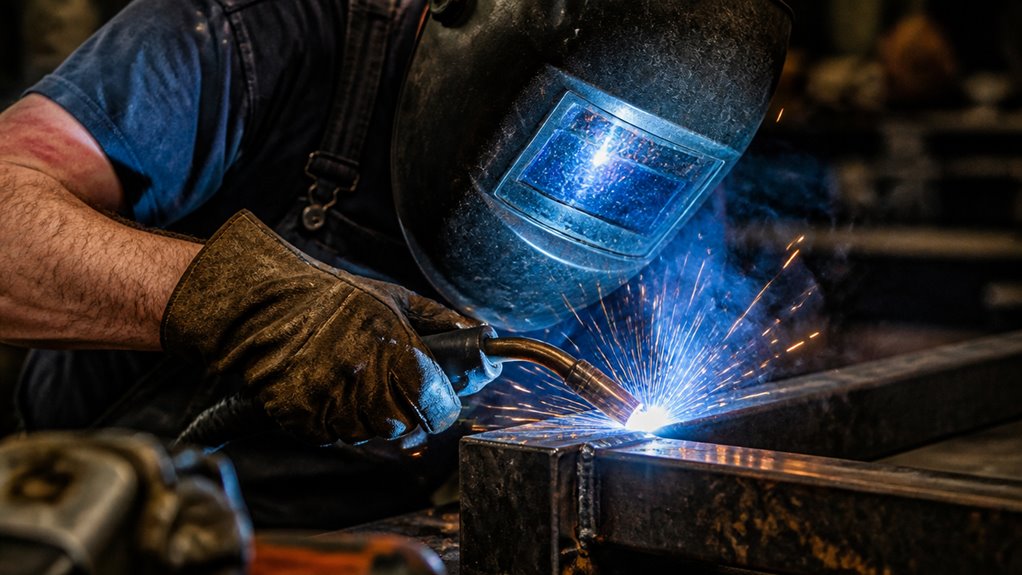
Yes, you can get sunburn from welding due to intense ultraviolet (UV) radiation that penetrates and damages your skin similarly to sun exposure.
Welding emits UVA and UVB rays, causing redness, tenderness, and blistering on exposed areas like your face, hands, and neck.
Reflected UV rays from metal surfaces increase your risk, especially without proper protective gear.
Repeated exposure raises long-term dangers such as skin cancer and eye damage.
Understanding how to protect yourself is essential to avoid these serious effects.
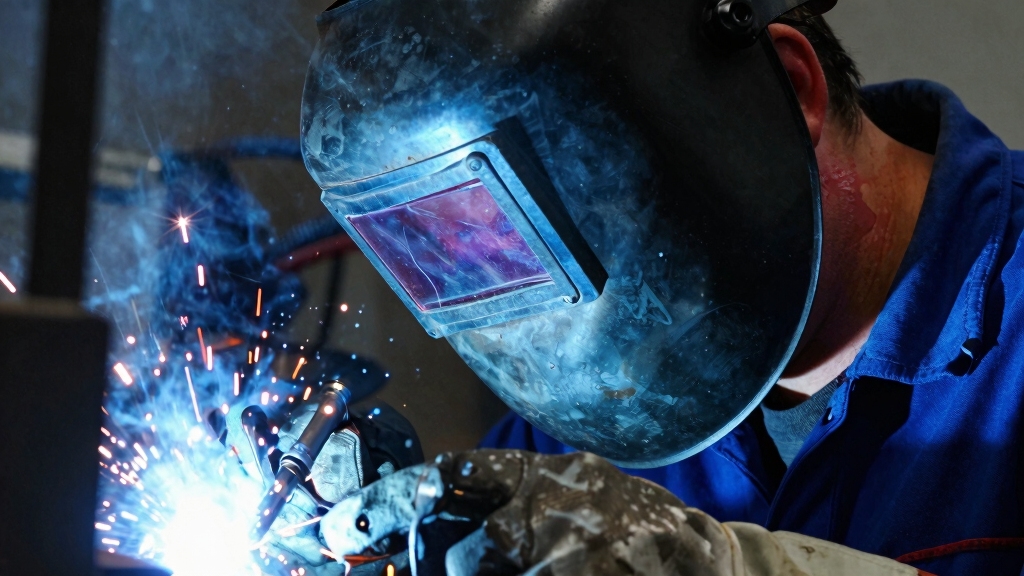
While it might seem surprising, welding can indeed cause skin burns very similar to sunburn.
When you weld, the arc emits intense ultraviolet (UV), infrared, and visible radiation that can damage your unprotected skin.
These burns aren’t caused by heat alone; UV exposure from the welding arc penetrates your skin, triggering redness, tenderness, and even blistering, much like solar sunburn.
Keep in mind that reflected radiation from metal or nearby surfaces can also injure your skin, increasing your risk.
Symptoms often appear rapidly, even without direct contact with hot material.
Because the damage occurs beneath your skin’s surface, you might underestimate the severity.
You must recognize welding burns as a real hazard and take protective measures seriously to avoid injury.
It is essential to use proper UV-blocking gear during welding to prevent these harmful skin effects.
Understanding how UV radiation from welding affects your skin helps clarify why those burns occur so quickly and sometimes unexpectedly.
Welding arcs emit intense UV radiation that penetrates the skin’s outer layers, damaging DNA and causing inflammation. This damage triggers redness, pain, and in severe cases, blistering.
Reflected UV rays increase exposure risk, making even indirect contact hazardous.
| UV Radiation Type | Skin Effect | Exposure Result |
|---|---|---|
| UVA | Penetrates deep layers | Premature aging |
| UVB | Damages DNA in epidermis | Sunburn & inflammation |
| UVC | Mostly absorbed by atmosphere | Minimal direct effect |
You must protect your skin rigorously to prevent acute injury and long-term harm from this invisible, potent radiation. Maintaining a safe distance of at least 200 centimeters significantly reduces exposure to harmful UV radiation during welding safe viewing distances.
When it comes to welding burns, your exposed skin is really at risk. That means areas like your face, neck, arms, and hands are particularly vulnerable. Since these extremities usually get less protection, they end up being more susceptible to UV radiation and sparks.
It’s super important to pay extra attention to your facial skin. It’s especially sensitive to the UV damage that can come from welding. So, make sure you’re shielding that area effectively! Chronic UV exposure increases the risk of skin cancer and other long-term skin damage for welders.
Exposed skin on your face, neck, arms, and hands faces the highest risk of burns from welding UV radiation.
These areas often remain uncovered or insufficiently protected during welding, allowing intense ultraviolet rays to penetrate.
Even reflected UV radiation from metal surfaces can cause rapid skin damage here.
Pay close attention to skin beneath open collars, short sleeves, or ungloved hands, as these spots are particularly vulnerable.
Welding burns can develop swiftly, with symptoms ranging from redness to painful blistering.
Since the torso is typically shielded by clothing, your unprotected extremities are the primary concern in this situation.
Always make certain you cover these exposed areas thoroughly with flame-resistant gear and use additional barriers to prevent direct or reflected UV exposure when welding.
Proper training and enforcement of PPE usage significantly reduce the risk of welding burns and other injuries.
While the face, neck, and torso often receive protective coverage during welding, your extremities, especially the hands, wrists, and forearms, remain highly susceptible to UV radiation and thermal burns.
These areas are frequently exposed due to incomplete coverage or rolled-up sleeves, increasing your risk of arc burns. The skin on your fingers and backs of your hands is thin and more vulnerable to UV penetration and reflected radiation from metal surfaces.
Additionally, sparks and hot metal fragments tend to impact these exposed parts, causing thermal injury. Even brief exposure without proper gloves or flame-resistant sleeves can result in painful burns and skin damage.
To protect your extremities effectively, always wear appropriate gloves and long, flame-resistant sleeves, ensuring no skin is left exposed during welding operations. Using leather gloves and sleeves provides durable, heat-resistant protection critical for safeguarding these vulnerable areas.
Because your face often remains uncovered or partially shielded during welding, it faces significant risk of UV radiation burns and thermal injury.
The intense UV radiation emitted by the welding arc can quickly cause skin damage similar to sunburn, especially on exposed areas like your cheeks, nose, forehead, and chin.
Reflected radiation from shiny surfaces further increases this risk.
Thermal burns may also occur from sparks and hot metal fragments.
Key vulnerable facial areas include:
You must guarantee thorough facial protection to prevent acute burns and long-term skin damage.
Using welding masks with proper ANSI Z87.1 certification ensures adequate protection against harmful UV and IR radiation that can cause skin injuries.
When it comes to welding, having the right gear is super important. You really need that essential protective clothing to keep your skin safe from the intense UV and infrared radiation that welding throws your way. Trust me, you don’t want to underestimate this!
And let’s not forget about your helmet. A properly fitted helmet with the right shade lens is a must. It’s not just about looking cool; it protects your eyes and face from burns, which is definitely something you want to avoid.
Also, minimizing exposed skin is key. Make sure you wear long sleeves, gloves, and other flame-resistant gear. This simple step can significantly reduce your risk of painful and potentially dangerous welding burns. So, gear up and stay safe!
Regularly inspect and replace worn or damaged Personal Protective Equipment to maintain effective protection during welding.
Equip yourself with essential protective clothing to shield your skin from the intense ultraviolet radiation and heat generated during welding.
Proper gear prevents UV burns and thermal injuries, while also protecting against sparks that can cause lasting damage. You must cover all exposed areas to minimize risk, especially on the face, neck, arms, and hands, where skin is most vulnerable to welding’s harmful radiation and flying debris.
Key protective clothing includes:
Don’t underestimate reflected UV radiation. Always wear complete coverage to reduce exposure and avoid welding burns. Pairing protective clothing with arc-rated face shields ensures comprehensive defense against UV radiation, sparks, and molten metal fragments.
While wearing the right protective clothing markedly reduces skin exposure, proper eye and face protection is equally essential to prevent burns from welding radiation.
You need a welding helmet equipped with the correct shade lens to block intense ultraviolet (UV) and infrared (IR) radiation emitted during welding.
Lenses that are too light won’t filter radiation adequately, increasing your risk of painful burns and long-term skin damage.
Always select a helmet meeting industry standards, such as ANSI Z87.1, and make certain the shade number matches the welding process and amperage.
A secure fit prevents gaps where harmful radiation can reach your skin and eyes.
Using an auto-darkening helmet can enhance safety by maintaining proper protection throughout welding tasks, reducing accidental exposure.
Neglecting proper helmets substantially raises your risk of burns and ocular injuries.
Instant darkening technology in auto darkening helmets provides light blocking within milliseconds to protect your skin and eyes from sudden welding arcs.
Minimizing skin exposure during welding is critical to prevent serious burns caused by intense UV and infrared radiation. You need the right protective gear to shield all vulnerable areas from direct and reflected radiation.
Even brief exposure can cause painful burns and increase long-term cancer risk. To effectively minimize skin exposure, make sure you:
Taking these precautions reduces immediate burn risk and cumulative UV damage. Never underestimate reflected radiation or incomplete coverage, as both can cause serious injury despite your helmet and lens protection. Additionally, using arc-rated face shields and moisture-resistant PPE is recommended to mitigate hazards in damp environments.
Because welding exposes your skin to intense ultraviolet radiation and heat, taking thorough protective measures is essential to prevent serious burns. You must wear flame-resistant clothing covering all exposed areas, use a properly shaded welding helmet, and apply broad-spectrum sunscreen on uncovered skin.
Welding curtains help block reflected UV radiation. Consistently protecting your skin minimizes acute burns and reduces cumulative damage.
| Protective Gear | Purpose | Key Considerations |
|---|---|---|
| Welding Helmet | Blocks UV and visible radiation | Ensure correct lens shade |
| Flame-Resistant Clothing | Shields skin from sparks and heat | Long sleeves, pants, gloves |
| Sunscreen | Protects exposed skin from UV | Use SPF 30+, zinc oxide-based |
| Welding Curtains | Reduces reflected UV exposure | Position to cover reflective surfaces |
| Gloves | Protect hands from burns | Use durable, heat-resistant materials |
When you experience welding burns, you face more than just immediate pain. Repeated UV exposure markedly raises your long-term risk of skin cancer and serious eye conditions.
Welding UV radiation is carcinogenic, increasing your chance of nonmelanoma skin cancers. Your eyes are vulnerable to photokeratitis, cataracts, and ocular melanoma from chronic exposure.
Recurrent burns reveal inadequate protection and elevate cumulative UV damage. You must recognize these risks to safeguard your health effectively.
Heightened risk of basal and squamous cell carcinoma from persistent welding UV.
Photokeratitis causes temporary but painful eye surface damage.
Increased likelihood of cataracts impairing vision over time.
Potential development of ocular melanoma linked to welding UV exposure.
Protecting yourself consistently reduces these serious health threats.
Repeated welding UV exposure can lead to burns that require prompt and appropriate care to prevent complications.
If you get a welding skin burn, immediately cool the area with cool (not cold) water for 10–15 minutes to reduce heat and inflammation.
Avoid ice or harsh scrubbing, which can worsen tissue damage.
Apply an aloe-based moisturizer to soothe the skin and prevent dryness.
Keep the burn covered with a sterile, non-stick dressing if you go outdoors to block further UV exposure.
Do not scratch or peel any blisters to reduce infection risk.
Seek medical evaluation if you experience severe pain, blistering, open wounds, signs of infection, or if the burn affects sensitive areas.
Early intervention mitigates long-term skin damage and promotes healing.
When it comes to welding burns, don’t let your guard down just because you’re wearing thin clothing.
Yes, welding burns can penetrate thin fabrics, especially if they’re lightweight or loosely woven.
Ultraviolet radiation and reflected heat can sneak through, causing skin damage beneath.
You need to wear thick, flame-resistant gear to keep the sparks and radiation at bay.
Cutting corners here is playing with fire. Protect yourself properly every time.
Welding burns typically appear within minutes after exposure. You’ll notice redness, tenderness, and discomfort quite rapidly, often before any visible blistering forms.
UV radiation from welding arcs damages your skin quickly, so don’t underestimate how fast symptoms emerge. Immediate protective measures are vital, as delays increase burn severity.
If you experience pain or skin changes shortly after welding, act promptly to cool and protect the area to prevent worsening injury.
Yes, certain welding methods like arc welding, especially gas tungsten arc welding (GTAW) and shielded metal arc welding (SMAW), produce intense UV radiation that markedly increases skin burn risk.
You should be extra cautious with these methods because their UV output is higher compared to others like MIG welding.
Always use full protective gear and minimize skin exposure, as reflected UV radiation can also cause burns even without direct contact.
Oh sure, go ahead and treat your skin like a welding target. You’ll definitely collect some permanent scars.
Welding burns can indeed leave lasting scars, especially if the injury is severe or blistered.
You’ve got to remember, UV radiation combined with heat and possible sparks can damage skin deeply.
If you ignore proper protection or delay treatment, you risk irreversible tissue damage.
Protect yourself meticulously to avoid turning your skin into a permanent reminder.
No, it’s not safe to weld indoors without ventilation. Welding produces hazardous fumes and gases like metal oxides and ozone, which can accumulate quickly in enclosed spaces.
Without proper airflow, you risk inhaling toxic substances that can cause respiratory issues, dizziness, or worse. Always make certain adequate ventilation or use exhaust systems designed for welding environments.
Protect yourself by wearing appropriate respiratory gear whenever ventilation is limited or uncertain.
You might think welding only risks eye damage, but yes, it can cause skin burns much like sunburn.
The intense UV radiation penetrates your skin, damaging cells and causing painful burns, especially on exposed areas like your face and hands.
Without proper protective gear, you’re vulnerable to both immediate burns and long-term damage.
Always suit up with appropriate clothing and shields to safeguard your skin. Ignoring this puts you at serious risk.