Phone:
(701)814-6992
Physical address:
6296 Donnelly Plaza
Ratkeville, Bahamas.

Phone:
(701)814-6992
Physical address:
6296 Donnelly Plaza
Ratkeville, Bahamas.

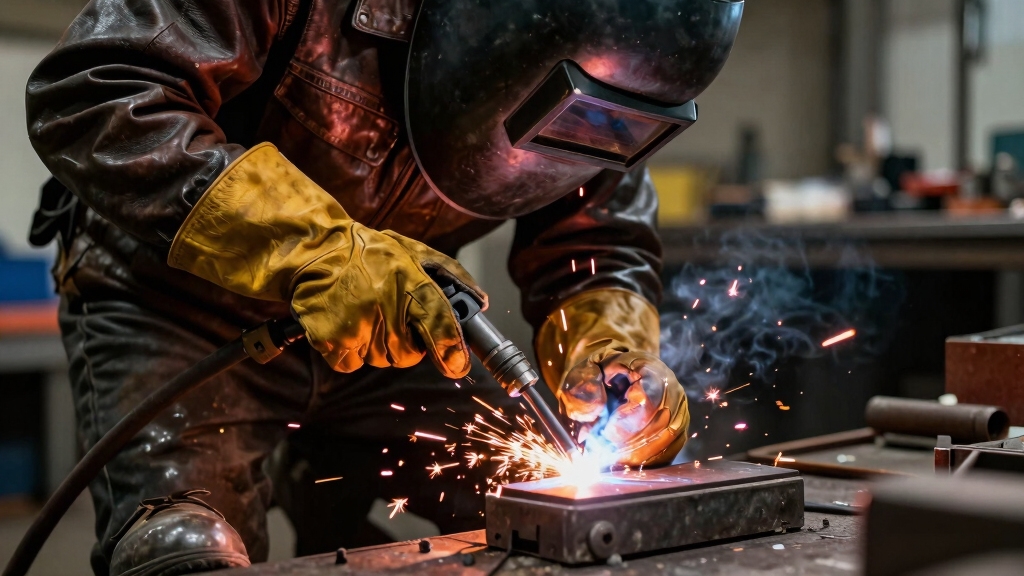
When welding, you should wear flame-resistant fabrics like cotton, wool, or treated FR materials to protect against sparks and intense heat.
Use long sleeves, heavy cotton pants, and a flame-resistant jacket or leather bib for coverage.
Choose leather or insulated gloves that fit well and cover wrists.
Wear a flame-resistant cap or bandana under your welding helmet.
Avoid synthetic fabrics since they can melt and cause severe burns.
Keep your gear maintained and layered for comfort and maximum protection.
Explore how proper layering and gear choices enhance safety and mobility.
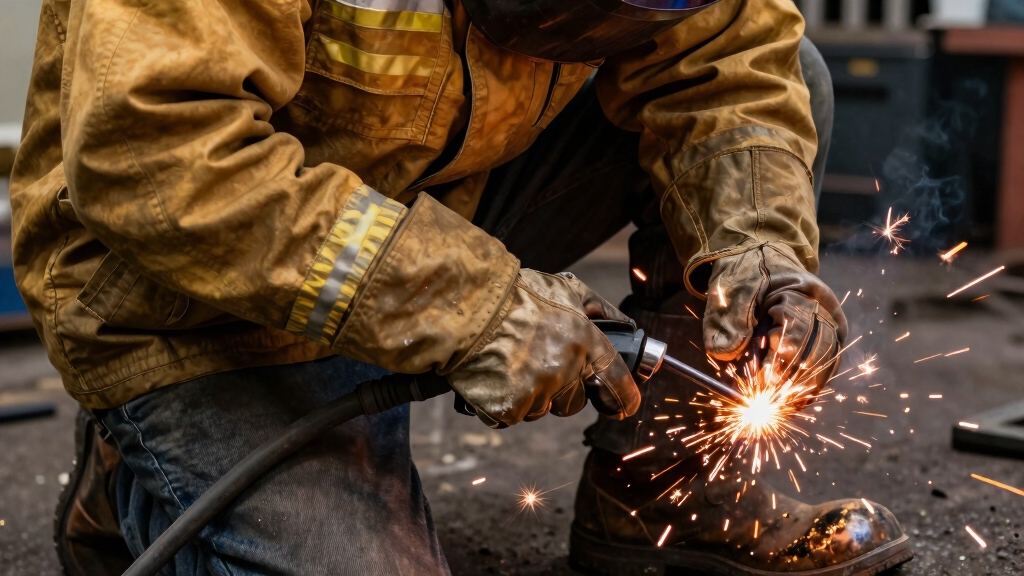
When you’re welding, choosing the right flame-resistant fabrics is essential to protect yourself from sparks and intense heat.
Selecting proper flame-resistant fabrics is crucial for safety against sparks and extreme heat during welding.
You’ll want to avoid synthetics like polyester, nylon, or rayon since they can melt onto your skin, causing severe burns.
Instead, opt for cotton or wool, which resist sparks and provide durability under harsh conditions.
Leather offers excellent spark deflection without melting but can be less breathable.
Flame-resistant treated fabrics meet OSHA standards, giving you added protection for intense heat exposure.
Always pick heavier cotton weaves rather than lighter blends, as they resist ignition better.
It is also important to enforce PPE usage consistently to significantly reduce injury risk.
When it comes to protecting your arms and torso from sparks, you really want to start with long-sleeve shirts. Opt for ones made from flame-resistant cotton or wool—they’re your best bet for shielding against those flying sparks.
Now, layering is super important. If you throw on a leather or flame-resistant jacket over your shirt, you’ll get that extra level of protection, especially during those intense welding tasks. Just a heads-up: steer clear of synthetic fabrics, because they can melt and lead to some serious burns. Safety first, right?
Additionally, wearing gloves with heat-resistant stitching can help prevent burns and ensure durability during welding.
Since sparks and UV radiation pose constant risks during welding, choosing the right long-sleeve shirt is crucial for protecting your arms and torso.
Opt for flame-resistant cotton or wool shirts, as they resist ignition and don’t melt onto your skin. Avoid synthetic fabrics like polyester or nylon that can ignite or melt.
Heavier cotton weaves provide extra durability. Flame-resistant treated shirts designed for welding offer enhanced protection.
Make certain your shirt fits well and covers your wrists to prevent sparks from reaching your skin.
Wearing gloves along with protective clothing is essential for comprehensive heat and burn protection during welding.
| Shirt Type | Material | Protection Level |
|---|---|---|
| Flame-Resistant Cotton | Heavy cotton weave | High resistance to sparks & UV |
| Wool | Natural wool | Durable & flame-resistant |
| Leather | Full leather | Superior spark deflection |
| Treated FR Fabrics | Cotton blend treated | Meets OSHA heat resistance |
Building on your choice of a flame-resistant long-sleeve shirt, layering adds an important barrier against sparks and heat that can penetrate a single fabric layer. You’ll want to add materials that enhance protection without sacrificing comfort or mobility.
Consider incorporating these layers:
Each layer reduces the risk of spark penetration while improving durability. Avoid synthetics that melt or ignite easily. Proper layering guarantees your arms and torso stay safe during welding, letting you focus on the job without worry. Choosing layers with heat and abrasion resistance enhances both safety and comfort for extended welding tasks.
When you weld, wearing a flame-resistant jacket is essential to shield your upper body from sparks, slag, and harmful UV rays.
Leather jackets offer superior spark deflection and durability, making them ideal for heavy-duty tasks like MIG or stick welding.
If leather feels too heavy, choose flame-resistant cotton jackets. They’re lighter, washable, and suitable for milder spark exposure.
Some jackets combine cloth bodies with leather sleeves, balancing comfort and protection.
Always make sure your jacket fully covers your elbows and chest, as these areas face frequent spark impact.
Pair your jacket with an apron or bib for extra coverage.
Avoid synthetic materials; they can melt and cause severe burns.
Prioritizing proper flame-resistant layers keeps you safe and comfortable during every weld.
Additionally, wearing a welding cap made from flame-resistant materials can protect your head and neck from sparks and heat exposure.
When you’re picking out pants for welding, it’s important to go for materials like heavy cotton, wool, or flame-resistant treated fabrics. These choices are key because they help prevent sparks from igniting your clothing.
You definitely want to steer clear of synthetic materials. They can melt and cause serious burns. Also, pants with cuffs or open pockets are a no-go since they can trap molten metal. Additionally, make sure to wash flame-resistant clothing using warm water between 105–120°F to maintain its protective qualities and fabric integrity.
Although sparks and molten metal primarily threaten your upper body, protecting your legs with the right pants is essential for overall safety. Choose pants made from heavy cotton, wool, or flame-resistant treated fabrics that comply with OSHA standards.
Avoid synthetic materials like polyester or nylon, which can melt and cause severe burns. Make sure your pants fit well without cuffs or open pockets where sparks or molten metal can get trapped.
Consider these key points when selecting pant materials:
Additionally, wearing pants that are free of damage and regularly inspecting them helps maintain personal protective equipment effectiveness and prevents injury.
Welders often overlook leg protection, yet sparks and molten metal can easily cause severe burns if your pants don’t offer reliable flame resistance.
You should choose long-legged pants made of heavy cotton, wool, or flame-resistant treated fabrics that meet OSHA standards.
Avoid synthetic materials like polyester or nylon that can melt onto your skin.
Plain cotton blue jeans without rips or frays are effective at shedding sparks but aren’t ideal for intense welding.
Pay attention to design details; avoid cuffs or open pockets where molten material can accumulate.
For added safety, wear leather chaps or welding aprons over your pants.
This combination provides superior spark deflection and heat resistance, keeping your lower body fully protected during welding operations.
Remember to take regular microbreaks to stretch and restore circulation, which helps reduce muscle fatigue during prolonged welding tasks.
When handling welding tasks, selecting flame-resistant gloves is essential to protecting your hands, wrists, and forearms from sparks and intense heat. You want gloves that resist ignition and provide enough dexterity for your work.
Leather gloves made from goat, deer, or sheepskin offer excellent durability and spark deflection, while insulated options improve heat resistance. Choose gloves that fit well and cover your wrists to prevent sparks from entering.
For TIG or low-amperage welding, opt for breathable gloves like Tillman 1490 for better control. For MIG or stick welding, use thicker gloves such as Tillman 1250 or ProStar for superior protection.
Always wear gloves over or under your jacket sleeves to guarantee complete coverage and minimize exposure. Proper cleaning and maintenance, including conditioning leather gloves, help extend glove lifespan and maintain protective qualities.
Because sparks and UV radiation can reach beyond your face shield, protecting your head and neck is essential for complete welding safety.
Wear a fire-resistant cap or bandana under your helmet to block sparks from reaching your scalp.
Consider a balaclava hood made of ergonomic flame-resistant cotton for full neck coverage without sacrificing comfort.
A welding helmet must fit securely and shield you from UV, infrared rays, and flying debris.
For added protection, use a leather bib that covers your chest and neck, guarding against sparks and potential sunburn.
These layers work together to ensure no exposed skin invites burns or injuries.
Prioritize materials that resist ignition and avoid synthetics, which can melt and cause severe damage.
Your head and neck protection completes your welding safety gear.
Additionally, proper ventilation and airflow management reduce the accumulation of hazardous fumes around your head and neck, minimizing health risks associated with inhaling toxic particles. ventilation and airflow management
Protecting your head and neck sets the foundation for all-encompassing safety.
Layering flame-resistant clothing over your body provides the next line of defense against sparks, heat, and UV exposure.
Start with a long-sleeve, flame-resistant cotton shirt to cover your arms and torso.
Then add a leather or heavy cotton welding jacket for superior spark deflection and durability.
Don’t forget flame-resistant pants or heavy cotton jeans without rips to shield your legs.
Layering guarantees sparks roll off instead of penetrating.
Focus on these essentials for effective layering:
Layer smart to stay safe and comfortable while welding.
Yes, you can wear regular cotton underwear under welding gear, and it’s actually a smart choice.
Cotton resists sparks better than synthetics, which can melt onto your skin and cause severe burns.
Avoid polyester or nylon underwear since they ignite easily. Choose heavier cotton fabrics if possible for extra protection and comfort.
You shouldn’t wait until your welding clothes look like they’ve been through a bonfire to replace them.
Inspect your gear before every use. If you spot holes, frays, or burns, swap them out immediately.
Flame-resistant fabrics lose effectiveness over time, especially after repeated washing.
For top safety, replace welding clothes at least every 6-12 months or sooner if damaged.
Don’t gamble with your protection. Stay vigilant and proactive.
You should wear leather boots with steel toes when welding to protect your feet from sparks, molten metal, and heavy objects.
Avoid synthetic materials that can melt or ignite.
Make sure your boots have non-slip soles for stable footing and cover your ankles to prevent sparks from entering.
Insulated, flame-resistant boots provide added protection, especially in colder environments or when working with high heat.
Always choose footwear that meets safety standards for welding tasks.
You shouldn’t wash flame-resistant clothing with regular laundry detergent, as many detergents contain fabric softeners or additives that reduce the fabric’s flame resistance.
Instead, use a detergent specifically formulated for flame-resistant gear or a mild, fragrance-free detergent without softeners.
Always follow the manufacturer’s washing instructions to maintain the protective qualities.
Avoid bleach and fabric softeners, and air dry or tumble dry on low heat to preserve the flame-resistant treatment.
You shouldn’t wear jewelry while welding. Over 25% of welding injuries involve burns from molten metal hitting exposed skin or jewelry.
Metal rings, bracelets, or necklaces can conduct electricity and trap heat, causing severe burns or even explosions if they catch sparks. Always remove all jewelry before starting.
Opt for flame-resistant clothing that fully covers your skin. Use proper gloves and helmets to protect yourself from sparks and heat hazards.
When welding, your gear is your shield. Don’t leave safety to chance. Choose flame-resistant fabrics for every layer, from jackets to gloves, protecting your arms, torso, and legs.
Don’t forget head and neck coverage to guard against sparks and heat. Layer your clothing smartly to stay safe and comfortable.
Remember, welding isn’t just about skill; it’s about respecting the fire you work with. Dress right, work safe, and keep hazards at bay.