Phone:
(701)814-6992
Physical address:
6296 Donnelly Plaza
Ratkeville, Bahamas.

Phone:
(701)814-6992
Physical address:
6296 Donnelly Plaza
Ratkeville, Bahamas.

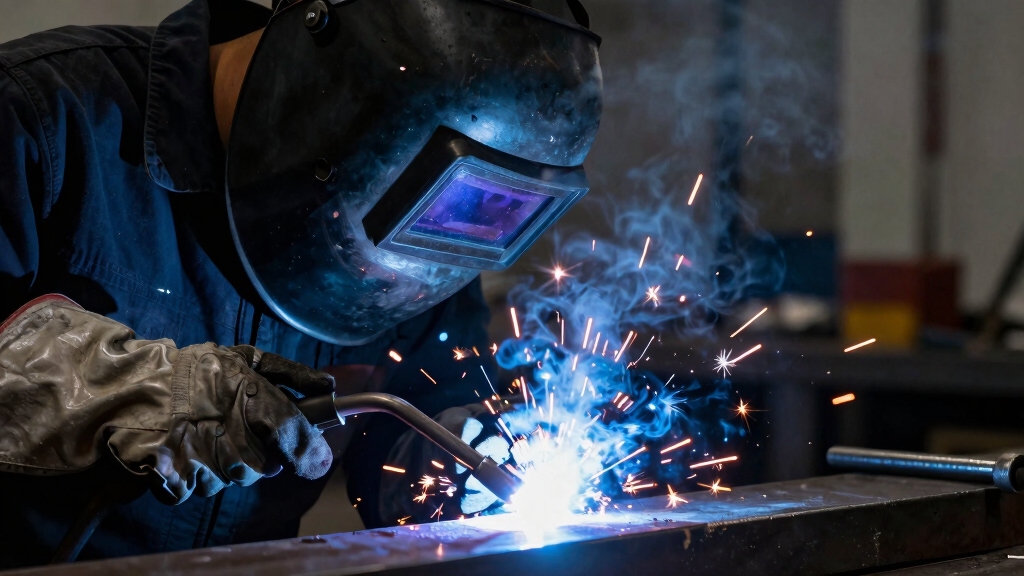
Welding exposes your eyes to intense ultraviolet (UV) radiation that can cause photokeratitis, also known as welder’s flash. This condition damages the corneal surface and leads to pain, blurred vision, and light sensitivity.
Repeated or prolonged exposure without proper protection increases the risks of severe, lasting damage like cataracts, macular degeneration, and pterygium. These conditions may eventually impair or even blind you.
Understanding early symptoms, protective measures, and treatment is vital to safeguard your vision from welding-related harm.
Although you mightn’t realize it immediately, welder’s flash occurs when your eyes are exposed to the intense ultraviolet (UV) light emitted by a welding arc without proper protection. This exposure causes photokeratitis, a condition similar to a sunburn on your corneal epithelium.
The UV radiation damages and burns your corneal cells, leading them to slough off hours after exposure. It only takes a split second of UV contact to trigger this injury, with severity influenced by your distance from the arc and the arc’s power output.
Welder’s flash is also called arc eye and results from the high-energy UV radiation that welding arcs produce. Your unprotected eyes can’t filter this effectively, causing acute cellular damage to the cornea. Proper use of arc-rated face shields and welding helmets with UV-filtering lenses significantly reduces the risk of welder’s flash and long-term ocular damage.
If you’ve been exposed to welding arc UV light, keep an eye out for some early signs. You might start to feel a gritty sensation or something like sandpaper on your eyelids just a few hours later. It can be pretty uncomfortable!
Other symptoms to watch for include dryness, tearing, pain, blurred vision, and a heightened sensitivity to light.
The sooner you recognize these signs, the better chance you have of addressing welder’s flash before any complications kick in. So, if you notice any of these symptoms, don’t hesitate to take action!
Additionally, exposure to welding arcs can cause electromagnetic interference, which may pose risks to individuals with pacemakers or other implanted medical devices.
Frequently, welders experience early symptoms of welder’s flash within hours after exposure to intense UV light from the welding arc. This condition, also called photokeratitis, results from UV-induced damage to the corneal epithelium.
You should watch for the following indicators signaling corneal distress: gritty or sandpaper-like sensation on your eyelids, excessive tearing combined with dryness and eye pain, increased sensitivity to bright light (photophobia), and blurred vision accompanied by mild swelling around the eyes.
These symptoms reflect the cellular damage and inflammation caused by UV radiation. Recognizing them early is essential to prevent worsening injury.
Immediate protective measures and avoiding further exposure can mitigate damage and support recovery.
If you notice any combination of these signs, prioritize eye rest and consult a healthcare professional promptly. Always wear properly rated welding helmets with the correct filter shade to prevent such eye injuries.
When your eyes are exposed to the intense UV light from a welding arc, the early symptoms of welder’s flash can develop rapidly, often within a few hours.
This condition, also known as photokeratitis, results from UV radiation damaging the corneal epithelium. You might notice a gritty sensation or feel like sandpaper is rubbing your eyelids.
Dryness, tearing, and pain typically follow, accompanied by blurred vision and light sensitivity. Swelling and headaches may also occur.
The onset is usually within 6 to 12 hours post-exposure, depending on factors like arc power and distance from the source. Immediate recognition is vital since symptoms peak quickly but generally resolve within 24 to 48 hours with proper care and protection to prevent long-term damage.
Using face shields with proper UV and IR filtering is essential to prevent such eye injuries during welding.
You should really be aware that repeated exposure to welder’s flash can significantly increase your risk of developing cataracts. This happens because it damages the lens of your eye.
But that’s not all. It can also heighten your chances of macular degeneration, which is one of the leading causes of vision loss in older adults.
And let’s not forget about UV radiation—it can lead to pterygium. If you don’t treat that, it might end up impairing your vision. So, it’s crucial to take these risks seriously!
Using the correct welding shade is essential to protect your eyes from harmful UV and IR radiation and prevent long-term damage.
Although a single welder’s flash episode typically causes only temporary discomfort, repeated exposure markedly raises your risk of developing cataracts over time.
Cataracts occur when UV radiation from welding arcs damages the lens proteins, causing them to clump and cloud your vision. Without proper eye protection, this cumulative damage accelerates lens opacity formation, impairing visual clarity.
Key factors increasing your cataract risk include:
Protecting your eyes by consistently using certified welding helmets and UV-filtering eyewear markedly reduces this long-term risk. This preservation of lens transparency is essential for maintaining your vision health.
Always select a welding helmet with ANSI-certified auto-darkening to ensure effective protection from harmful UV radiation.
Since repeated exposure to the intense UV radiation emitted by welding arcs damages retinal cells over time, it markedly increases your risk of developing macular degeneration.
This progressive condition affects the macula, the central part of your retina responsible for sharp, detailed vision. UV and high-energy visible (blue) light from welding arcs induce oxidative stress and cellular damage, accelerating degeneration of retinal pigment epithelium.
Over years, this leads to loss of central vision, impairing daily activities like reading or recognizing faces. Unlike immediate welder’s flash symptoms, macular degeneration develops insidiously, making early detection challenging.
You can greatly reduce your risk by consistently wearing properly filtered welding helmets and UV-blocking eyewear. Ignoring protection increases cumulative retinal damage, elevating your likelihood of irreversible vision loss linked to age-related macular degeneration triggered by welding exposure.
Additionally, exposure to zinc oxide fumes generated during welding poses further health risks, emphasizing the importance of comprehensive protective measures.
Frequently observed among welders and others exposed to intense UV radiation, pterygium, commonly called surfer’s eye, develops as a growth of fleshy tissue on the conjunctiva that can extend onto the cornea.
This lesion can distort the corneal surface, leading to visual impairment if untreated. You should know that chronic UV exposure from welder’s flash accelerates this process.
Key aspects to take into account include:
Pterygium causes eye irritation, redness, and dryness.
It can induce astigmatism by altering corneal curvature.
Surgical removal is possible, but recurrence rates remain high.
Without intervention, vision clarity progressively deteriorates.
Understanding pterygium’s impact is essential for welders to prevent permanent vision damage by consistently using proper eye protection against UV radiation. Additionally, proper ventilation and protective gear are important to reduce exposure to harmful fumes and environmental stress that may indirectly affect overall health and vision, especially for those with medical devices.
Consistently protecting your eyes from welder’s flash requires using properly filtered safety glasses, goggles, or a welding helmet designed to block intense UV radiation.
Make sure your welding helmet has the correct shade number to filter both UV and infrared rays effectively.
Self-darkening helmets provide dynamic protection, adjusting instantly to arc brightness.
Don’t overlook eye protection during pre- and post-welding tasks like grinding or chipping, as UV exposure persists.
Use face shields or UV-blocking sunglasses if exposed to reflected UV light outdoors.
Regularly inspect your protective gear for damage or wear, replacing lenses or helmets as needed to maintain peak filtration.
Following these measures minimizes UV exposure, preventing photokeratitis and long-term ocular damage.
This safeguards your vision throughout welding operations.
Using an auto darkening welding helmet enhances safety by instantly adjusting lens darkness to protect against harmful radiation.
If you experience welder’s flash, acting promptly can reduce discomfort and prevent further damage. The intense UV light causes corneal epithelial injury, so immediate care is essential. First, avoid rubbing your eyes to prevent further abrasion.
Prompt action after welder’s flash reduces discomfort and protects your eyes from further UV damage.
Then, follow these steps:
Rinse your eyes gently with sterile saline or clean water to remove irritants. Use lubricating eye drops to soothe dryness and reduce pain. Rest your eyes in a dark, quiet environment to minimize light sensitivity. Seek medical evaluation promptly to rule out complications and receive appropriate treatment.
Timely intervention helps accelerate corneal healing and limits the risk of secondary infections or prolonged symptoms. Never delay care, as untreated welder’s flash may cause prolonged discomfort and increase vulnerability to long-term ocular damage. Additionally, using proper respiratory protection and ventilation during welding can help reduce exposure to harmful fumes that may exacerbate eye irritation.
Taking immediate steps after experiencing welder’s flash can minimize damage, but preventing exposure is the most effective strategy.
You should always wear properly filtered safety glasses, goggles, or a welding helmet with UV-blocking capabilities.
Self-darkening helmets provide dynamic protection during active welding.
Don’t forget to protect your eyes during pre- and post-welding tasks like grinding or chipping, since UV exposure remains hazardous.
In outdoor environments, wear sunglasses that block 100% of UV radiation.
Use face shields in high UV risk settings to add a barrier against reflected arc light.
Maintaining adequate distance from the arc and controlling arc power also reduces exposure risk.
Yes, welding fumes alone can cause permanent eye damage if you’re frequently exposed without protection.
The fumes often lead to painful corneal inflammation, which, over time, may result in chronic irritation or scarring.
While a single exposure usually causes temporary discomfort, repeated inflammation increases the risk of long-term damage.
To protect your eyes, always wear appropriate safety gear, including goggles or helmets, especially during welding or grinding activities.
Contact lenses don’t provide sufficient protection against UV welding light.
While some lenses filter UV rays, they don’t block the intense UV radiation from welding arcs that causes welder’s flash or photokeratitis.
You must wear properly rated safety glasses or a welding helmet with UV filters to prevent corneal burns and long-term damage.
Relying on contact lenses alone leaves your eyes vulnerable to harmful UV exposure during welding.
You should seek medical help within a few hours after welding exposure if you experience symptoms like eye pain, redness, tearing, blurry vision, or light sensitivity. Immediate care is vital to prevent complications from welder’s flash or photokeratitis.
Even if symptoms seem mild, don’t delay, as untreated damage can worsen. Prompt evaluation guarantees proper treatment and reduces risks of long-term eye damage or infections.
Indoor welding doesn’t pose less risk than outdoor welding. It can feel like staring into a miniature sun, regardless of setting.
UV radiation from the arc penetrates the same way indoors or out. However, outdoor welding might expose you to additional sunlight UV, compounding risks.
You must always wear properly filtered helmets and eye protection. Distance and arc power affect exposure, but the welding environment alone doesn’t reduce the danger to your eyes.
Yes, welder’s flash can affect children and non-welders nearby. If you’re close enough to the welding arc without protection, the intense UV light can cause photokeratitis, even from a brief exposure.
You should make certain everyone around wears properly filtered safety glasses or helmets. Distance reduces risk, but unprotected bystanders, especially kids, remain vulnerable to eye damage, pain, and temporary vision issues caused by welder’s flash.
Think of your eyes as delicate lenses, essential for seeing the world clearly. Welding without proper protection is like exposing those lenses to a sudden, blinding flash that can cause lasting damage.
By understanding welder’s flash and taking precise safety measures, you shield your vision from harm. Don’t let a momentary spark cloud your sight. Protect your eyes diligently to keep your view sharp and your future bright.