Phone:
(701)814-6992
Physical address:
6296 Donnelly Plaza
Ratkeville, Bahamas.

Phone:
(701)814-6992
Physical address:
6296 Donnelly Plaza
Ratkeville, Bahamas.

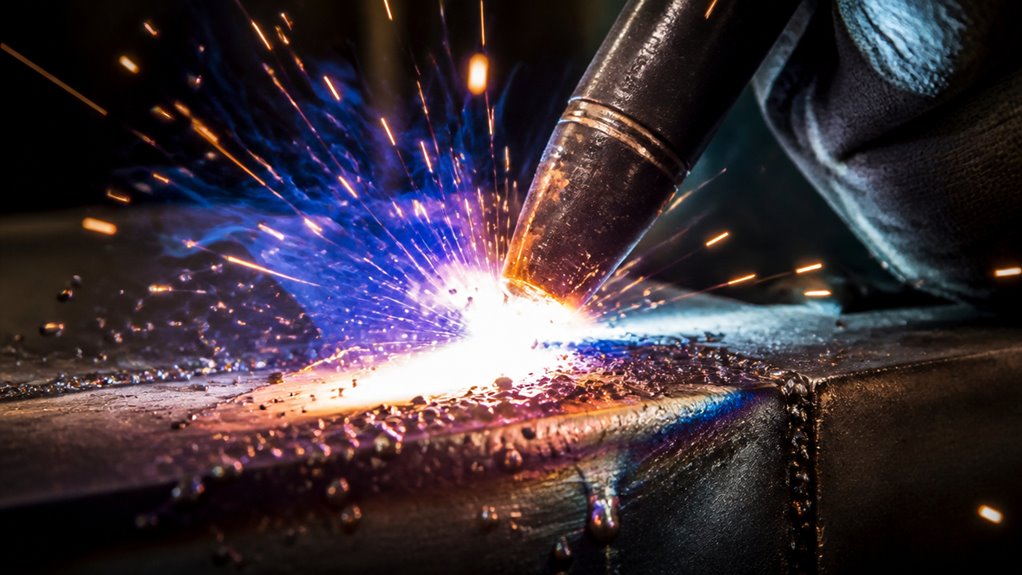
A weld arc typically reaches temperatures between 3,000°F and 10,000°F, with common arcs around 6,000°F to 8,000°F.
Your choice of welding process heavily affects this. MIG arcs range near 3,000°F to 6,000°F, while TIG arcs can reach up to 10,000°F.
Specialized arcs like plasma or advanced TIG exceed these, sometimes surpassing 50,000°F.
Arc temperature influences penetration, fusion, and weld quality. Understanding these factors will clarify how to optimize your welding outcomes.
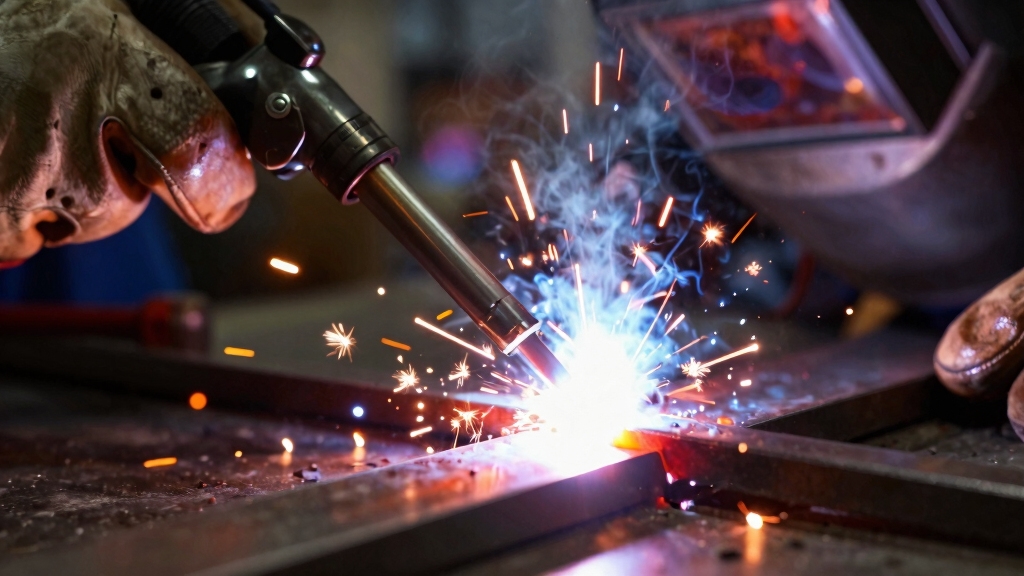
Although welding arcs vary widely in temperature depending on the process and conditions, they typically range from 3,000°F to 10,000°F (1,650°C to 5,500°C).
Welding arc temperatures vary widely, generally ranging between 3,000°F and 10,000°F depending on the process.
Most common arcs you encounter operate between 6,000°F and 8,000°F (3,300°C to 4,400°C).
When you use direct electric arc processes, expect temperatures around 7,200°F (4,000°C).
Plasma arc welding, however, can reach extreme temperatures up to 50,000°F (27,700°C), far exceeding typical ranges.
Electric furnace arcs usually hover near 5,400°F (3,000°C).
These temperature values reflect the energy density and arc stability required for effective melting and joint formation.
Understanding these ranges helps you select appropriate welding parameters and safety measures, ensuring consistent weld quality and structural integrity without overexposure to excessive heat.
Pulse MIG welding uses precise heat control by alternating peak and background currents, enabling better management of weld pool temperature and minimizing thermal distortion.
You might be surprised to learn just how much arc temperatures can vary depending on the welding process you choose. For instance, MIG arcs usually operate between 3,000°F and 6,000°F. On the other hand, TIG arcs can actually exceed 10,000°F! That’s quite a difference, right?
Now, what influences these temperature ranges? Well, several key factors play a role, including arc voltage, amperage, and the type of shielding gas you’re using. These elements can significantly impact heat intensity and stability. So, if you’re looking to get consistent and effective thermal control, understanding these variables is essential. It really helps in optimizing your welding parameters! Controlled current management, often achieved through foot pedal control, allows welders to precisely shape the arc heat and produce superior quality welds.
When selecting a welding process, consider how each type influences the arc temperature. This directly impacts weld quality and material compatibility.
Different welding methods produce distinct temperature ranges, affecting metal melting, penetration, and overall weld integrity.
For example, MIG welding typically operates between 3,000°F and 6,000°F (1,650°C to 3,300°C), suitable for thinner materials.
TIG welding generates higher temperatures, from 6,000°F to 10,000°F (3,300°C to 5,500°C), offering precise control for critical joints.
Stick welding can reach up to 11,000°F (6,100°C), ideal for heavy-duty applications.
Choosing the right process aligns arc temperature with material requirements and weld performance. The balance of amperage and voltage is critical in controlling heat input and achieving the desired weld characteristics.
Understanding the temperature ranges of welding arcs gives you a baseline for how heat interacts with materials.
Several factors influence arc temperature, primarily arc voltage and amperage, which directly control the heat intensity and total thermal energy.
You’ll find that adjusting arc length affects energy concentration and temperature stability. A longer arc disperses heat more, lowering peak temperatures.
The atmospheric composition and shielding gas type also play vital roles by modifying heat transfer efficiency and arc stability. For instance, inert gases like argon maintain higher temperatures compared to reactive gases.
Different welding processes inherently produce varying temperature profiles due to these parameters, impacting weld penetration and quality.
Using specific shielding gas blends such as argon-helium or argon-carbon dioxide can significantly influence arc heat input and weld characteristics.
Although both MIG and TIG welding utilize electric arcs to join metals, their arc temperatures differ markedly due to variations in process design and energy delivery.
MIG welding arcs typically operate between 3,000°F and 6,000°F (1,650°C to 3,300°C), producing moderate heat suitable for faster, less precise work.
TIG welding arcs reach higher temperatures, 6,000°F to 10,000°F (3,300°C to 5,500°C), enabling greater control and precision.
These differences result from MIG’s continuous wire feed and lower energy concentration limiting peak temperature.
TIG’s focused arc with a non-consumable tungsten electrode concentrates heat effectively.
Additionally, shielding gas composition variations influence arc stability and temperature.
Understanding these distinctions helps you select the appropriate process based on thermal requirements and weld quality demands.
Argon’s role as an inert shielding gas contributes significantly to arc stability and consistent heat input in both welding methods.
The differences in arc temperatures between MIG and TIG welding stem from several controllable factors that directly influence heat output and stability.
You must consider arc voltage, as higher voltage increases the ionization of the arc column, raising temperature.
Amperage also plays a vital role by controlling the total thermal energy delivered.
Increasing amperage intensifies heat concentration.
Arc length affects temperature stability; too long, and energy dissipates, too short, and the arc may become erratic.
Atmospheric composition impacts heat transfer efficiency, altering peak temperatures.
While shielding gases affect arc characteristics, you’ll explore that in the next section.
By precisely adjusting voltage, current, and arc length, you can optimize arc temperature to suit specific welding tasks.
This ensures proper penetration and weld quality while maintaining arc stability throughout the process.
Using pulsed TIG welding can help manage heat input effectively to reduce the risk of burn-through and warping in thin metals.
When selecting shielding gases, you directly influence the arc’s heat output and stability by altering its ionization characteristics and thermal conductivity.
Different gases modify the arc plasma, impacting the energy concentration and maintaining consistent arc behavior. For example, argon increases arc voltage and temperature due to its high ionization potential.
Different gases shape arc plasma, affecting energy focus and ensuring steady arc performance.
Helium enhances heat transfer with superior thermal conductivity.
Carbon dioxide provides a more reactive environment, stabilizing the arc but slightly reducing peak temperatures.
Key influences include:
Your gas choice tailors the arc’s thermal profile and welding consistency.
For aluminum welding, pure argon is typically preferred for thin materials due to its arc stability and contamination prevention.
Because arc temperature directly influences the heat input during welding, you control critical factors like weld penetration, fusion, and microstructure development.
Precise temperature management guarantees sufficient melting of base metals and filler materials, promoting optimal fusion without causing defects such as porosity or excessive grain growth.
If the arc temperature is too low, incomplete penetration or weak bonding may occur, compromising joint strength.
Conversely, excessive heat can induce distortion, residual stresses, or brittle microstructures.
You also influence cooling rates, which affect mechanical properties and corrosion resistance.
Maintaining consistent arc temperature stabilizes the weld pool, leading to uniform bead shape and minimized defects.
Ultimately, understanding and controlling arc temperature enables you to produce structurally sound, high-quality welds tailored to specific material and application requirements.
Controlling heat input is essential to managing the heat-affected zone size and preventing weakening of the joint.
When you’re welding in extreme conditions, it’s super important to have the right protective gear. You really need clothing that can handle intense radiant heat and molten metal spatter. This isn’t just about comfort; it’s about preventing severe burns and keeping yourself safe.
And don’t forget about your eyes and face! Reliable shields are a must-have. They do a great job of blocking harmful ultraviolet and infrared radiation that comes from the welding arc. Trust me, you don’t want to mess around with that kind of exposure.
Lastly, let’s talk about gloves. Heat-resistant gloves are key to your defense. They not only keep your hands insulated from extreme temperatures but also allow you to maintain your dexterity while working. It’s all about protecting yourself while still being able to do your job effectively!
Always wear a properly fitted welding helmet with the correct filter shade to reduce eye strain and prevent long-term vision damage.
Protective clothing forms the critical barrier between welders and the extreme heat generated by welding arcs, which can exceed temperatures of 10,000°F (5,500°C) in common processes and reach even higher in specialized applications.
You must wear gear specifically engineered to resist intense thermal radiation, molten metal splatter, and extreme heat conduction. Your clothing should minimize burn risk and maintain durability under repeated exposure.
Key essential protective clothing components include:
Flame-resistant jackets and pants made from materials like treated leather or fire-retardant cotton to shield against sparks and high temperatures.
Insulated welding gloves designed to protect your hands from heat, spatter, and electrical hazards.
Leather boots with metatarsal guards that prevent molten metal penetration and provide thermal insulation.
Each element plays a crucial role in your overall safety during welding operations with extreme arc temperatures. Using welding masks with the correct shade numbers ensures your eyes are protected from harmful UV and IR radiation emitted by the arc.
Beyond safeguarding your body from extreme heat and molten metal, shielding your eyes and face from welding arcs becomes equally essential.
Welding arcs emit intense ultraviolet (UV), infrared (IR), and visible radiation, which can cause severe eye damage, including arc eye (photokeratitis) and retinal burns.
You must use helmets or face shields equipped with auto-darkening filters calibrated to the arc’s brightness and wavelength.
These shields reduce harmful radiation exposure while maintaining clear visibility for precision work.
Additionally, the shield’s material must withstand thermal shock and spatter impact from molten metal droplets generated by arcs operating between 3,000°F and over 10,000°F.
Proper ventilation and anti-fog coatings improve comfort and visibility.
Using certified, industry-standard eye and face protection minimizes acute and chronic ocular injuries, ensuring you maintain both safety and weld quality.
Heat-resistant gloves consistently play a critical role in safeguarding your hands against the extreme temperatures generated by welding arcs. These temperatures can exceed 10,000°F (5,500°C) in some processes.
Your gloves must provide thermal insulation, protect from radiant heat, and resist molten metal splatter to prevent severe burns and injuries. Selecting gloves with multi-layered construction and heat-resistant materials such as leather combined with Kevlar or aluminized fabrics enhances protection and durability.
Key considerations when choosing heat-resistant gloves include:
Proper glove use guarantees your hands remain safe during welding operations involving extreme arc heat.
When you deal with specialized welding arcs, you encounter temperatures far exceeding those of standard processes, often reaching tens of thousands of degrees Celsius.
These extreme temperatures enable fusion of highly resistant materials and precision joining in advanced applications. Plasma arc welding and advanced TIG arcs stand out for their exceptional heat output, essential for demanding welds.
Electron-beam and laser-beam welding also generate intense, focused heat exceeding 10,000°C, vital for micro-welding and aerospace uses.
| Welding Process | Max Temperature (°C) | Max Temperature (°F) |
|---|---|---|
| Advanced TIG Arc | 30,000 | 54,000 |
| Plasma Arc Welding | 33,000 | 59,400 |
| Electron-Beam Welding | >10,000 | >18,000 |
| Laser-Beam Welding | >10,000 | >18,000 |
Understanding these temperatures helps optimize welding parameters for reliability.
Although welding arcs generate extremely high temperatures critical for melting metals, their heat output varies markedly when compared to other industrial and natural heat sources.
You’ll find that while typical arcs range from 3,000°F to 10,000°F, some processes like plasma arc welding reach up to 50,000°F. Yet, other advanced heat sources can surpass these values, offering different thermal profiles.
Consider these comparisons:
Oxygen-acetylene torches heat up to 6,300°F, lower than most electric arcs.
Electron-beam and laser-beam welding exceed 18,000°F, surpassing typical arc temperatures.
The sun’s surface temperature (~10,400°F) is comparable to high-end arc welding.
Understanding these variations helps you select appropriate heat sources for specific welding or industrial tasks.
You might think humidity just adds moisture, but it actually impacts your welding arc’s temperature and stability markedly.
Higher humidity can cool the arc slightly by increasing heat dissipation and altering atmospheric composition. This disrupts ionization efficiency, leading to inconsistent arc length and temperature fluctuations, affecting weld quality.
You can’t measure welding arc temperature with perfect accuracy in real-time due to its extreme heat and rapid fluctuations.
However, you can estimate it using optical pyrometers or spectroscopic methods that analyze emitted light wavelengths.
These techniques provide useful, albeit approximate, temperature readings during welding.
Keep in mind, factors like arc length, voltage, and shielding gas affect measurements.
Interpreting data requires understanding these dynamic variables to maintain precision and process control.
You’ll maintain electrode cleanliness, regulate amperage settings, and inspect shielding gas flow to guarantee welding arc temperature consistency.
You’ll calibrate voltage controls, secure stable arc length, and replace worn consumables promptly.
You’ll monitor connections for resistance, clean contact tips, and verify equipment grounding.
Each of these actions reduces fluctuations in heat output, stabilizes the arc, and guarantees repeatable weld quality, directly impacting temperature consistency during welding operations.
You’ll find that electrode composition directly influences arc heat output by altering electrical conductivity and melting point.
Electrodes with higher alloy content or specific coatings increase arc temperature and stability, producing more intense heat.
Conversely, electrodes with lower thermal conductivity reduce heat output.
You must select electrodes tailored to your welding process and material, as their chemical makeup controls energy transfer, arc voltage, and ultimately the thermal profile during welding.
No, you won’t find direct environmental regulations specifically targeting welding arc temperature emissions.
However, you must comply with rules on airborne contaminants and ozone generation from welding fumes, which indirectly relate to arc heat.
Agencies like OSHA and EPA regulate exposure limits to hazardous gases and particulates produced during welding.
You should control ventilation and use appropriate filtration to minimize environmental and health impacts linked to high-temperature arc processes.
You might think welding arcs are just intense sparks, but their temperatures rival the surface of the sun, reaching up to 6,500°F.
While MIG and TIG arcs differ, factors like shielding gases and technique sharply influence heat and stability.
Understanding these extremes isn’t just academic; it directly impacts weld quality and safety.
So, next time you weld, remember: you’re wielding a controlled star, demanding both respect and precision.