Phone:
(701)814-6992
Physical address:
6296 Donnelly Plaza
Ratkeville, Bahamas.

Phone:
(701)814-6992
Physical address:
6296 Donnelly Plaza
Ratkeville, Bahamas.

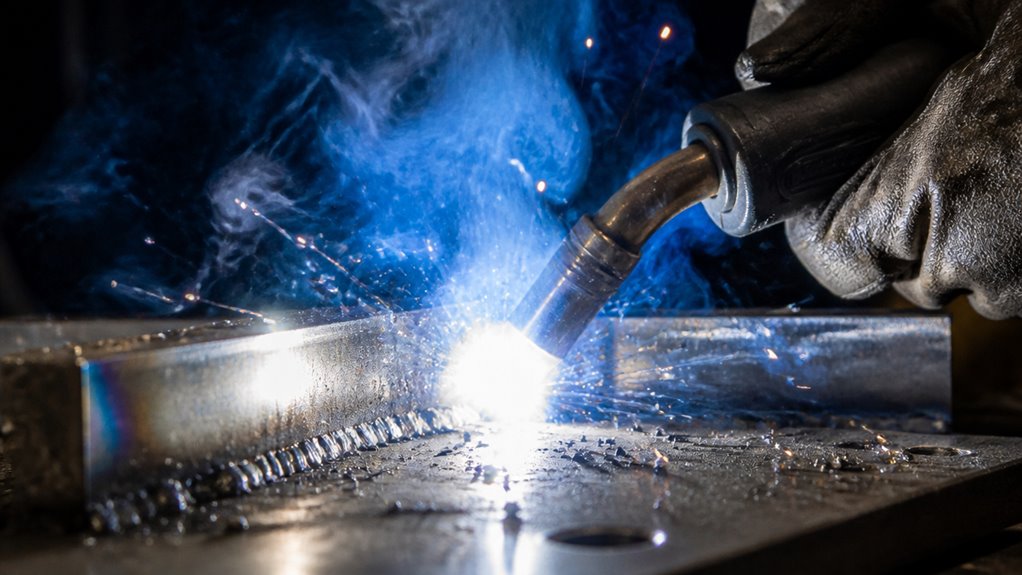
You can weld magnesium effectively by ensuring thorough surface preparation, removing oils and oxides, and using appropriate welding methods like TIG with AC polarity for precise heat control.
Choose a 50/50 argon-helium shielding gas mix to stabilize the arc and improve penetration.
Control heat input meticulously, preheat thick sections, and maintain steady travel speed and torch angle to prevent cracks and fires.
Selecting compatible filler metals further strengthens the weld.
Explore these factors to master magnesium welding successfully.
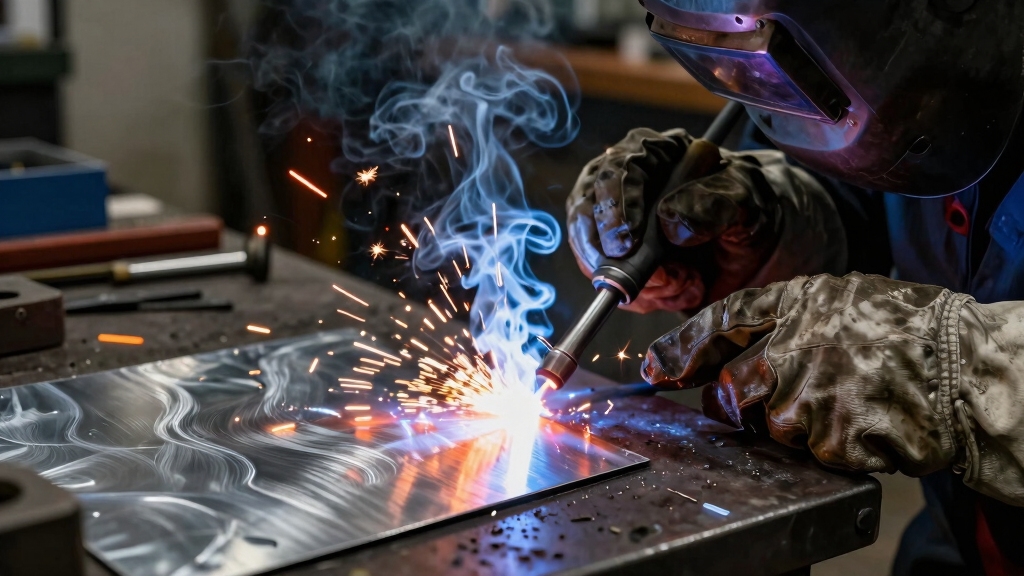
Although magnesium is a reactive and pyrophoric metal, you can weld it effectively using the right techniques and precautions.
Welding magnesium requires careful techniques and safety measures due to its reactive and pyrophoric nature.
Magnesium’s weldability depends on its alloy composition, section thickness, and surface condition. You’ll typically use arc-based methods like TIG (GTAW) or MIG (GMAW), with TIG favored for its precise heat control and puddle management.
Magnesium’s rapid oxide formation and high thermal conductivity demand careful process control to prevent ignition and cracking. You should also consider shielding gas choice; argon and helium mixtures improve arc stability and penetration.
Preheating thick sections reduces cracking risk, but excessive heat causes distortion and embrittlement. Matching filler metals to the base alloy and maintaining consistent torch angles and travel speeds help guarantee sound welds.
Understanding these unique factors is critical for successful magnesium welding. Similar to aluminum welding, using an AC/DC TIG welder with adjustable heat control can enhance weld quality and prevent burn-through.
Proper surface preparation plays a vital role in achieving high-quality magnesium welds, given the metal’s tendency to form a stubborn oxide layer and attract contaminants like oil and grease.
Before welding, you need to remove all surface impurities to prevent weld defects and porosity. Start by thoroughly cleaning the joint area with acetone or a similar solvent to eliminate oils and grease.
Then, mechanically remove the oxide layer using a stainless steel wire brush or carbide burr. Make certain both the base metal and filler wire are clean before use, as oxide builds quickly.
Maintain cleanliness throughout multi-pass welding to avoid contamination.
Avoid delays between cleaning and welding to prevent rapid re-oxidation and ensure weld integrity by welding promptly after surface preparation with immediate welding(Group 4 — Timing, Workflow, and Prevention of Recontamination).
When welding magnesium, selecting the appropriate method and settings directly impacts weld quality and structural integrity.
TIG (GTAW) is often preferred for precise heat control and clean welds, especially with AC polarity to manage oxide layers.
MIG (GMAW) works well for faster deposition but demands strict shielding gas control.
Preheating thick sections (200–300°C) reduces cracking risk. Use a 50/50 argon-helium mix to balance arc stability and penetration.
Controlling the heat input precisely during welding helps prevent defects like porosity and cracking.
| Parameter | Recommended Setting |
|---|---|
| Welding Method | TIG (AC) or MIG (DC) |
| Shielding Gas | Argon-Helium (50/50 mix) |
| Preheat Temperature | 200–300°C (for thick sections) |
Adjust travel speed and torch angle (10–15°) carefully for consistent weld pools and minimal distortion.
Since magnesium is highly reactive and prone to cracking, you must control heat input meticulously and maintain clean surfaces throughout welding. Excessive heat causes warping, embrittlement, and cracking. Contamination raises the risk of weld defects and fires.
To prevent these issues, focus on:
Cleaning all surfaces with acetone and mechanically removing oxides before welding.
Using steady travel speed and consistent torch angle to limit heat buildup.
Preheating thick sections within recommended temperature ranges to reduce thermal stresses.
Employing proper shielding gas mixtures to stabilize the arc and protect the weld pool from oxidation.
Maintaining adequate shielding gas coverage is essential to prevent oxidation and preserve weld integrity during magnesium welding.
Choose filler metals that closely match the base magnesium alloy to guarantee metallurgical compatibility and avoid weld defects. Using mismatched fillers can cause porosity, cracking, or weak joints.
Select filler metals matching the base magnesium alloy to ensure compatibility and prevent weld defects.
For TIG welding, select ER AZ31 or ER AZ61 filler rods when working with common magnesium alloys. Maintain a steady torch angle of about 10–15 degrees and a consistent travel speed to control heat input and puddle shape.
Utilize a 50/50 argon-helium shielding gas mixture to stabilize the arc and enhance penetration. For thicker sections, consider preheating between 200–300°C to minimize cracking risks.
Multiple shallow passes help manage distortion and improve weld integrity. Avoid aluminum fillers for magnesium casting repairs, as they lack compatibility, potentially compromising joint strength and corrosion resistance.
Preheating and precise heat control are crucial to reduce thermal stress and cracking risk during magnesium welding.
Welding fumes from magnesium can irritate your respiratory system and cause metal fume fever if inhaled excessively.
You’ll encounter fine particulate matter and oxide fumes, which pose lung risks over time.
Always use proper ventilation, respirators rated for metal fumes, and follow safety protocols to minimize exposure.
Since magnesium is pyrophoric, controlling airborne dust and fumes also reduces fire hazards, protecting both your health and your workspace safety effectively.
You’ll want to use dye penetrant inspection, ultrasonic testing, and visual inspection for magnesium welds.
Around 90% of weld defects, like cracks or porosity, can be detected visually if you clean and prepare the surface well.
Ultrasonic testing helps find subsurface flaws, especially in thicker sections.
Dye penetrant highlights surface-breaking defects.
Combining these makes certain you catch issues promptly, maintain structural integrity, and avoid costly failures in magnesium welds.
Yes, you can automate magnesium welding in industrial settings.
Automated TIG or MIG systems handle consistent heat input and shielding gas control precisely, reducing human error and improving repeatability.
You’ll need to guarantee surface preparation and alloy-specific parameters are tightly controlled.
Preprogrammed torch angles, travel speeds, and filler feed rates help maintain quality.
However, managing magnesium’s pyrophoric nature and heat sensitivity requires careful process monitoring and safety measures integrated into automation.
You should know magnesium welding waste impacts the environment through hazardous dust and fumes containing magnesium oxides and alloying elements.
Improper disposal risks fire due to magnesium’s pyrophoric nature. You must handle waste carefully, using proper ventilation and containment.
Recycling scrap reduces landfill use and conserves resources.
Additionally, controlling emissions minimizes air pollution.
Following regulations for hazardous waste disposal helps you mitigate environmental harm effectively.
Magnesium welding can feel like walking a tightrope, requiring precision and control.
Cost-wise, it’s generally higher than welding steel or aluminum.
You’ll pay more for specialized shielding gases like argon-helium mixes, preheating equipment, and rigorous surface prep to prevent fires and defects.
Plus, filler metals and slower, careful techniques add labor time.
However, its lightweight benefits often justify the extra welding expense in aerospace or automotive applications.
Now that you understand how to prep surfaces, pick the right welding methods, and avoid cracks or fires, welding magnesium becomes much less intimidating.
Think of it like wielding Excalibur; you need precision, the right tools, and careful technique to master it.
By selecting proper filler metals and settings, you’ll create strong, reliable welds every time.
With these insights, you’re fully equipped to tackle magnesium welding confidently and safely.