Phone:
(701)814-6992
Physical address:
6296 Donnelly Plaza
Ratkeville, Bahamas.

Phone:
(701)814-6992
Physical address:
6296 Donnelly Plaza
Ratkeville, Bahamas.

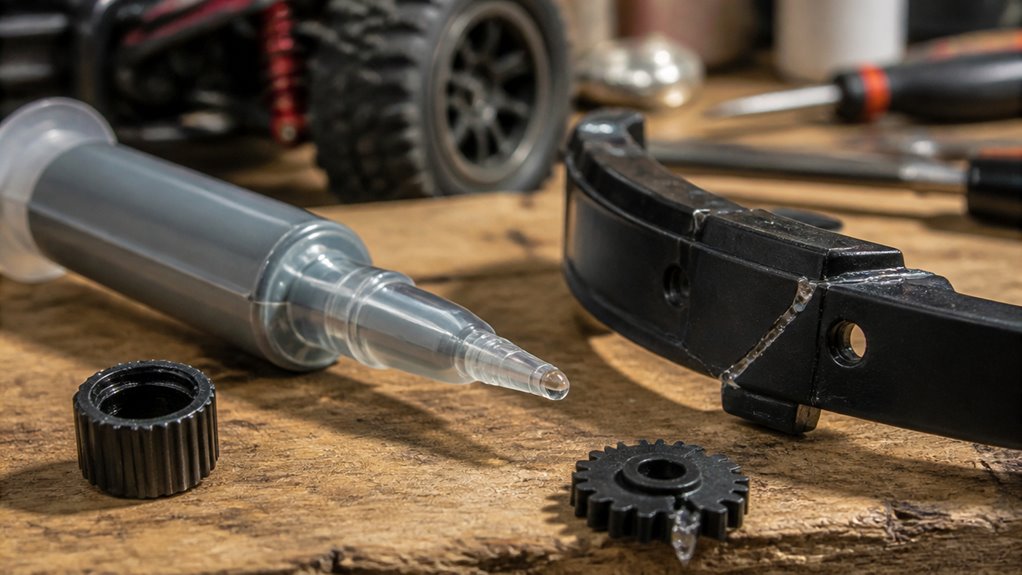
The 50139 J-B Weld Plastic Bonder is a fast-setting, two-part epoxy syringe that delivers a strong 3,770 PSI bond. It’s ideal for precise repairs on dark plastics like ABS and composites.
You’ll appreciate its 15-minute working time and included static mixer for thorough blending. However, quick curing means you need to act fast.
It’s versatile on various materials but limited by a small 25 mL size and rigidity after curing. Explore further to understand its best uses and handling tips.
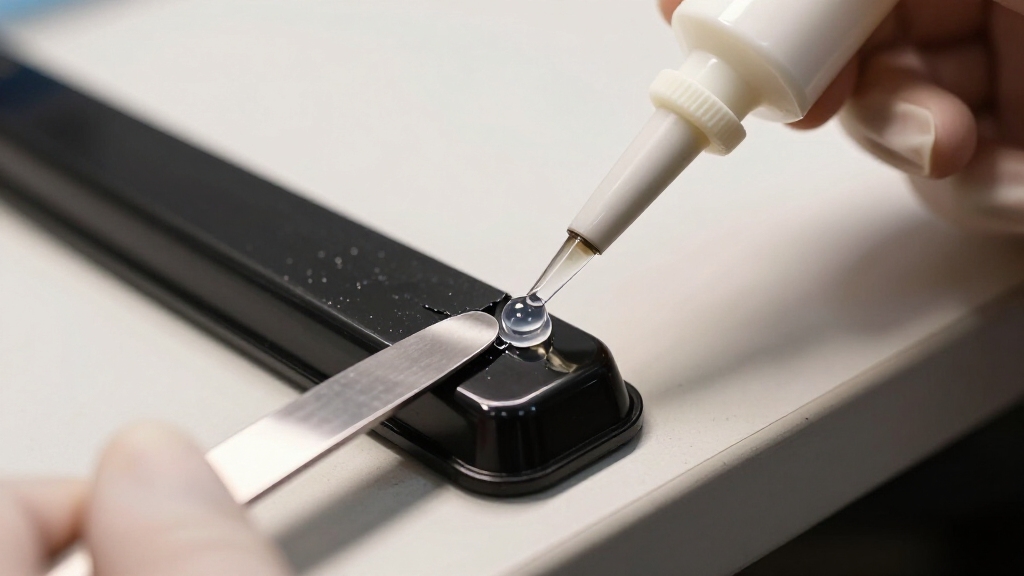
J-B Weld Plastic Bonder 50139 offers a fast-setting, high-strength solution for repairing plastics, designed specifically for structural bonding and gap filling.
J-B Weld Plastic Bonder 50139 provides a quick, strong adhesive ideal for structural plastic repairs and gap filling.
You get a two-part urethane adhesive in a 25 mL syringe, making it easy to dispense and mix accurately with the included static mixer.
This adhesive cures quickly, within about 15 minutes, and achieves a tensile strength of 3,770 PSI, ensuring durability for structural repairs rather than just cosmetic fixes.
The black, hard-drying formula blends well with dark plastics and sets rigidly, which means it’s not ideal for flexible joints.
While its small volume suits minor repairs, the rapid set time demands prompt application.
The no-waste cap extends usability by preventing material loss during storage.
Proper surface preparation, including cleaning and roughening, is essential to maximize the bond strength of this epoxy adhesion process.
Although repairing plastics can be challenging due to varied material properties, this plastic bonder performs well on a broad range of substrates.
You can confidently use it on common thermoplastics like ABS, PVC, vinyl, and fiberglass, as well as thermoset materials. It also bonds effectively with carbon fiber composites, coated metals, concrete, ceramic, and wood.
This versatility makes it suitable for automotive trims, bumpers, and household repairs. While it’s reported to work on polypropylene and polyethylene, thorough surface preparation is essential for these low-energy plastics to achieve reliable adhesion.
Its black cured color suits darker plastics, and the adhesive’s structural strength supports repairs beyond cosmetic fixes. Keep in mind that its rigid cured form may not be ideal where flexibility is required.
For best results on metals like stainless steel, proper surface preparation is crucial to ensure strong adhesion and durability.
J-B Weld Plastic Bonder really stands out when it comes to its bond strength. With a tensile strength of 3,770 PSI, it’s perfect for those structural plastic repairs you might need to tackle.
What’s great is that it sets in just 15 minutes! This means you can handle your project quickly without waiting around. However, keep in mind that for full curing, you’re looking at about 30 minutes to an hour.
For best results, ensure proper surface preparation by cleaning and roughening the plastic before application.
When evaluating bond strength for plastic repairs, tensile strength is a crucial metric worth contemplating.
J-B Weld Plastic Bonder claims a tensile strength of 3,770 PSI, positioning it well above many general-purpose adhesives in durability.
This level of strength indicates it can handle structural stresses typical in automotive trim and plastic panels.
You’ll appreciate that the bond cures to a hard, rigid finish, supporting load-bearing repairs rather than just cosmetic fixes.
However, this rigidity means it’s less suitable where flexibility or movement is expected.
Also, achieving peak tensile strength depends heavily on proper surface preparation, especially with low-surface-energy plastics like polypropylene.
Proper surface cleaning and roughening significantly enhance adhesion and bond strength.
J-B Weld Plastic Bonder sets rapidly, offering a 15-minute working time that demands prompt application and positioning.
You’ll need to mix and apply the adhesive quickly, as it begins to cure almost immediately, limiting adjustment once applied.
After setting, it reaches a sandable stage in about 30 minutes, enabling efficient finishing without long delays.
Full cure typically occurs within 30 minutes to an hour, depending on ambient conditions, providing a strong, rigid bond with a tensile strength of 3,770 PSI.
This quick cure time suits same-day repairs but leaves little margin for error during application.
Keep in mind that while the rapid set enhances productivity, it requires careful preparation and precise handling to maximize bond strength and achieve durable, structural repairs.
For best results, applying thin layers and working in a warm environment can help ensure uniform curing and optimal bond strength.
To get the best results with J-B Weld Plastic Bonder, you’ll want to start by thoroughly cleaning and roughening the plastic surface. This step is crucial because it helps ensure strong adhesion.
Once you’ve done that, grab the syringe and use the static mixer to combine the two components in a 1:1 ratio. Just a heads up: you’ll need to apply the adhesive pretty quickly, as you have about 15 minutes of working time.
Don’t rush through the application, though! Being precise is key. And remember, proper curing conditions are super important too. Follow these steps, and you’ll achieve the product’s advertised tensile strength and durability. Happy bonding!
Also, make sure to maintain the exact 1:1 resin-to-hardener ratio to ensure proper curing and maximum bond strength.
Getting a strong, lasting bond starts with properly preparing the surface before applying the Plastic Bonder.
First, clean the area thoroughly to remove dirt, grease, and oils. Use isopropyl alcohol or a similar solvent for best results.
Next, roughen smooth or glossy surfaces with fine-grit sandpaper. This improves adhesion by increasing surface area.
For plastics like polypropylene or polyethylene, additional abrasion is critical due to their low surface energy.
Avoid using harsh chemicals that could damage the substrate.
After sanding, remove all dust and debris with a brush or compressed air.
Ensuring a dry, contaminant-free surface optimizes bond strength, especially given the adhesive’s quick set time.
Skipping these steps risks weak or incomplete curing, undermining the structural integrity of your repair.
When working with adhesives and similar materials, always consider proper eye protection to prevent injuries from irritants or UV exposure.
Start by preparing the syringe and static mixer for precise dispensing.
Attach the static mixer firmly to the syringe tip to guarantee thorough blending of the two components at a 1:1 ratio.
Dispense the mixed adhesive onto a clean surface or directly onto the repair area within the 15-minute working time.
Apply evenly to fill gaps or bond surfaces. Avoid excess, as the quick set limits adjustment time.
After application, allow at least 30 minutes for sanding or handling.
For best results, ensure the surfaces are properly cleaned and mechanically abraded to improve surface preparation.
| Step | Action | Notes |
|---|---|---|
| 1 | Attach static mixer | Guarantees proper mixing |
| 2 | Dispense adhesive | Mix ratio 1:1, quick set time |
| 3 | Apply and cure | Sand after 30 minutes |
When repairing automotive trim or household plastics, J-B Weld Plastic Bonder excels as a fast-setting, strong adhesive designed to handle structural bonding and gap filling.
You’ll find it ideal for fixing cracked bumpers, bonding composite panels, and filling dents in plastic bodywork. Its 3,770 PSI tensile strength supports lasting repairs rather than just cosmetic fixes.
Around the house, it’s effective on thermoplastics, fiberglass, vinyl, and even masonry, making it versatile for small plastic appliances or furniture repairs.
The syringe’s controlled dispensing helps you apply precise amounts for minor jobs. However, its rigid cured bond and quick set time mean you’ll want to work efficiently and avoid areas that require flexibility.
For best results, ensure surfaces are thoroughly cleaned and roughened to promote strong adhesion before applying the epoxy.
Experience reliable, fast-setting adhesion with J-B Weld Plastic Bonder, designed to deliver a strong, permanent bond on various plastics and composites.
You’ll appreciate its impressive 3,770 PSI tensile strength, ensuring structural repairs hold up under stress. The 1:1 mix ratio and included static mixer simplify preparation, while the syringe format allows precise, no-waste application.
With a working time of about 15 minutes and sanding possible after 30 minutes, you can complete repairs quickly and efficiently. The black cured adhesive blends well with dark plastics, enhancing the finished appearance.
Additionally, its versatility spans thermoplastics, thermosets, composites, and even coated metals, making it a practical choice for automotive and household fixes, especially when you need fast, durable, gap-filling performance.
For optimal results on metal repairs, ensuring proper surface cleaning before application is essential to maintain adhesion and durability.
While J-B Weld Plastic Bonder offers impressive strength and fast curing, you should be aware of several limitations that might affect its suitability for certain projects.
Its small 25 mL syringe restricts use on larger panels or multiple repairs, so you may need additional units for extensive work.
The very fast 15-minute working time leaves little margin for adjustment once mixed, demanding quick, precise application.
Bond performance on low-surface-energy plastics like polypropylene or polyethylene depends heavily on thorough surface preparation, which can complicate the process.
Also, the cured adhesive forms a rigid bond, so it’s less ideal for areas expecting movement or flexing.
Finally, some ambiguity exists around full cure timing, with varying retailer claims, which could impact when you can safely handle or finish the repair.
Yes, you can paint over J-B Weld Plastic Bonder after it cures.
Since it dries to a hard, black finish, you’ll want to sand the surface lightly to guarantee proper paint adhesion.
Using a primer designed for plastic or epoxy surfaces will improve results.
Keep in mind that the cured bond is rigid, so flexible paints may crack if the bonded area moves.
Proper surface prep is key for a durable, smooth finish.
Though it’s not from the days of musketeers, you’ll find this adhesive offers solid resistance to water and many chemicals.
Its urethane formula forms a durable, hard bond that withstands moisture and common automotive fluids.
However, extreme or prolonged chemical exposure might degrade it over time.
You should store leftover adhesive by sealing the syringe tightly with its resealable no-waste cap to prevent air exposure.
Keep it in a cool, dry place away from direct sunlight to maintain its efficacy.
The static mixer can be removed or left attached if you plan to use it soon.
Proper sealing limits curing inside the syringe, preserving the adhesive for future use.
Its fast set time means you’ll want to use leftovers promptly.
You won’t want to use this adhesive underwater. It’s like trying to paint on a wet canvas; the bond won’t set properly.
The formula requires a dry surface to cure to its full strength and durability. While it offers fast setting and high tensile strength on plastics, moisture interferes with its chemical reaction.
For underwater repairs, you’ll need a specialized waterproof epoxy designed explicitly for wet conditions.
You won’t find strong fumes during the curing of this adhesive because it’s a urethane-based formula designed for quick, clean bonding.
While some mild odor might be noticeable, it’s generally low and not overpowering compared to solvent-based adhesives.
Still, you should work in a well-ventilated area to minimize any irritation.
The product’s quick set time also limits prolonged exposure to airborne chemicals, making it safer for indoor use.
You’ll find J-B Weld Plastic Bonder 50139 reliable for bonding plastics, repairing automotive parts, and fixing household items.
It offers strong adhesion, quick set times, and versatility, making it a practical choice for many projects.
However, you should consider its curing time and surface preparation needs to achieve the best results.
Balancing its benefits and limitations helps you make an informed decision, ensuring your repairs are durable, efficient, and cost-effective every time.