Phone:
(701)814-6992
Physical address:
6296 Donnelly Plaza
Ratkeville, Bahamas.

Phone:
(701)814-6992
Physical address:
6296 Donnelly Plaza
Ratkeville, Bahamas.

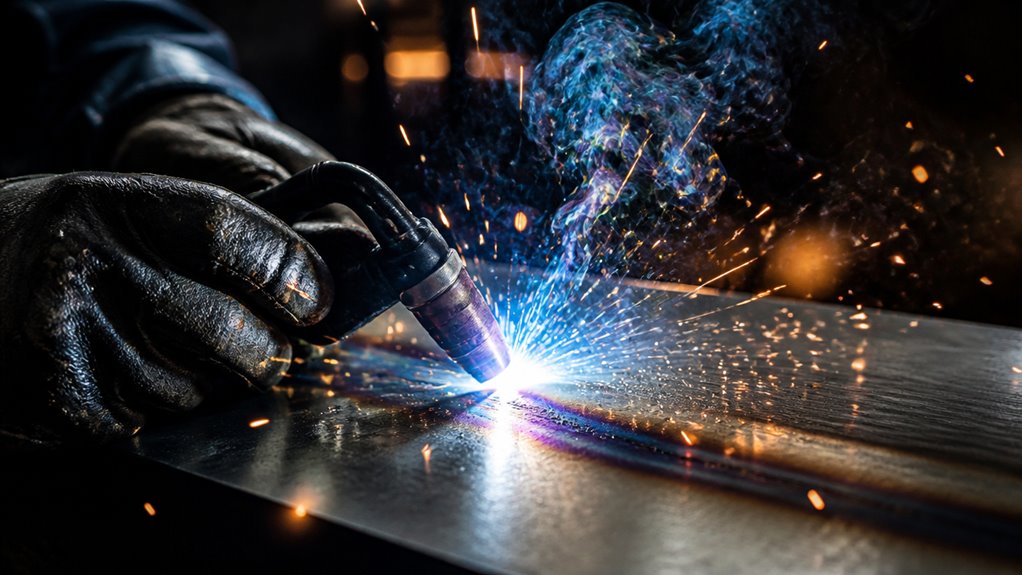
When you weld stainless steel, you release hexavalent chromium, a highly toxic substance formed from oxidizing trivalent chromium.
These fumes, including vaporized manganese and nickel oxides, penetrate deep into your lungs, causing severe cellular damage and increasing risks of lung, nasal, and throat cancers.
Exposure can also affect your kidneys and respiratory system. The composition and hazards vary with welding conditions.
Understanding these risks and control measures is critical for your safety and health during welding operations.
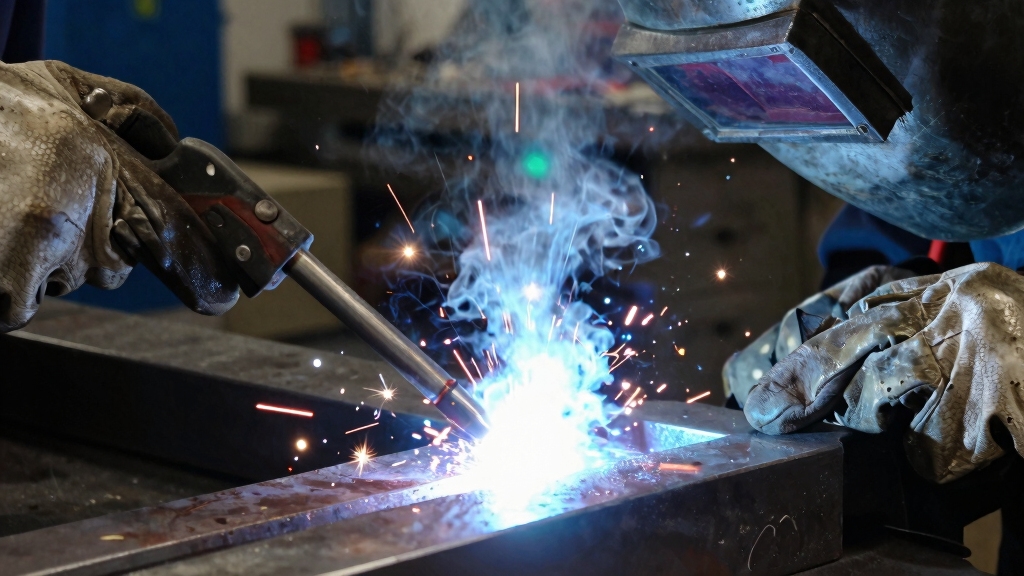
When you weld stainless steel, the primary toxic substances you’re exposed to are metal fumes containing hexavalent chromium, manganese, and nickel.
Welding stainless steel releases toxic metal fumes with hexavalent chromium, manganese, and nickel.
The intense heat oxidizes trivalent chromium into hexavalent chromium, which is highly toxic. Manganese and nickel also vaporize, forming fine particulate matter that can penetrate deep into your respiratory system.
These metal fumes are complex mixtures of oxides and silicates, markedly more hazardous than fumes from mild steel welding. You must understand that inhaling or contacting these substances poses serious health risks, requiring strict adherence to safety protocols.
Use proper ventilation and personal protective equipment to minimize exposure. Remember, controlling these toxic fumes is critical to preventing respiratory damage and other health complications during stainless steel welding.
Similar to welding galvanized steel, inadequate ventilation and lack of proper respiratory protection can significantly increase the risk of inhaling hazardous fumes and suffering severe respiratory issues, highlighting the importance of ventilation and respiratory protection.
Because hexavalent chromium can penetrate deep into your lungs upon inhalation, it poses significant health hazards that go beyond typical metal fume exposures.
This highly toxic form of chromium can cause severe cellular damage and increase your risk of developing lung cancer.
You must recognize that exposure affects more than just your respiratory system.
Key health risks include:
Hexavalent chromium’s carcinogenicity and toxicity demand strict exposure controls during stainless steel welding.
You should always use appropriate respiratory protection and ventilation to minimize inhalation and contact risks.
Proper use of respiratory protective equipment and effective ventilation are essential to reduce exposure to these harmful fumes.
Beyond hexavalent chromium, stainless steel welding fumes contain a complex mixture of other toxic metals and gases that contribute to the overall health risks.
You’ll encounter manganese, nickel, and trace amounts of arsenic, beryllium, and cadmium, all of which become airborne as metallic oxides during welding.
These substances can irritate your respiratory tract and exacerbate toxic exposure.
The welding process vaporizes elements like iron, titanium, and manganese, generating fine particulate matter and gases such as ozone and nitrogen oxides.
Since these fumes vary with welding parameters and the specific stainless steel composition, you must apply adequate ventilation and protective measures.
Understanding this multifaceted chemical exposure is essential to minimize inhalation risks and skin contact.
These additional metals and gases amplify the toxic burden beyond just hexavalent chromium.
Proper use of local exhaust ventilation is critical to control fume exposure at the source and protect welders’ health.
Although welding stainless steel is essential in many industries, you must recognize the serious health risks posed by the fumes it generates.
Welding stainless steel is vital but comes with significant health risks from hazardous fumes.
The primary hazard is hexavalent chromium, a potent carcinogen that forms during the welding process. Inhaling these fumes can damage your respiratory system and markedly increase your risk of lung, nose, throat, and kidney cancers.
Chronic exposure also leads to occupational asthma and other respiratory diseases.
Key health risks include:
Proper ventilation and use of local exhaust ventilation are critical to reduce fume inhalation and protect welder health.
Being aware of these risks is vital because they directly affect your long-term health and safety during welding operations.
When welding stainless steel, controlling your exposure to hazardous fumes is critical to protecting your health.
Use local exhaust ventilation systems positioned close to the welding arc to capture hexavalent chromium and other toxic particles before they reach your breathing zone.
Always work upwind in open areas and avoid confined spaces without adequate ventilation to prevent accumulation of fumes.
Wear appropriate respiratory protection certified for hexavalent chromium exposure when ventilation is insufficient.
Clean welding surfaces thoroughly to remove coatings or residues that may increase toxic fume generation.
Follow OSHA’s exposure limits and safety protocols, including proper training on material hazards.
Regularly inspect and maintain ventilation equipment to ensure peak performance.
These precise safety measures greatly reduce your risk of inhaling carcinogenic welding fumes.
Additionally, implementing local exhaust ventilation at the arc is essential to effectively capture fumes and reduce inhalation risks.
You detect hexavalent chromium in welding environments using specialized air sampling methods combined with laboratory analysis.
Personal and area air samplers collect airborne particles onto filters, which are then analyzed via ion chromatography or spectrophotometric techniques to quantify Cr(VI) concentrations.
You must conduct these tests regularly to guarantee compliance with OSHA limits, using calibrated equipment and following strict protocols to accurately assess exposure and implement appropriate controls.
You should wear a properly fitted respirator with a P100 or N95 filter to protect against Cr(VI) fumes.
Use welding helmets with appropriate eye protection to shield from UV radiation and metal particles.
Wear chemical-resistant gloves and long-sleeve flame-resistant clothing to prevent skin contact.
Make certain your PPE is certified and maintained.
Combining respiratory protection, protective clothing, and engineering controls offers the best defense against hexavalent chromium exposure during welding.
Yes, you can undergo urine tests, blood tests, and lung function tests to monitor hexavalent chromium exposure.
Urine tests detect chromium metabolites. Blood tests measure chromium levels directly, and lung function tests assess respiratory impact.
You should get these tests regularly if you’re exposed to welding fumes.
Early detection helps prevent serious health issues.
Always consult occupational health professionals for appropriate testing intervals and interpretation of results tailored to your exposure level.
Your welding technique directly influences fume generation. Using higher amperage or voltage increases heat, producing more fumes.
Poor technique, like excessive spatter or incorrect electrode angle, enhances fume release.
Precise control of travel speed and arc length minimizes vaporization of metals, reducing toxic fumes.
Always maintain proper distance and use appropriate shielding gas to limit oxidation.
Adopting optimized welding parameters and techniques helps you control hazardous fume exposure effectively.
You must handle materials contaminated with hexavalent chromium as hazardous waste.
Follow federal and local regulations for disposal, including proper labeling and containment to prevent leaks.
Use sealed, corrosion-resistant containers and avoid mixing with incompatible wastes.
Transport the waste through certified hazardous waste carriers to licensed treatment, storage, or disposal facilities.
Maintain documentation and safety data sheets for compliance.
Never dispose of Cr(VI) materials in regular trash or down drains.
When you weld stainless steel, you’re not just melting metal. You’re releasing invisible clouds of hexavalent chromium, a toxic beast that can ravage your lungs like acid rain.
Alongside other hazardous metals and gases, these fumes pose serious, life-altering risks. You must don proper protective gear and guarantee adequate ventilation, or you risk your respiratory health and even cancer.
Treat these fumes like silent predators, because ignoring them is far too dangerous.