Phone:
(701)814-6992
Physical address:
6296 Donnelly Plaza
Ratkeville, Bahamas.

Phone:
(701)814-6992
Physical address:
6296 Donnelly Plaza
Ratkeville, Bahamas.

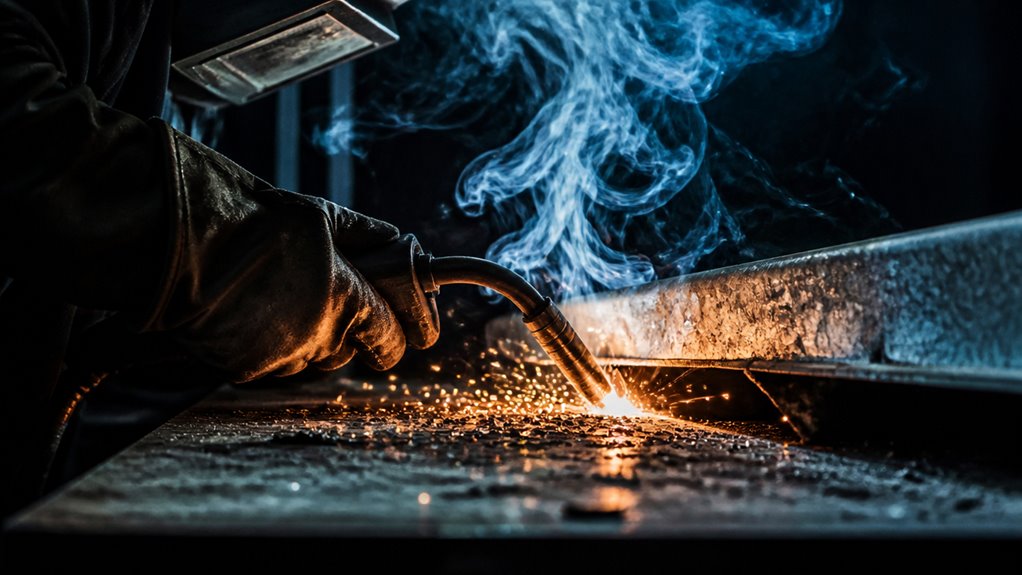
Welding galvanized steel releases zinc oxide fumes that can cause metal fume fever, with flu-like symptoms and breathing difficulties.
While a single exposure is unlikely to be fatal, repeated or high-level inhalation in poorly ventilated spaces can lead to serious lung damage or complications.
Without proper respiratory protection and ventilation, these fumes pose genuine health risks.
If you weld galvanized steel regularly or experience persistent symptoms, it’s vital to understand how to protect yourself and when to seek medical care.
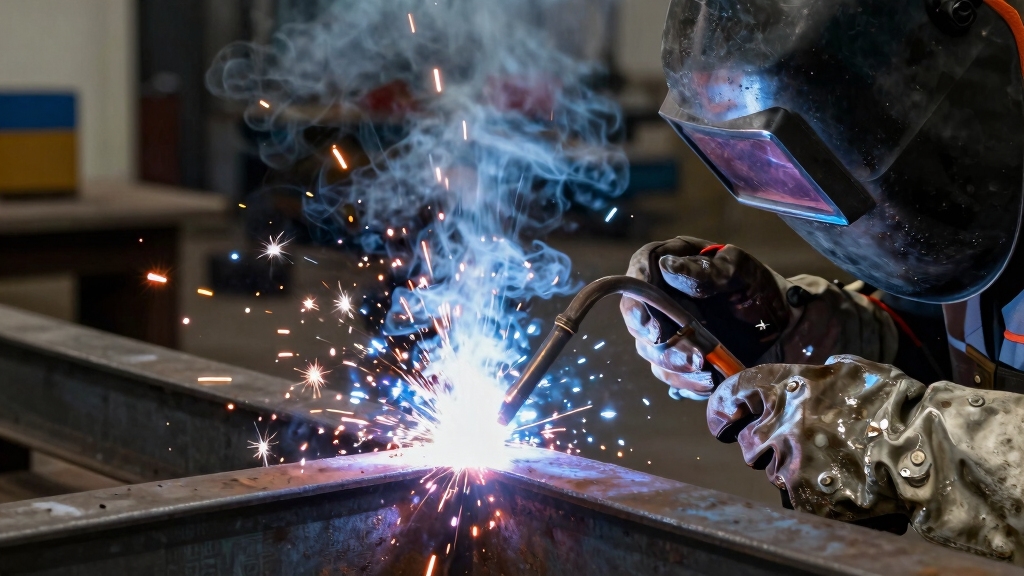
When you weld galvanized steel, the intense heat vaporizes the zinc coating, releasing invisible zinc oxide fumes into the air.
These fumes form when vaporized zinc reacts with oxygen, creating a fine, airborne particulate that’s difficult to see but can be harmful if inhaled.
You should understand that the zinc coating’s purpose is corrosion resistance, but welding disrupts this protective layer, turning it into a hazardous vapor.
Depending on the steel’s condition, other contaminants may also become airborne.
The key risk lies in these invisible fumes, which can accumulate quickly, especially without proper ventilation or fume extraction.
To protect yourself, always anticipate this hazard and implement controls before starting your welding work on galvanized steel.
Exposure to zinc oxide fumes can cause acute symptoms like metal fume fever and long-term respiratory issues without proper safety measures.
Zinc oxide fumes frequently pose a serious health hazard during welding because they’re easily inhaled without notice.
Zinc oxide fumes from welding are a hidden danger, easily inhaled without any immediate warning.
When you weld galvanized steel, the heat vaporizes its zinc coating, creating zinc oxide particles that become airborne and invisible.
Inhaling these fumes can trigger metal fume fever, a flu-like illness with symptoms such as headache, nausea, and chills.
Though often temporary, exposure can cause breathing difficulties or lung irritation.
The fumes’ small particle size lets them penetrate deep into your lungs, potentially causing inflammation and tissue damage.
Because symptoms may appear hours after exposure, you mightn’t connect them to welding.
Taking zinc oxide fumes lightly puts you at risk of acute health issues and longer-term respiratory damage.
Proper protection and ventilation are essential whenever you weld galvanized steel.
Use a properly fitted respirator rated for metal fume filtration and ensure ventilation to minimize exposure risks.
Understanding what increases your risk of inhaling harmful zinc oxide fumes helps you take better precautions during welding.
Your risk rises markedly if you weld galvanized steel in poorly ventilated or confined spaces where fumes accumulate.
Not using local exhaust ventilation or respiratory protection also leaves you vulnerable.
The intensity and duration of welding affect how much zinc oxide you inhale.
Longer, hotter welds produce more fumes.
If you skip removing the galvanized coating beforehand, you expose yourself to higher fume concentrations.
Pre-existing respiratory or heart conditions further increase your susceptibility to severe effects.
Remember, standard dust masks won’t protect you adequately.
Using ventilation hoods with filtration systems capable of removing at least 99.8% of fumes is critical to minimizing exposure risk.
Frequently, welders exposed to zinc oxide fumes experience metal fume fever shortly after finishing work on galvanized steel.
You might feel flu-like symptoms such as headache, chills, fever, nausea, and vomiting.
A metallic taste in your mouth, cold sweats, and fatigue are common too.
You may also notice coughing, chest tightness, or wheezing, signaling your lungs are irritated.
Symptoms usually appear within a few hours and tend to resolve within 24 to 48 hours.
While uncomfortable, metal fume fever is generally self-limiting.
However, if you experience severe breathing difficulties or if symptoms persist, seek medical attention promptly.
Recognizing these symptoms early can help you avoid more serious complications and underscores the importance of proper ventilation and respiratory protection during welding.
Exposure to zinc oxide fumes is a significant respiratory hazard that can lead to acute and chronic lung issues if not managed properly.
Welding galvanized steel without the right protection can really take a toll on your lungs over time. If you’re doing it repeatedly, you might be looking at chronic lung tissue damage and even a decline in your respiratory function. That’s definitely something to keep in mind.
And it doesn’t stop there. Some studies have even pointed to potential neurological effects from prolonged exposure to those zinc fumes. So, it’s super important to recognize these risks. Taking steps to minimize your exposure is essential for your health. Proper ventilation and protective gear are crucial to reduce inhalation of hazardous fumes during welding safety precautions.
Although welding galvanized steel may seem safe with short exposures, repeated inhalation of zinc oxide fumes can gradually harm your lung tissue over time.
These fumes irritate and inflame the delicate lining of your lungs, potentially leading to chronic conditions like pneumonitis or pulmonary edema.
Over weeks or months, this ongoing inflammation can cause scarring and reduce lung elasticity, making it harder for your lungs to function properly.
You mightn’t notice immediate symptoms, but the damage accumulates silently, increasing your risk of long-term respiratory problems.
To protect yourself, always ensure adequate ventilation and use proper respiratory gear when welding galvanized steel.
Minimizing fume exposure is the key to preventing chronic lung tissue damage and safeguarding your respiratory health in the long run.
Poor ventilation and unpredictable underwater conditions heighten health risks and complicate welding quality, emphasizing the importance of adequate ventilation and respiratory protection.
Building on the risks of chronic lung tissue damage, welding galvanized steel can also lead to a gradual decline in respiratory function.
When you inhale zinc oxide fumes repeatedly over time, your lungs may lose some capacity to exchange oxygen efficiently.
This decline can manifest as increased shortness of breath, reduced exercise tolerance, or chronic coughing.
While these changes may develop slowly, they can markedly affect your quality of life.
The risk rises if you weld frequently without adequate ventilation or respiratory protection.
It’s vital to recognize early signs and limit exposure to prevent long-term damage.
Regular medical check-ups can help monitor your lung function if you work with galvanized steel often.
Always prioritize proper controls to safeguard your respiratory health.
Welding fumes can also interact with environmental factors such as marine microorganisms, which may exacerbate respiratory irritation and inflammation.
While most concerns about welding galvanized steel focus on respiratory effects, emerging evidence suggests that neurological risks may also exist.
When you inhale zinc oxide fumes repeatedly, it can disrupt your body’s copper balance, which is essential for nerve function.
This imbalance might contribute to neurological symptoms, although the precise effects and their severity remain unclear.
Additionally, welding fumes can contain other hazardous metals that may compound neurological risks.
However, current research is limited, so it’s important to approach this possibility cautiously.
To protect yourself, prioritize proper ventilation, respiratory protection, and minimizing exposure duration.
If you experience unusual neurological symptoms like headaches, dizziness, or cognitive changes after welding, seek medical advice promptly.
These could indicate early signs of neurotoxic effects.
Furthermore, the presence of contaminants such as moisture and rust on metal surfaces can worsen fume toxicity and increase health risks.
Welding galvanized steel can be pretty risky because it releases zinc oxide fumes. These fumes can lead to some immediate symptoms, like metal fume fever, which might leave you with a headache or feeling nauseous. Not fun, right?
If you’re exposed to these fumes repeatedly or for long periods, the risks get even scarier. You could face serious lung damage or chronic respiratory issues down the line. So, it’s really important to be aware of these dangers.
Taking the right precautions can make a huge difference in protecting your health while working with galvanized steel. Stay safe out there! Proper ventilation and using respiratory protection are essential when welding galvanized metal to minimize exposure to zinc oxide fumes.
Although you might be skilled at welding, welding galvanized steel carries specific risks due to the zinc oxide fumes it produces.
When you heat the zinc coating, it vaporizes and oxidizes, creating invisible but toxic zinc oxide fumes. Inhaling these fumes exposes your lungs to hazardous particles that can cause serious respiratory issues if not properly managed.
The risk grows markedly without adequate ventilation or respiratory protection, as these fumes accumulate quickly in confined spaces. Zinc oxide fumes are the primary hazard in this process, so controlling your exposure is essential to avoid long-term lung damage or acute complications.
Always use local exhaust ventilation and approved respirators to minimize inhalation. Understanding and managing these risks helps keep your welding safe and your health intact. Welding galvanized steel also requires proper surface preparation to reduce contamination and ensure safety during the process.
Exposure to zinc oxide fumes from welding galvanized steel can trigger metal fume fever, a flu-like illness that often appears shortly after inhalation.
You might experience headache, nausea, chills, fever, vomiting, and cold sweats within hours of exposure.
Additional symptoms include cough, chest tightness, wheezing, fatigue, and a metallic taste in your mouth.
Usually, these symptoms resolve on their own within 24 to 48 hours, but severe or prolonged exposure can lead to breathing difficulties that require medical attention.
It’s vital you avoid welding galvanized steel in poorly ventilated areas and always use appropriate respiratory protection to minimize your risk.
Pay close attention if symptoms develop after welding; treat them as a warning sign to reduce or eliminate further exposure immediately.
If you weld galvanized steel repeatedly without proper precautions, you can face serious long-term health risks. Chronic inhalation of zinc oxide fumes may cause lung tissue damage and reduced breathing capacity. Conditions like pneumonitis or pulmonary edema may also arise. Neurological effects might occur due to zinc-related copper imbalance. The risk grows with prolonged exposure to fumes and other contaminants present in the coating or base metal.
| Long-Term Danger | Description |
|---|---|
| Lung Damage | Tissue scarring, reduced function |
| Pneumonitis | Lung inflammation |
| Pulmonary Edema | Fluid buildup in lungs |
| COPD-like Impairment | Chronic breathing difficulty |
| Neurological Effects | Possible zinc-copper disruption |
Use ventilation and respiratory protection to minimize these risks.
When welding galvanized steel, controlling zinc oxide fumes starts with removing the zinc coating mechanically before applying heat. This step markedly cuts down fume generation, protecting your lungs from harmful exposure.
Removing the zinc coating before welding greatly reduces harmful zinc oxide fumes and protects your lungs.
Besides mechanical removal, you need to take additional precautions to reduce risks effectively.
Focus on these key measures:
Use approved respirators specifically designed to filter zinc oxide fumes; standard masks won’t suffice.
Employ local exhaust ventilation at the welding site to capture fumes immediately.
Maintain a clean workspace to prevent fume accumulation and ensure proper handling of metal residues.
Removing the zinc coating before welding markedly cuts down on harmful fumes, but it doesn’t eliminate the need for proper ventilation. Even trace amounts of zinc oxide fumes can accumulate quickly in enclosed or poorly ventilated spaces, posing serious health risks.
You must make certain that fresh air circulates continuously to dilute and remove fumes at the source. Local exhaust ventilation is especially effective, capturing contaminants before they spread.
Relying on general ventilation alone may not be sufficient, especially in confined areas or during prolonged welding. Without proper airflow, you risk inhaling toxic fumes that can cause metal fume fever or more severe respiratory issues.
Prioritizing ventilation protects your lungs and overall health, making your welding safer and reducing hazardous exposure every time you work with galvanized steel.
When you’re welding galvanized steel, picking the right respirator is super important. You want to make sure you’re protected from those harmful zinc oxide fumes. It’s essential to use a respirator that’s specifically designed for metal fumes.
Also, don’t forget about fit! A properly fitted respirator makes all the difference.
And hey, regular maintenance is key too—keeping your respirator in good shape ensures it continues to provide effective protection. If you let things slide and ignore fit or replacement, you could be putting yourself at a higher risk of inhaling those dangerous contaminants. So, stay safe out there!
Although proper ventilation is the primary defense against zinc oxide fumes, you still need effective respiratory protection when welding galvanized steel.
Choosing the right respirator type is essential to minimize your exposure to harmful fumes.
You’ll want to keep in mind:
Each option has distinct advantages depending on your work environment and exposure level.
Always select a respirator designed to handle metal fumes rather than standard dust masks, which aren’t sufficient for welding galvanized steel.
Choosing the right respirator is only part of protecting yourself from zinc oxide fumes when welding galvanized steel. To guarantee maximum protection, you must focus on proper fit.
A poorly fitted respirator allows hazardous fumes to leak in, defeating its purpose. Always perform a seal check every time you wear your mask. Facial hair, glasses, or facial structure can compromise the seal.
Adjust straps snugly without discomfort, and choose the correct size for your face. Even the best respirator won’t protect you if it doesn’t fit correctly.
Proper maintenance and timely replacement of your respirator guarantee it continues to provide effective protection against zinc oxide fumes when welding galvanized steel. Neglecting this can expose you to hazardous fumes, increasing health risks.
You should regularly inspect your respirator for damage or wear, especially the filters and seals. Replace filters as recommended by the manufacturer or sooner if breathing becomes difficult. Clean the respirator after each use to prevent contamination buildup.
Key maintenance steps include:
Recognizing symptoms early after welding galvanized steel can prevent serious health complications.
Early recognition of symptoms after welding galvanized steel is crucial to prevent serious health issues.
If you experience flu-like symptoms such as headache, nausea, chills, or fever within hours of exposure, monitor your condition closely.
Seek medical help immediately if you develop difficulty breathing, chest pain, persistent cough, or wheezing, as these signs indicate possible lung injury.
Prolonged symptoms beyond 48 hours or worsening conditions also require professional evaluation.
Don’t ignore shortness of breath or severe fatigue, especially if you have pre-existing lung or heart issues.
Early intervention can reduce the risk of complications like pneumonitis or pulmonary edema.
Always err on the side of caution and contact a healthcare provider if you’re uncertain about your symptoms after welding galvanized steel.
Yes, galvanized steel welding fumes can affect you if you’re pregnant.
The zinc oxide fumes may pose respiratory risks and could contribute to complications due to their toxic nature.
You should avoid exposure or use strict controls like proper ventilation and a suitable respirator.
Protecting your health and your baby’s development means minimizing inhalation of these fumes.
Pregnant workers are generally more vulnerable to airborne toxins and their potential effects.
If you want a perfect excuse to ditch work, zinc oxide fume exposure is your ticket.
Seriously though, if you inhale these fumes, get fresh air immediately. No heroics.
Drink water to soothe your throat and rest. If you feel flu-like symptoms or breathing troubles, don’t tough it out; seek medical help promptly.
Quick, cautious action prevents metal fume fever from turning into a bigger problem. Safety first, always.
Welding galvanized steel produces zinc oxide fumes, which are more toxic than fumes from many other coatings, like paint or standard steel.
You’ll need extra caution because zinc vaporizes easily, creating hazardous fumes that cause metal fume fever.
Compared to other coated metals, galvanized steel demands better ventilation and respiratory protection.
Some coatings may emit different toxins, but galvanized steel’s zinc fumes are particularly dangerous, so you must control exposure carefully.
You can’t prevent metal fume fever symptoms just by eating or drinking; no dietary habit stops zinc oxide fumes’ effects.
Studies show over 90% of cases link directly to inhalation, not nutrition. Your best defense is proper ventilation and respiratory protection.
Staying hydrated might help overall well-being, but it won’t neutralize toxic fumes. If you experience symptoms, seek fresh air and medical advice rather than relying on food or drink.
You should know that legal exposure limits for zinc oxide fumes vary by country but generally fall around 5 mg/m³ as an 8-hour time-weighted average (TWA), according to OSHA in the U.S.
Short-term exposure limits (STEL) might be lower, around 10 mg/m³ for 15 minutes.
Always check your local regulations and ensure proper ventilation and respiratory protection to stay well below these limits and protect your health while welding galvanized steel.
Welding galvanized steel might seem routine, but the invisible zinc oxide fumes could quietly threaten your health.
You might brush off the risks, yet metal fume fever and lung damage aren’t just stories; they’re real dangers lurking in that smoke.
Don’t wait until symptoms hit; take ventilation and respiratory protection seriously.
If you ever feel unwell after welding, don’t hesitate to seek medical help promptly.
Your safety depends on the choices you make now.