Phone:
(701)814-6992
Physical address:
6296 Donnelly Plaza
Ratkeville, Bahamas.

Phone:
(701)814-6992
Physical address:
6296 Donnelly Plaza
Ratkeville, Bahamas.

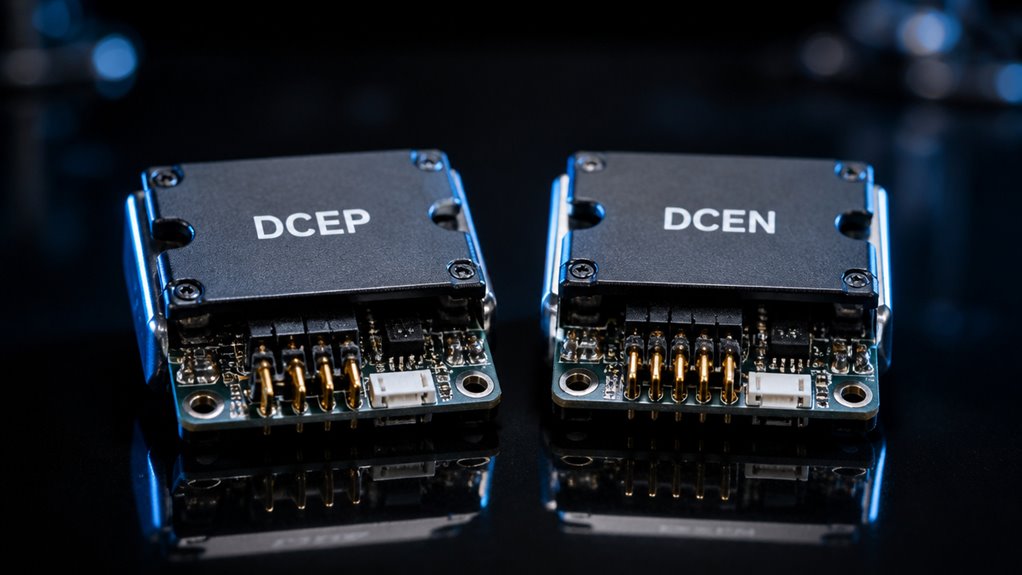
When you choose DCEP (Direct Current Electrode Positive), about 70% of the heat focuses on the electrode. This results in deeper penetration and stronger cleaning, making it ideal for thicker metals and consumable electrodes.
With DCEN (Direct Current Electrode Negative), heat shifts to the workpiece. This reduces burn-through risk on thinner materials and keeps electrodes cooler, especially with TIG welding.
Your polarity choice directly affects weld depth, heat control, and arc stability. This sets the stage for optimized results in various applications. More details can enhance your control over these factors.
| Feature | DCEP (Electrode Positive) | DCEN (Electrode Negative) |
|---|---|---|
| Full Name | Direct Current Electrode Positive | Direct Current Electrode Negative |
| Electrode Connection | Electrode connected to positive terminal | Electrode connected to negative terminal |
| Workpiece Connection | Workpiece connected to negative terminal | Workpiece connected to positive terminal |
| Heat Distribution | Approximately 70% of heat at the electrode, as described in the article | Approximately 70% of heat at the workpiece, as described in the article |
| Penetration Depth | Generally deeper penetration | Generally shallower penetration |
| Cleaning Action | Stronger cleaning action on the work surface | Less aggressive cleaning action |
| Electrode Temperature | Higher electrode heating | Cooler electrode, especially in TIG welding |
| Electrode Lifespan | Can increase electrode wear | Can extend electrode lifespan by reducing heat at the electrode |
| Arc Stability | Stable arc in suitable applications, including solid-wire MIG | Supports stable TIG arcs when correctly configured |
| Heat Control | Useful when deeper penetration is needed | Useful for controlled heat input on thinner materials |
| Burn-Through Risk | Requires care when welding thin materials | Helps reduce burn-through risk on thin materials |
| Best Material Thickness | Generally thicker metals | Generally thinner metals and applications requiring controlled fusion |
| MIG Welding | Standard polarity for solid-wire MIG welding | Generally less suitable for solid-wire MIG according to the article |
| Stick Welding | Commonly used with consumable electrodes | Depends on the electrode and process requirements |
| TIG Welding | Can cause excessive tungsten heating | Generally preferred for TIG welding on steel |
| Flux-Core Welding | Commonly used with gas-shielded flux-core wire | Commonly used with self-shielded flux-core wire |
| Spatter in MIG Welding | Article reports up to 20% less spatter than DCEN | May produce more spatter than DCEP in MIG welding |
| Welding Speed | Deeper penetration, but electrode heating may require additional management | May allow faster travel on thinner materials |
| Main Advantage | Deeper penetration and stronger cleaning action | Controlled welding on thinner materials and reduced electrode heating |
| Main Limitation | Greater electrode heating and potential tungsten overheating in TIG | Shallower penetration may limit fusion in thicker sections |
| Best Applications | Thicker steel and suitable MIG or stick welding applications | TIG welding on steel and thinner-metal applications |

Polarity in welding plays a critical role in determining heat distribution and penetration. Understanding what DCEP and DCEN mean is essential for optimizing your welds.
DCEP, or Direct Current Electrode Positive, connects the electrode to the positive terminal and the workpiece to the negative. This shifts roughly 70% of the heat to the electrode, enhancing penetration and cleaning action, especially with consumable electrodes.
Conversely, DCEN, or Direct Current Electrode Negative, connects the electrode to the negative terminal and the workpiece to the positive. This directs about 70% of heat to the workpiece, resulting in shallower penetration.
DCEN is preferable for thin materials or TIG welding on steel. Knowing these polarity setups helps you control heat input effectively for different welding applications.
DCEP is the standard polarity for solid wire MIG welding because it promotes deeper penetration and a stable arc with minimal spatter through controlled heat distribution.
The way you set up your welding polarity directly affects how heat distributes between the electrode and the workpiece. This, in turn, shapes both penetration depth and surface cleaning.
Welding polarity controls heat distribution, influencing penetration depth and the effectiveness of surface cleaning.
With DCEP, about 70% of the heat concentrates at the electrode tip. This promotes deeper penetration and stronger cleaning action on the work surface. This makes it ideal for thicker metals and consumable electrodes.
Conversely, DCEN directs roughly 70% of heat to the workpiece, resulting in shallower penetration and less aggressive cleaning. This suits thinner materials and applications requiring controlled fusion.
Choosing DCEP enhances electrode heating and cleaning efficiency. Meanwhile, DCEN prioritizes heat at the joint for gentler surface treatment.
Understanding these effects helps you optimize weld quality by balancing penetration needs against surface preparation demands. Additionally, proper polarity selection optimizes arc stability and overall weld quality.
Understanding heat distribution plays a crucial role when choosing between DCEP and DCEN welding setups.
With DCEP, about 70% of the heat concentrates at the electrode, increasing electrode temperature and promoting deeper penetration. This heat pattern enhances cleaning action but can challenge tungsten cooling in TIG welding.
Conversely, DCEN directs roughly 70% of heat to the workpiece, improving fusion and reducing burn-through risk, especially on thinner materials.
By shifting heat to the base metal, DCEN guarantees controlled weld pools but limits penetration depth.
When you select polarity, you’re balancing heat placement. DCEP favors electrode heating and penetration, while DCEN emphasizes workpiece heating and surface control.
Recognizing these heat distribution differences helps you optimize welding performance without compromising joint quality or electrode life.
DCEN is generally preferred for most TIG welding applications due to its energy-efficient heat distribution and reduced electrode wear.
Select your welding polarity based on the material thickness and application requirements to optimize performance.
For thicker steels where deep penetration is critical, choose DCEP. It concentrates about 70% of heat at the electrode, promoting stronger arc action and cleaner weld surfaces. This makes it ideal for MIG and stick welding with consumable electrodes.
Conversely, for thinner metals or applications requiring precise heat control to avoid burn-through, DCEN is preferable. It directs approximately 70% of heat to the workpiece, improving fusion while minimizing electrode overheating.
TIG welding on steel commonly uses DCEN for these reasons. Also, self-shielded flux-core wires benefit from DCEN, while gas-shielded flux-core often employs DCEP.
Aligning polarity with material thickness and welding type guarantees optimized penetration, heat distribution, and weld quality. Proper polarity selection influences heat distribution and penetration, which is critical for achieving desired weld characteristics.
When working with DCEP and DCEN, adjust your technique based on how each polarity affects heat distribution and penetration.
Adjust your welding technique according to how DCEP and DCEN influence heat distribution and penetration.
Use DCEP when you need deeper penetration and stronger cleaning action, especially on thicker metals. Expect about 70% of the heat at the electrode, so manage electrode overheating carefully.
For thinner materials or to reduce burn-through, choose DCEN, which directs roughly 70% of the heat to the workpiece. This promotes better fusion with less electrode heat.
In TIG welding, DCEN helps keep tungsten cooler, improving arc stability. Always match polarity to your electrode type and shielding method.
Monitor weld pool behavior closely. Adjust travel speed and amperage to optimize penetration and bead shape according to polarity-induced heat patterns.
Remember that polarity selectable features in DC welding allow you to optimize penetration and electrode performance by choosing between DCEP and DCEN.
Yes, your choice between DCEP and DCEN directly impacts electrode lifespan.
With DCEP, about 70% of heat concentrates at the electrode, causing it to wear faster and reducing its life.
On the other hand, DCEN directs more heat to the workpiece, keeping the electrode cooler and extending its lifespan.
You might be surprised how much polarity influences your welding speed.
Using DCEP, you get deeper penetration but more heat at the electrode. This can slow you down due to electrode wear and cooldown periods.
On the other hand, DCEN directs more heat to the workpiece, often allowing faster travel speeds, especially on thinner materials.
You won’t find major inherent safety differences between DCEP and DCEN, but you should consider heat distribution.
DCEP concentrates heat at the electrode, increasing tungsten overheating risk in TIG welding. This can potentially cause electrode damage or arc instability.
DCEN directs more heat to the workpiece, reducing electrode wear but increasing burn-through risk on thin materials.
Always match polarity with material thickness and electrode type to maintain safe, stable welding conditions.
You’ll notice up to a 20% reduction in spatter when using DCEP polarity in MIG welding compared to DCEN.
Polarity directly affects arc stability and heat distribution, so DCEP’s deeper penetration and stronger arc tend to minimize spatter by promoting smoother metal transfer.
Conversely, DCEN can increase spatter due to less stable arcs.
Selecting polarity based on your material and wire type helps you control spatter levels effectively.
Yes, polarity choice can affect post-weld inspection results.
Using DCEP often produces deeper penetration and stronger cleaning action, which can reduce surface contaminants and porosity. This improves visual and ultrasonic inspections.
DCEN’s shallower penetration may lead to less fusion in thicker sections, impacting radiographic results.
Your choice influences weld quality metrics like fusion, porosity, and surface finish. This directly affects inspection outcomes and compliance with quality standards.
When deciding between DCEP and DCEN, you’re fundamentally choosing how heat and cleaning action are balanced in your weld.
DCEP gently encourages deeper penetration and better slag removal.
DCEN offers a more reserved heat distribution, ideal for delicate materials.
By understanding these subtle nuances, you can tactfully optimize your welding results.
This turns potential challenges into manageable opportunities for precision and strength in every weld you create.