Phone:
(701)814-6992
Physical address:
6296 Donnelly Plaza
Ratkeville, Bahamas.

Phone:
(701)814-6992
Physical address:
6296 Donnelly Plaza
Ratkeville, Bahamas.

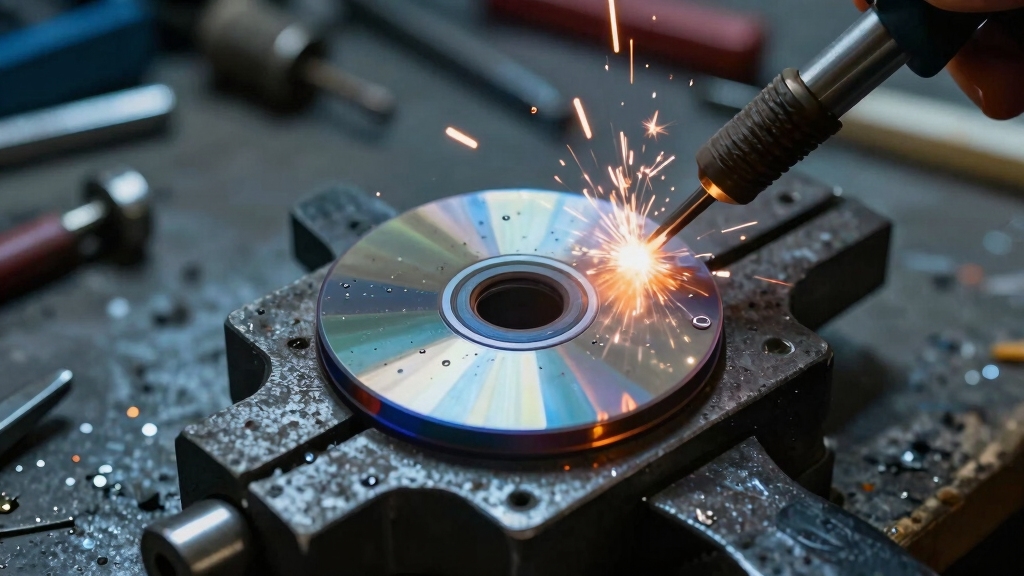
You can weld magnetic metals, but welding a magnet directly isn’t advisable. Intense heat disrupts magnetic properties and risks permanent demagnetization, especially with heat-sensitive types like neodymium.
High temperatures can exceed the Curie point and cause cracking or microstructural damage. Instead, control heat meticulously or use mechanical fastening and low-temperature adhesives to preserve magnetism.
If you want to understand how to protect your magnets during welding and explore safer alternatives, there’s plenty of important detail ahead.
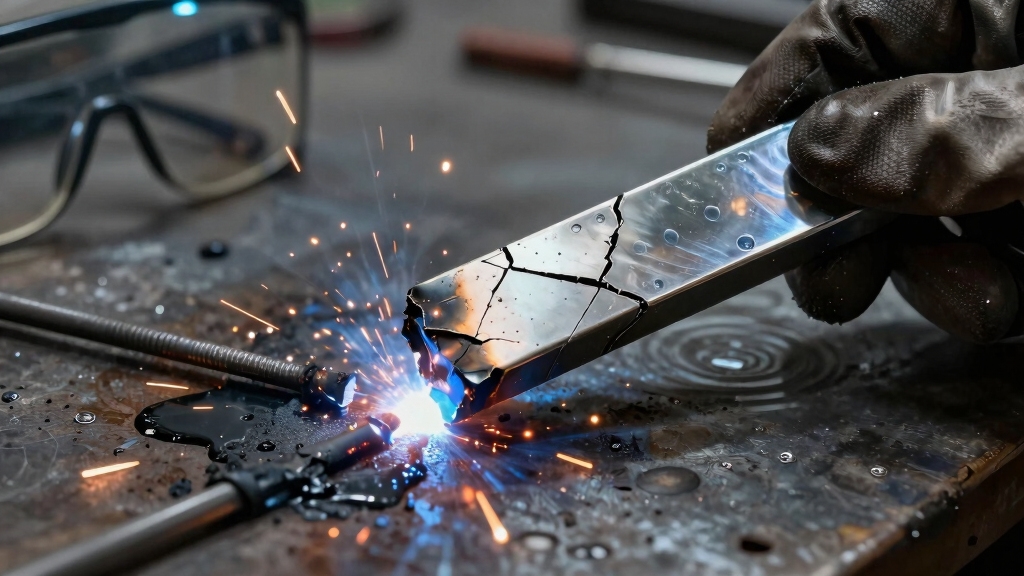
Although welding magnets might seem straightforward, the process often fails due to the intense heat involved, which alters or destroys their magnetic properties.
When you apply heat during welding, the magnetic steel or magnet itself can reach temperatures beyond the Curie point, causing a loss of magnetism.
You must also consider that ferromagnetic metals like iron, cobalt, and nickel demagnetize when exposed to high temperatures.
Additionally, the welding current, especially AC, can disrupt magnetic alignment.
If you don’t control heat input precisely, you risk cracks or incomplete fusion, weakening the joint.
Ensuring compatibility between metal and magnet, choosing appropriate filler materials, and maintaining a clean welding surface are critical.
Otherwise, the magnetic and structural integrity will degrade, making welding magnets an inherently risky operation.
Moreover, exposure to oxygen during welding can cause oxidation and contamination, further compromising weld quality and magnet performance.
You really can’t weld neodymium magnets directly. Why? Well, their heat sensitivity is a big issue. When you apply heat, it can cause irreversible damage and even demagnetization. Not fun, right?
Plus, welding exposes the alloy to corrosion risks, mainly because of its iron-boron composition.
To make matters worse, welding processes can generate hazardous metal fumes that require proper ventilation and respiratory protection.
Since neodymium magnets comprise a brittle alloy of neodymium, iron, and boron, their exposure to welding temperatures poses significant risks to structural integrity and magnetic properties.
When subjected to heat exceeding their Curie temperature, typically around 310-400°C, these magnets lose magnetization permanently. The alloy’s brittleness also makes it prone to cracking under thermal stress.
You must avoid direct welding because the intense heat rapidly degrades the magnet’s performance and causes microstructural damage. Instead, if attachment is necessary, you should use low-temperature bonding or mechanical fastening methods.
Precise thermal control is critical since even brief exposure to elevated temperatures can irreversibly alter the magnet’s magnetic domains and weaken its mechanical cohesion. This makes conventional welding techniques unsuitable for neodymium magnets.
Additionally, localized thermal stresses can create microcracks that promote structural degradation and compromise the magnet further.
Beyond thermal damage, corrosion presents another significant hurdle when welding neodymium magnets. The neodymium-iron-boron alloy is highly susceptible to oxidation and corrosion, especially when exposed to the high temperatures and reactive environment during welding.
You need to manage these risks carefully to maintain magnet integrity. Key factors worth weighing include:
Proper cleaning and drying before and after welding are essential to prevent moisture-related corrosion and preserve the metal’s protective zinc coating.
When dealing with neodymium magnets, welding poses severe risks due to their sensitivity to heat and corrosion. This makes alternative attachment methods essential.
You should avoid direct welding because the intense heat exceeds the magnet’s Curie temperature. This can cause irreversible demagnetization and structural damage.
Instead, rely on mechanical fastening techniques like screws or bolts. These provide secure attachment without thermal stress.
Additionally, industrial-grade epoxy adhesives offer strong bonds while preserving magnetic properties, as they cure at low temperatures.
These methods eliminate heat exposure, preventing cracks and corrosion common in welded joints.
By selecting appropriate adhesives or fasteners, you maintain the magnet’s integrity and performance.
Ultimately, alternative attachment methods guarantee safe, durable integration of neodymium magnets. Welding would compromise functionality and longevity.
Moreover, welding with gases like 75/25 argon-CO2 can promote oxidation and degrade corrosion resistance, further risking magnet damage.
Although magnetic steel and ceramic magnets withstand heat differently, both experience significant changes in their magnetic properties when exposed to welding temperatures.
When you apply intense heat, magnetic steel can lose its ferromagnetic characteristics as it approaches the Curie temperature, causing demagnetization.
Ceramic magnets, while more heat-resistant, are vulnerable to cracking and magnetic degradation if heat exposure is prolonged or excessive. Consider these points:
Understanding these thermal effects is vital before attempting welding. Heat control directly influences the magnet’s functional integrity. Additionally, applying controlled preheat during welding helps reduce residual stresses and prevents damage to magnetic materials.
Before diving into welding magnetic steel, it’s a good idea to take a moment to assess how well the metal and the magnet get along. This step is crucial because you want to avoid any property loss during the process.
Now, when it comes to controlling heat input, you really need to be careful. Exceeding certain critical temperatures can lead to demagnetization or even cracks in the steel, which is definitely not what you want.
And let’s not forget about the filler material! Choosing the right one is super important. It helps maintain joint integrity and keeps those pesky weld defects at bay.
Using backing bars or heat sinks can help absorb excess heat, minimizing the risk of damage to magnetic properties during welding.
Properly evaluating both the metal and magnet is crucial to guarantee safe and effective welding of magnetic steel.
You must first identify the steel’s magnetic properties and confirm compatibility with the magnet type. This prevents unwanted demagnetization or structural damage during welding.
Next, assess the magnet’s composition and heat sensitivity; neodymium magnets, for example, can’t tolerate high temperatures without losing magnetic strength.
Finally, verify the metal surface is clean and free from contaminants to assure proper fusion and minimize cracking risks.
This analytical approach guarantees you maintain functional integrity and weld quality while minimizing heat-related damage. Additionally, using corrosion-resistant materials can help extend the durability of non-welded repairs and avoid premature failure in related metal work.
Controlling heat input during welding is critical to preserving the magnetic properties and structural integrity of magnetic steel. Excessive heat can demagnetize the metal and cause microstructural damage, reducing performance.
To minimize this, you should use short weld passes, maintain appropriate amperage, and allow cooling between passes.
It is also important to use proper personal protective equipment to prevent electric shock hazards when working with welding equipment.
| Parameter | Recommended Range | Impact on Magnetic Steel |
|---|---|---|
| Welding Amperage | Low to moderate (e.g., 80-120A) | Limits heat concentration, preserves magnetism |
| Pass Duration | Short (seconds per pass) | Reduces thermal buildup |
| Cooling Interval | 1-3 minutes | Prevents overheating and cracking |
Managing heat input effectively sets the stage for selecting the right filler material when welding magnetic steel. The filler must match the base metal’s magnetic and mechanical properties to maintain joint integrity and avoid cracks.
You’ll want to contemplate these factors carefully:
Using the proper filler material, combined with controlled heat input, helps you preserve the magnetic characteristics and structural soundness of the weld. This assures peak performance in magnetic steel applications. Additionally, balancing heat input by adjusting amperage and voltage is crucial to avoid defects and maintain weld quality.
Since welding exposes magnets to extreme heat that can degrade their magnetic properties, you should consider low-heat and mechanical alternatives to secure magnets effectively.
Epoxy adhesives, specifically designed for industrial applications, offer strong bonds without exposing magnets to damaging temperatures. These adhesives maintain magnetic integrity by eliminating thermal stress.
Mechanical fastening methods, such as screws or bolts, provide reliable attachment while preventing heat exposure altogether. When choosing mechanical fasteners, guarantee compatibility with the magnet and substrate materials to avoid corrosion or mechanical failure.
Both approaches preserve the magnet’s performance and structural integrity better than welding, which risks demagnetization and cracking. By selecting low-heat bonding or mechanical fastening, you maintain magnet functionality and prolong service life in demanding environments.
When positioning magnets as aids during welding, keeping them away from direct heat sources is essential to preserve their magnetic properties.
You’ll want to use magnets carefully to avoid demagnetization or physical damage. Here’s how to maximize their effectiveness:
Preserving magnetic properties during welding and assembly requires controlling heat exposure and selecting appropriate techniques. You need to minimize heat input and use low-temperature bonding.
Avoid direct welding on sensitive magnets like neodymium. Mechanical fastening and specialized adhesives help retain magnetism by preventing thermal degradation.
Proper cooling rates and clean weld areas further protect magnetic structures.
| Technique | Benefit |
|---|---|
| Low-heat bonding | Prevents exceeding Curie temp |
| Mechanical fastening | Avoids thermal demagnetization |
| Controlled cooling | Reduces cracks and stresses |
You’ll find ceramic and Alnico magnets best for industrial welding since they tolerate heat better than neodymium magnets. They resist demagnetization more effectively but still need low-heat welding methods to prevent damage.
Avoid direct welding on neodymium magnets due to their low Curie temperature and corrosion risk. For secure attachments, mechanical fastening or specialized adhesives often outperform welding, preserving magnet integrity and ensuring reliable industrial application performance.
Welding fumes can absolutely obliterate magnet coatings if you’re not careful.
These fumes contain corrosive particles that aggressively degrade protective layers, drastically shortening your magnet’s lifespan.
You’ve got to control fume exposure and maintain ventilation to prevent coating breakdown.
Even minor damage invites oxidation, weakening magnetic performance over time.
Use proper shielding and clean surfaces post-welding to preserve longevity and ensure your magnets keep functioning reliably in demanding environments.
You can’t fully restore magnet strength after welding damage because heat exposure often exceeds the Curie temperature, irreversibly demagnetizing the material.
While you might re-magnetize ferromagnetic metals using specialized equipment, the original magnetic properties and alignment often degrade.
For neodymium magnets, damage is permanent.
To minimize loss, avoid direct welding and use low-heat bonding or mechanical fastening instead.
Restoration efforts rarely return magnets to their initial strength.
Welding magnetic materials isn’t a walk in the park, but you can find specialized machines tailored for this task.
These systems control heat input precisely to avoid altering magnetic properties and use AC or pulsed currents to minimize magnetism loss.
You’ll also find equipment with advanced cooling mechanisms to prevent cracks and incomplete fusion.
Using these machines, you can weld magnetic steel effectively, ensuring structural integrity and preserving magnetic function.
You should wear insulated gloves and maintain a safe distance from strong magnetic fields to avoid electric shock.
Use non-magnetic tools and keep electronic devices shielded to prevent interference.
Assure proper grounding of welding equipment to minimize stray currents.
Limit exposure time and work in well-ventilated areas to reduce health risks.
Always follow established protocols for magnetic field safety and use personal protective equipment designed for electromagnetic environments.
You might think welding a magnet is straightforward, but beware: the intense heat can irreversibly damage its magnetic properties.
Neodymium magnets, in particular, are highly sensitive, often losing strength or becoming brittle. Even magnetic steel and ceramics face challenges under heat.
However, by using low-heat alternatives or mechanical methods, you can preserve magnetism.
The key question remains: will you risk welding and lose magnetism, or choose safer, smarter techniques? Choose wisely.