Phone:
(701)814-6992
Physical address:
6296 Donnelly Plaza
Ratkeville, Bahamas.

Phone:
(701)814-6992
Physical address:
6296 Donnelly Plaza
Ratkeville, Bahamas.

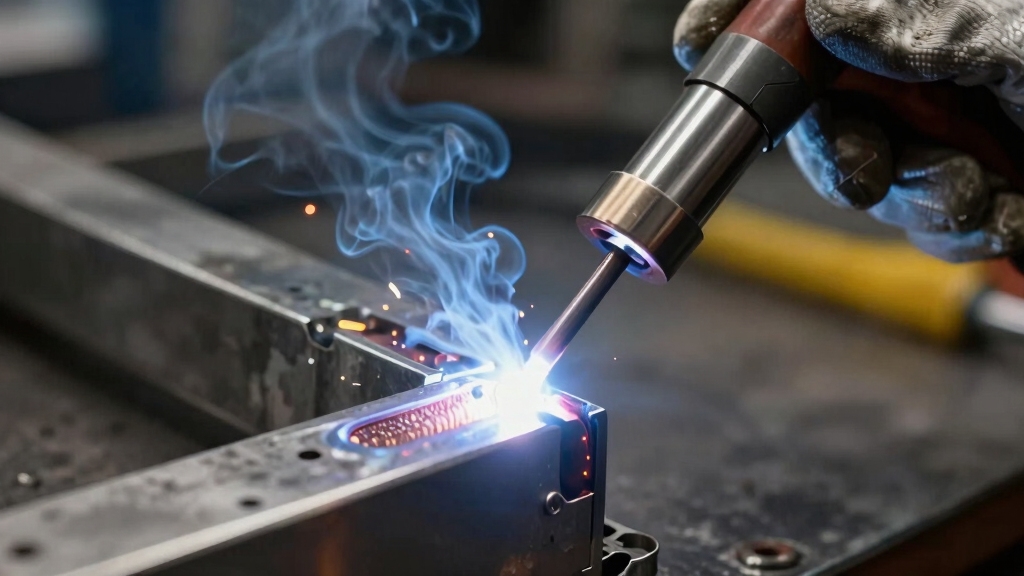
You shouldn’t use oxygen as a shielding gas in TIG welding because it reacts aggressively with molten metals. This reaction causes contamination, porosity, and embrittlement that weaken the weld.
Oxygen also damages tungsten electrodes, reducing arc stability and electrode life. In reactive metals like titanium, oxygen exposure can cause violent combustion and severe defects.
Instead, inert gases like ultra-high-purity argon provide a stable, protective environment essential for quality welding. Understanding these effects clarifies why industry standards demand stringent shielding gas purity.
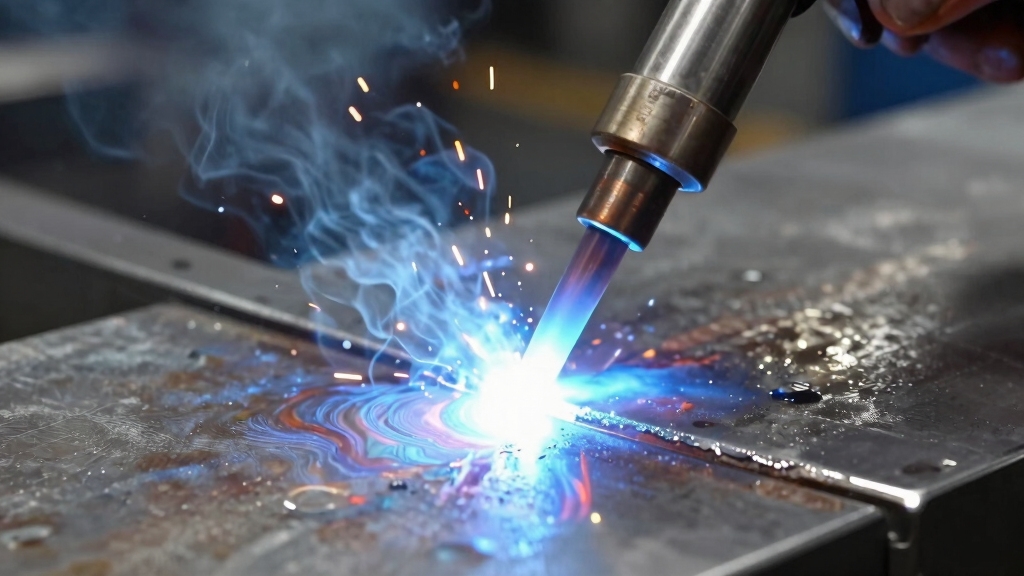
Although oxygen is essential for life, it poses significant challenges in TIG welding because it actively reacts with molten metals.
You’ll find oxygen classified as a reactive gas, which oxidizes the weld pool. This leads to contamination and weld degradation.
When oxygen contacts molten titanium, it can react violently, increasing combustion risk.
This chemical interaction compromises the weld’s structural integrity and quality by introducing oxides and inclusions.
Additionally, oxygen attacks the tungsten electrode, accelerating wear and reducing its lifespan. This negatively impacts weld stability.
Due to these reactive properties, oxygen can’t serve as a shielding gas in TIG welding.
Instead, you must use inert gases that prevent oxidation and protect the weld pool from atmospheric contamination. This ensures consistent weld quality and durability.
Using an inert shielding gas also stabilizes the arc and guarantees precise heat control during welding, further improving weld quality and consistency. arc stability
Understanding why oxygen causes problems in TIG welding requires analyzing its chemical behavior with molten metals. When oxygen contacts the weld pool, it reacts chemically, forming oxides that degrade weld strength and quality.
Oxygen contamination leads to porosity, embrittlement, and compromised structural integrity. Additionally, oxygen attacks the tungsten electrode, reducing its lifespan and causing arc instability. This reactivity contradicts TIG welding’s need for inert shielding gases to maintain weld purity. Using oxygen introduces unwanted heat distribution effects that can alter weld penetration and bead quality, differing significantly from recommended shielding gas practices.
| Effect on Weld Metal | Result |
|---|---|
| Oxidation | Weakens weld structure |
| Porosity Formation | Creates voids |
| Embrittlement | Reduces ductility |
| Electrode Degradation | Shortens electrode life |
| Arc Instability | Impairs weld consistency |
You must avoid oxygen exposure to preserve optimal weld performance.
When you introduce oxygen into the TIG welding process for titanium or other reactive metals, you risk severe chemical reactions that compromise weld integrity. Oxygen’s high reactivity causes oxidation, resulting in weld contamination and structural weakness.
Specifically, you face these critical risks:
These reactions disrupt the weld pool’s chemistry, causing defects that are unacceptable in high-precision applications. Therefore, controlling oxygen exposure is essential to maintain metallurgical soundness and optimize weld quality in titanium and similarly reactive metals. Maintaining proper shielding gas coverage is crucial to prevent oxygen contamination during the welding process.
Inert gases like argon play a vital role in TIG welding by providing a chemically stable environment that shields the molten weld pool from atmospheric contamination.
You rely on argon’s non-reactive nature to prevent oxidation, porosity, and embrittlement, which reactive gases like oxygen would induce.
Argon guarantees weld integrity by maintaining a protective barrier that stops nitrogen and oxygen from interacting with molten metal.
This stability preserves mechanical properties and structural soundness.
You also benefit from argon’s compatibility with a wide range of metals, including titanium, stainless steel, and aluminum.
Its purity standards, typically 99.995%, guarantee minimal contamination.
Using argon optimizes weld quality, electrode life, and overall process consistency, making it the unequivocal choice for effective TIG welding.
Its heavier-than-air density helps maintain a stable plasma environment and shields against air currents, enhancing weld quality.
When oxygen gets into the weld pool, it doesn’t just sit there; it reacts with the molten metal in a pretty aggressive way. This reaction leads to oxidation, which can really weaken the weld’s structural integrity.
You might see issues like increased porosity and embrittlement pop up, which can compromise mechanical properties and even lower corrosion resistance. Because oxygen is a reactive gas, its percentage must be carefully controlled during welding to enhance arc stability without causing adverse effects.
Oxygen contamination severely compromises the integrity of the weld pool by promoting oxidation and introducing defects.
When oxygen interacts with molten metal, it initiates chemical reactions that degrade weld quality and structural performance.
You’ll notice:
These effects result from oxygen’s high reactivity, which disrupts the molten metal’s chemistry and morphology.
Even minimal oxygen presence alters metallurgical properties, increasing susceptibility to cracking and corrosion.
You must control oxygen levels meticulously to maintain weld integrity, as its impact directly challenges the precision and reliability essential in TIG welding processes.
Proper ventilation and respiratory protection are critical to safeguard welders from harmful fumes generated during welding operations.
The presence of reactive gases like oxygen in the weld environment directly undermines the weld pool’s chemical stability and mechanical integrity.
When oxygen contaminates the weld pool, it oxidizes the molten metal, leading to porosity, embrittlement, and compromised strength.
You’ll notice discoloration and weakened fusion zones as oxygen disrupts the weld’s microstructure.
This contamination reduces corrosion resistance and can cause weld failure under stress.
| Contamination Effect | Result |
|---|---|
| Oxidation | Porosity and weld defects |
| Mechanical Degradation | Reduced tensile strength |
| Microstructural Change | Embrittlement and cracking |
To maintain high-quality TIG welds, you must control oxygen levels meticulously.
Ensure shielding gas purity and proper flow rates to prevent these detrimental effects.
Reactive gases like oxygen or carbon dioxide disrupt arc stability and promote oxidation in TIG welding, necessitating the use of 100% inert argon for optimal weld quality.
When it comes to TIG welding, using the right shielding gases is crucial. You really want to stick to purity levels that meet strict industry standards. This helps prevent any contamination in your welds, ensuring you get consistent quality every time.
For TIG welding, argon is typically the go-to choice. It’s important that the oxygen content is kept below 20 ppm. This low level of oxygen helps maintain the gas’s chemical inertness, which is essential for protecting the weld pool.
Using ultra-high-purity argon with minimal oxygen is especially critical when welding reactive metals like titanium.
Maintaining shielding gas purity plays a critical role in guaranteeing weld integrity and performance during TIG welding. Impurities, especially oxygen and moisture, can induce oxidation, porosity, and embrittlement in the weld pool, compromising mechanical properties. To uphold industry standards, you must adhere to strict purity levels.
Consider these key factors for shielding gas purity:
Additionally, it is essential to use a reliable flowmeter and check hoses to prevent leaks and maintain effective shielding during welding.
Although selecting the appropriate shielding gas is critical, adhering to strict industry standards for gas purity guarantees consistent weld quality and performance.
You must use gases with oxygen levels below 20 ppm to prevent oxidation and weld defects. Pure argon at 99.995% purity is standard for TIG welding, ensuring minimal contamination.
Flow meters regulate gas delivery, maintaining laminar flow and consistent shielding.
Maintaining the correct shielding gas flow rate is essential to protect the weld pool from atmospheric contamination and achieve defect-free welds.
| Parameter | Standard Requirement |
|---|---|
| Argon Purity | ≥ 99.995% |
| Oxygen Content | ≤ 20 ppm |
| Gas Flow Rate | Lowest effective laminar |
Why would anyone consider using oxygen in TIG welding when it’s classified as a reactive gas that compromises weld quality? You might find claims about oxygen’s role in enhancing arc stability or cleaning action. However, in TIG welding, oxygen’s reactivity undermines weld integrity. Here’s why oxygen is generally avoided:
Oxygen’s reactivity in TIG welding compromises weld quality despite claims of improved arc stability or cleaning.
Because TIG welding demands inert gas shielding, typically pure argon or argon-helium mixes, oxygen’s reactive nature makes it unsuitable. You must exclude oxygen to ensure clean, strong welds free of defects and maintain electrode performance.
No, oxygen can’t improve arc stability in TIG welding. Using oxygen introduces reactive elements that oxidize the weld pool and tungsten electrode, degrading weld quality.
Instead, you should rely on inert gases like argon or helium, which provide a stable arc without chemical reactions. Introducing oxygen risks contamination, porosity, and brittleness, ultimately compromising weld integrity.
For reliable arc stability, stick strictly to inert shielding gases in TIG welding.
You’ll find oxygen costs about 30-50% less per cubic meter than argon, making it cheaper upfront.
However, inert gases like argon and helium guarantee weld quality by preventing oxidation and contamination. This reduces rework and scrap costs.
Over time, using inert gases often lowers total expenses due to improved weld integrity and fewer defects.
Oxygen drastically reduces your tungsten electrode’s lifespan by causing rapid oxidation and contamination.
When oxygen contacts the tungsten at high temperatures, it forms tungsten oxides, which weaken and erode the electrode tip.
This degradation leads to unstable arcs, increased electrode consumption, and frequent regrinding.
To maintain electrode durability and weld quality, you must avoid oxygen exposure and use inert gases like argon.
These gases prevent chemical reactions that damage the tungsten.
When handling oxygen in welding, you must avoid leaks to prevent fire hazards.
Keep oxygen away from oil, grease, and flammable materials since contamination can cause violent reactions.
Use proper regulators and check hoses regularly for damage.
Ensure adequate ventilation to prevent oxygen-enriched atmospheres that increase combustion risk.
Always wear protective gear, including gloves and goggles.
Follow strict storage protocols to maintain safety and prevent accidents in your welding environment.
You shouldn’t blend oxygen with argon for TIG welding because oxygen is reactive and risks oxidizing the weld pool. This causes contamination and weld defects.
TIG demands inert shielding gases like pure argon or helium to protect molten metal. Introducing oxygen compromises weld integrity and electrode life.
Specialized TIG applications never include oxygen blends; instead, they rely on controlled inert gas mixtures to maintain weld quality and prevent atmospheric contamination.
You shouldn’t use oxygen in TIG welding because it reacts aggressively with molten metal, causing porosity and weakening the weld.
For example, a titanium aerospace part failed inspection due to oxygen contamination, leading to costly rework.
Instead, stick with inert gases like argon to guarantee weld integrity and meet industry purity standards.
While trace oxygen might sometimes be tolerated, it’s never truly acceptable as a shielding gas in TIG welding if you want reliable, high-quality results.