Phone:
(701)814-6992
Physical address:
6296 Donnelly Plaza
Ratkeville, Bahamas.

Phone:
(701)814-6992
Physical address:
6296 Donnelly Plaza
Ratkeville, Bahamas.

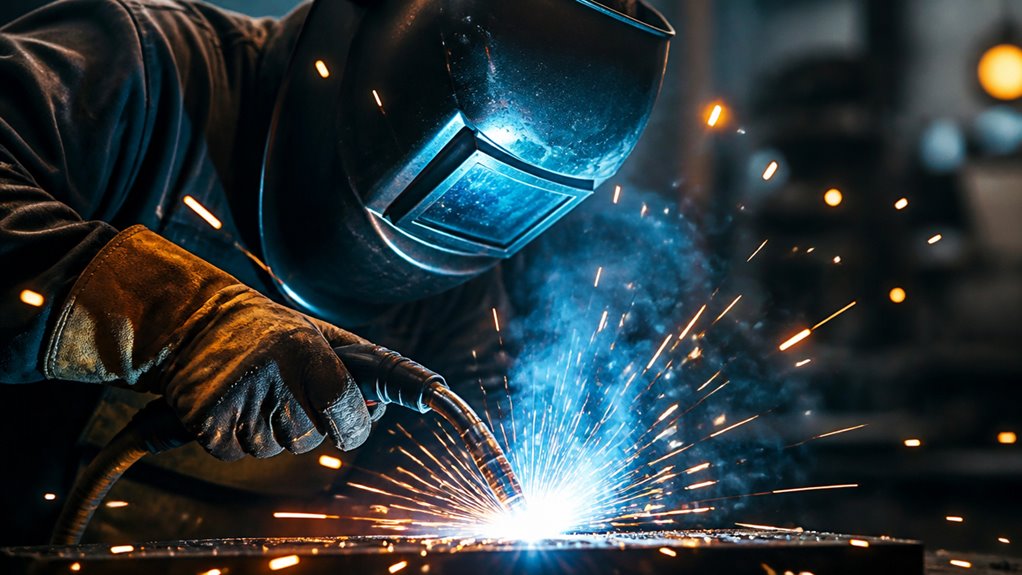
Yes, welding can cause cancer, with a roughly 40% increased lung cancer risk linked to inhaling carcinogenic fumes containing hexavalent chromium, nickel, and other toxic metals.
These substances damage lung tissue, and exposure duration markedly raises your risk. Stainless steel welding and poor ventilation amplify hazards.
Welding also exposes you to UV radiation, increasing ocular melanoma risk. Understanding these risks and the materials involved helps you manage and reduce your overall cancer risk effectively.
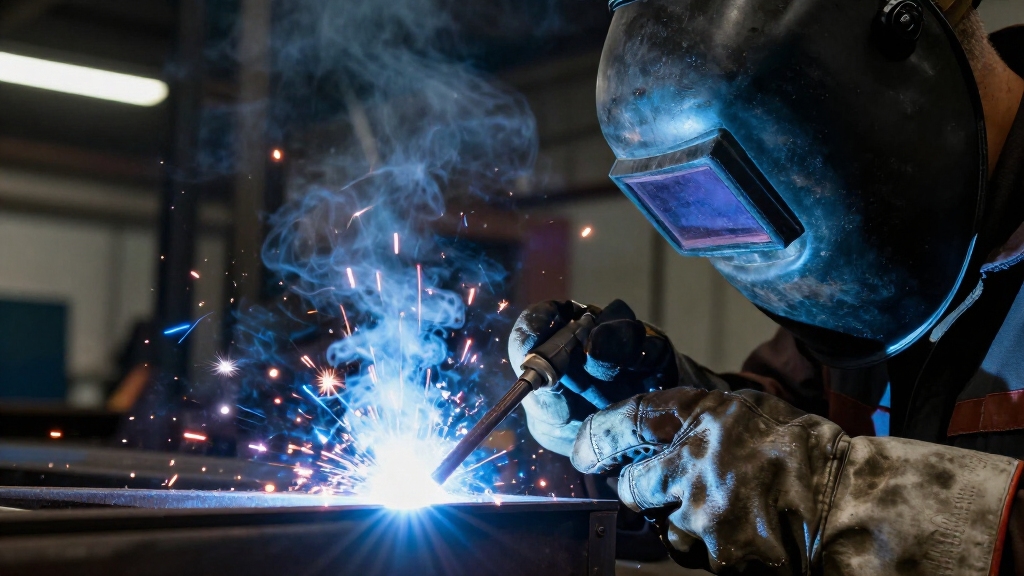
Welding is frequently linked to several types of cancer, with lung cancer showing the strongest and most consistent association due to exposure to carcinogenic welding fumes.
The International Agency for Research on Cancer (IARC) classifies welding fumes as Group 1 carcinogens, emphasizing sufficient evidence of cancer risk in humans.
Besides lung cancer, some studies report positive associations with kidney, urinary bladder, prostate cancers, and mesothelioma.
Additionally, ultraviolet (UV) radiation from welding poses a risk for ocular melanoma, also classified as Group 1 carcinogenic.
Older research, including NIOSH evaluations, suggests possible links to leukemia, stomach, brain, nasal sinus, and pancreas cancers, though evidence is less consistent.
Understanding these specific cancer risks helps you prioritize protective measures in welding environments to reduce your exposure and potential health impacts.
It is also critical to manage exposure to zinc oxide fumes released when welding galvanized steel, as these fumes pose serious respiratory and health risks.
Welding fumes can be pretty concerning when it comes to health. You mightn’t realize it, but you’re inhaling carcinogenic metals like hexavalent chromium and nickel. These substances can directly harm your lung tissue at the cellular level.
Now, it’s important to think about how long you’re exposed to these fumes. The longer you’re in contact with them, the greater your risk of developing cancer. So, cumulative exposure really adds up over time.
Also, keep in mind that the specific welding process and materials you’re using play a big role in what you’re inhaling. Different welding techniques and materials can change the composition and toxicity of the fumes. So, it’s always good to be aware of what you’re working with!
To reduce these risks, using local exhaust ventilation positioned close to the welding arc is critical to capture toxic particles and minimize fume exposure.
Because fumes generated during welding often contain carcinogenic metals, understanding their composition is crucial to grasping how welding poses cancer risks.
When you inhale welding fumes, you’re exposed to several hazardous metals linked to cancer development. Key carcinogenic metals found in welding fumes include:
Recognizing these metals’ presence helps you appreciate the biological mechanisms behind welding-related carcinogenesis. It also underscores the importance of exposure control. Effective ventilation and respiratory protection are essential to minimize inhalation of these carcinogenic fumes.
Although exposure to welding fumes poses inherent risks, the duration of that exposure plays a critical role in determining your likelihood of developing cancer. Studies show that longer cumulative exposure to carcinogenic metals like hexavalent chromium and nickel markedly increases lung cancer risk.
Even relatively low-level exposure over years can elevate this risk. This emphasizes the importance of minimizing how long you inhale fumes.
Proper use of local exhaust ventilation can significantly reduce the concentration of harmful fumes in the breathing zone, thereby lowering exposure duration and risk.
| Exposure Duration | Cumulative Risk | Cancer Type Risked |
|---|---|---|
| <5 years | Low | Minimal lung cancer risk |
| 5-10 years | Moderate | Increased lung cancer risk |
| 10-20 years | High | Elevated lung and kidney |
| 20-30 years | Very High | Lung, kidney, bladder |
| >30 years | Extreme | Multiple organ cancers |
Limiting exposure duration is critical to reducing your carcinogenic risk from welding fumes.
Reducing how long you’re exposed to welding fumes lowers cancer risk. Understanding what makes those fumes hazardous is equally important.
Welding fumes contain carcinogenic metals and compounds, which directly contribute to cancer development.
Key factors in welding process hazards include:
You know, if you’re a welder, it’s important to be aware that your risk for lung cancer is significantly higher. This is mainly because of the welding fumes you breathe in, which the International Agency for Research on Cancer (IARC) has classified as carcinogenic. These fumes contain harmful metals like hexavalent chromium and nickel.
Research has shown that the longer you’re exposed to these fumes, especially in poorly ventilated areas, the greater your risk becomes. That’s why it’s crucial to have effective respiratory protection and local exhaust systems in place.
Understanding all these factors is key. By taking the right precautions, you can really help reduce your risk of developing lung cancer. It’s all about being proactive and protecting your health! Regular medical surveillance is recommended to monitor lung function and detect early signs of occupational diseases.
When you examine the extensive research on welding-related health risks, lung cancer consistently emerges as the most significant concern for welders.
Welding fumes are classified as Group 1 carcinogens by IARC, confirming sufficient evidence linking them to cancer in humans.
Studies show a 40% increased lung cancer risk among welders, regardless of welding method or exposure levels.
This risk is attributed mainly to inhalation of carcinogenic metals such as hexavalent chromium and nickel in fumes.
Key evidence includes:
Inadequate ventilation during welding can increase exposure to these harmful fumes and compounds, significantly raising respiratory hazards for workers.
This evidence firmly establishes welding as a significant lung cancer risk.
Because welding fumes contain a complex mixture of carcinogenic substances, understanding the specific risk factors is essential to explain why lung cancer predominates among welders.
The fumes often include hexavalent chromium and nickel compounds, both classified as Group 1 carcinogens by IARC. They also contain arsenic, beryllium, and cadmium, which elevate carcinogenic potential.
Studies consistently report a roughly 40% increased lung cancer risk linked to cumulative exposure duration and welding process variations.
Stainless steel welding, which produces chromium and nickel-rich fumes, poses a heightened risk.
Poor ventilation and the absence of respiratory protection amplify inhalation exposure, increasing lung tissue contact with these carcinogens.
Even low lifetime exposures have shown elevated lung cancer incidence.
This evidence underscores that the chemical composition of welding fumes and exposure intensity primarily drive the lung cancer risk welders face.
Additionally, improper shielding gas usage during welding can lead to increased fume generation and weld defects, further elevating exposure to hazardous substances through contaminated weld fumes.
The strong link between welding fumes and lung cancer demands rigorous protective measures to reduce exposure and protect welders’ health. You must prioritize engineering controls, like local exhaust ventilation, to capture harmful fumes at the source.
Respiratory protection is essential when ventilation isn’t sufficient. Using lower-toxicity materials can minimize carcinogenic metal exposure in fumes. Additionally, controlling ultraviolet radiation exposure with proper shielding prevents ocular melanoma and skin injury.
Implement these key steps to reduce risk:
Following these evidence-based practices helps you mitigate lung cancer risk effectively. Proper fume control including air monitoring and personal protective equipment is critical to minimizing health hazards.
Although all welding generates fumes that carry some cancer risk, certain materials and processes expose you to higher concentrations of carcinogens.
Stainless steel welding is particularly hazardous because it releases hexavalent chromium and nickel compounds, both classified as Group 1 carcinogens by IARC.
Shielded metal arc welding (SMAW) and flux-cored arc welding (FCAW) often produce higher fume levels containing these metals.
Gas metal arc welding (GMAW) can also generate carcinogenic fumes depending on the filler and base metals used.
Welding processes involving coated electrodes or materials with arsenic, beryllium, or cadmium increase your carcinogen exposure.
Additionally, the ultraviolet radiation emitted during welding is a confirmed carcinogen, adding to your risk.
Choosing materials carefully and controlling processes can help mitigate exposure to the most carcinogenic welding fumes.
Proper use of protective gear is essential to reduce harmful radiation and fume exposure during welding.
Understanding how exposure duration influences welding cancer risk is essential for managing workplace safety effectively. The risk of developing cancer from welding fumes increases with prolonged exposure due to cumulative inhalation of carcinogens like hexavalent chromium and nickel compounds.
Studies consistently show:
This evidence underscores that minimizing total exposure time to welding fumes is imperative. You should recognize that cancer risk isn’t solely about intensity but also about how long you’re exposed.
This reinforces the need to monitor and manage exposure duration carefully in welding operations.
Minimizing your exposure to carcinogenic welding fumes and ultraviolet radiation requires targeted safety measures.
Use local exhaust ventilation systems to capture fumes at the source, significantly reducing inhalation of hazardous metals like hexavalent chromium and nickel.
Local exhaust ventilation captures fumes at the source, greatly reducing inhalation of hazardous metals.
When ventilation isn’t sufficient, wear properly fitted respiratory protection certified for welding fumes to lower airborne carcinogen intake.
Substitute materials with lower toxic metal content whenever possible, particularly avoiding stainless steel welding that emits higher levels of carcinogens.
Adhere strictly to workplace exposure limits and safety protocols established by regulatory bodies to maintain safe environments.
Regularly inspect and maintain ventilation and protective equipment to make certain optimal function.
These evidence-based controls effectively reduce your cumulative carcinogen exposure, mitigating the increased lung and other cancer risks linked to welding activities.
When you weld, the ultraviolet (UV) radiation emitted poses a significant carcinogenic risk to your eyes. The International Agency for Research on Cancer (IARC) classifies it as a Group 1 carcinogen. Prolonged exposure to welding UV radiation can increase your risk of ocular melanoma, a malignant tumor of the eye.
Key risk factors include:
Implementing effective UV shielding and minimizing direct eye exposure are critical to reducing your risk of UV-induced eye cancers associated with welding.
Yes, genetic factors can influence your cancer risk from welding. Variations in genes responsible for detoxifying carcinogens, repairing DNA damage, and regulating cell growth may affect how your body handles welding fumes and UV exposure.
For example, polymorphisms in genes like GST and DNA repair enzymes can modulate susceptibility to lung cancer.
While evidence is still evolving, understanding your genetic profile could help assess your individual risk and guide protective measures during welding.
Imagine sparks flying and fumes swirling invisibly around you.
Cancer can develop decades after your welding exposure ends, reflecting the long latency period typical for occupational cancers.
Studies show lung cancer risk can appear 20-30 years post-exposure, depending on duration and intensity.
Even low cumulative exposure raises risk over time.
This delayed onset underscores the importance of early prevention and consistent protective measures throughout your welding career.
Yes, welding cancer risks can indirectly affect your family members through take-home exposure.
Carcinogenic welding fumes containing metals like chromium and nickel can cling to your clothes, skin, or hair.
If you don’t properly decontaminate or change before returning home, your family might inhale or ingest these residues, increasing their risk of related cancers.
To protect them, use proper hygiene, clean work clothes separately, and limit take-home contamination.
You should watch for persistent cough, shortness of breath, or chest pain, as these may indicate lung issues linked to fume exposure.
Early signs of ocular melanoma include changes in vision or eye discomfort.
Skin irritation or unusual lesions from UV exposure also warrant attention.
Since symptoms can be subtle, regular medical check-ups and lung function tests help detect problems early.
This is especially important with long-term welding fume and UV radiation exposure.
Regulations on welding fume exposure vary globally based on local occupational safety standards.
In the EU, you’ll find strict limits with thorough ventilation and respiratory protection requirements.
The US OSHA sets permissible exposure limits but lacks a unified federal PEL for all welding fumes, relying on specific metals.
Countries like Australia and Canada adopt similar exposure limits with emphasis on engineering controls.
You should always follow the most stringent applicable standards to minimize health risks.
Welding can indeed be a double-edged sword, exposing you to carcinogenic fumes and UV radiation that heighten your risk of lung and eye cancers.
The type of materials you work with, how long you’re exposed, and your safety measures all play vital roles.
By understanding these risks and rigorously using protective gear and ventilation, you can shield yourself from harmful effects.
Stay vigilant; your health depends on the precautions you take today.