Phone:
(701)814-6992
Physical address:
6296 Donnelly Plaza
Ratkeville, Bahamas.

Phone:
(701)814-6992
Physical address:
6296 Donnelly Plaza
Ratkeville, Bahamas.

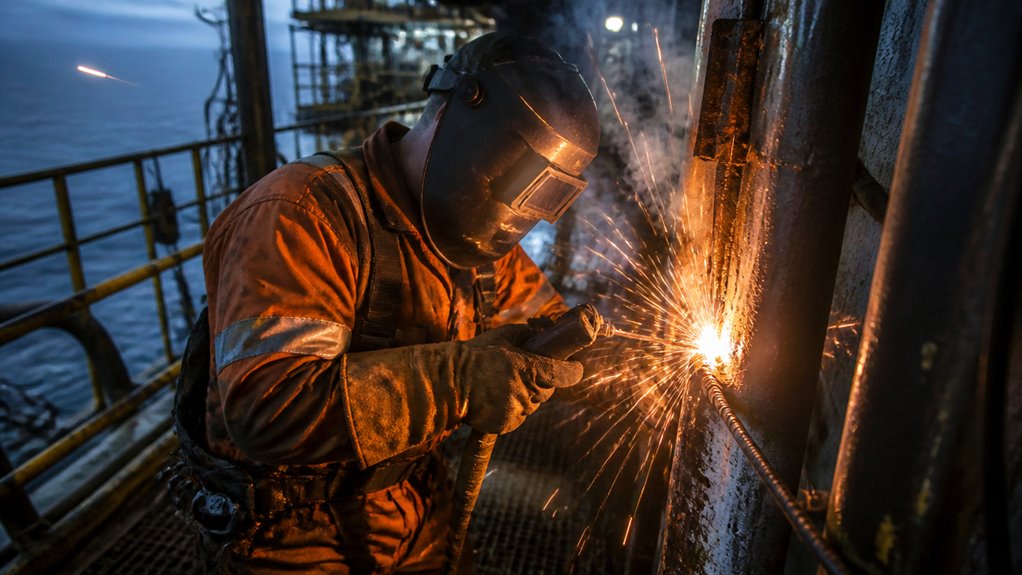
Yes, rig welding is dangerous because you face several hazards at once: arc radiation, toxic fumes, electric shock, fires, and moving or suspended loads.
Sparks and hot metal can ignite hydrocarbons, while fumes can harm your lungs, especially in confined spaces.
Loads may shift or fall, causing crushing injuries. You can reduce risks by following hot-work permits and lift plans, keeping ventilation and exits clear, inspecting equipment, and wearing suitable PPE.
The sections below explain key controls.
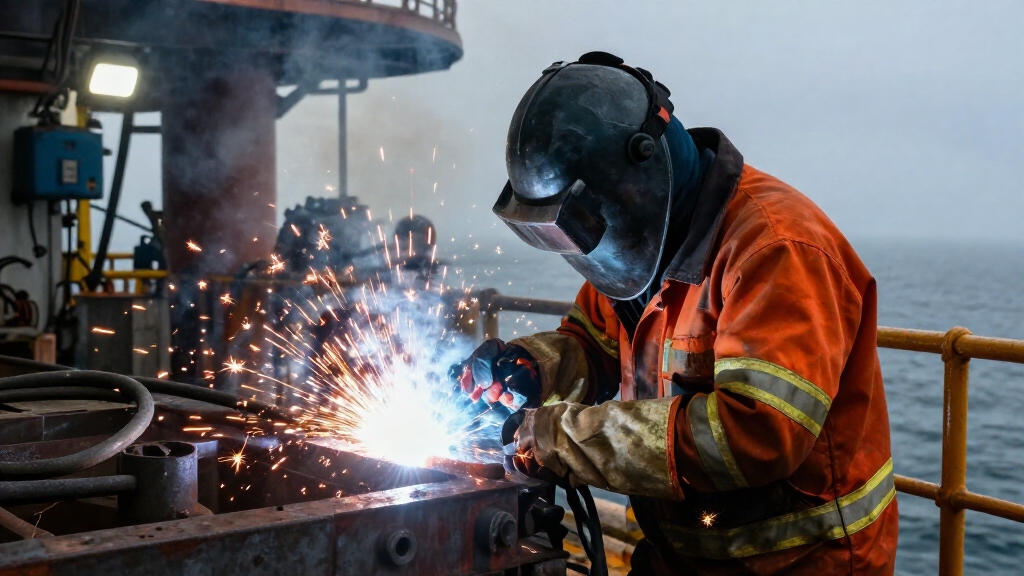
Yes, rig welding is dangerous because it combines welding hazards with oilfield hot-work and rigging risks.
Rig welding combines the hazards of welding, oilfield hot work, and rigging, making every job potentially dangerous.
You can face burns from sparks and hot metal, eye and skin damage from arc radiation, and electric shock, particularly around wet surfaces or damaged cables.
Welding fumes may contain hazardous metals, including manganese and hexavalent chromium. Poor ventilation can increase exposure and harm your lungs. Local exhaust ventilation helps capture harmful fumes near the welding arc.
Cutting, grinding, and welding also create ignition sources. In oilfield settings, flammable atmospheres and nearby combustibles can make a small spark a fire or explosion hazard.
You may also suffer cuts, struck-by injuries, or crushed fingers and toes. Your risk depends on the task, environment, and controls in place.
Treat every job as hazardous, follow site procedures, and use suitable protective equipment and ventilation.
Welding and rigging hazards overlap when hot work takes place near suspended loads, moving equipment, or other crew members. You face both exposure and impact risks, so assess the combined task, not each hazard in isolation.
A shifting load can strike or crush you while you handle a torch or electrode. Sparks, hot metal, and sharp rigging components can cause burns, cuts, or eye injuries.
Metal structures and wet surfaces can increase electric-shock risk around welding equipment. Fumes can accumulate where rigging, equipment, or confined spaces restrict ventilation.
Before work begins, coordinate with the crew, secure loads, establish clear zones, inspect gear, and confirm ventilation. Wear task-appropriate eye, hand, foot, and head protection.
Use local exhaust ventilation to remove hazardous fumes and help maintain safe oxygen levels.
Stop work if conditions change or you can’t maintain separation from suspended loads and moving equipment. Don’t rely on PPE alone.
Rig-welding hot work can start a fire when arcs, flames, sparks, or hot metal ignite nearby combustibles or flammable vapors.
On an oilfield rig, hydrocarbons, fuel, oily residue, and other combustible materials may sit near your work area.
Oilfield work areas may contain hydrocarbons, fuel, oily residue, and other combustibles near hot-work activities.
Sparks can travel beyond the welding point, while heat can ignite materials you can’t see behind barriers or inside equipment.
Flammable vapors can also catch fire or explode if an ignition source reaches them.
Before you weld, cut, or grind, follow the site’s hot-work permit and verify that the area has been assessed for fire and explosion hazards.
Remove or shield combustibles, control ignition sources, and keep required fire-watch and suppression measures in place.
Keep fire extinguishers accessible and suitable for the hazards in the work area.
Don’t resume work until the area is confirmed safe.
When you weld on a rig, you can inhale fumes containing hazardous metals such as manganese and hexavalent chromium, especially in poorly ventilated or confined spaces.
Exposure can irritate your respiratory system, cause metal fume fever, and contribute to long-term lung disease. Welding fumes have also been linked to work-related asthma.
Your risk rises when ventilation fails to capture contaminants at their source or when you work in an enclosed area.
Use local exhaust ventilation to remove fumes near the weld. Make sure mechanical ventilation provides adequate airflow in confined spaces.
Position yourself upwind so airflow carries fumes away from your breathing zone.
Follow exposure monitoring and site-specific hot-work procedures.
Wear a suitable respirator or airline system when ventilation can’t keep exposure within safe limits.
Don’t rely on odor to judge exposure; some hazardous fumes may not have a reliable warning smell.
Welding arcs can really take a toll on your eyes and skin. You mightn’t realize it, but the ultraviolet radiation emitted can lead to something called arc eye. This is basically a painful burn on your cornea, and it often doesn’t show up until hours after you’ve been exposed. Ouch!
But it doesn’t stop there. That same radiation can also burn your skin and put you at a higher risk for long-term skin damage down the road. So, what can you do to stay safe?
It’s super important to wear a properly rated welding helmet, along with safety glasses, gloves, and flame-resistant clothing. Taking these precautions can make a big difference in protecting yourself while you work. Welding curtains can also shield nearby coworkers from harmful reflected ultraviolet radiation. Stay safe out there!
Because welding arcs emit intense ultraviolet (UV) radiation, even brief exposure can injure unprotected eyes and skin. Arc eye, or photokeratitis, is a painful UV burn of the cornea.
Symptoms may appear hours after exposure, so you mightn’t notice injury immediately. Don’t look at an arc, even from a distance; reflected UV can reach you around barriers.
Watch for gritty, painful eyes, tearing, redness, light sensitivity, or blurred vision. Protect yourself with a properly rated welding helmet and safety glasses with side shields.
Use welding screens to shield nearby workers from direct and reflected arc radiation. Seek prompt medical assessment for eye pain or vision changes; don’t rub your eyes or use unprescribed drops.
UV can also burn exposed skin. Cover it with flame-resistant clothing and gloves.
Photokeratitis symptoms often take 6 to 12 hours to appear and typically improve within a few days.
At a rig, check that protection stays in place throughout hot work.
Welding arcs emit ultraviolet (UV) radiation that can burn exposed skin, even during brief work. If you work near an arc, UV can affect skin not directly facing it. Reflected radiation from metal surfaces may also reach you.
An exposure can cause redness, pain, and blistering, much like sunburn. Repeated exposure can contribute to premature skin aging and increase skin cancer risk.
You may not notice a burn immediately, so don’t rely on discomfort as a warning.
Arc UV can also injure your eyes, causing painful irritation known as arc eye. Treat any suspected exposure seriously, especially if you develop eye pain, tearing, or light sensitivity. Photokeratitis symptoms often begin a few hours after exposure and may peak within 6 to 12 hours.
In oilfield settings, nearby workers may face exposure even when they aren’t welding. Keep people clear of active arcs and follow site controls to limit UV exposure.
Protective gear blocks arc radiation before it reaches your eyes or skin. Ultraviolet rays can cause painful flash burns, while repeated exposure can harm skin over time.
You need task-appropriate equipment, correctly fitted and in good condition; damaged lenses or gaps leave you exposed.
Wear a welding helmet with a filter shade suited to the process and current. Keep its lens clean and replace cracked or pitted filters.
Use safety glasses with side shields beneath the helmet. They protect your eyes from sparks when you lift the hood.
Cover exposed skin with flame-resistant clothing, gloves, and a high collar. Fasten closures and avoid rolled sleeves.
Protect nearby workers with welding curtains or screens, and check that they’re rated for arc radiation. Reflected UV radiation can still reach bystanders even when they stand back from the arc.
PPE reduces exposure, but it doesn’t replace safe work practices or required training.
You know, welding can be a bit risky if you’re not careful. One of the most common injuries is burns, which can happen when hot metal or welding sparks hit your exposed skin. Ouch, right?
Then there are cuts. Sharp edges and flying debris are a real hazard during welding and rigging tasks, so you’ve got to keep your eyes peeled.
And let’s not forget about electrical shocks. These can occur due to damaged insulation, wet surfaces, or exposed electrical parts. It’s definitely something to watch out for!
Staying safe while welding is crucial, so always be aware of your surroundings!
When sparks fly and hot metal shifts, burns and cuts can happen in seconds. On a rig, welding arcs, torches, and freshly cut steel can injure your skin.
Sharp edges and grinding debris can slice or puncture it. Nearby combustibles may also ignite, so treat sparks as a fire hazard, not just a burn risk.
Wear flame-resistant clothing, welding gloves, boots, and a properly rated helmet. Cover exposed skin and secure cuffs to keep sparks from entering clothing.
Use screens to shield nearby workers and clear combustible materials before hot work.
Let metal cool, mark hot pieces, and handle sharp edges with suitable tools. Inspect gloves and clothing for damage before each task.
Keep a suitable extinguisher accessible, follow site hot-work procedures, and report burns or cuts promptly. Don’t handle hot stock barehanded.
Choose heavy cotton or flame-resistant treated fabrics, and avoid synthetics that can melt onto skin.
Beyond burns and cuts from hot metal, welding can expose you to electric shock. You complete the circuit when you touch an energized electrode or damaged cable while also contacting grounded metal.
Wet gloves, damp surfaces, and sweaty clothing lower your resistance, making a shock more likely and potentially more severe. Metal rig structures and exposed equipment can increase contact risks. Standing water around your footing or equipment can further increase the risk of electric shock.
Inspect leads, electrode holders, insulation, and connections before each job. Remove damaged equipment from service. Keep your hands, gloves, and work area dry, and use properly rated protective gear.
Burns can also result when hot sparks or metal reach unprotected skin. Sharp edges and tools can cause cuts, while rigging failures may crush fingers or toes.
Follow site procedures, isolate power before repairs, and get trained help when needed.
During rigging, a shifting, slipping, or dropped load can strike workers or pin them against equipment, causing crushing injuries. You’re at risk when a load swings, rigging fails, or workers enter its path.
Shifting, slipping, or dropped loads can strike workers or pin them against equipment, causing crushing injuries.
OSHA identifies struck-by and crushing injuries among rigging hazards. Outcomes can include contusions, lacerations, amputations, and broken bones.
Before lifting, check the load’s weight, balance, attachment points, and rigging condition. Follow the lift plan and stay clear of suspended loads.
Keep out of the load’s travel path and never stand beneath it. Use tag lines where appropriate to control load movement. Maintain clear communication with the operator and signal person.
Stop the lift if the load shifts, equipment fails, or visibility is lost. Your training and task-specific controls help prevent contact, but never rely on PPE to stop a crushing load.
Welding in confined spaces can be pretty risky. You see, the fumes from welding can accumulate quickly in these tight spots, which means you’re exposed to hazardous metals more than you’d be in an open area.
Plus, let’s not forget about escape routes. When things go sideways—like a fire or another emergency—limited exits can really slow you down.
That’s why it’s super important to use effective ventilation and to make sure you have a clear plan for getting out safely before you start working. Better safe than sorry, right?
When ventilation is limited, welding fumes can build up quickly in confined spaces, increasing your exposure to hazardous metals such as manganese and hexavalent chromium.
You may breathe these contaminants before noticing symptoms; exposure can cause respiratory irritation, metal fume fever, and long-term lung disease.
Treat fume control as essential, not optional:
Use local exhaust ventilation to capture fumes near the arc. Add mechanical ventilation when it can safely improve airflow. Check that controls keep exposure within applicable limits.
Wear a suitable respirator or airline system if ventilation can’t provide adequate protection. Follow confined-space procedures and verify controls before welding begins.
Don’t rely on a standard mask or open doorway to protect you; select respiratory protection based on the hazard assessment and required fit testing.
Stop work if ventilation fails or symptoms develop, and alert your supervisor.
Controlling fumes doesn’t remove the danger of limited escape routes: in a confined space, a fire, sudden gas release, or equipment failure can block your exit before you can get out.
Welding adds open flames, sparks, hot metal, electrical equipment, and cables that can obstruct narrow passages.
On a rig, nearby combustibles and flammable atmospheres can turn an ignition into a fast-moving fire or explosion.
You may also face dropped loads or shifting equipment that block access.
Before work begins, identify and keep clear each exit, confirm you can reach it quickly, and coordinate with your attendant and crew.
Follow confined-space entry and hot-work procedures, maintain communication, and stop work if conditions change.
Don’t enter or continue unless rescue arrangements and a safe exit remain available.
Because rig welding can expose you to fumes, fire, and electric shock at the same time, control each hazard before work begins.
Check the site and task conditions, including confined spaces, nearby combustibles, and wet or damaged equipment. Then apply these controls:
Use local exhaust or mechanical ventilation to capture fumes. Monitor conditions where hazardous metals may be present.
Remove combustibles, control ignition sources, and follow hot-work procedures before striking an arc.
Inspect cables, connections, and insulation. Keep equipment dry and isolate power before repairs.
Stop work if ventilation fails, flammables appear, or electrical equipment becomes unsafe. Correct the hazard before restarting.
If ventilation can’t keep exposure within safe limits, use the respiratory controls required by your site’s assessment.
Recheck controls when conditions change. Rig work can shift quickly and introduce new hazards.
Rig welders need task-appropriate PPE and training to protect against arc radiation, burns, fumes, electric shock, and rigging hazards. Choose equipment based on your job’s hazards and site rules.
| Hazard | PPE | Training |
|---|---|---|
| Arc radiation, sparks | Welding helmet, safety glasses, flame-resistant clothing | Helmet use and arc safety |
| Burns, hot metal | Welding gloves, boots, protective clothing | Safe handling and burn response |
| Fumes, gases | Respirator when required; ventilation first | Fume hazards and respirator fit |
| Electric shock | Insulated gloves; dry, intact gear | Equipment checks and shock response |
| Loads, rigging | Hard hat, safety-toe boots, gloves | Rigging, load control, pinch points |
Inspect PPE before each shift and replace damaged items. Training should cover hot-work permits, fire prevention, emergency procedures, and confined-space hazards. It should also include safe coordination with rigging crews.
If ventilation can’t control exposure, follow site requirements for respiratory protection.
To become a rig welder, you’ll typically need welding training, verified skills, and relevant certifications. Requirements vary by employer and job.
You should demonstrate proficiency in processes such as SMAW or FCAW and pass a practical weld test to the required code or procedure.
Employers may also require oilfield experience, rigging and hot-work safety training, medical clearance, and site-specific orientation.
You’ll need appropriate PPE and must follow confined-space and fire-prevention controls.
You can typically expect rig-welder pay to vary widely by location, experience, employer, and schedule.
Many U.S. positions advertise roughly $25–$45 per hour, while specialized, highly experienced welders may earn more.
Overtime, per diem, and remote-site allowances can raise total compensation.
Don’t treat a single figure as guaranteed; compare current local job postings and confirm whether quoted pay includes overtime, travel, lodging, benefits, or contract work.
These factors can substantially change your take-home earnings.
Your schedule can resemble a long oilfield shift: you may work 12-hour days, often for 14 days straight, followed by time off. Each employer and project differs.
You’ll likely work nights, weekends, or overtime when crews need repairs or deadlines tighten. Weather and rig operations can change plans quickly.
Before each shift, confirm your rotation, rest periods, and hot-work procedures. Fatigue can undermine safe welding and rigging.
Rig welding is highly physically demanding: you’ll handle heavy tools and materials, maintain awkward positions, and work around rigging loads. This often occurs on uneven or elevated surfaces.
Lifting, climbing, bending, kneeling, and standing for long periods can strain your back, shoulders, and legs. You’ll also face heat, protective gear, and confined spaces.
Use proper lifting techniques, task-specific training, and suitable PPE. Don’t move suspended loads or exceed your physical limits.
Yes, you can work as a rig welder both offshore and onshore; apparently, steel doesn’t care which side of the shoreline it’s on.
Onshore, you may weld drilling rigs, pipelines, and equipment at land-based sites. Offshore, you’ll work on platforms or vessels, where space, weather, transport, and emergency access add constraints.
In either setting, follow hot-work permits, control ignition sources, manage fumes, and use task-specific PPE and training.
Rig welding is dangerous because hot work, suspended loads, fumes, arcs, and confined spaces can expose you to severe injury. You can reduce risk by planning each lift, isolating energy, controlling fire hazards, and ventilating the work area.
Wearing task-appropriate PPE is essential. Follow site procedures, inspect equipment, and stop work when conditions change. Treat every spark and suspended load as a warning; one overlooked hazard can turn a routine weld into a life-changing event.
Stay alert, communicate clearly, and protect yourself and your crew.