Phone:
(701)814-6992
Physical address:
6296 Donnelly Plaza
Ratkeville, Bahamas.

Phone:
(701)814-6992
Physical address:
6296 Donnelly Plaza
Ratkeville, Bahamas.

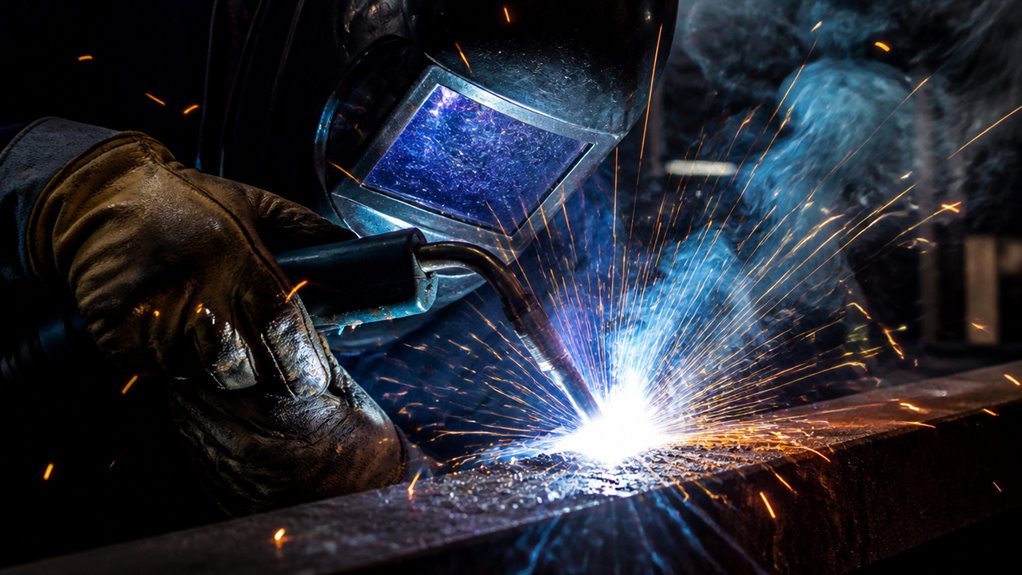
When you arc weld, you face severe risks like extreme heat over 10,000°F causing burns. Intense UV and infrared radiation can damage your eyes and skin. Flying molten spatter can also cause injuries.
Electric shocks from voltages as low as 20 volts pose critical dangers, especially in wet or poorly grounded setups. Breathing welding fumes exposes you to toxic gases and chronic respiratory harm.
Fire and explosion hazards arise from sparks igniting nearby combustibles. Discovering how to mitigate these risks is essential.
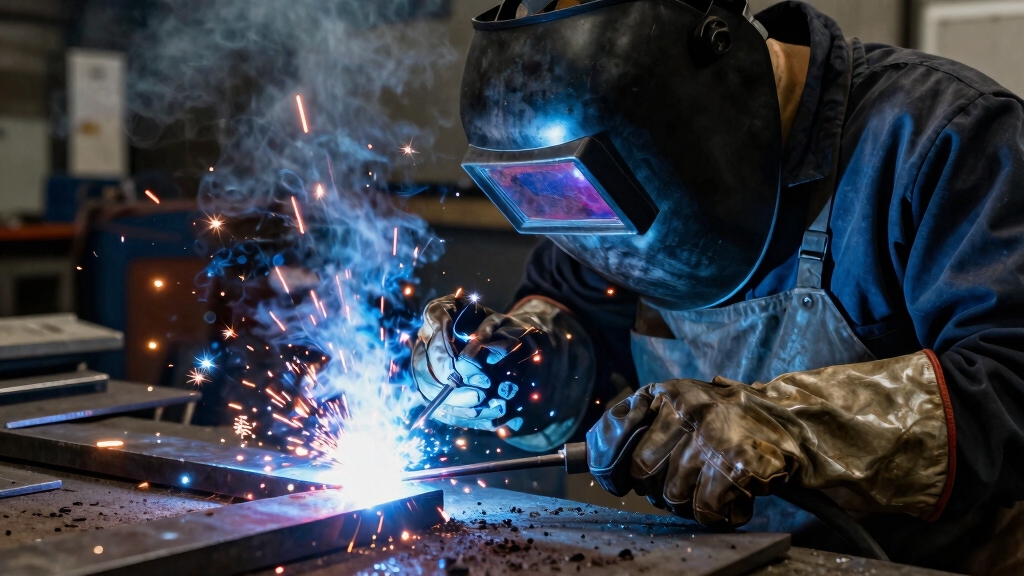
Although arc welding is essential in many industrial applications, you must recognize its significant hazards to maintain safety.
Arc welding is vital but comes with serious hazards that require vigilant safety awareness.
The process exposes you to extreme heat exceeding 10,000°F, intense arc rays emitting ultraviolet and infrared radiation, and flying molten metal spatter.
These factors create risks of severe burns, eye injuries like retinal damage and arc eye, and potential electric shock from voltages as low as 20 volts, which can be fatal.
Additionally, toxic fumes and gases generated during welding pose acute and chronic respiratory hazards, especially in poorly ventilated areas.
Fire and explosion risks arise from sparks igniting flammable materials within a 35-foot radius.
You must analytically assess these hazards and implement rigorously maintained protective measures, including appropriate personal protective equipment, electrical safety protocols, and environmental controls to mitigate injury and fatality risks effectively.
Proper use of ventilation and respiratory protection significantly reduces the health risks associated with inhaling welding fumes.
To prevent burns and heat injuries during arc welding, you must consistently use appropriate personal protective equipment (PPE) designed to withstand extreme temperatures and molten metal spatter.
Wear flame-resistant gloves, jackets, and aprons made from materials like leather or specialized fabrics to shield your skin from temperatures exceeding 10,000°F.
Make sure your clothing fully covers exposed skin to minimize ultraviolet radiation burns. Inspect PPE regularly for damage that could compromise protection.
Maintain a clean workspace to reduce accidental contact with hot surfaces or molten metal. Use welding curtains or barriers to contain spatter within the immediate area.
Additionally, implement proper work positioning and maintain situational awareness to avoid unintended contact with hot materials. These measures collectively reduce the risk of thermal injuries inherent in arc welding operations.
Always avoid wearing synthetic fabrics such as polyester or nylon, as they can melt onto the skin and cause severe burns, making flame-resistant fabrics essential for safety.
You need to understand that intense arc radiation can really harm your eyes. It can lead to serious issues like retinal injuries and corneal flash burns. So, wearing the right filter lenses and welding helmets is crucial. These not only protect your eyes from harmful ultraviolet and infrared rays but also shield your face from flying sparks and debris.
Now, if you decide to skip wearing protective gear, you’re putting yourself at a higher risk. This could mean facing not just acute injuries but also long-term damage to your eyesight. It’s just not worth it! Always prioritize safety and make sure you’re fully equipped before starting any welding work. Consistent use of certified welding helmets significantly reduces the risk of severe eye injuries and potential blindness.
Arc radiation frequently causes severe eye injuries among welders and nearby personnel due to intense ultraviolet (UV), infrared, and visible light emissions generated during arc welding.
You’re at risk of corneal flash burns, commonly called “arc eye,” which result from UV exposure damaging the eye’s surface and causing acute pain and temporary vision impairment.
Infrared and visible radiation can also contribute to retinal damage over time.
Key hazards include:
Understanding these mechanisms highlights the critical need to minimize exposure and monitor symptoms promptly to prevent long-term ocular damage. Maintaining at least 200 centimeters safe distance helps reduce exposure to harmful radiation for bystanders not directly involved in welding.
Protection remains the cornerstone of preventing eye and face injuries from welding radiation and debris. You must wear appropriate personal protective equipment (PPE), including welding helmets with correctly rated filter lenses, to shield your eyes from intense ultraviolet and infrared radiation.
These filters markedly reduce the risk of corneal burns and retinal damage. Additionally, the helmet’s face shield guards against flying arc radiation and incidental debris. Neglecting proper PPE increases your vulnerability to “arc eye” and severe facial injuries.
Make certain helmets fit securely and lenses meet ANSI Z87.1 standards for impact and optical clarity. Maintain your protective gear in good condition; scratches or cracks compromise effectiveness. Always use properly fitted, certified PPE to significantly reduce the risk of burns and eye injuries.
Flying sparks and molten debris from welding operations pose significant threats to eye and facial safety, often causing injuries that range from minor irritations to severe trauma.
When you weld, you face risks from flying particles and intense arc radiation, both of which demand strict protective measures.
Without proper shielding, you risk corneal burns (“arc eye”) and physical injuries from slag or molten metal. To mitigate these hazards, focus on:
Choosing helmets with the correct shade number for your welding process ensures optimal protection against harmful radiation.
Addressing these risks analytically helps you maintain safe practices and avoid costly, painful injuries during arc welding operations.
When you’re arc welding, it’s really important to be aware of the electric shock risks you might encounter. This is especially true if you’re working in wet conditions or if your cables are damaged. So, let’s break it down a bit.
First off, understanding the key factors that can lead to electric shock is crucial. For instance, poor grounding can be a major issue, and letting bare skin come into contact with electrical parts can increase your risk. Keeping these in mind can really make a difference.
Now, let’s talk about prevention. By applying strict safety measures and ensuring your equipment is well-maintained, you can significantly lower your chances of injury or even something more serious. Remember, staying safe is all about being proactive!
Using lockout/tagout procedures during maintenance helps isolate energy sources and prevent accidental energization, reducing shock hazards.
When working with arc welding equipment, recognizing the factors that increase electric shock risk is critical to maintaining safety.
You need to understand that even voltages as low as 20 volts can be dangerous, especially under certain conditions.
Key risk factors include:
Wet or Damp Conditions: Moisture increases electrical conductivity, raising shock likelihood.
Damaged or Improperly Grounded Cables: Faulty insulation or poor grounding allows current leakage.
Direct Bare Skin Contact: Touching live parts without protective barriers intensifies shock severity.
Each factor compromises your insulation and increases current flow through your body.
Being aware of these elements helps you analyze the environment and equipment condition before welding, minimizing shock hazards.
Focusing on these risk factors sharpens your hazard recognition and prepares you for safer welding operations.
Always inspect cables and grounding before use to ensure safe operation and reduce shock risk.
Understanding the factors that elevate electric shock risk sets the foundation for effective prevention strategies in arc welding.
You must make certain all equipment is regularly inspected for damaged cables or insulation breaches, which increase shock likelihood.
Maintain dry conditions around your work area, as moisture and perspiration lower resistance and amplify current flow through your body.
Ground all welding machines properly to provide a safe path for stray currents.
Always wear insulated gloves and protective clothing to minimize direct skin contact with live components.
Avoid touching the electrode or workpiece simultaneously with bare hands or wet gloves.
Implement lockout/tagout procedures during maintenance to prevent accidental energization.
Using a multi process welder with inverter technology can improve current control and reduce the risk of electric shock.
Welding fumes and toxic gases give off complex metal oxide compounds that pose serious health risks. When you inhale these fumes, you risk acute symptoms like eye, nose, and throat irritation, dizziness, and nausea.
Welding fumes release harmful metal oxides causing irritation, dizziness, and nausea upon inhalation.
Prolonged exposure can lead to chronic conditions, including lung and kidney damage, nervous system impairment, and certain cancers. The hazards depend heavily on the metals and coatings involved and your exposure duration.
Without adequate ventilation, oxygen-deficient atmospheres can form, increasing your inhalation risk. Key risks to be aware of include:
Respiratory hazards: Fine particulate matter penetrates deep into your lungs, causing long-term damage.
Toxic gas exposure: Gases like ozone and nitrogen oxides can induce systemic toxicity.
Cumulative effects: Repeated exposure compounds damage to essential organs and increases cancer risk.
Zinc oxide fumes, which appear as whitish-gray smoke, are a common byproduct of welding galvanized steel and pose significant respiratory hazards.
Always make sure proper extraction and respiratory protection to minimize these dangers.
Because arc welding generates intense heat, sparks, and molten spatter, you must exercise strict control over your work environment to prevent fires and explosions.
Sparks and hot metal can travel up to 35 feet, igniting nearby combustibles, including flammable liquids, residual fumes in barrels, and contaminated surfaces.
Welding on concrete floors requires caution, as steam buildup may cause explosive conditions.
You should implement fire-resistant surfaces, spark curtains, and maintain ready access to extinguishing equipment.
Conduct thorough pre-welding inspections to identify and remove combustible materials or ventilate enclosed spaces to disperse flammable vapors.
Always establish a clearly demarcated hazard zone to protect personnel and property.
Vigilant housekeeping and adherence to fire safety protocols minimize ignition sources, reducing the risk of catastrophic fire or explosion during arc welding operations.
Alongside fire and explosion risks, arc welding poses several direct physical hazards that can lead to acute injuries. You must recognize these dangers to apply effective controls and personal protective equipment (PPE).
Burns from intense heat, molten metal spatter, and ultraviolet radiation are prevalent and can cause severe tissue damage. Eye injuries like arc eye occur from exposure to intense UV rays without proper filter lenses.
Intense heat, molten spatter, and UV radiation cause serious burns and eye injuries without proper protection.
Additionally, electric shock presents a critical risk. Even low voltages can be fatal under certain conditions, especially when combined with wet environments or damaged cables.
Severe burns from arc radiation, spatter, and heat exceeding 10,000°F can occur. Eye damage includes retinal injury and corneal flash burns without proper protection.
Electric shock risks are amplified by poor grounding, wet conditions, or compromised equipment. You must implement rigorous safety measures to mitigate these hazards effectively.
Inadequate ventilation markedly elevates the risks associated with arc welding by allowing hazardous fumes and gases to accumulate in the work environment.
When you don’t ensure proper airflow, toxic metal oxide fumes concentrate, increasing inhalation hazards that can cause acute respiratory irritation and long-term organ damage.
Oxygen levels may drop, creating an oxygen-deficient atmosphere that impairs cognitive function and raises the risk of asphyxiation.
Additionally, poor ventilation traps heat and airborne particulates, intensifying thermal stress and exposure to contaminants.
This environment also amplifies the potential for fire and explosion by allowing flammable gases to build up near ignition sources.
To minimize these risks, you must implement effective ventilation systems, such as local exhaust or forced-air circulation, ensuring continuous removal of fumes and maintaining safe oxygen levels throughout the welding area.
You should use PPE made from materials specifically designed to block UV radiation during arc welding.
Welding helmets with filter lenses made from polycarbonate or specially coated glass provide essential UV protection for your eyes and face.
Additionally, wear flame-resistant clothing made from tightly woven cotton or leather to shield your skin.
Gloves and sleeves treated for UV resistance further protect exposed areas.
Always make sure all PPE meets ANSI Z87.1 standards for welding safety.
Welding spatter can travel like sparks from a campfire, realistically reaching distances up to 35 feet in open or cluttered environments.
In confined spaces, spatter may bounce off surfaces, increasing hazard zones unpredictably.
Factors like air currents, worksite layout, and material reflectivity influence this range.
You should always maintain a safe perimeter, use fire-resistant barriers, and wear appropriate PPE to mitigate risks from spatter traveling beyond your immediate workspace.
If someone experiences electric shock from arc welding, you must immediately disconnect the power source to stop current flow.
Avoid touching the victim directly if still energized. Call emergency services promptly.
Check the victim’s airway, breathing, and pulse; begin CPR if necessary.
Treat burns or injuries with sterile dressings without applying ointments.
Keep the victim warm and monitor their condition until professional help arrives.
Report the incident for safety review.
When you weld metals like galvanized steel, stainless steel, and those coated with zinc or cadmium, you produce the most hazardous fumes.
These metals emit complex metal oxide fumes that can cause serious respiratory and systemic effects.
You need to control your exposure carefully by ensuring proper ventilation and using respiratory protection.
Prolonged inhalation can lead to lung damage, nervous system issues, and other health risks.
Always prioritize fume extraction and PPE.
Think of your welding equipment as the heart of your operation. If it falters, everything stops.
You should inspect cables and equipment before every shift to catch wear, damage, or faulty connections. Regular, thorough checks prevent electric shock, fires, and equipment failure.
Additionally, perform detailed inspections monthly or per manufacturer guidelines. Staying vigilant guarantees your gear remains reliable, safe, and compliant.
This protects both you and your workspace from hidden dangers.
Think of arc welding as piloting a powerful storm. Each spark is lightning, each fume a shifting wind. You can’t control the storm, but with proper gear, ventilation, and vigilance, you steer clear of danger.
By respecting burns, electric shocks, toxic gases, and fire risks, you don’t just survive the welding process. You master it. Stay sharp, stay protected, and transform hazards into manageable challenges every time you weld.