Phone:
(701)814-6992
Physical address:
6296 Donnelly Plaza
Ratkeville, Bahamas.

Phone:
(701)814-6992
Physical address:
6296 Donnelly Plaza
Ratkeville, Bahamas.

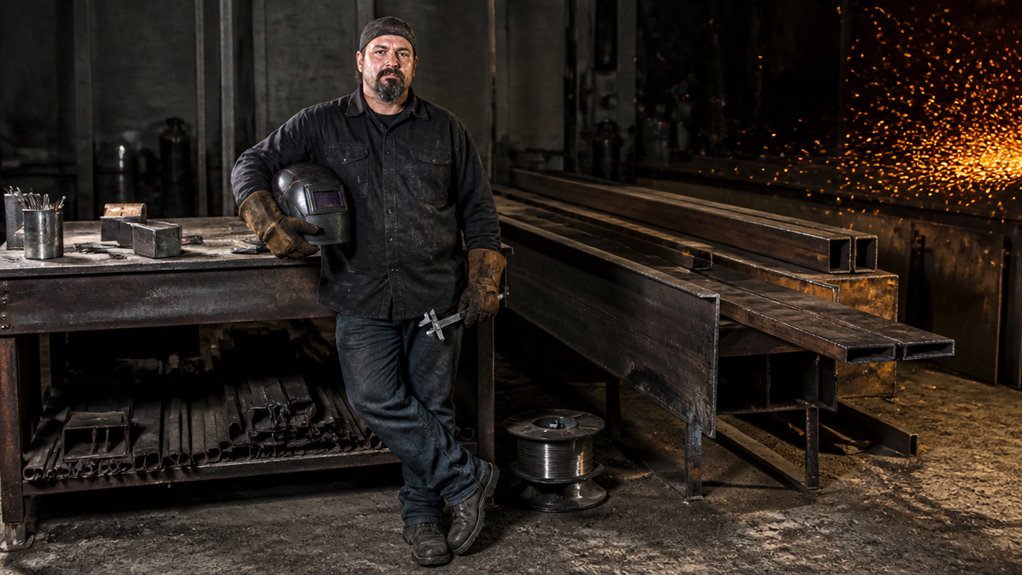
You can expect to make between $32,000 and $69,000 annually as a combo welder, with starting pay near $32,000 and mid-career wages around $47,000.
Skilled welders with certifications and multi-process expertise earn higher, sometimes over $80,000. Your location matters too; states like Massachusetts and Texas offer top salaries, while others pay less.
Experience, skills, and industry greatly influence your earnings. Exploring how these factors intersect will help you maximize your wage potential.
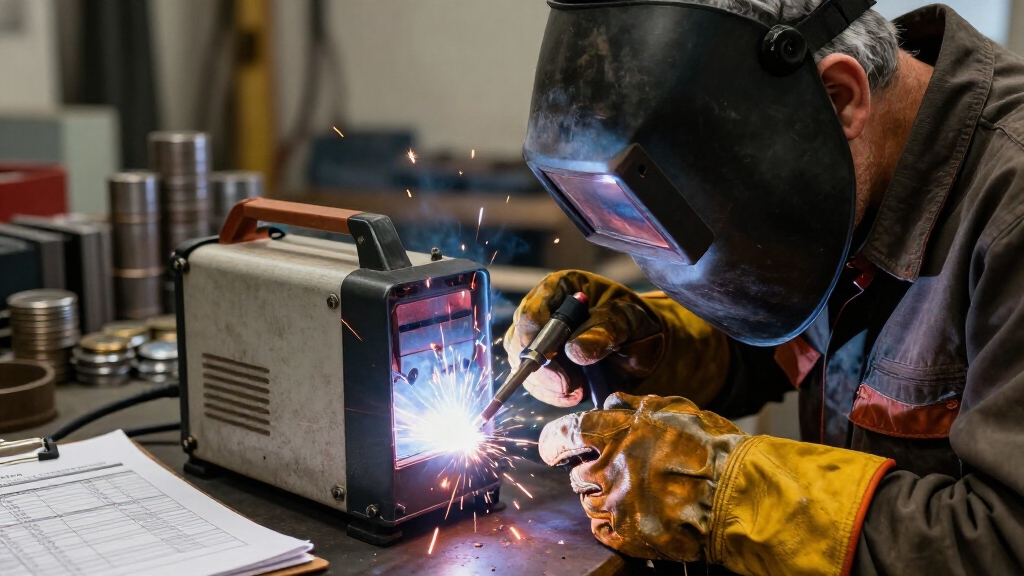
Understanding the average salary and pay range for combo welders helps you gauge your earning potential in this field.
Nationally, the average annual salary sits around $46,985, with an hourly wage near $22.59 to $23.
The typical pay range spans from $34,000 at the 10th percentile up to $64,000 at the 90th percentile, reflecting variation based on specific roles and locations.
Alternative data sources cite slightly higher figures, with some estimates reaching $81,900 annually or about $41.64 hourly for specialized combination welders.
Typical job listings show hourly wages between $20 and $35.
Knowing these figures helps you position yourself realistically in the market and negotiate pay effectively, aligning expectations with prevailing rates across the industry.
Welders with expertise in multi-process welding often command higher salaries due to their versatility across MIG, flux core, stick, and TIG methods.
Starting out as a combo welder, you can expect to earn around $32,000 a year if you have 0 to 2 years of experience. It’s a decent starting point, right?
But as you rack up 3 to 6 years in the field, your salary can bump up to about $47,000, which is closer to the national average.
Now, if you stick with it and gain 7 to 12 years of experience, the numbers can really soar. At this stage, many welders see their earnings jump to nearly $69,000 a year. That’s quite a leap! So, as you gain experience, your pay tends to reflect that growth.
Choosing the right multi-process welder can further enhance your skills and earning potential by allowing you to work on a wider variety of projects.
Entry-level combo welders typically earn around $32,098 annually, reflecting their limited experience of 0 to 2 years in the field.
As you start, expect an hourly wage near $15.43, which grows steadily with skill acquisition and job proficiency. Your earnings depend heavily on mastering welding techniques, certifications, and adhering to safety protocols.
Entry-level wages represent roughly 68% of the national average combo welder salary. Geographic location markedly influences starting pay, with some states offering higher entry wages.
Initial salary growth is tied to practical experience and demonstrated competency in various welding methods.
Understanding these factors helps you set realistic expectations and focus on skill-building to increase your earning potential efficiently.
Gaining proficiency in multi-process welding significantly enhances your value and can accelerate salary advancement.
After gaining initial experience, your pay as a combo welder tends to increase markedly. Typically, with 3 to 6 years under your belt, you can expect to earn around $46,985 annually, aligning with the national mid-career average.
This reflects a substantial jump from entry-level wages, which average about $32,098 annually. The hourly rate also rises correspondingly, from roughly $15.43 per hour to an average near $22.59.
This pay growth results from enhanced skill proficiency, greater efficiency, and the ability to handle more complex welding tasks. Employers value your developed expertise, which justifies the salary increase.
However, your exact earnings will still depend on factors like geographic location and industry sector. Mid-career experience clearly positions you for improved compensation within the typical $34,000 to $64,000 pay range.
Understanding the importance of amperage requirements and proper welding techniques can further enhance your value and earning potential in the field.
As your experience surpasses six years, your earning potential as a combo welder rises substantially, reflecting advanced skills and greater responsibilities on the job.
At the senior level, you can expect to earn approximately $68,614 annually, or about $32.99 per hour. This is nearly double entry-level wages.
This increase rewards your proficiency in complex welding techniques, leadership roles, and troubleshooting expertise.
Key factors influencing senior-level earnings include:
Senior combo welders also ensure compliance with quality control procedures to maintain weld integrity and safety standards.
When determining where to maximize your earnings as a combo welder, state location plays a critical role in salary variations.
Massachusetts leads as the highest-paying state, offering wages well above the national average of $46,985 annually. Wyoming and Delaware also provide lucrative opportunities, often exceeding $60,000 per year.
Conversely, states like Alabama, Montana, and Georgia tend to offer lower salaries, sometimes closer to the $34,000 range. For example, Texas shows a median salary near $61,454, reflecting strong demand and competitive pay.
If you’re aiming to boost your income, targeting high-paying states can materially improve your compensation. Keep in mind that local industry demand, cost of living, and experience level further influence these state-by-state disparities. Additionally, since labor rates typically range from $80 to $150 per hour and comprise about 85% of welding project costs, understanding these rates can help combo welders negotiate better wages.
Although combo welders earn a solid average salary, understanding how their pay compares to related welding roles can help you evaluate career options and negotiate better compensation.
Combo welders typically make around $46,985 annually, but some related roles offer higher or lower pay based on specialization and experience.
Combo pipe welders earn roughly $63,400 per year, reflecting the added complexity of pipe welding.
Specialty combo welders often command hourly rates between $20 and $35.
Advanced combo welder positions, like Combo Welder IV, can reach salaries near $72,770 annually.
Welding is a critical step within fabrication processes that ensures permanent, load-bearing joints and structural integrity in metal assemblies.
Your combo welder salary really depends on where you work. For instance, states like Massachusetts tend to offer some of the highest pay rates, while others mightn’t be as competitive. It’s interesting how location plays such a big role, isn’t it?
Experience levels also have a significant impact on what you can earn. Senior welders often make more than double what someone just starting out would earn. That’s quite a jump, right? It really shows how valuable experience is in this field.
And let’s not forget about education and certifications! Having additional qualifications can definitely boost your pay. It opens doors to specialized roles and advanced projects, which can be quite rewarding both financially and professionally. So, investing in your education can really pay off in the long run.
Many employers also value performance-based certifications that validate your skills and can lead to higher earnings.
Since geographic location substantially influences combo welder salaries, understanding regional pay differences is essential for making informed career decisions. Wages vary widely depending on where you work, directly impacting your earning potential.
Consider these key points:
Massachusetts offers the highest combo welder salaries, followed by Wyoming and Delaware, due to industry demand and cost of living. States like Alabama, Montana, and Georgia typically pay less, reflecting local economic conditions and labor supply.
Texas stands out with a median salary of $61,454, above the national average, highlighting regional industrial growth.
When evaluating job offers or relocation, factor in these geographic variations alongside your personal needs. This approach guarantees you maximize compensation without overlooking cost-of-living disparities or job market dynamics in different regions.
Additionally, understanding the duty cycle of welding equipment can help combo welders optimize their work efficiency and job performance, which may influence earning potential.
When you gain more experience and enhance your education, your combo welder pay typically increases markedly. Entry-level combo welders earn about $32,098 annually, with hourly rates near $15.43.
As you accumulate 3–6 years of experience, expect median salaries around $46,985 annually. Senior-level welders with 7–12 years can command up to $68,614 or higher, depending on certifications and skills.
Your location also strongly affects pay; for example, Massachusetts offers some of the highest wages, while states like Alabama pay less. Advanced technical training, welding certifications, and specialized skills further boost your earning potential.
Employers value hands-on experience combined with education, making these factors critical for salary progression in this trade. Staying updated with industry standards and continuous learning directly impacts your compensation trajectory. Understanding proper spot welder settings and techniques can further enhance your value and job performance.
Although average combo welder salaries hover around $47,000 annually according to some sources, alternative estimates reveal a broader pay spectrum influenced by industry and location.
You’ll notice PayScale reports hourly rates from $19.23 to $36.67, with annual salaries stretching from $40,000 to $79,000. Velvet Jobs even lists a combination welder salary near $81,900 per year, highlighting industry-specific premium pay.
Location also plays a critical role, with Massachusetts and Texas offering materially higher wages than states like Alabama.
Specialty combo welders command $20 to $35 per hour in niche sectors. SpaceX reports combo welder salaries averaging $56,044, reflecting aerospace industry standards.
Texas job titles range from $46,490 (entry-level) to $72,770 (senior), showing structured wage progression.
You should consider these factors for a thorough salary outlook.
As the combo welding profession evolves, you can observe steady salary growth reflecting increased demand and skill valuation.
Over the past decade, average annual salaries have risen approximately 12%, increasing from $38,192 in 2014 to about $46,985 today.
This growth correlates with expanding industrial needs and higher proficiency requirements.
Entry-level welders start near $32,100 annually, while senior welders with extensive experience can earn upwards of $68,600.
Regional variations also influence trends, with states like Massachusetts offering higher wages compared to lower-paying states such as Alabama.
Additionally, industry-specific factors, like aerospace manufacturing, tend to push salaries above the national average.
Understanding these longitudinal trends helps you anticipate future earning potential and strategize career development within combo welding.
You can boost your combo welder earnings by earning certifications like the Certified Welder (CW) from the American Welding Society (AWS). This validates your skills across multiple welding processes.
Specialized credentials in pipe welding, such as the API 1104 certification, also enhance your value.
Additionally, certifications in advanced techniques like TIG and MIG welding, or safety certifications like OSHA, can position you for higher-paying roles.
These qualifications can increase your negotiating power in various industries.
Shift differentials directly increase your combo welder pay when you work less desirable hours like nights or weekends.
Employers typically add a percentage or flat rate premium to your base wage, often between 5% to 15%.
This means if you take on evening or overnight shifts, you’ll earn more per hour, boosting your overall income.
Understanding your company’s differential policy helps you plan shifts strategically to maximize earnings.
Looking for more than just a paycheck?
Combo welders commonly receive benefits like health insurance, retirement plans, and paid time off.
Sometimes, you’ll find tuition reimbursement included too.
You’ll often see workers’ compensation and life insurance as part of the package.
These perks help protect your well-being and secure your future.
Why settle for less when these benefits enhance your overall compensation package?
They’re practical advantages that support your career and personal life beyond the hourly wage.
Joining a union typically boosts your combo welder wages by securing higher base pay, standardized raises, and better benefits.
Unions negotiate collectively, so you benefit from stronger wage agreements compared to non-union positions.
You’ll likely see improved job security and access to apprenticeships or training programs, which can further increase your earning potential.
While automation challenges some welding roles, your job outlook as a combo welder remains steady. This is thanks to ongoing demand in construction, manufacturing, and infrastructure repair.
The Bureau of Labor Statistics projects about 3% growth over the next decade, reflecting moderate but consistent opportunities. Your skills in multiple welding techniques give you an edge in specialized sectors.
Staying updated on certifications and technology will help you maintain strong job prospects.
As a combo welder, you could earn an average salary ranging widely based on experience and location.
Importantly, welders in top-paying states make up to 30% more than the national average. This highlights how strategic choices impact your earnings.
By focusing on skill development and selecting the right market, you can markedly boost your pay.
Understanding these factors helps you make informed career decisions and maximize your welding income potential.