Phone:
(701)814-6992
Physical address:
6296 Donnelly Plaza
Ratkeville, Bahamas.

Phone:
(701)814-6992
Physical address:
6296 Donnelly Plaza
Ratkeville, Bahamas.

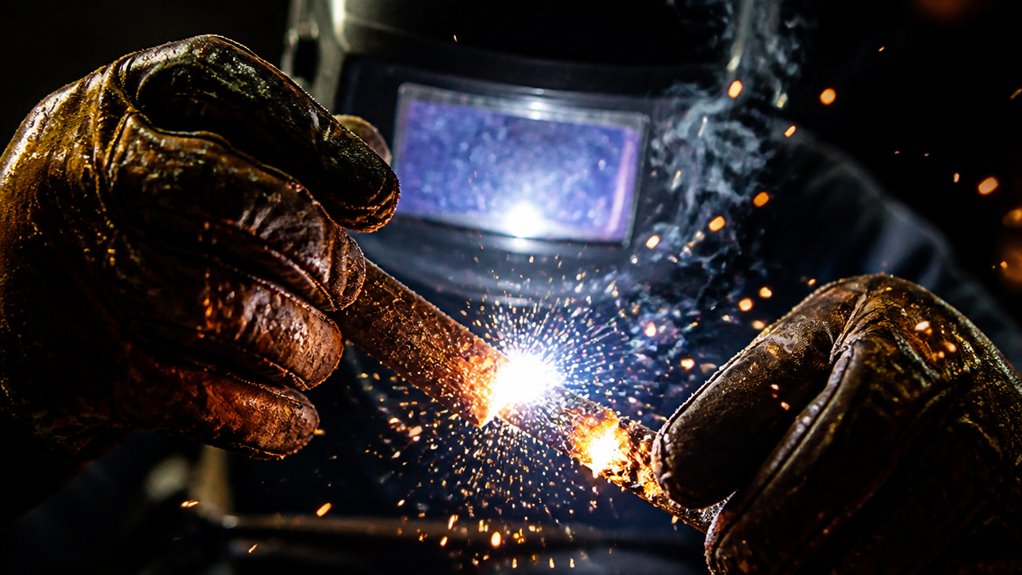
You usually get welding burns by touching hot metals or equipment that retain heat long after use.
Sparks, spatter, and molten metal can land on your skin or through gaps in your gear, causing serious injuries.
Intense UV and IR arc radiation can damage your skin and eyes, while electrical burns from current passing through your body pose deep internal risks.
Wearing proper PPE and avoiding confined spaces help reduce these dangers.
Understanding these hazards lets you better protect yourself.
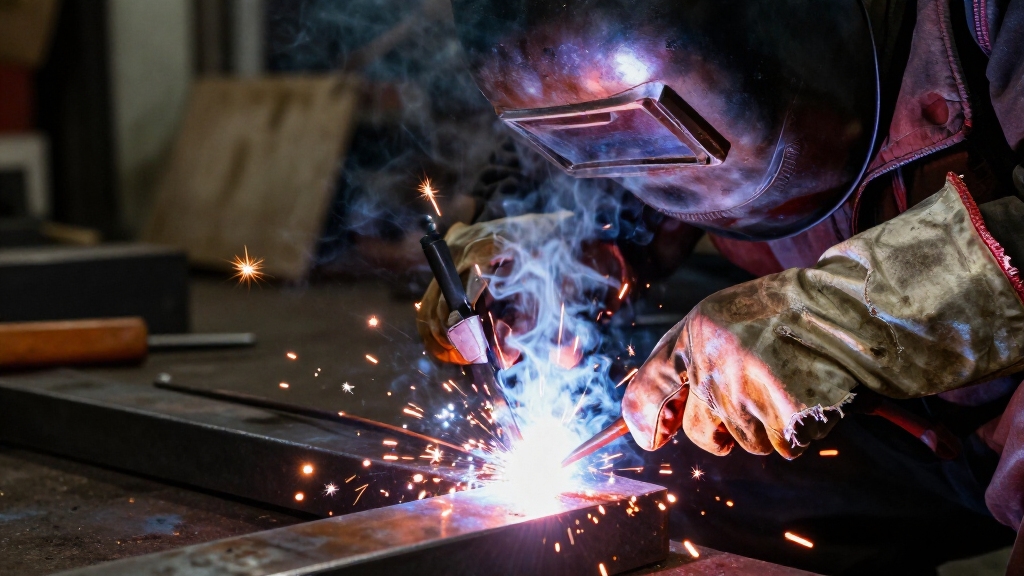
Although welding is essential for many industrial tasks, it exposes you to several types of burns caused by direct contact with hot metal, spatter, arc radiation, and hazardous chemicals or electricity.
Each burn type results from distinct hazards inherent to welding environments. Thermal burns occur from heat sources like molten metal and heated equipment.
Radiation burns come from intense ultraviolet and infrared emissions damaging unprotected skin and eyes. Chemical burns happen when caustic substances used in welding processes contact your skin.
Electrical burns arise from current passing through your body, often causing deep tissue damage. Understanding these mechanisms is vital for prevention.
You must use proper personal protective equipment and maintain vigilance, especially in confined or awkward positions, to minimize exposure and avoid severe injury.
Proper personal protective equipment is critical to protecting against burns from heat, radiation, and electrical hazards in welding.
You need to be aware of the burn risks whenever you’re working with metals that hold onto heat long after the welding is done. Even a quick touch can lead to some pretty serious injuries.
And let’s not forget about the welding tools and equipment. They often stay hot for quite a while and can transfer that intense heat straight to your skin. Ouch!
Plus, if you find yourself in tight or awkward positions while working, the chances of accidentally touching those hot surfaces go up. So, it’s super important to stay alert and always use the right protective gear. Your skin will thank you!
Wearing leather gloves and sleeves provides durable, heat-resistant protection for your hands and forearms to help prevent burns.
Metalwork in welding retains heat long after the arc is extinguished, posing a hidden danger of thermal burns. When you handle recently welded metal, it can cause severe burns even after cooling visibly.
Metals absorb heat deeply, releasing it slowly, so brief contact can injure your skin. Be especially cautious in tight spaces where accidental touches are frequent. Always assume metal is hot until properly cooled.
| Metal Type | Heat Retention Time | Surface Temp (°C) | Burn Risk Level | Cooling Method |
|---|---|---|---|---|
| Steel | 10-20 min | 150-300 | High | Air cooling, water quench |
| Aluminum | 5-10 min | 120-250 | Moderate | Air cooling |
| Copper | 3-7 min | 100-200 | Moderate | Air cooling |
| Stainless Steel | 15-25 min | 200-350 | Very High | Water quench |
| Cast Iron | 20-30 min | 250-400 | Very High | Slow air cooling |
To prevent injuries, it is crucial to use corrosion-resistant materials and proper clamps when repairing exhaust pipes to avoid premature failure and ensure safety.
Handle welding tools with care, as direct contact with their hot surfaces can cause serious thermal burns. Welded components, torch nozzles, and other equipment absorb and retain heat long after welding stops.
Even brief contact with these hot metals can inflict burns because severity depends on both temperature and contact duration. You must avoid touching workpieces immediately after welding and always use proper gloves to minimize risk.
Remember, gloves can degrade with repeated exposure, so inspect them regularly. Assume all metal near the weld zone is hot until cooled sufficiently.
Pay attention when handling tools in confined or awkward spaces, as accidental contact is more likely. Following strict handling protocols and maintaining protective gear integrity are essential to prevent thermal injuries from hot welding tools.
Wearing gloves provides essential heat, burn, and electrical shock protection, reducing the risk of severe injuries while handling hot welding equipment.
Welders frequently adopt tight or awkward positions that increase the likelihood of accidentally touching hot metal surfaces.
When you work in confined spaces or contorted postures, your control over movement reduces, raising the chance of brief but harmful contact with recently welded components or heated tools.
Metals retain heat for long periods, so even incidental touches can cause thermal burns.
Your gloves may provide some protection, but repeated or prolonged contact can degrade them, exposing your skin to injury.
Always assume metal is hot and maintain awareness of your body positioning relative to workpieces.
Adjust your stance to minimize contact points and never rush post-weld handling.
Proper ergonomics and deliberate movement reduce burns caused by direct contact with hot metal during welding operations.
Wearing flame-resistant clothing and properly rated gloves is essential to prevent burns from accidental contact with hot surfaces.
Hey there! It’s super important to be aware that torch nozzles and various welding tools can heat up to really dangerous temperatures. Just imagine touching one of those right after it’s been used—yikes! You could end up with some serious burns.
And here’s something else to keep in mind: metals can hold onto that heat for quite a while after you’ve finished welding. So, if you jump in and try to handle those workpieces too soon, you’re definitely putting yourself at risk for injury.
Even gloves, which we often think of as protective gear, have their limits. If they come into contact with hot surfaces repeatedly, they can wear down and lose their effectiveness. That means you could still end up getting burned. Always exercise caution!
Remember to keep a first aid for burns kit nearby and know how to properly treat burns if they occur to minimize damage.
Although torch nozzles are essential for directing gas and shielding the weld area, they quickly become extremely hot during use and retain heat long after the arc is extinguished.
You must never assume the nozzle is cool immediately after welding, as accidental contact can cause severe thermal burns.
The metal construction and compact design allow the nozzle to store heat, increasing burn risk during handling or adjustments.
Always use heat-resistant gloves and tools when manipulating the torch or changing nozzles.
Avoid tight or awkward positions that could lead to unintended skin contact with the hot nozzle.
Maintaining awareness of nozzle temperature and implementing strict handling protocols are critical to preventing burns and ensuring operator safety in welding environments.
Regular inspection and maintenance of PPE, including heat-resistant gloves, is essential to ensure effective protection against burns from hot equipment.
Heat retention in metals poses a significant burn hazard because welded components and nearby equipment can remain dangerously hot long after the welding process stops.
Metals absorb and hold heat, so even brief contact with these surfaces can cause severe thermal burns.
You must never assume a metal piece is cool immediately after welding.
Handling recently welded or preheated materials increases your risk of injury, especially in tight or awkward positions where accidental contact is more likely.
Welding tools and torch nozzles themselves also retain heat, transferring it to your skin on touch.
Be vigilant about the temperature of all equipment and workpieces, and allow sufficient cooling time before handling.
Failure to recognize retained heat remains one of the most common causes of burns in welding environments.
Proper personal protection such as heavy-duty gloves and flame-resistant clothing is essential to reduce burn risk when handling hot materials.
Since gloves provide essential protection against burns, it’s critical to understand their limitations when handling hot equipment and materials that retain heat.
Gloves reduce direct contact burns but don’t eliminate risk entirely. Welded metal and welding tools can stay hot long after use. Repeated or prolonged contact can transfer enough heat to cause thermal injuries, even through gloves.
Additionally, gloves can degrade over time from heat exposure, losing insulation and increasing burn risk. You must avoid assuming that gloves guarantee complete protection. Always check metal temperature before handling.
Tight or awkward positions may cause accidental contact with hot surfaces, so maintain awareness. Use heat-resistant gloves appropriate for the task, inspect them regularly, and combine glove use with other PPE and safe work practices to minimize burns from hot equipment and retained heat.
Choosing gloves with heat-resistant stitching can help maintain glove integrity and reduce the chances of heat penetration during use.
Sparks, spatter, and molten metal generated during welding pose significant burn hazards by directly contacting your skin, clothing, or footwear.
These hot particles can penetrate gaps in protective gear, causing painful thermal burns. Molten metal droplets may burn through fabric, exposing your skin to severe injury.
Sparks can ignite flammable materials on your clothing, leading to secondary burns. You increase your risk when working close to the arc or in confined spaces where spatter accumulates.
Always make certain your fire-resistant clothing fits properly and covers all exposed areas. Avoid loose or damaged PPE, as even brief contact with spatter or sparks can cause serious burns.
Maintain vigilance to prevent molten metal from landing inside gloves or shoes, which can cause deep, difficult-to-treat injuries.
High incidence of burns among welders highlights the importance of strict electrical safety and fire prevention procedures to avoid these injuries.
When you’re welding, you need to be aware of the ultraviolet (UV) radiation that comes from the arc. It can lead to some pretty severe skin burns known as flash burns. Trust me, they feel a lot like an intense sunburn, and they can be quite painful.
But it’s not just your skin you have to worry about. Your eyes are also at a high risk. UV exposure can damage the cornea, and that’s something you definitely want to avoid. So, make sure you always have the right eye protection on when you’re working near the arc. It’s a simple step that can save you a lot of trouble down the line.
Exposing your skin to the intense ultraviolet (UV) radiation emitted by welding arcs can cause serious burns known as flash burns or welder’s flash. These burns resemble severe sunburns, causing redness, pain, and blistering on exposed skin.
The severity depends on factors like arc power, exposure duration, and distance from the arc. UV radiation penetrates superficial skin layers, damaging cells and triggering inflammation. Since UV rays are invisible, you mightn’t realize the damage until symptoms appear hours later.
Even brief exposure without proper coverage can result in painful burns, emphasizing the need for full protective clothing. Keep in mind that UV radiation can affect any uncovered skin, making thorough PPE use essential to prevent long-term damage and immediate injury during welding operations.
The intense ultraviolet (UV) and infrared (IR) radiation produced by welding arcs can inflict severe damage not only on your skin but also on your eyes.
Without proper eye protection, you risk arc eye or welder’s flash, a painful inflammation of the cornea caused by UV exposure.
This condition can result in temporary vision loss, intense pain, and increased sensitivity to light.
Infrared radiation, while less immediately painful, can cause long-term retinal injury.
Wearing a welding helmet with a correctly rated filter shade is essential to block harmful radiation and prevent burns.
Always make certain your eye protection fits well and is free from cracks or damage.
Neglecting eye protection increases your risk of permanent ocular injury and compromises your ability to work safely around welding arcs.
Handling chemicals used in welding demands strict caution because fluxes, acids, and cleaning agents can cause serious chemical burns on your skin or eyes.
These substances are highly corrosive and can rapidly damage tissue upon contact. Always wear appropriate gloves, goggles, and protective clothing to minimize exposure.
Avoid direct skin contact and inhalation of fumes, which can also cause harm. If a chemical splash occurs, immediately flush the affected area with plenty of water for at least 15 minutes and seek medical attention.
Store chemicals properly and follow all safety data sheet (SDS) instructions to prevent accidental releases. Remember, chemical burns may not be as visible as thermal burns but can cause deep tissue injury and long-term damage if untreated.
Prioritize prevention and prompt response to chemical exposure in welding environments.
Although electrical burns may seem less obvious than thermal injuries, they pose unique and severe risks. The damage often extends deep beneath the skin’s surface.
When electrical current passes through your body, it can cause internal tissue damage that’s not immediately visible. This hidden harm makes electrical burns particularly dangerous and challenging to assess quickly.
You should be aware that electrical burns can cause severe muscle, nerve, and organ damage beneath small skin wounds. They often accompany electrical shock, increasing the risk of cardiac arrest.
Electrical burns may leave deep, necrotic tissue requiring extensive medical intervention. They can progress silently, delaying treatment and worsening outcomes.
Understanding these dangers is critical to recognizing and responding promptly to electrical burn injuries in welding environments.
When you wear proper personal protective equipment (PPE), you substantially reduce your risk of burns from hot metal, sparks, and arc radiation.
Fire-resistant clothing shields your skin from molten metal spatter and sparks that can penetrate ordinary fabrics.
Welding gloves protect your hands from thermal burns caused by direct contact with hot workpieces or equipment.
A welding helmet with appropriate filters guards your face and eyes against ultraviolet and infrared radiation, preventing flash burns.
Make certain all PPE fits well without gaps or loose areas to maintain continuous coverage.
Remember, even brief exposure to hot surfaces or intense arc light can cause severe injury.
Using PPE correctly and consistently is your best defense against thermal and radiation burns, minimizing injury risks throughout welding tasks.
Wearing proper PPE markedly lowers your risk of burns.
However, working in confined spaces introduces additional hazards that increase burn potential.
Limited mobility often forces awkward postures, raising the chance of accidental contact with hot metal or equipment.
The close quarters concentrate sparks, spatter, and molten metal, intensifying burn risks.
Restricted airflow can elevate temperatures, causing heat buildup on both you and your gear, which increases thermal burn likelihood.
You may unintentionally brush against searing surfaces due to cramped conditions.
Sparks and molten droplets have less space to disperse, amplifying injury chances.
Heat accumulates quickly, overwhelming your PPE’s protective capacity.
Escape routes and visibility are limited, delaying response if burns occur.
Recognize these dangers to stay vigilant and minimize burn injuries in confined welding spaces.
To prevent welding burns effectively, you must first identify the specific risk factors present in your work environment.
Recognize hazards like hot metal, spatter, arc radiation, and electrical sources. Always assume metals and equipment retain heat long after welding stops.
Use appropriate personal protective equipment (PPE): flame-resistant clothing, gloves, and helmets with proper filters to shield skin and eyes.
Avoid working in confined or awkward positions that increase accidental contact with hot surfaces or molten material.
Regularly inspect your PPE for damage and ensure it fits properly to eliminate gaps.
Manage chemical exposures by using correct handling procedures and eye protection.
Maintain safe distances from the arc and limit exposure duration to reduce radiation burns.
Vigilance and proactive risk management are essential to minimize the likelihood and severity of welding burns.
After a welding burn, immediately cool the area with cool (not cold) running water for 10-20 minutes to reduce heat and pain.
Avoid ice or creams, which can worsen damage.
Remove any tight clothing or jewelry near the burn unless stuck.
Cover the burn loosely with sterile, non-stick dressing.
Seek medical help for large, deep, or chemical burns.
Stay cautious of infection and avoid breaking blisters to prevent complications.
Back in the days of knights and castles, wounds took ages to heal.
Welding burns today typically heal within one to three weeks, depending on severity.
You’ll find superficial burns mend faster, while deeper thermal or chemical burns might take longer and need medical attention.
You must keep the area clean, avoid infection, and monitor healing closely.
If pain worsens or blistering spreads, seek professional care immediately to prevent complications.
Yes, welding burns can cause long-term skin damage or scarring if you don’t treat them properly.
Deep thermal or radiation burns often damage underlying tissues, leading to permanent discoloration, thickened skin, or keloid scars.
Repeated exposure increases risks of chronic skin changes. You must use immediate first aid and seek medical care to minimize lasting harm.
Always wear full protective gear to prevent severe burns and long-term consequences.
Yes, severe welding burns demand immediate and specialized medical treatment.
You need professional wound cleaning, pain management, and often antibiotics to prevent infection.
In critical cases, skin grafts or surgery might be necessary to restore damaged tissue.
Burns affecting deep layers require close monitoring to avoid complications like scarring or loss of function.
Don’t delay; seek expert care quickly to minimize lasting harm and optimize healing.
To safely cool a welding spatter burn, immediately run cool (not cold) water over the affected area for 10 to 20 minutes to reduce heat and prevent tissue damage.
Avoid using ice or very cold water, as they can cause further injury. Remove any restrictive clothing or jewelry near the burn carefully.
After cooling, cover the burn with a sterile, non-adhesive dressing and seek medical evaluation for deeper or larger burns promptly.
You might think welding burns only happen if you’re careless. Even the pros can get caught off guard by hidden heat or unexpected sparks.
Ignoring proper PPE or confined space risks isn’t just risky; it’s practically inviting injury. So, don’t wait for a painful reminder.
Stay vigilant, respect every source of heat and radiation, and manage your environment carefully. After all, burns don’t take breaks, and neither should your safety measures.