Phone:
(701)814-6992
Physical address:
6296 Donnelly Plaza
Ratkeville, Bahamas.

Phone:
(701)814-6992
Physical address:
6296 Donnelly Plaza
Ratkeville, Bahamas.

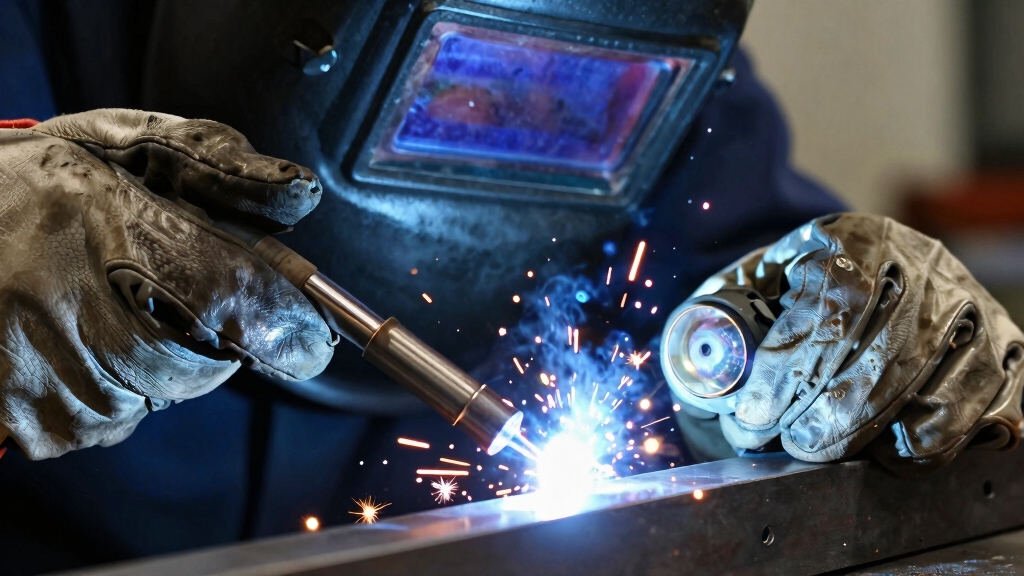
You can weld while wearing contact lenses only if you use ANSI Z87.1-approved protective eyewear that shields against intense heat, UV, infrared radiation, and flying debris.
Contacts offer no thermal, impact, or radiation protection and can trap irritants or harmful fumes beneath them.
Proper welding helmets combined with certified safety glasses prevent eye injuries and discomfort.
Understanding the risks and protective measures guarantees your eyes stay safe in welding environments without compromising vision.
Find out what specific precautions you should take next.
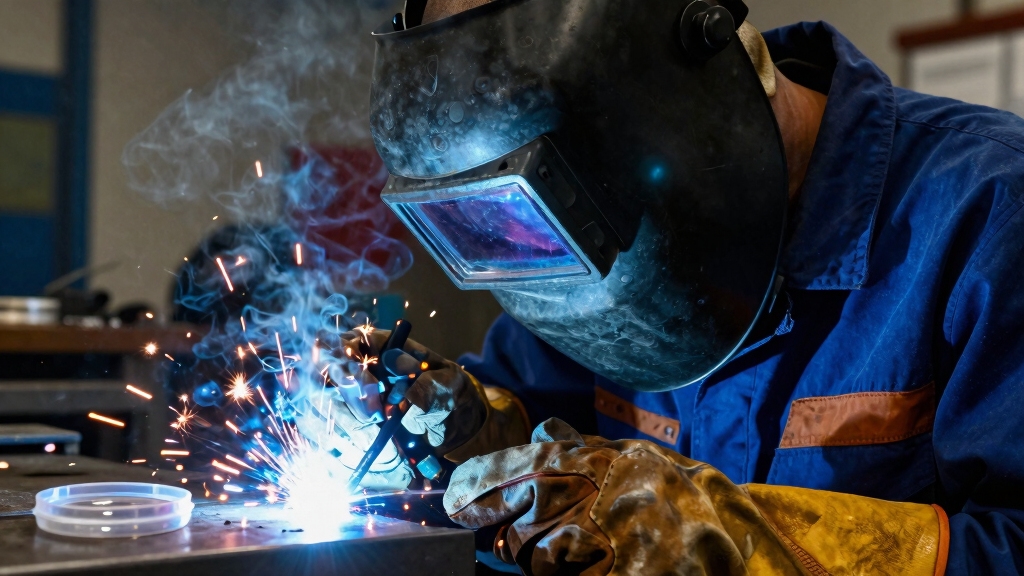
Although welding while wearing contact lenses raises concerns for many, multiple authoritative sources confirm it’s safe when you use proper protective eyewear compliant with ANSI Z87.1 standards.
Contact lenses themselves don’t provide any safety protection, so you must wear ANSI-approved glasses or goggles beneath your welding helmet.
Studies and regulatory bodies, including the American Welding Society and OSHA, agree that contact lens wearers face no additional hazards compared to non-wearers if standard precautions are followed.
Proper protective gear shields your eyes from harmful UV radiation, flying debris, and heat.
However, contact lenses alone can’t block these risks.
Consequently, adherence to ANSI Z87.1-1968 or later standards for eye protection is mandatory to guarantee safety when welding with contact lenses.
It is essential to wear certified welding lenses with the appropriate IR shade number to ensure adequate protection from harmful welding radiation.
You might’ve heard some pretty wild stories about welding and contact lenses, like the idea that they can actually fuse to your eyes. But guess what? That claim doesn’t hold up when you look at the science.
Studies show that the heat from the welding arc just isn’t enough to melt or bond lenses to your cornea. So, let’s dive into the facts and clear up these myths about what really happens to contact lenses during welding.
However, it’s important to remember that contact lenses do not provide sufficient protection against the intense UV radiation emitted by welding arcs, so proper eye protection is still essential.
When considering welding safety, you might encounter the persistent myth that contact lenses can fuse to the eye due to the intense heat or radiation from welding arcs.
However, this claim lacks scientific foundation. Research demonstrates that welding arc heat is insufficient to dry out eye fluid or melt lenses.
Contact lenses undergo sterilization processes at temperatures exceeding 120°C without deformation, disproving the fusion possibility.
No verified incidents have occurred since early, debunked 1967 reports. Regulatory bodies like OSHA and the American Welding Society confirm that, with appropriate ANSI Z87.1 approved protective eyewear, contact lens wearers face no additional risk of fusion.
Therefore, you can dismiss fusion fears as urban legend, focusing instead on proper eye protection to guard against debris and harmful emissions.
Using an auto darkening welding helmet with proper certification ensures optimal protection against harmful radiation during welding.
Since welding generates intense heat, many assume it can damage contact lenses or the eyes beneath them. However, the heat from welding arcs isn’t sufficient to melt or fuse lenses to your eyes.
Scientific data show soft contact lenses can reach temperatures around 50°C during welding. This is below their sterilization temperature and far from melting points.
The American Chemical Society and Canadian occupational health authorities confirm lenses won’t dry out or bond to your cornea under typical welding conditions.
That said, heat buildup can cause lens dehydration, leading to discomfort, but it doesn’t imply physical damage.
You must still wear ANSI Z87.1-approved protective eyewear to shield your eyes from UV radiation, sparks, and debris. Contact lenses alone provide no thermal or impact protection.
In fact, prolonged exposure to welding without proper eye protection can result in welder’s flash, a painful UV-induced eye injury that contact lenses cannot prevent.
Although welding with contact lenses has sparked numerous safety concerns, scientific evidence systematically dispels common myths about their risks.
Studies confirm lenses don’t fuse to the cornea despite arc heat or radiation exposure. The temperatures reached during welding are insufficient to melt or bond lenses.
The American Welding Society and OSHA recognize contacts as safe when ANSI Z87.1-approved protective eyewear is worn. However, lenses alone don’t offer UV or debris protection, necessitating proper goggles or glasses underneath the hood.
Risks primarily arise from foreign particles causing irritation beneath lenses, not lens fusion. Regional guidelines vary, but authoritative sources agree that standard safety gear eliminates additional hazards for contact lens wearers.
This debunks urban legends and emphasizes adherence to established protective protocols.
Welders should always wear properly rated welding helmets to ensure full eye protection and prevent injuries.
Welding heat can really crank up the temperature of contact lenses—sometimes even hitting 50°C when you’re doing close-range MMA welding. Pretty wild, right?
This surge in heat can lead to some serious issues, like lens dehydration and eye irritation. Proper ventilation and protective measures are essential to minimize exposure to harmful welding fumes that can also affect eye health.
Welding generates significant localized heat that directly affects contact lenses worn during the process.
When you weld, soft lenses on your eyes can reach temperatures around 50°C, particularly higher than ambient air, which rises only to about 30°C.
This heat spike occurs especially at welding initiation, causing lenses to dry out quickly.
Lenses not in contact with the eye heat less, but those adhered to the cornea experience intensified thermal exposure.
Despite this, the heat isn’t sufficient to melt or fuse lenses to your eye, debunking common myths.
However, the increased temperature can alter lens moisture content, potentially affecting comfort and fit.
You need to make certain proper protective eyewear to mitigate heat transfer and maintain lens integrity throughout welding activities.
The use of helmets with enhanced airflow and cooling technologies can significantly reduce the thermal burden on the eyes during welding.
Experiencing intense localized heat during welding poses specific risks to contact lenses, primarily through elevated temperatures that can rapidly dry and alter lens materials on the eye’s surface.
Studies reveal that soft lenses on the eye may reach temperatures up to 50°C during MMA welding, markedly higher than ambient air temperature.
This heat can desiccate the lens, compromising its hydration and flexibility, potentially causing discomfort or impaired vision.
Though lenses won’t melt or fuse to the cornea, the thermal stress can degrade lens integrity over time.
You must wear ANSI Z87.1-compliant protective eyewear to mitigate direct heat exposure and prevent sudden temperature spikes.
Proper ventilation and breaks also minimize cumulative heat effects.
Ultimately, understanding these risks helps you maintain lens performance and ocular safety during welding operations.
Additionally, arc welding produces electromagnetic interference that can also affect sensitive medical devices like pacemakers, increasing health risks for some welders.
Although contact lenses themselves don’t provide protection, wearing them during welding can introduce specific risks that demand careful management.
You face potential irritation from foreign bodies like metal particles trapped beneath lenses, which can exacerbate discomfort and cause corneal abrasions.
Welding processes may release harmful gases and vapors that can accumulate under contact lenses, increasing eye irritation or damage.
Contacts offer no defense against UV radiation or flying debris, so relying solely on them leaves your eyes vulnerable.
Additionally, welding arc heat can raise lens temperature markedly, potentially drying the eye’s surface and causing discomfort.
These risks underscore the necessity for stringent protective measures to mitigate hazards unique to contact lens wearers during welding operations.
Wearing certified face shields with appropriate filter lenses is essential to protect eyes from harmful UV and IR radiation that contact lenses cannot block.
When wearing contact lenses during welding, you must always use ANSI Z87.1-approved safety glasses or goggles beneath your welding hood to guarantee adequate protection.
Always wear ANSI Z87.1-approved safety glasses or goggles under your welding hood when using contact lenses.
Contacts alone don’t shield your eyes from ultraviolet radiation, flying particles, or intense heat. The secondary eyewear acts as a physical barrier against debris and mitigates thermal stress on the lenses.
Opt for close-fitting safety glasses or welding goggles to minimize particle ingress, especially during grinding or sanding.
Additionally, use a DIN 10 A safety glass screen for MMA welding to prevent excessive temperature rises around your lenses.
This combination aligns with established safety standards and minimizes irritation or injury risks.
Ensuring your eyes remain protected throughout welding tasks while wearing contacts is essential.
Also, always inspect protective gear regularly to ensure it is undamaged and fits properly before starting any welding work.
Proper protective gear sets the foundation for safe welding with contact lenses, but adhering to specific safety guidelines further minimizes risks.
You must always wear ANSI Z87.1-approved safety glasses or goggles beneath your welding helmet to shield your eyes from UV radiation, flying debris, and intense heat.
Avoid welding in environments with harmful gases or vapors, as contact lenses offer no chemical protection.
Keep lenses clean and remove any foreign particles promptly to prevent irritation or injury.
Regularly inspect your protective eyewear for damage to guarantee consistent coverage.
Follow workplace regulations, which may vary regionally, and never rely on contact lenses alone for eye safety.
Yes, contact lenses can improve your vision clarity during welding by providing precise corrective vision directly on your cornea. This reduces distortion compared to glasses.
However, you must still wear ANSI Z87.1-approved protective eyewear over them to safeguard against UV radiation, sparks, and debris.
Contacts alone don’t offer safety or filter harmful light. So, combining them with proper welding goggles guarantees both clear vision and necessary protection during welding tasks.
Daily disposables deliver distinct advantages over extended wear lenses for welders. You’ll avoid accumulated contaminants and reduce risks of irritation from metal particles or fumes.
Since daily lenses don’t harbor debris overnight, they maintain moisture and minimize microbial buildup. This is critical in harsh welding environments.
However, you must still wear ANSI-approved protective eyewear to shield against UV, heat, and flying fragments.
After welding exposure, you should remove your contact lenses promptly and wash your hands thoroughly with soap and water.
Clean the lenses using a recommended multipurpose disinfecting solution to eliminate any metal particles or chemical residues.
Avoid using tap water or saliva, which can introduce contaminants.
Inspect lenses for damage or debris before reinsertion.
If irritation persists, discard the lenses and consult an eye care professional to prevent infection or injury.
You can technically wear colored contact lenses while welding, but you must never rely on them for protection.
They offer no shield against intense UV rays, flying debris, or harmful gases. Always wear ANSI Z87.1-approved safety glasses or goggles beneath your welding helmet to guarantee full eye protection.
Colored lenses might add style, but they don’t replace essential safety gear or reduce risks associated with welding environments. Prioritize certified protective eyewear.
Prescription safety glasses work better than contacts for welders because they provide direct, ANSI Z87.1-approved protection against debris, UV radiation, and heat.
Contacts offer no physical barrier and may trap irritants against your eyes, increasing discomfort and risk.
While contacts can correct vision, safety glasses combine correction with essential shielding, reducing injury risk markedly.
For welding, rely on prescription safety glasses under your helmet for peak eye safety and compliance.
Welding with contact lenses isn’t a simple yes or no; it demands careful caution. You might think contacts protect your eyes, but they can trap harmful particles or heat, increasing risk.
Don’t gamble with your vision; use proper protective gear like helmets and safety glasses designed for welding. Remember, your eyes are irreplaceable.
Why risk them when safety gear offers reliable defense? Protect your sight meticulously, because once damaged, it’s a loss you can’t undo.