Phone:
(701)814-6992
Physical address:
6296 Donnelly Plaza
Ratkeville, Bahamas.

Phone:
(701)814-6992
Physical address:
6296 Donnelly Plaza
Ratkeville, Bahamas.

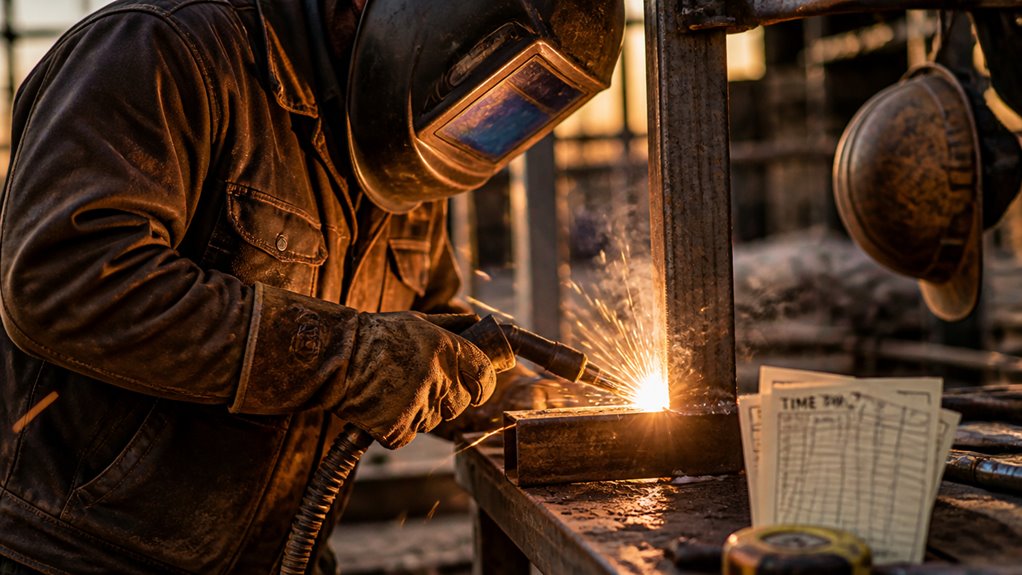
In welding, per diem means a fixed daily allowance that covers your lodging, meals, and incidental expenses while working away from home.
It’s separate from your hourly wage and any benefits, acting as reimbursement for travel-related costs instead of pay for labor.
Per diem helps manage expenses on remote or extended assignments without cutting into your earnings.
Keeping proper records guarantees compliance and tax benefits.
You can explore how it applies across job sites and payroll management next.
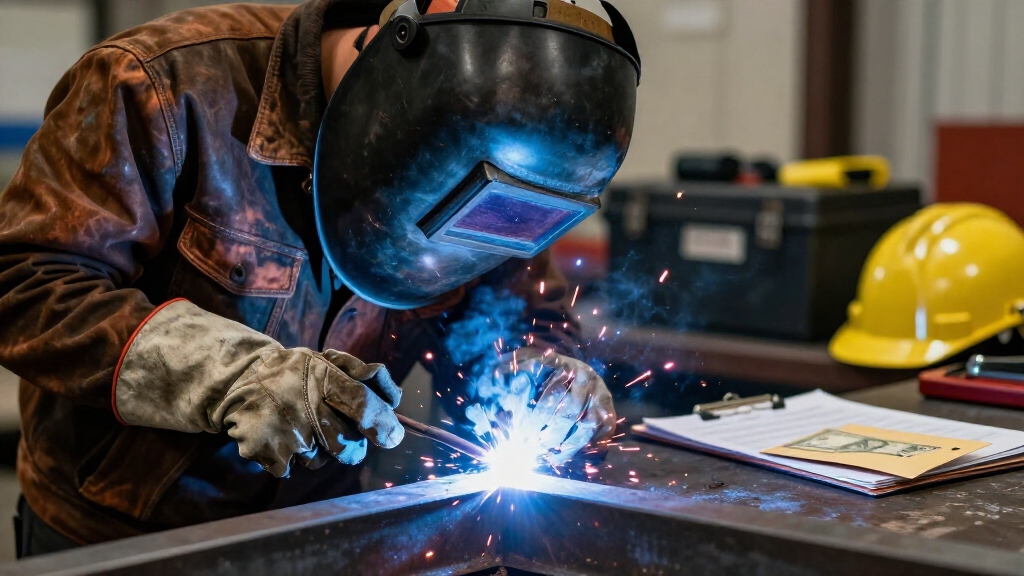
When working away from your home base, per diem provides a daily allowance to cover essential expenses like lodging and meals.
Per diem offers daily support for essential costs like lodging and meals when working away from home.
In welding, this payment is separate from your hourly wage and serves as reimbursement for costs incurred during temporary or travel-heavy assignments.
You’ll receive per diem to offset lodging, meals, and incidental expenses such as local transportation or laundry while on site.
This allowance helps reduce the financial impact of relocating for short-term projects, making it practical to accept jobs far from home.
Per diem isn’t a bonus, overtime, or wage rate; it strictly covers daily work-related expenses.
Understanding this distinction guarantees you accurately track compensation and manage your costs during remote welding assignments.
Labor typically accounts for about 85% of total welding costs, making welding labor rates a critical factor in overall project budgeting.
Per diem not only separates your daily expenses from wages but actively covers the costs you face while traveling for welding projects.
It provides a fixed daily allowance that helps you manage lodging, meals, and incidental expenses without submitting individual receipts.
This system simplifies expense tracking and guarantees consistent support during temporary assignments away from your tax home.
You can rely on per diem to offset hotel stays, restaurant bills, and local transport costs like taxis or rental cars.
Unlike mileage reimbursements, it’s a thorough daily stipend designed to cover a broad spectrum of travel-related expenses.
By receiving per diem, you minimize out-of-pocket spending and maintain financial stability.
This allows you to focus on project demands without worrying about the overhead of travel logistics.
Additionally, welders working in high-demand specialties often receive per diem to support their specialized field assignments.
You’re likely to come across per diem pay in situations where folks have to stay away from home for a while or travel often. Think about job sites like construction zones, offshore platforms, and shipyards. These places often require extended stays, so having a daily allowance helps cover lodging and meal expenses.
In fact, certain industries—like oil and gas or heavy manufacturing—often rely on per diem pay. It’s especially common for welders who are working far from their home base. This way, they can focus on their work without worrying too much about their daily costs. Welding, as a critical step within fabrication, often demands travel to remote sites where welding safety is paramount due to exposure to hazardous conditions.
Across industries like construction, shipbuilding, and oil and gas, welding jobs that require travel or temporary relocation commonly offer per diem pay. You’ll typically find these roles at job sites that demand extended stays away from home, ensuring your daily expenses are covered.
Understanding where per diem applies helps you evaluate contracts and negotiate pay effectively.
| Industry | Typical Job Sites | Per Diem Purpose |
|---|---|---|
| Construction | Bridges, highways, buildings | Covers lodging and meals |
| Shipbuilding | Dry docks, shipyards | Supports extended stays |
| Oil and Gas | Offshore rigs, refineries | Offsets remote location costs |
| Manufacturing | Large factories, plants | Temporary relocation support |
Recognizing these common job sites clarifies where per diem benefits are standard and necessary. Mobile welding rigs often provide the power supply needed on remote job sites to support welding operations during extended assignments.
Jobs that require frequent travel or assignments in multiple locations often include per diem pay to offset daily expenses.
When you take on travel-intensive welding assignments, you typically work on projects that demand relocation or movement between sites daily or weekly.
These assignments often occur in sectors like construction or maintenance where job sites shift frequently.
Per diem helps you cover lodging, meals, and incidental costs without dipping into your wages.
It guarantees you’re not financially burdened while away from your tax home or primary residence.
This daily allowance is crucial when projects require overnight stays or extended travel, helping you maintain your standard of living.
Understanding when and how per diem applies lets you better evaluate job offers involving significant travel demands.
Pipeline welders often accept per diem when working on remote projects that require frequent travel and relocation for weeks or months at a time.
Certain industries frequently require welders to work in remote or shifting locations, making per diem pay a standard part of compensation packages.
You’ll encounter per diem most often in construction sites, shipyards, oil rigs, and large-scale manufacturing plants where project duration and location fluctuate.
In these environments, employers provide daily allowances to cover lodging, meals, and incidental expenses while you’re away from your tax home.
For example, offshore oil platforms or remote pipeline construction sites commonly include per diem to offset the cost of temporary relocation.
Even urban infrastructure projects with short-term deployments may offer per diem to support your mobility.
Understanding these industry-specific locations helps you negotiate appropriate per diem rates and ensures you’re fairly compensated for the added expenses of working away from your permanent residence.
Efficient mobile welding setups often incorporate secure mounting techniques to protect equipment during transport and remote work.
When you take on traveling welding assignments, managing daily expenses can quickly become overwhelming without proper support. Per diem simplifies this by providing a fixed daily allowance.
Traveling welding assignments can overwhelm daily expenses, but per diem offers a simple, fixed daily allowance solution.
This allows you to focus on your work rather than tracking every receipt or worrying about cost overruns. It guarantees predictable coverage for essential needs, making relocation and extended stays manageable.
Per diem makes traveling welding jobs easier by:
It also helps welders manage the financial challenges associated with the irregular contracts common in the industry.
Although per diem payments and hourly wages both compensate welders, they serve fundamentally different purposes and function independently within your total pay structure.
Hourly pay rewards your actual welding labor, while per diem reimburses daily expenses like lodging and meals during travel. Unlike benefits such as health insurance or retirement plans, per diem is a fixed daily allowance, not subject to taxes if it meets IRS guidelines.
| Pay Type | Purpose | Tax Treatment |
|---|---|---|
| Hourly Pay | Compensation for work hours | Taxable income |
| Per Diem | Covers daily expenses | Often non-taxable if compliant |
| Health Benefits | Provides medical coverage | Not taxable |
| Retirement | Long-term savings | Tax deferred |
| Bonuses | Performance rewards | Taxable income |
This clear separation helps you understand how per diem supplements but doesn’t replace wages or benefits. Welders pursuing higher income often combine hourly wages with shutdown and emergency shifts to maximize overall earnings.
To manage per diem payments effectively, it’s super important to keep a close eye on your daily expenses. This way, you can ensure everything is in order. Plus, understanding the tax implications is key. Did you know that per diem payments can impact your taxable income differently than regular wages? It’s good to be aware of that!
Also, don’t forget about the documentation! Keeping thorough records will really help support your claims. It not only makes your life easier but also helps you comply with reporting requirements. So, just remember: track those expenses, understand the taxes, and maintain good documentation! Additionally, when working in confined spaces like apartments, following proper fire safety measures is crucial to avoid risks associated with welding.
Accurately tracking daily expenses is essential for managing per diem payments in welding assignments. You need a clear system to document costs and justify the per diem received. This guarantees compliance with employer policies and simplifies reimbursement processes. Focus on precise record-keeping and timely reporting.
To effectively track your daily expenses, consider these best practices:
Keep detailed receipts for meals, lodging, and incidental costs. Use a dedicated expense log or app to record transactions daily.
Separate business-related expenses from personal spending. Review your employer’s per diem policy to understand covered items.
Submit expense reports promptly, including all necessary documentation.
Additionally, understanding the importance of flame-resistant fabrics can help prioritize safety gear purchases within your per diem budget.
When managing per diem payments, understanding their tax implications is essential to guarantee compliance and optimize your financial reporting.
Per diem allowances generally aren’t taxable if they don’t exceed IRS-set rates and are strictly for lodging, meals, and incidental expenses incurred while working away from your tax home.
If payments surpass these limits or lack proper substantiation, they become taxable income and require reporting as wages.
| Per Diem Aspect | Tax Treatment | Reporting Requirement |
|---|---|---|
| Within IRS limits | Non-taxable | No income tax withholding |
| Exceeds IRS limits | Taxable on excess amount | Report as wages on W-2 |
| No substantiation | Fully taxable | Subject to withholding |
| Travel duration >1 year | Special IRS rules apply | Consult tax advisor |
Stick to IRS guidelines to minimize tax liability and ensure accurate payroll handling.
Understanding tax implications sets the foundation for effective documentation and reporting of per diem payments. You need a systematic approach to track per diem disbursements accurately and ensure compliance. Proper documentation protects both you and your employer from possible audits or disputes.
To manage and report per diem payments effectively:
These practices maintain transparency, simplify tax reporting, and uphold regulatory standards critical in welding assignments involving travel.
Yes, per diem payments for welders are generally taxable income unless they qualify as accountable plan reimbursements.
If your employer provides per diem to cover actual, documented expenses for lodging, meals, and incidental costs while away from home, and you return any excess funds, the amount isn’t taxable.
However, if the per diem is a flat daily allowance without expense verification, it typically counts as taxable income and must be reported on your tax return.
When calculating per diem for partial workdays, you’ll typically prorate the daily allowance based on hours worked or time spent on the job.
If you work half a day, you might receive half the per diem amount.
Some employers use specific formulas or company policies to determine this.
Always check your contract or employer guidelines, as practices vary.
The goal is to fairly compensate for actual expenses incurred during your work period.
Yes, you can negotiate per diem rates with employers, especially if you bring specialized skills or extensive experience.
Approach negotiations by researching industry standards and local cost of living to justify your request.
Be clear about your daily expenses and the value you add to the project.
Employers often expect some flexibility, so presenting a reasonable, well-supported case increases your chances of securing a higher per diem rate.
Per diem payments aren’t consistent across states; they vary notably by location and cost of living.
For example, hourly pay for per diem welders ranges from $22.60 to $30.53, reflecting regional differences.
You’ll find higher per diem allowances in states with elevated lodging and meal costs.
To claim per diem expenses, you’ll need to provide detailed documentation like travel itineraries, hotel receipts, meal bills, and transportation proofs.
Keep accurate records showing dates, locations, and costs aligned with your work assignment. Employers may require expense reports or submission forms, often with itemized receipts, to validate claims.
Maintaining timely and organized documentation guarantees you meet company policies and IRS guidelines. This helps you secure your per diem without delays or disputes.
Understanding per diem in welding helps you manage travel costs effectively. For example, imagine you’re assigned to a remote pipeline project; per diem covers your lodging and meals. This allows you to focus on your work without worrying about daily expenses.
Unlike hourly wages, per diem guarantees predictable support during travel. Knowing how to track and report these payments keeps your finances transparent and compliant. This makes your welding assignments smoother and more efficient.