Phone:
(701)814-6992
Physical address:
6296 Donnelly Plaza
Ratkeville, Bahamas.

Phone:
(701)814-6992
Physical address:
6296 Donnelly Plaza
Ratkeville, Bahamas.

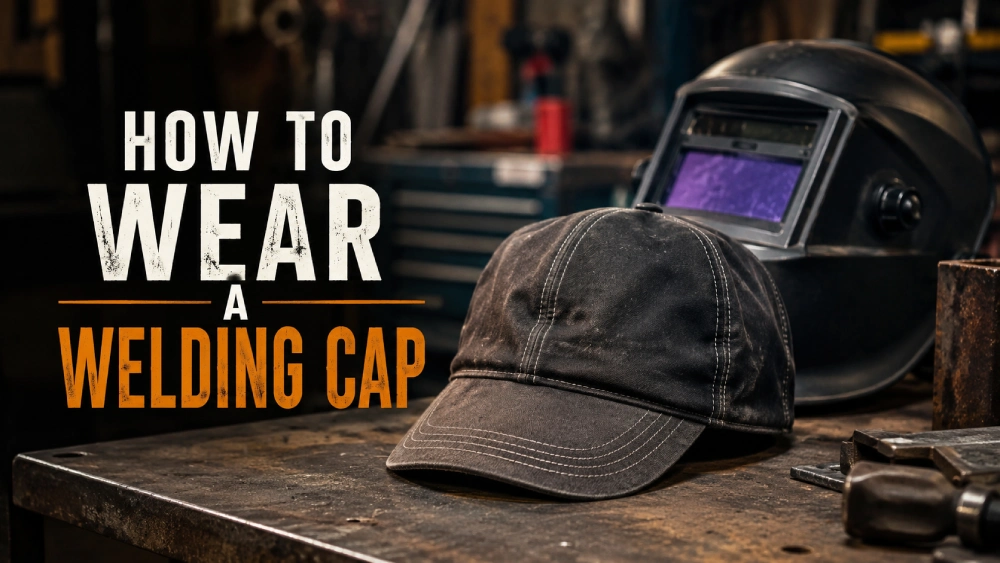
You’ll want to fit your welding cap snugly, covering your scalp, ears, and neck completely without discomfort or shifting.
Position the brim forward to shield your eyes from light and sparks without blocking your view.
Make sure ear flaps wrap fully around your ears for spark protection. Adjust the neck coverage, especially for overhead work.
Choose materials that balance heat resistance and comfort, and check your cap regularly for wear.
Keep going to learn how to optimize your cap’s fit and safety features.
When you put on your welding cap, make sure it fits snugly on your head to prevent shifting while you work.
Adjust the elastic band so the cap stays securely in place without causing discomfort.
It should cover your scalp, ears, and the back of your neck completely, offering full protection from sparks and UV exposure.
Position the cap so it reaches just above your eyebrows without pressing too tightly, ensuring comfort and no interference with your helmet.
Test for movement by turning your head and leaning forward; the cap shouldn’t slide or loosen.
A secure, well-placed cap enhances safety and keeps debris away, letting you focus on your welding tasks without constant readjustments.
Proper fit is essential for effective protection and comfort during long sessions.
For added comfort and moisture control, consider caps with a soft, adjustable sweatband to keep sweat away during extended use.
Although your welding helmet provides primary eye protection, position your cap’s brim facing forward to shield your forehead from intense light and falling sparks.
Adjust the brim so it doesn’t block your helmet lens or line of sight. Check visibility through the helmet before welding starts.
You may angle the brim slightly for comfort or task requirements but avoid interference with your view. A properly set brim improves safety and prevents distractions.
Proper use of eye protection equipment greatly reduces the risk of burns and long-term vision damage during welding.
| Adjustment Step | Key Point |
|---|---|
| Face Brim Forward | Shields forehead from sparks |
| Avoid Lens Obstruction | Keeps clear helmet vision |
| Angle Slightly | Enhances comfort, task fit |
| Test Visibility | Confirm no vision blockage |
Hey there! It’s super important to make sure your welding cap covers your ears completely. This helps block out sparks, spatter, and UV exposure effectively.
Take a moment to adjust the fit so those ear flaps sit snugly. You don’t want them to be too tight, though—comfort is key!
Wearing a fire-resistant cap under your welding helmet adds essential protection for your head and neck.
Welders should always make sure their welding cap fully covers their ears to block sparks, spatter, and harmful UV radiation effectively.
Complete ear protection requires ear flaps that snugly wrap around your ears without causing discomfort or restricting movement.
Position the cap to shield the side of your head most exposed during welding, shifting it if needed for different tasks or angles.
Make certain coverage extends over the entire ear area to prevent burns or injuries from flying debris.
The cap should stay securely in place without sliding, even when you turn or lean your head.
Using a cap with proper ear coverage minimizes exposure to hazards while maintaining your focus and safety throughout the job.
Regularly inspect the cap to confirm it remains intact and effective.
Proper maintenance and inspection of protective gear are crucial to avoid stress corrosion cracking caused by unnoticed damage or wear.
When adjusting your welding cap, make certain it fully covers your ears without causing discomfort or restricting movement.
A well-fitted cap protects against sparks, spatter, and UV radiation while allowing you to work without distraction.
Focus on these key points to guarantee comfort and safety:
The ear flaps must envelop your ears completely, shielding sides exposed to welding hazards.
Adjust the elastic band so the cap stays snug but doesn’t pinch or press uncomfortably.
Check for any shifting when you turn or tilt your head; the cap should remain securely in place.
Make small adjustments depending on your welding position to protect the more exposed ear effectively.
Proper adjustment enhances protection and keeps you comfortable during long sessions.
Wearing gloves alongside your cap adds an essential layer of heat and burn protection for your hands while welding.
Especially during overhead welding, you need to make sure your neck is well protected from falling sparks and spatter.
Choose a welding cap that extends coverage over the back of your neck to reduce burn risks.
Select a welding cap that fully covers your neck to minimize the risk of burns.
Position the cap so it sits snugly, with the rear fabric covering as much neck area as possible without restricting movement or comfort.
Sometimes angling the cap backward helps shield the neck better depending on the work position.
Remember, your head orientation affects which parts of your neck receive the most exposure, so adjust the cap placement accordingly.
Proper neck coverage complements ear and scalp protection, forming a barrier against hot debris.
Neglecting this increases the chance of painful burns and injuries during overhead tasks.
Always make certain your welding cap fits securely and covers your neck adequately before starting.
For maximum safety, combine your welding cap with flame-resistant clothing to reduce the risk of severe burns and secondary contamination.
When you’re picking out a welding cap, it’s a good idea to think about both heat resistance and comfort. You want something that fits well and keeps you safe while you’re working, right?
Cotton caps are a solid choice if you’re in for long sessions since they’re breathable and help keep you cool. But if you’re dealing with higher temperatures, leather might be the way to go. It offers better protection and durability.
And don’t forget to keep your cap clean! Regular inspections are key to making sure it does its job effectively and safely. You want to stay protected and comfortable, after all!
Choosing materials that strike a balance between safety and comfort ensures your welding cap performs well under different working conditions.
Although both cotton and leather welding caps offer protective benefits, selecting the best material depends on the balance between safety and comfort you need for your specific welding tasks.
Cotton caps provide breathability and lightweight comfort, making them ideal for long sessions in moderate conditions. Leather caps offer superior durability and abrasion resistance, suited for tougher environments where sparks and spatter are more intense.
Consider these factors when choosing:
Cotton caps wick moisture and keep your head cooler.
Leather caps resist cuts and provide tougher spark protection.
Cotton is easier to clean and maintain regularly.
Leather requires care to prevent cracking and fading over time.
Match your cap material to your work environment and comfort preferences for peak protection and usability.
Additionally, incorporating heat-resistant stitching in your welding gear, including caps, enhances durability and safety during high-temperature tasks.
Heat resistance plays a crucial role in selecting the right welding cap material to guarantee your safety and comfort.
You want a material that can withstand sparks, spatter, and high temperatures without degrading or causing discomfort. Cotton caps offer breathability but moderate heat resistance.
Leather caps provide superior heat protection but require care to avoid cracking. Choosing the right cap depends on your welding environment and exposure level.
Selecting a cap with appropriate heat resistance complements using respirator helmets to protect against fumes and enhance overall safety.
| Material | Heat Resistance | Comfort Level |
|---|---|---|
| Cotton | Moderate | High |
| Leather | High | Moderate |
| Denim | Moderate | Moderate |
| Kevlar | Very High | Moderate |
| Nomex | Very High | Moderate |
Pick a cap that balances heat protection with breathability to stay safe and comfortable during welding.
Regularly inspecting and maintaining your welding cap guarantees it continues to provide effective protection and comfort. Choose a material that suits your work environment: cotton for breathability or leather for superior heat resistance.
Keep leather caps away from direct sunlight and heat sources to prevent cracking. Check your cap for holes, tears, or wear before each use, as damaged caps compromise safety. Replace your cap if you notice any significant damage.
Maintain your cap by:
Proper upkeep extends your cap’s lifespan while maintaining full protective function. Additionally, using gentle cleaning methods helps preserve the material’s integrity and prevents premature wear.
You should inspect your welding cap before each use to ensure it remains free of holes, tears, or other damage that could compromise protection.
Check the fabric’s integrity, especially in areas prone to wear like the brim and ear flaps. Replace the cap if you find any damage, as even small holes can let sparks or UV rays through.
Regular cleaning also keeps it functional and comfortable.
| Check Point | What to Look For |
|---|---|
| Fabric | Holes, tears, thinning |
| Elastic Band | Stretch, loss of grip |
| Brim | Warping, fraying edges |
| Ear Flaps | Full coverage, no damage |
Maintaining your welding cap guarantees consistent protection and extends its lifespan.
Because welding exposes you to sparks, spatter, and intense UV radiation, wearing your welding cap correctly is vital for protecting your scalp, ears, and neck.
A properly worn cap stays snug without shifting, ensuring continuous coverage.
It shields vulnerable skin areas from burns and UV damage while allowing clear visibility through your helmet.
You’ll avoid distractions from discomfort or poor fit, maintaining focus on your work.
Keep these key points in mind:
Position the brim forward to block light without obstructing your view.
Ensure ear flaps fully cover your ears to block sparks and spatter.
Adjust the cap to cover your neck, especially during overhead welding.
Replace damaged caps to maintain effective protection.
Wearing your welding cap right is a critical safety step you can’t afford to skip.
Yes, you can wear a welding cap under other headgear like helmets or hard hats.
Just make sure the cap fits snugly without causing discomfort or shifting during movement.
Adjust the elastic band so it doesn’t interfere with the outer gear’s fit or visibility.
Prioritize coverage of your scalp, ears, and neck to maintain protection against sparks and UV exposure while ensuring your overall headgear stays secure and comfortable.
You should replace your welding cap as soon as you spot holes, tears, or any damage. Think of sparks finding a tiny gap to cause serious burns.
Regular inspection is essential since even small defects compromise protection. If you weld daily, check it weekly; for occasional use, inspect before each session.
Worn-out caps won’t shield you properly from sparks, UV exposure, or spatter. Timely replacement keeps your head safe and comfortable.
No, welding caps aren’t flame-resistant by default.
Most are made from cotton for comfort and breathability, which isn’t inherently flame-resistant.
Some caps use treated fabrics or leather for better heat and flame resistance.
You should check the material specifications before use, especially if you face intense sparks or heat.
Always replace damaged caps since compromised fabric won’t protect you effectively from flames or spatter during welding.
You generally shouldn’t machine wash welding caps, especially leather ones, since it can damage the material and reduce protection.
Cotton caps might tolerate gentle machine washing, but it’s safer to hand wash them with mild detergent to maintain fabric integrity and flame resistance.
Always check the manufacturer’s instructions.
Regularly inspect your cap for holes or tears after cleaning.
Keeping it clean supports safety and comfort during welding, but avoid harsh washing methods.
You shouldn’t rely on welding caps to protect against electrical hazards. They’re designed to guard you from sparks, spatter, and UV radiation, not electrical shocks.
In fact, nearly 30% of welding injuries involve electrical burns, which require insulated gloves and proper equipment grounding.
Welding caps, usually made of cotton or leather, don’t provide electrical insulation. Always use specialized protective gear when working with electrical components to stay safe.
Wearing your welding cap right isn’t just about comfort; it’s about safety, too.
When you secure a snug fit, position the brim for clear vision, and fully cover your ears and neck, you’re protecting yourself from sparks and burns.
Notably, the same careful adjustments that keep you comfortable also maximize your protection.
So, don’t overlook the material choice and regular checks; they guarantee your cap works as hard as you do.
Stay safe and weld smart.