Phone:
(701)814-6992
Physical address:
6296 Donnelly Plaza
Ratkeville, Bahamas.

Phone:
(701)814-6992
Physical address:
6296 Donnelly Plaza
Ratkeville, Bahamas.

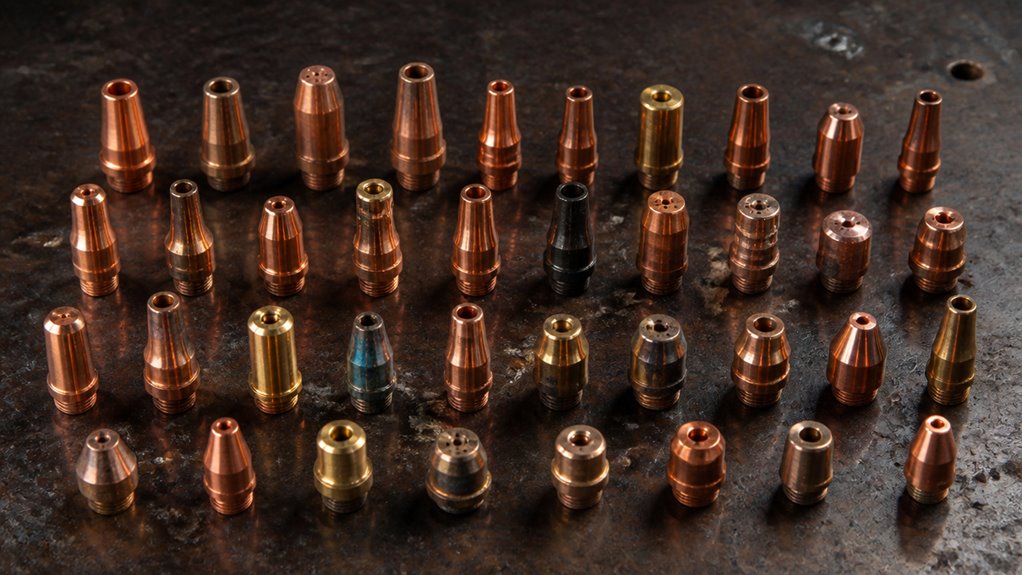
You need the right .035 welding tips to ensure stable wire feeding and peak arc transfer. Using the correct tip size matching your wire diameter prevents feeding issues like wire drag or interruptions.
Avoid oversized tips that reduce electrical contact and undersized ones that cause jamming. Choose tips made from durable copper alloys to maintain arc stability and extend service life.
Proper selection boosts weld quality and reduces downtime. Explore how optimizing tip choice can elevate your welding results.
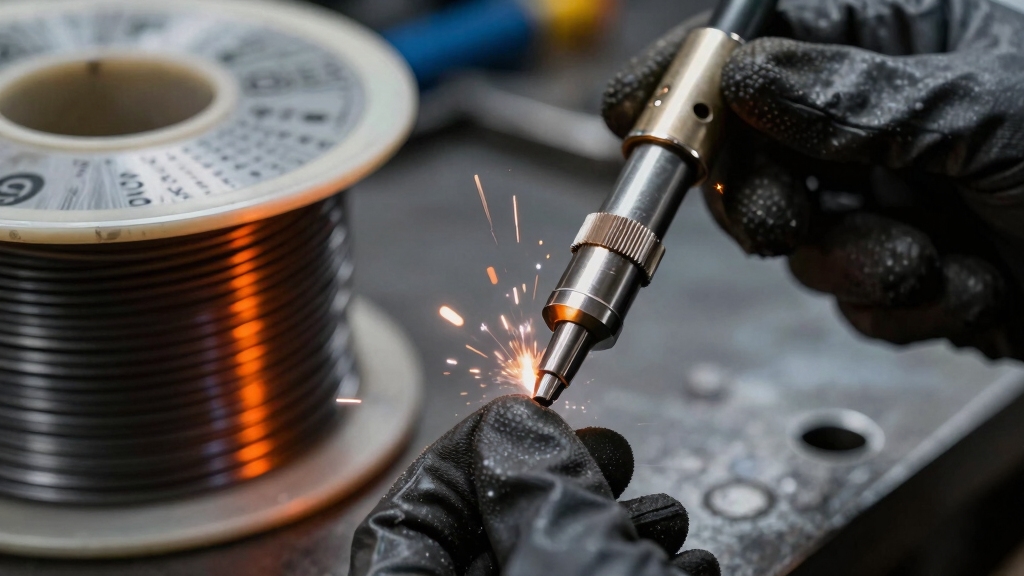
Choosing the right .035 contact tip is essential for maintaining stable wire feeding and peak arc transfer during MIG welding. You need to make certain the tip matches the wire diameter precisely to avoid feeding problems and inconsistent electrical contact.
Selecting the correct .035 contact tip ensures stable wire feed and optimal arc transfer in MIG welding.
Oversized tips reduce contact reliability, while undersized ones increase wire drag and risk feeding interruptions. Pay attention to the modeling and brand compatibility, as tip designs vary across welding guns and consumable systems.
The tip’s material composition, typically copper or copper alloy, impacts arc stability and durability, so select accordingly for your application demands. Proper selection minimizes downtime and enhances welding consistency.
Always verify that the tip supports your gun’s specifications and operational parameters to optimize performance and maintain arc quality throughout your welding tasks.
Additionally, ensuring precise wire feed control and matching wire diameter can reduce stoppages and improve arc stability for uniform weld quality.
Making sure your contact tip matches the .035 MIG wire diameter directly influences wire feed stability and arc consistency. You must select a tip sized precisely for .035-inch wire to maintain optimal electrical contact and prevent feeding issues.
An oversized tip compromises electrical transfer, causing erratic arcs. An undersized tip increases wire drag and disrupts feed smoothness. Most .035 tips are made from copper or copper alloys, enhancing conductivity and durability to withstand spatter and heat.
Compatibility also depends on your MIG gun model. Forney, Miller, Lincoln, and Tweco each require specific tip designs for proper fit and performance. Regularly inspect and replace tips to preserve weld quality.
Matching your tip to the .035 wire diameter guarantees consistent current flow, stable arc characteristics, and reliable feeding during welding operations.
Because the contact tip guides the wire through the MIG gun, a properly sized .035 tip is essential for maintaining stable wire feeding. If the tip matches the wire diameter precisely, you guarantee consistent electrical contact and smooth feeding.
A correctly sized .035 contact tip ensures consistent electrical contact and smooth, stable wire feeding.
Here’s why it matters:
Choosing the correct .035 tip size optimizes your welding setup by enhancing wire feed stability and overall arc control. Maintaining steady wire feed speed is crucial to keep consistent amperage and penetration during welding.
You really need to match your contact tip to your wire diameter. This is crucial for keeping that electrical contact consistent. When you use an oversized tip, it can cause some serious issues with reliability.
Think about it: erratic arc behavior and unstable wire feeding can really throw a wrench in your work. That mismatch can mess up current transfer, and before you know it, your arc control goes out the window. So, sticking to the right size is key for smooth operation! Regularly inspect and replace worn consumables to maintain arc stability and reduce spatter buildup.
When selecting a contact tip, matching its size precisely to your wire diameter is critical for maintaining stable electrical contact. Oversized tips reduce the contact area between the wire and tip, causing inconsistent current transfer and erratic arc behavior.
Undersized tips, conversely, increase wire drag, risking feeding interruptions. To avoid electrical contact issues, keep these points in mind:
Precise tip-to-wire fit ensures reliable arc control and prevents electrical disruptions during welding. Additionally, copper coatings on wires and tips improve electrical conductivity, stabilizing the arc and ensuring consistent wire feeding.
Oversized contact tips throw off wire feeding by increasing the gap between the wire and tip interior. This disrupts smooth wire travel, leading to erratic wire feeding and unstable arc transfer.
This inconsistency degrades weld quality. When the tip diameter exceeds the wire size, electrical contact weakens, causing intermittent current flow and increased spatter.
You’ll notice fluctuations in arc length and poor penetration. Conversely, undersized tips cause excessive drag, risking wire deformation and feeding stalls.
To maintain peak arc control, always match your contact tip size precisely to the wire diameter—typically .035 in. for .035 in. wire.
Additionally, use high-conductivity copper alloy tips compatible with your gun model. This guarantees consistent electrical contact, reduces spatter buildup, and prolongs tip life.
These measures support reliable, smooth wire feeding in your welding process. Proper grounding with a high-quality copper ground clamp near the weld area also helps stabilize the arc and improve wire feed consistency.
If the contact tip is undersized relative to the wire diameter, it increases friction and resistance during wire feeding. This causes noticeable wire drag. This mismatch disrupts smooth wire delivery, leading to feeding inconsistencies and potential jamming. You’ll notice the wire may stall or kink inside the liner, compromising welding continuity.
Consider these critical impacts of using an undersized tip:
Matching the contact tip size precisely to your wire diameter is essential to prevent these issues and maintain peak welding performance. Regular equipment maintenance helps ensure smooth wire feeding and consistent arc performance.
Understanding the differences between copper and copper alloy .035 contact tips can materially influence your welding efficiency and arc stability.
Copper tips offer excellent electrical conductivity and resist spatter buildup, supporting consistent wire feed and arc transfer. However, pure copper wears faster under heavy-duty conditions, reducing service life.
Copper alloy tips, by contrast, combine conductivity with enhanced durability, allowing better current transfer and longer tip lifespan. This balance minimizes downtime caused by frequent replacements.
When selecting, confirm compatibility with your gun model and wire type to maintain stable feeding. While copper excels in conductivity, copper alloy tips provide superior wear resistance, making them ideal for demanding welding setups.
Choosing appropriately between these materials ensures you optimize performance and maintain consistent arc quality throughout your welding tasks. Proper maintenance and timely replacement of contact tips also help sustain consistent welding performance and reduce defects.
Enhancing arc stability, copper alloy tips deliver superior electrical conductivity combined with increased resistance to wear and spatter buildup.
Copper alloy tips boost arc stability with excellent conductivity and strong resistance to wear and spatter buildup.
When you use copper alloy tips, you gain precise control over the arc, reducing fluctuations caused by inconsistent current transfer.
Their improved conductivity guarantees smoother wire melting and consistent arc length, critical for high-quality welds.
Consider these key benefits:
Additionally, pairing copper alloy tips with ceramic MIG welding nozzles can further enhance arc stability and protect against thermal stresses in high-temperature welding.
To keep spatter buildup to a minimum, it’s a good idea to choose contact tips made from copper alloy. This material not only has excellent conductivity but also naturally resists weld spatter. By using copper alloy tips, you’ll maintain consistent electrical contact, which helps reduce arc instability that can happen when debris starts to accumulate.
Plus, when you implement these strategies for spatter resistance, you’re setting yourself up for longer tip life and more reliable weld quality. It’s a win-win! Additionally, worn or damaged contact tips cause arc instability that significantly increases spatter formation, so regular maintenance is essential.
Many welders rely on copper alloy contact tips because they offer superior conductivity and durability compared to pure copper. Using copper alloys helps you maintain a stable arc and reduces spatter buildup, which can degrade tip performance.
When selecting copper alloy tips, consider these key benefits:
Proper tip shape and grinding angles are essential to achieving optimal arc stability and prolonging tip life.
Minimizing spatter buildup on contact tips is critical for maintaining consistent arc quality and reliable wire feeding.
You’ll want to select tip materials that inherently resist spatter adhesion, such as copper alloys with enhanced conductivity.
These materials support stable electrical transfer and reduce the likelihood of spatter sticking to the tip surface.
Avoid oversized or undersized tips, as improper sizing can exacerbate spatter accumulation and cause feeding irregularities.
Regularly inspect tips for wear and spatter deposits, cleaning or replacing them promptly to sustain peak performance.
Additionally, maintaining proper welding parameters and shielding gas flow aids in reducing spatter formation.
By choosing the right tip material and adhering to maintenance protocols, you guarantee prolonged tip life and consistent weld quality.
This minimizes downtime and improves operational efficiency.
Regularly monitoring the condition of your .035 contact tips is essential to maintaining consistent welding performance and prolonging their lifespan.
These tips endure wear from electrical arcing, spatter buildup, and wire feed friction.
To maximize durability, focus on these factors:
When you’re picking out contact tip pack sizes, it’s important to think about how often you do maintenance. This way, you can strike a good balance between keeping your inventory stocked and minimizing downtime.
Larger packs can definitely lower the cost per tip, which sounds great, right? But if you don’t use them much, storing a big pack mightn’t be the best idea. Plus, tips can degrade over time, so you’d want to avoid that.
Choosing the right pack size for contact tips guarantees you maintain welding efficiency and reduce downtime.
Selecting an appropriate quantity assures you always have replacements on hand, preventing workflow interruptions.
When deciding, consider these factors:
Maintenance frequency directly influences how many contact tips you should keep on hand to avoid workflow disruptions.
If you weld continuously or at high amperage, tips wear out faster due to spatter buildup and heat exposure, requiring more frequent replacement.
You’ll want to stock larger packs of 10 or 25 counts to guarantee uninterrupted operation.
Conversely, if your welding is occasional or lower duty cycle, smaller packs suffice, minimizing storage and cost.
Regular inspection is vital; worn or damaged tips degrade wire feed stability and arc quality.
Match tip pack size to your maintenance schedule, considering amperage, wire type, and duty cycle.
Since contact tips wear at varying rates depending on your welding intensity and frequency, selecting the appropriate pack size directly impacts cost efficiency and workflow continuity. You want to minimize downtime while avoiding excess inventory.
Consider these factors when deciding on pack size:
Balancing these elements optimizes your maintenance budget and ensures consistent welding performance.
Regularly inspecting your .035 welding contact tips is essential to maintaining consistent wire feed and stable arc performance.
Replace tips immediately if you notice excessive spatter buildup, which disrupts electrical continuity and causes erratic arcs.
Also, look for signs of wear such as enlarged or deformed tip orifices; these affect wire alignment, increase drag, and degrade weld quality.
Frequent replacements depend on amperage, duty cycle, and wire type, so adjust your maintenance schedule accordingly.
Don’t wait for feeding issues or unstable arcs to signal replacement.
Proactive inspection prevents downtime.
Keep spare tips compatible with your gun model on hand to guarantee uninterrupted welding.
Clean, well-maintained tips maintain peak conductivity and arc stability, directly impacting weld consistency and overall performance.
Choosing between standard duty and heavy duty .035 tips depends on the intensity and duration of your welding tasks.
Standard duty tips suit lighter, intermittent work, providing adequate conductivity and arc stability for routine projects. Heavy duty tips, constructed with enhanced copper alloys or thicker walls, excel under continuous high-amperage conditions.
When deciding, consider:
Select heavy duty tips for demanding, high-volume work. Opt for standard duty when welding is lighter or less frequent.
If your welding projects involve Forney MIG welders, understanding the compatibility and performance of Forney .035 contact tips is key to optimizing your setup.
These tips are specifically designed for .035-inch MIG wire, ensuring precise wire feeding and stable arc transfer when matched correctly.
Forney .035 tips fit models like the 304, 306, and 308 MIG welders, maintaining electrical continuity with their high-conductivity copper alloy construction.
This material enhances current transfer and resists spatter buildup, promoting durability and consistent arc quality.
Using the correct Forney tip prevents wire drag and inconsistent feeding, which can degrade welds.
Regularly inspect your contact tip for wear and spatter accumulation to maintain peak performance and reduce downtime during your welding tasks.
When you work with various MIG guns, using Tweco-style .035 contact tips offers flexibility due to their widespread compatibility across multiple torch systems.
These tips are engineered for precise wire feeding and optimal arc stability, essential for consistent welding performance.
To maximize their effectiveness, consider the following:
You know, if you’re working with Miller M-Series MIG guns, you’ll definitely want to check out those Miller .035 tips. They fit perfectly, making sure you get the best performance out of your setup.
When you match the tip size to your .035-inch wire diameter, it really helps keep everything stable, from the feed to the arc transfer.
Plus, these tips are usually made from a copper alloy, which not only boosts conductivity but also adds some serious durability. That means you can count on consistent weld quality every time you fire up your machine. Pretty handy, right?
Although Miller offers a range of MIG welding guns, their .035 contact tips are specifically engineered to fit the M-Series models. This guarantees peak wire feed and arc stability.
When selecting tips, confirm compatibility to avoid wire feed interruptions and maintain consistent arc performance.
Here are key compatible Miller gun models for .035 tips:
Using the correct tip guarantees electrical continuity, reduces spatter buildup, and prolongs consumable life.
Selecting the right contact tip size directly impacts wire feed stability and arc quality. For Miller .035 tips, you must match the tip diameter exactly to the .035-inch MIG wire you’re using.
Using an oversized tip compromises electrical contact, causing inconsistent arc transfer and erratic wire feeding. Conversely, an undersized tip increases wire drag, leading to feeding issues and potential burnbacks.
Miller .035 tips are specifically designed for Miller M-Series welding guns, ensuring ideal compatibility and performance when paired with the correct wire diameter. This precise match promotes consistent wire speed, stable arcs, and smooth metal deposition.
Always verify gun model compatibility and maintain tips in good condition to sustain reliable operation. Proper wire diameter matching is essential for professional weld quality and operational efficiency.
When working with Miller .035 tips, understanding the benefits of their copper alloy construction is essential for optimizing welding performance.
Copper alloy enhances current transfer, guaranteeing stable arc and consistent wire melting.
This material also improves durability, resisting spatter buildup that can impair feeding and arc quality.
By selecting the right tip material, you maintain efficient electrical continuity and extend service life. Consider these benefits:
Using copper alloy Miller .035 tips means you get precise control, reliable feeding, and longer-lasting consumables for demanding welding tasks.
Lincoln Electric .035 tips deliver reliable performance for both solid and flux-cored wire applications, ensuring consistent electrical contact and stable arc transfer.
Designed specifically for .035-inch wire, these tips maintain precise wire feed and minimize drag, vital for stable arc and quality welds.
Constructed from high-conductivity copper alloys, they optimize current flow and resist spatter buildup, extending tip life and reducing downtime.
Compatibility spans a broad range of Lincoln MIG guns, supporting efficient maintenance and replacement.
You’ll find these tips available in multiple pack sizes, facilitating inventory control in demanding welding environments.
To maintain peak welding performance, regularly inspect and replace tips showing wear or spatter accumulation.
Selecting Lincoln Electric .035 tips ensures you achieve consistent feed rates and superior weld quality in both solid and flux-cored wire processes.
While Lincoln Electric .035 tips excel in versatility for solid and flux-cored wire, Velocity-Series .035 tips cater specifically to the demands of Tweco Velocity torch systems.
You need these tips to assure optimal wire feeding and arc stability within your Tweco setup.
Their copper alloy construction maximizes electrical conductivity while resisting spatter buildup, enhancing durability.
When selecting Velocity-Series tips, consider these critical factors:
Using Velocity-Series .035 tips properly guarantees reliable, efficient welding with your Tweco Velocity torch.
To ensure a stable arc and consistent weld quality, it’s crucial to keep that contact tip in good shape. When spatter builds up on the tip, it can really mess with the current flow. This disruption might lead to erratic wire feeding, which definitely affects arc performance.
Because the contact tip serves as the electrical conduit between the welding gun and the wire, its condition directly affects arc stability and quality.
Maintaining peak electrical continuity is essential to prevent erratic arcs and inconsistent weld beads. You need to make certain:
Managing spatter buildup on the contact tip is critical to maintaining consistent arc quality and welding performance.
When spatter accumulates, it disrupts the electrical contact between the wire and tip, causing erratic arc transfer and unstable arc characteristics.
This interference can lead to uneven melting and poor bead appearance.
Excessive buildup also increases resistance, forcing the welding power source to compensate, which may cause arc fluctuations or wire feeding interruptions.
You must inspect tips regularly and remove spatter deposits promptly to preserve peak conductivity and arc stability.
Using copper alloy tips helps resist spatter adhesion, extending service life.
Ignoring spatter buildup reduces tip efficiency, degrades weld quality, and increases the risk of equipment downtime.
Prioritize maintenance to guarantee precise, stable arcs and consistent welding results.
Maintaining ideal contact tip condition directly influences wire feeding consistency, which is essential for stable arc performance. When your contact tip wears or accumulates spatter, it disrupts electrical contact and increases wire drag, causing erratic feeding.
To optimize arc quality, focus on these key factors:
When you select the correct .035 contact tip that matches your wire diameter and gun model, you guarantee steady wire feed speed and stable arc performance.
Using a tip too large causes inconsistent electrical contact, leading to erratic feeding. Conversely, an undersized tip increases friction and wire drag, disrupting feed smoothness.
A tip too large causes erratic feeding; too small increases friction and disrupts smooth wire feed.
Choose tips made from high-conductivity copper alloys to enhance current transfer and maintain arc stability. Regularly inspect tips for wear or deformation, replacing them promptly to avoid feed interruptions.
Assure compatibility with your specific welding gun, such as Forney, Tweco, Miller, or Lincoln, to optimize fit and function. Proper tip maintenance and selection directly influence wire feeding consistency and welding quality, reducing downtime and improving overall weld integrity.
Keep spare tips accessible to maintain uninterrupted operation.
In welding operations, spatter buildup on .035 contact tips markedly reduces their lifespan by impairing electrical contact and disrupting wire feed.
To extend tip life, you need to actively manage spatter by following these key steps:
Controlling spatter buildup on contact tips helps maintain welding performance. Nozzle size also plays a key role in technique and accessibility. A larger nozzle improves gas coverage and cooling but may limit access to tight joints.
Conversely, smaller nozzles enhance maneuverability in confined spaces but can reduce shielding effectiveness. Selecting the right nozzle size optimizes your welding angle, travel speed, and bead quality.
| Nozzle Size | Impact on Technique |
|---|---|
| Large (e.g., 1-1/4″) | Better gas coverage; less access to tight joints |
| Medium (e.g., 7/8″) | Balanced gas coverage and access |
| Small (e.g., 5/8″) | Excellent joint access; reduced shielding |
| Extra Small | Ideal for intricate welds; requires skill |
Choose nozzle size based on joint geometry for precise, consistent welds.
Although flux-core and solid wire welding share fundamental principles, setting up your welder for each requires distinct adjustments to optimize performance. You must tailor wire feed speed, voltage, and contact tip selection to your wire type for prime arc stability and weld quality.
These adjustments promote efficient wire melting and stable arcs tailored to your welding wire type.
You really need to keep an eye on your .035 contact tips. Checking them regularly for spatter buildup and wear is crucial.
Both of these factors can seriously affect wire feeding and arc stability.
Even a little bit of spatter can throw off electrical continuity, which is something you definitely want to avoid. Plus, if the tips are worn down, they can create more drag on the wire, leading to those pesky inconsistent arcs.
Regularly inspecting your .035 contact tips for spatter buildup is essential to maintaining consistent welding performance.
Spatter accumulation disrupts electrical conductivity and hinders smooth wire feeding, causing erratic arcs and poor weld quality.
You should look for:
Addressing spatter buildup promptly prevents tip clogging and prolongs consumable life.
Use appropriate tools to clean the tip without damaging its copper alloy construction, maintaining peak current transfer and arc stability.
Neglecting this inspection leads to erratic arc behavior, increased downtime, and compromised weld integrity.
Stay vigilant to make certain your welding setup performs reliably.
Consistently inspecting your .035 contact tips for wear is critical to sustaining peak welding performance and preventing costly disruptions.
Pay close attention to signs of erosion, such as enlarged or deformed tip orifices, which compromise wire feeding and arc stability.
Regularly clean spatter buildup to maintain ideal electrical conductivity, as excessive deposits increase resistance and cause erratic arcs.
Match the tip size precisely to your .035 wire diameter to avoid feeding issues caused by oversized or undersized tips.
Replace tips showing visible wear or damage promptly to prevent unstable arcs and wire jams.
Maintain an inventory of compatible Forney, Tweco, Miller, or Lincoln Electric tips tailored to your welding gun.
Proactive tip monitoring preserves consistent wire feed speed, improves arc quality, and minimizes downtime in your welding operations.
Keeping contact tips clean prevents electrical interruptions that can destabilize your arc and impair weld quality.
Clean contact tips ensure stable arcs and high-quality welds by preventing electrical interruptions.
Contaminants like spatter and oxidation increase resistance, causing erratic wire feeding and inconsistent current flow.
To maintain peak performance, follow these steps:
If your wire feed stutters or your arc fluctuates, you need to pinpoint the root cause quickly to maintain weld quality. Start by inspecting the contact tip for wear or spatter buildup, as this affects wire feeding and electrical contact.
Check that the tip size matches your wire diameter. Mismatched sizes cause drag or inconsistent arc transfer. Also, verify proper tension in the drive rolls and clean the liner to prevent wire snags. Finally, assess the wire spool for smooth rotation.
| Issue | Troubleshooting Step |
|---|---|
| Wire feed stutters | Inspect contact tip for wear |
| Arc instability | Verify correct tip size |
| Wire jams | Clean liner and drive rolls |
| Inconsistent arc | Check wire spool rotation |
| Electrical interruptions | Remove spatter from contact tip |
Address these systematically to restore stable wire feeding and arc performance.
After ensuring your contact tip is free from wear and spatter buildup to maintain stable wire feeding and arc consistency, consider how amperage and duty cycle impact the lifespan of your .035 contact tips.
Higher amperage increases heat and electrical stress, accelerating tip erosion and deformation.
Meanwhile, a higher duty cycle means longer active welding periods, leading to cumulative thermal fatigue.
To optimize tip life, keep these factors in mind:
Regularly stocking spare .035 contact tips guarantees you maintain uninterrupted welding operations by quickly replacing worn or damaged tips.
Since tip wear directly affects wire feed consistency and arc stability, immediate substitution prevents downtime caused by feeding issues or arc fluctuations.
Keep a supply compatible with your welding gun model and wire diameter.
Ensure proper fit to avoid electrical contact inconsistencies.
Store tips in organized packs, preferably in multiples of 10 or 25, so you can monitor inventory and reorder proactively.
Regular inspection combined with ready access to replacements minimizes operational interruptions, especially during high-amperage or continuous-duty welding.
Choose high-quality .035 contact tips to enhance wire feed stability and maintain consistent arc performance during welding. Matching the tip size precisely to your .035 wire diameter guarantees peak electrical contact and prevents feeding issues.
Copper alloy tips offer superior conductivity and resist spatter buildup, extending service life and preserving arc stability. Always select tips compatible with your specific welding gun model to ensure a secure fit and proper function.
Using quality .035 tips is critical for predictable welds and efficient operation.
When working in heavy spatter environments, you must prioritize maintaining clean contact tips to ensure consistent arc stability and wire feed.
Spatter buildup disrupts electrical contact, leading to unstable arcs and feeding interruptions. Regularly inspect tips for accumulated spatter and clean them using appropriate wire brushes or tip cleaners.
Spatter buildup hinders electrical contact, causing arc instability and feed interruptions—inspect and clean tips regularly.
Employ anti-spatter sprays on the nozzle and contact tip to minimize adhesion. Select contact tips made from copper alloys for enhanced conductivity and spatter resistance, extending service life.
Replace worn or heavily coated tips promptly to avoid wire drag and arc inconsistencies. Additionally, optimize your welding parameters to reduce spatter generation.
Keeping spare tips on hand ensures minimal downtime, allowing you to maintain productivity even in challenging spatter conditions.
These proactive steps will help you sustain welding quality under demanding environments.
When it comes to welding, matching your contact tip size to the metal thickness is crucial. It ensures that you get stable wire feeding and optimal arc performance. If you’re working with different metal thicknesses, just remember: the right tip can make all the difference!
Also, don’t forget about the tip’s material. Choosing one that’s compatible with your base metal really enhances conductivity and helps reduce spatter buildup while you weld. It’s these little details that can significantly boost your weld quality and even extend the life of your tips. So, keep these factors in mind for the best results!
Matching the correct contact tip size to the metal thickness guarantees peak wire feed stability and arc control.
When welding thinner metals, you’ll want a smaller tip size to maintain precise wire feeding without burn-through. For thicker metals, larger tips assure sufficient current transfer and a stable arc.
Consider these key points:
Selecting the right tip size relative to metal thickness optimizes weld integrity and efficiency.
Although selecting the correct contact tip size is essential, you must also consider the tip material’s compatibility with the metal thickness and welding application.
For thinner metals, tips made from copper alloys offer superior conductivity and arc stability. This minimizes heat buildup and prevents warping.
When working with thicker metals, you’ll benefit from heavy-duty tips designed to withstand higher amperage and prolonged use without degrading.
Copper tips resist spatter buildup, ensuring consistent electrical contact. This is critical for stable wire feed and clean welds.
Using incompatible tip materials can cause erratic arcs or excessive wire drag, compromising weld quality. Always match your tip’s material properties to the metal thickness and welding conditions for peak performance and durability.
This attention to detail enhances weld consistency and prolongs consumable life.
When selecting a .035 contact tip, the type of wire you use directly influences performance and tip longevity. Different wire materials and coatings affect electrical conductivity, feeding stability, and spatter buildup. All are critical to peak welding results. Consider these factors:
Choosing the correct tip for your wire type maximizes efficiency and reduces frequent replacements.
Regularly maintaining your .035 contact tips markedly extends their service life and guarantees consistent welding performance. Always match the tip size precisely to your wire diameter to assure stable wire feeding and consistent electrical contact.
Use tips constructed from high-conductivity copper alloys, as they resist spatter buildup and support efficient current transfer. Inspect tips frequently for signs of wear, spatter accumulation, and deformation, cleaning them promptly with appropriate tools.
Avoid excessive amperage and duty cycles that exceed the tip’s specifications to prevent premature deterioration. Store spare tips properly to avoid contamination or damage.
Before changing contact tips, you need to make sure the welder is powered off and cooled down to prevent injury and equipment damage.
Always power off and allow the welder to cool before changing contact tips for safety and equipment care.
Avoid common mistakes by following these steps:
Adhering strictly to these protocols extends tip life and maintains welding quality without unnecessary downtime.
Ensuring the correct installation of your .035 contact tip sets the stage for peak welding performance.
Recognizing the signs that indicate immediate replacement is equally important. You need to inspect the tip regularly for spatter buildup, which disrupts electrical contact and arc stability.
If you notice wire feeding issues like increased drag or inconsistent wire speed, these signal tip wear or deformation. Additionally, a visibly eroded or enlarged contact hole compromises electrical continuity and causes arc instability.
This demands prompt replacement. Avoid running a tip that’s rounded or cracked, as this leads to poor weld quality and possible equipment damage. Keep spare tips ready to minimize downtime.
Timely replacement maintains consistent current transfer, ensuring reliable, stable arcs essential for professional welding results.
When you’re choosing .035 contact tips, it’s essential to think about both cost and durability. Sure, higher-quality materials like copper alloys can boost performance, but they often come with a higher price tag. It’s a trade-off you’ll want to consider.
You’ll want to make sure the tip material offers consistent arc stability and can resist spatter buildup. This can really extend the life of your contact tips, saving you money in the long run.
And don’t forget about brand compatibility! It’s crucial to ensure that the tips you select work well with your specific welding setup, as this will help maintain proper wire feeding and electrical continuity.
Although opting for lower-cost .035 contact tips may seem economical upfront, you risk more frequent replacements due to wear and spatter buildup that degrade performance.
Investing in higher-quality tips enhances durability, reducing downtime and maintaining arc stability.
When weighing cost versus durability, consider these factors:
Balancing initial cost with long-term performance guarantees you select contact tips that optimize productivity and minimize operational interruptions.
Material composition directly influences the performance and lifespan of .035 contact tips, shaping both welding quality and operational costs.
When you select tips made from solid copper or copper alloys, you guarantee superior electrical conductivity. This promotes stable arc transfer and consistent wire melting.
Copper alloys especially enhance current transfer and resist spatter buildup, extending tip life and reducing maintenance frequency.
While pure copper tips offer good conductivity, alloyed versions provide greater durability under high-amperage or heavy-duty conditions.
Balancing cost against performance means considering your welding demands. Frequent, high-intensity use justifies investing in premium copper alloy tips, whereas lighter-duty applications may permit standard copper tips.
Ultimately, choosing the right tip material impacts feed stability, arc quality, and your overall welding efficiency. This minimizes downtime and consumable expenses.
When selecting .035 contact tips, understanding brand compatibility is vital to guaranteeing peak performance and controlling costs. Using tips designed specifically for your welding gun model ensures proper fit and consistent wire feed, reducing arc instability and wire jams.
Brand-specific tips also optimize electrical conductivity and spatter resistance, extending service life. To balance cost and performance effectively, consider these factors:
Choosing the right brand-compatible tip safeguards welding consistency while optimizing consumable expenses.
Ever wondered why your contact tips corrode faster in some environments? Moisture, humidity, and airborne contaminants accelerate corrosion by promoting oxidation on copper or copper alloy tips.
If you work in damp or salty conditions, the tips degrade quicker, reducing electrical conductivity and arc stability. You need to control your workspace environment or apply protective coatings to extend tip life.
This ensures consistent wire feeding and minimizes downtime caused by corrosion-related failures.
Yes, contact tip coatings can improve welding performance by enhancing electrical conductivity and reducing spatter buildup.
When you use coated tips, you’ll experience more stable arc transfer and consistent wire feeding.
These coatings also prolong tip life by minimizing wear and corrosion, which keeps your welding process smooth and efficient.
However, you must guarantee compatibility with your wire type and welding gun to fully benefit from these performance enhancements.
Imagine handling a tiny spark that could ignite chaos; that’s how careful you must be with welding tips.
Always wear heat-resistant gloves to prevent burns from residual heat. Keep tips clean to avoid spatter buildup, reducing arc instability.
Use eye protection to shield against flying particles. Store tips in a dry, organized space to prevent damage.
These precautions guarantee safety and maintain your equipment’s performance and longevity.
Your welding position directly impacts contact tip wear by affecting spatter accumulation and heat exposure.
Overhead or vertical positions often cause more spatter to settle on the tip, accelerating wear and electrical resistance.
In flat positions, gravity helps reduce spatter buildup, extending tip life.
You should adjust your technique and maintain consistent wire feed to minimize drag and overheating, which also contribute to premature tip degradation during different welding orientations.
When you’re working with exotic or non-ferrous metals, specialty tips act like a tailor-made suit, ensuring a perfect fit for your welding needs.
Yes, these tips exist, often crafted from copper alloys with enhanced conductivity and durability to handle unique melting points and prevent contamination.
They’re designed to maintain stable arcs and precise wire feeding, especially for aluminum or stainless steel.
This helps you achieve peak weld quality without sacrificing performance or consistency.
Choosing the right .035 contact tip is like tuning a finely crafted instrument. Each detail impacts your welding harmony.
Matching tip size guarantees smooth wire feeding. Avoiding oversized or undersized tips preserves arc stability and prevents costly disruptions.
By mastering these technical nuances, you extend tip life and optimize performance. This turns every weld into a precise, controlled masterpiece.
Remember, your contact tip is the conductor of your welding symphony. Handle it with expertise and care.
[…] inspecting tips for wear and spatter buildup helps maintain arc quality and consistent welding […]