Phone:
(701)814-6992
Physical address:
6296 Donnelly Plaza
Ratkeville, Bahamas.

Phone:
(701)814-6992
Physical address:
6296 Donnelly Plaza
Ratkeville, Bahamas.

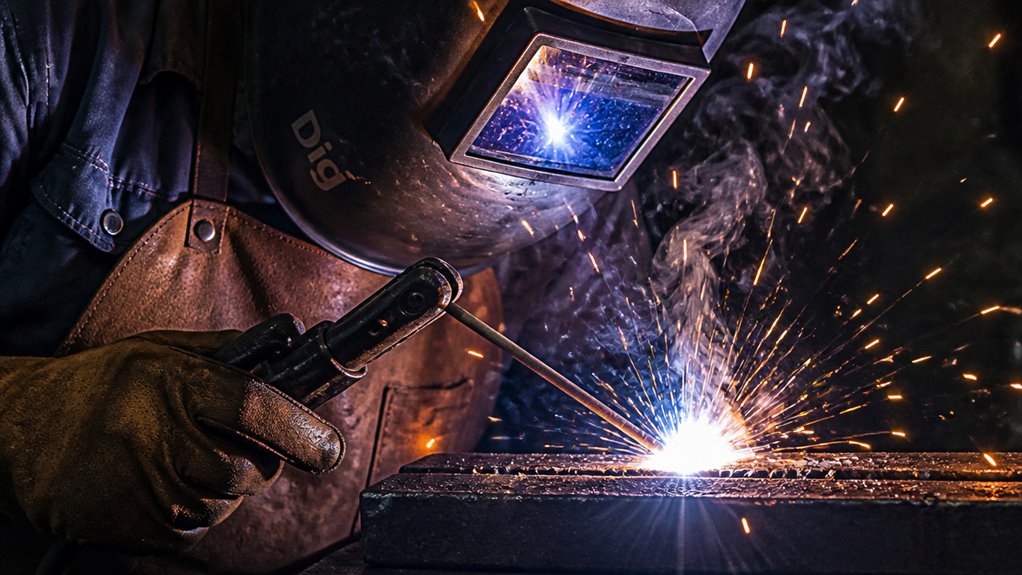
When welding with SMAW, dig detects the arc shortening and instantly boosts amperage to prevent electrode sticking and maintain arc stability.
This surge increases arc force, enhancing penetration and keyhole maintenance for stronger welds, especially in root passes and tight gaps.
You can adjust dig levels to match electrode types: high for aggressive rods like 6010 and lower for low-hydrogen rods like 7018.
This helps balance penetration without causing undercut or overheating.
Understanding these adjustments optimizes your weld quality and control.
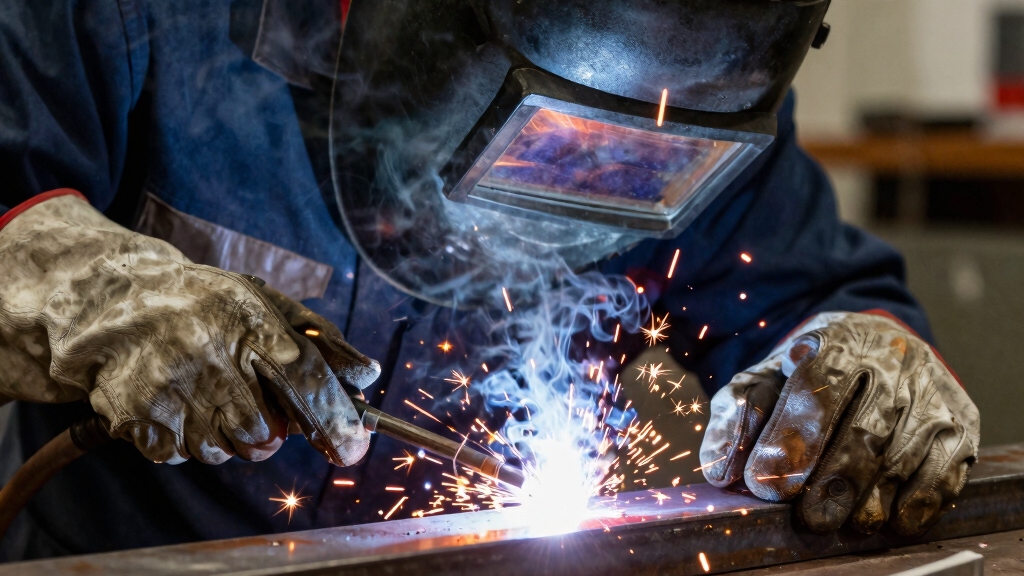
Dig in SMAW welding actively prevents the electrode from sticking by boosting amperage when the arc length shortens.
You’ll notice this automatic amperage increase responds directly to the voltage drop caused as the electrode approaches the weld puddle, sustaining arc stability.
This mechanism applies additional penetration force, enabling the arc to “dig” into the base metal effectively.
You can adjust dig settings, typically from 0 to 100%, to control this amperage spike’s aggressiveness based on electrode type and welding position.
By maintaining the arc during tight conditions, dig enhances your control when working in challenging scenarios like keyhole or narrow-gap welding.
This precise, real-time amperage modulation is fundamental for preventing arc extinction and ensuring consistent weld quality without manual intervention.
This behavior exemplifies the drooping voltage characteristic of CC power supplies, which stabilizes the arc by allowing voltage to vary as current adjusts.
When you’re welding with SMAW, you might notice something interesting happening as the electrode gets close to the puddle. That’s where dig comes into play! It detects a voltage drop and quickly boosts the amperage to prevent the electrode from sticking. Pretty cool, right?
This increase in amperage is crucial because it helps maintain the arc length, keeping everything stable while you’re welding. By actively adjusting the current based on the arc conditions, dig ensures that you get consistent penetration. Plus, it really cuts down on those annoying interruptions caused by electrode adhesion. So, overall, it makes the welding process smoother and more efficient!
This dynamic adjustment is similar to how a welding transformer uses magnetic shunts and taps to regulate current and maintain a stable arc.
Although the electrode approaches the weld puddle and causes a voltage drop, the welding machine senses this change and automatically increases amperage to maintain arc stability.
This instantaneous response prevents the arc from extinguishing as the short arc length reduces voltage. By detecting the voltage dip, the Dig function momentarily boosts current, counteracting the tendency of the electrode to stick.
This controlled amperage increase sustains a consistent arc, ensuring stable metal transfer and penetration.
You’ll notice that this voltage drop response is essential for tight arc conditions, especially in root passes or open gaps.
Adjusting the Dig setting tailors the sensitivity and magnitude of this current boost, allowing precise control over arc force and stability without manual intervention. This improves weld quality and reduces electrode sticking risk.
Maintaining the correct arc length is crucial in maximizing the effectiveness of the Dig function and ensuring overall weld consistency.
The amperage boost mechanism responds instantly to voltage drops caused by a shortening arc length, increasing current to sustain arc stability and prevent electrode sticking.
As the arc shortens, voltage falls, signaling the system to raise amperage momentarily. This surge maintains the arc by providing additional heat and penetration exactly when the electrode nears the weld puddle.
You can adjust the boost level, typically from 0 to 100%, to match electrode type and welding conditions. Higher settings deliver more aggressive arc force, ideal for electrodes like 6010, while lower settings suit low-hydrogen rods like 7018 to avoid excessive penetration.
Maintaining a short arc length helps stabilize the arc and is essential for effective dig control during vertical welding.
Consistently maintaining arc stability is critical to preventing electrode sticking during SMAW. The dig function senses voltage drops caused by a short arc length when the electrode nears the weld puddle.
It then automatically boosts amperage, sustaining the arc and preventing the rod from sticking. This rapid amperage increase enhances penetration and arc force, enabling you to maintain a stable, controlled weld puddle even in tight or keyhole welding scenarios.
Adjusting dig appropriately—high for 6010 rods and lower for 7018—ensures peak arc stability without causing excessive penetration or undercut. If dig is set too low, the arc risks extinction and sticking; too high, and you face harsh, unstable conditions.
This precise control of current and voltage through dig aligns with the principles of dynamic arc stabilization to maintain optimal welding conditions.
When you engage Dig in SMAW welding, the machine detects a drop in arc voltage as the electrode approaches the weld puddle. It immediately boosts amperage to maintain arc stability.
This amperage increase intensifies the arc force, concentrating heat at the weld interface and driving deeper penetration into the base metal. The enhanced arc force prevents the electrode from sticking by sustaining a stable, forceful arc even at short lengths.
As amperage rises momentarily, the weld puddle becomes more fluid, improving fusion and allowing you to “dig” into tight gaps or keyholes effectively. This control over arc dynamics optimizes penetration depth and bead profile, essential for root passes or open-gap welding.
You rely on this feature to balance heat input and weld integrity without manual amperage adjustment. Maintaining the correct arc length during digging is crucial to prevent electrode sticking and ensure a consistent weld bead.
Adjusting dig settings is really important, especially since different electrodes can behave quite differently. You’ll want to find the right balance between penetration and arc stability.
Don’t forget about the welding position! If you’re working vertically or overhead, you might need to tweak those dig levels compared to what you’d use for flat passes.
A good rule of thumb is to start with lower settings. Then, as you go, you can gradually increase the dig until you find that sweet spot where the arc is stable without going too deep or sticking. It’s all about making those small adjustments to get the best results! Adjusting dig also affects the heat input, which directly influences penetration and weld quality.
Adjusting dig settings precisely for different electrodes is crucial to optimize arc stability and penetration in SMAW welding.
For aggressive electrodes like 6010 or 6011, set dig levels high (70–100%) to maintain arc force and prevent sticking. This enables deep penetration and effective keyhole formation.
Conversely, low-hydrogen electrodes such as 7018 or 7024 demand lower dig settings to avoid excessive penetration and undercutting. This helps preserve weld bead integrity.
Start with a conservative dig value, then incrementally adjust based on arc behavior and weld position. Overly high dig on 7018 can produce harsh, gouged welds. Insufficient dig on 6010 risks arc extinction.
Fine-tuning dig settings per electrode type guarantees consistent arc response, weld quality, and minimizes defects during the SMAW process. The cellulose-based flux in 6010 rods produces a forceful spray-type arc that benefits from higher dig settings for maximum penetration.
Although electrode type plays a major role in setting dig levels, considering welding position is equally critical to achieve ideal arc stability and penetration.
Different positions affect arc length and puddle behavior, requiring tailored dig adjustments. For instance, vertical or overhead welds demand more controlled dig to avoid excessive penetration or undercutting.
You should evaluate position-related factors before finalizing dig settings.
Key position-based dig adjustment tips:
Use higher dig in vertical-up with aggressive rods (e.g., 6010) to maintain arc force.
Reduce dig in flat or horizontal positions with low-hydrogen rods (e.g., 7018) to prevent harsh arcs.
Moderate dig aids overhead welding by stabilizing short arcs.
Adjust dig lower during fill and cap passes to avoid excessive gouging.
Continuously monitor puddle behavior, adapting dig to position-specific weld dynamics.
Additionally, applying small, temporary welds such as tack welds during position changes can help maintain joint alignment and reduce distortion.
Fine-tune dig settings incrementally to match the specific electrode type and welding conditions. Start low, then increase gradually while monitoring arc stability and penetration.
For aggressive electrodes like 6010 or 6011, raise dig toward the 70-100% range to maintain a strong arc and deep penetration. For low-hydrogen rods such as 7018 or 7024, keep dig lower to prevent excessive penetration and undercut.
Adjusting dig in small steps allows you to balance arc force and weld quality without risking rod sticking or arc extinction. Always test settings under actual welding conditions, considering position and base metal thickness.
Incremental changes guarantee precise control over amperage boost, optimizing dig for root passes, gap bridging, or fill passes. This approach helps avoid common defects linked to improper dig adjustment.
The aggressive arc and deep penetration of 6011 rods make it essential to adjust dig carefully when welding on dirty or rusty surfaces to ensure strong fusion without excessive burn-through.
When you work with electrodes like 6010 and 7018, setting the dig correctly is crucial for peak arc behavior and penetration.
For 6010, a high dig setting (70-100%) guarantees aggressive arc force and deep penetration, essential for root passes and open gaps.
6010 requires a high dig setting (70-100%) for aggressive arc force and deep penetration.
Conversely, 7018 requires a low dig setting to maintain smooth arc stability and prevent excessive undercut or gouging.
Adjustments depend on welding position, amperage, and base metal thickness. Consider these factors:
Use high dig for 6010 to avoid rod sticking and maintain arc during short circuits.
Keep dig low on 7018 to reduce arc harshness and control penetration.
Start low, then incrementally increase dig based on electrode response.
Apply moderate dig on vertical 7018 passes to balance penetration.
Always test settings to match specific welding conditions precisely.
Adjusting dig settings for 6010 electrodes helps maintain arc stability during root passes. Understanding when to apply a high dig becomes even more important in root and keyhole welding scenarios.
You should increase dig when welding open root passes to guarantee the arc remains stable despite the open gap. This allows the arc force to penetrate deeply and maintain a consistent keyhole.
High dig settings, typically between 70-100%, boost amperage momentarily as the electrode nears the puddle. This prevents sticking and enhances penetration, which is critical for establishing a sound weld foundation in pipe welding or open gaps.
However, applying high dig outside these contexts risks excessive penetration and arc harshness. Use high dig selectively for root passes and keyhole welding to optimize arc control and penetration without compromising weld quality.
Although vertical and other challenging welding positions demand greater control, dig markedly enhances your ability to maintain arc stability and penetration.
By automatically increasing amperage during short arc lengths, dig prevents electrode sticking and sustains a consistent arc pool. This is essential for vertical and overhead welding where gravity affects molten metal flow.
Dig boosts amperage during short arcs to prevent sticking and maintain a steady arc pool in challenging welds.
This controlled penetration helps you avoid defects like lack of fusion or slag inclusion.
Key benefits of dig in these positions include:
Using dig correctly lets you tackle complex welds confidently and with improved quality.
If you set the dig too high, you risk excessive penetration that can cause undercutting and deep gouging in your weld, compromising its structural integrity.
High dig settings increase amperage aggressively during short arc conditions, which leads to overheating and material erosion along the weld toe.
This results in weakened joints prone to cracking. Conversely, if you set the dig too low, the amperage boost is insufficient to maintain a stable arc.
This increases the chances of electrode sticking and arc extinction. Low dig reduces penetration, causing poor fusion and incomplete root penetration, especially with aggressive rods like 6010.
Both extremes destabilize the arc and degrade weld quality. Precise adjustment is critical to balance penetration and arc stability tailored to electrode type and welding position.
When you begin testing dig settings on your welding machine, start by selecting the electrode type and welding position to match your intended application.
Then, adjust the dig incrementally, observing arc stability and penetration depth. Use test beads to analyze weld quality and avoid excessive undercut or sticking.
Adjust dig slowly while watching arc stability and penetration to ensure quality welds without undercut or sticking.
Focus on these key steps:
Begin with a low dig setting, especially for low-hydrogen electrodes like 7018.
Increase dig gradually for aggressive rods such as 6010 or 6011.
Monitor arc voltage drop and response to short arc conditions.
Evaluate penetration uniformity and bead profile on test welds.
Adjust dig based on welding position and base metal thickness for best control.
Yes, dig settings can vary between welding machine brands because each manufacturer designs their arc control algorithms and amperage response differently.
When you adjust dig, you’ll notice that the sensitivity, range, and aggressiveness may shift depending on the machine’s internal electronics.
You should always consult your specific machine’s manual and test settings incrementally to optimize arc stability and penetration. This ensures compatibility with your electrode and welding application.
Yes, adjusting dig affects electrode lifespan. Increasing dig boosts amperage during short arcs, intensifying heat and penetration, which accelerates electrode consumption.
If you set dig too high, especially with low-hydrogen rods like 7018, you risk excessive wear and premature rod depletion. Conversely, too low dig can cause sticking, leading to frequent rod replacements.
You adjust dig, you influence amperage; you change voltage, you affect arc length. You vary travel speed, you control bead shape.
Dig interacts by increasing amperage during short arcs, which can necessitate voltage tweaks to maintain arc stability.
Faster travel demands higher dig to guarantee penetration, while slower speeds require less dig to avoid burn-through.
Balancing these parameters improves weld quality and prevents defects like undercut or sticking.
Dig isn’t typically useful outside SMAW since it specifically manages short arc length and amperage spikes unique to stick welding.
Other processes like MIG or TIG control arc stability differently, often via voltage or pulse parameters.
You won’t find a “dig” setting on those machines because they don’t rely on the same electrode stick prevention or arc force modulation.
Improper dig settings can be like a ticking time bomb in your welding setup.
If you crank dig too high, you risk excessive penetration that weakens the joint and creates undercuts, compromising structural integrity.
Too low, and you might face frequent electrode sticking, causing arc instability and potential burns from sudden arc drops.
Both scenarios increase safety hazards. Unstable arcs can cause sparks or spatter, raising the risk of injury or fire in your workspace.
In SMAW welding, mastering dig settings is vital for stable arcs, deeper penetration, and preventing electrode sticking.
Remember, “measure twice, cut once.” Fine-tuning dig guarantees peak weld quality and efficiency.
Adjust dig based on electrode type and welding position to avoid defects and maintain control.
Don’t overlook testing your settings regularly; even small tweaks can transform your welds from weak to strong.
Precision in dig adjustment directly impacts your welding success.