Phone:
(701)814-6992
Physical address:
6296 Donnelly Plaza
Ratkeville, Bahamas.

Phone:
(701)814-6992
Physical address:
6296 Donnelly Plaza
Ratkeville, Bahamas.

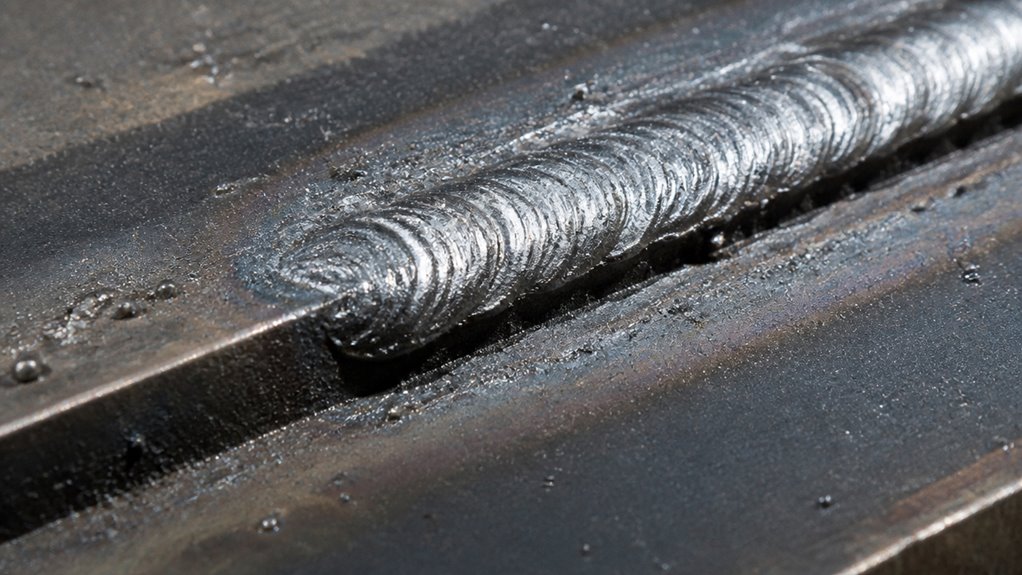
An undercut in welding is a narrow groove that forms along the weld toe when the base metal melts faster than filler metal fills the area, creating a sharp recess.
This reduces the cross-sectional thickness, weakening your weld by concentrating stress, lowering load capacity, and increasing crack risk.
Undercuts often result from excessive heat, wrong torch angles, or inconsistent travel speed.
If you want to understand how to spot, prevent, and fix undercuts effectively, keep exploring these details.
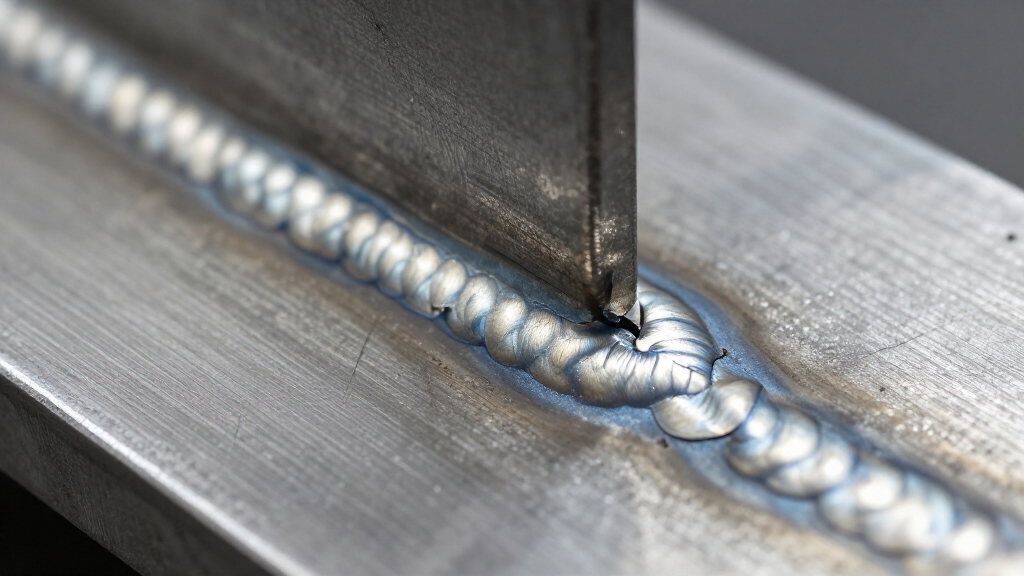
When you examine a weld closely, you might notice a narrow groove or depression running along the weld toe. This is known as welding undercut.
Undercut occurs when the base metal adjacent to the weld bead melts away but isn’t adequately filled by deposited weld metal. This results in a sharp recess or groove.
This defect reduces the cross-sectional thickness of the base metal at the joint, potentially compromising structural integrity.
It typically appears along the weld toe but can also occur at the root depending on joint configuration and welding parameters.
Industry standards classify undercut as a surface discontinuity rather than a mere cosmetic issue. Recognizing this feature precisely helps you assess weld quality and determine if corrective action or rejection is necessary.
Undercut is considered a stress concentrator which can significantly increase the risk of weld failure if not properly addressed.
Because undercut reduces the effective cross-sectional area of the base metal at the weld joint, it directly compromises the structural strength of the weld.
You’ll notice that sharp grooves act as stress concentrators, increasing the likelihood of crack initiation under load. This defect also diminishes fatigue resistance, making your welds less durable when subjected to cyclic stresses.
Furthermore, undercut creates sites for corrosion, accelerating material degradation. Understanding these impacts helps you appreciate why controlling undercut is critical for weld integrity.
Additionally, controlling heat input during welding is essential to prevent defects like undercut and maintain heat-affected zone integrity.
| Aspect | Impact on Weld Performance |
|---|---|
| Cross-sectional area | Reduced, lowering load capacity |
| Stress concentration | Increased, raising crack risk |
| Fatigue resistance | Decreased, shortening service life |
| Corrosion susceptibility | Elevated, promoting deterioration |
| Inspection outcomes | Likely rejection if limits exceeded |
Excessive heat input during welding often causes undercut by melting the base metal faster than the filler metal can adequately fill the groove.
When this imbalance occurs, the molten base metal recedes, leaving a groove along the weld toe.
You might also cause undercut by using excessive welding current or travel speed, which prevents proper filler metal deposition.
Maintaining an overly long arc length spreads heat unevenly and erodes the base metal edge.
Holding an incorrect torch or electrode angle directs heat away from the joint and reduces groove fill.
Each factor disrupts the delicate heat and filler metal balance needed for a uniform weld bead, increasing the likelihood of undercut formation.
Controlling these parameters precisely is essential to prevent this defect.
Additionally, improper torch angle and inconsistent travel speed can destabilize the arc and worsen undercut due to irregular weld pool dynamics.
In welding inspection, spotting undercut requires careful visual examination of the weld toe for narrow grooves or trenches.
Look for sharp depressions or continuous lines running alongside the weld bead. Use good lighting and magnification to detect subtle defects.
Measuring the depth and length of these grooves helps you assess severity against standards.
Undercut severity correlates directly with the risk of weld failure, so precise identification is critical.
A proactive approach to preventing undercuts involves controlling heat input and travel speed during welding.
| Indicator | Description | Inspection Tool |
|---|---|---|
| Groove Shape | Narrow, sharp trench at weld toe | Visual, Magnifying glass |
| Continuity | Continuous or intermittent line | Visual inspection |
| Depth & Length | Measure for defect severity | Weld gauge, Calipers |
After accurately identifying undercut during inspection, the next step is to apply effective prevention and repair techniques to maintain weld integrity. You’ll want to control heat input by setting proper amperage and maintaining a steady travel speed.
Controlling heat input and travel speed is key to preventing and repairing undercut in welds.
Keep your arc length short and your torch angle precise to avoid excessive melting at the weld toe. When repairing, start by cleaning the groove to bare metal.
Then carefully deposit filler metal to restore the profile without overheating. Blend the repair smoothly to the surrounding weld and inspect thoroughly to confirm full fill.
Proper arc length control ensures stable current flow, reducing the chance of undercut and improving overall weld quality.
Yes, undercut can affect different welding processes differently.
You’ll find that processes like SMAW, GMAW, and GTAW vary in heat input and control. This influences undercut risk and severity.
For example, GTAW offers precise heat control, reducing undercut chances. Meanwhile, SMAW’s manual nature might increase it if parameters aren’t carefully managed.
You need to adjust current, travel speed, and technique specific to each process to minimize undercut effectively.
You’ll find that some base metals are more “sensitive” to undercut than others.
For instance, softer metals like aluminum and low-carbon steel tend to be more prone due to their lower melting points and thermal conductivity.
Conversely, harder or alloyed steels resist undercut better.
Understanding these material traits helps you adjust heat input, travel speed, and technique precisely, minimizing the risk of that unwanted groove along your weld toe.
Undercut impacts weld inspection standards markedly because it creates stress concentration points and reduces joint strength.
You’ll find strict limits on undercut depth and length in codes like AWS or ASME to prevent failure risks.
During inspection, you must measure and document undercut severity carefully.
If undercut exceeds allowable criteria, the weld fails inspection, requiring repair or rejection to guarantee safety and structural integrity.
You’ll see automated welding systems slice through metal with steady arcs and consistent travel speeds, dramatically cutting undercut risks.
They precisely control amperage and maintain ideal torch angles, avoiding uneven heat that carves grooves into the weld edge.
With programmable parameters and real-time adjustments, these systems reduce human error, ensuring even filler metal deposition.
You’ll find that undercut creates stress concentration points, markedly weakening welded structures over time.
It reduces base metal thickness, making joints more prone to cracking and fatigue failure under cyclic loads or vibration.
Corrosion risk increases as grooves trap moisture and contaminants, accelerating deterioration.
Ultimately, undercut compromises structural integrity, reducing durability and safety, and often leads to costly repairs or premature component replacement in critical applications.
If you want your welds to hold strong, you can’t afford to ignore undercut.
Like a silent thief, it weakens joints by creating stress points that lead to failure.
You must recognize its causes, spot it early, and apply precise techniques to prevent or repair it.
Mastering this skill guarantees your welds aren’t just visually sound but structurally reliable, safeguarding your work from hidden vulnerabilities.