Phone:
(701)814-6992
Physical address:
6296 Donnelly Plaza
Ratkeville, Bahamas.

Phone:
(701)814-6992
Physical address:
6296 Donnelly Plaza
Ratkeville, Bahamas.

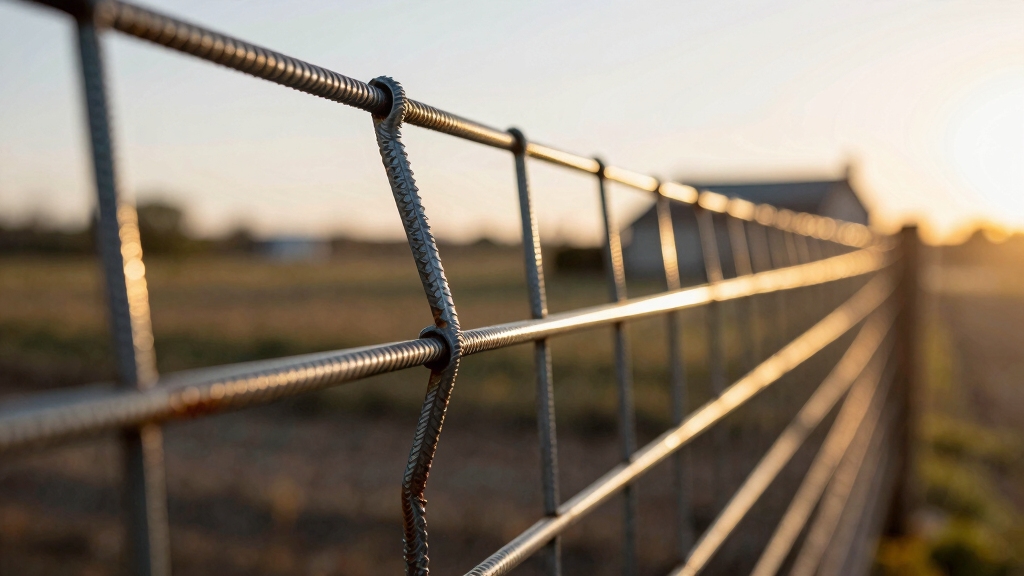
You can build a durable welded wire fence by using galvanized or vinyl-coated steel mesh combined with sturdy 2×4 and 2×2 framing, secured with galvanized staples. Pressure-treated decking adds stiffness.
Installing 4×4 posts with Simpson Strong-Tie EZ Spikes speeds up setup while resisting rot. Choose mesh sizes tailored to the animals you’re protecting.
Self-closing hinges and secure latches enhance gate function. Continuing on, you’ll find practical tips for maximizing longevity, security, and style.
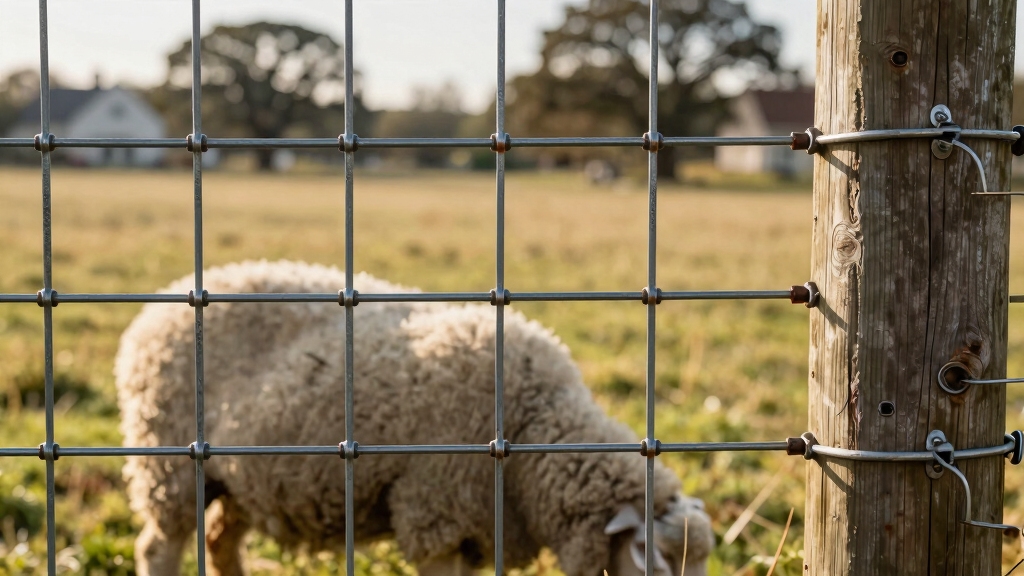
Although many fencing options exist, welded wire fencing stands out for its exceptional durability and effective animal protection.
You’ll appreciate its galvanized or vinyl-coated steel construction, which resists corrosion and maintains structural integrity over time.
The tightly welded joints prevent sagging or deformation, ensuring long-term stability against animal pressure and environmental stress.
With varying mesh sizes—from ½” hardware cloth to 2” openings—you can tailor your fence to block small pests or contain larger animals securely.
Installing it with sturdy 4×4 posts and proper fastening methods further enhances resilience.
To protect your garden or livestock, you can bury the fence underground or add an outward ground apron for burrow prevention.
This fencing solution combines strength, longevity, and reliable containment, making it your best choice for lasting animal protection.
For optimal results in metal work such as fence fabrication, ensuring the use of high-purity argon gas can prevent contamination and improve weld integrity.
Begin by constructing a robust frame using 2×4 and 2×2 lumber to securely support your welded wire fencing.
Install horizontal 2x4s at the top and bottom between your 4×4 posts, fastening each with 2-1/2 inch deck screws for maximum stability.
Next, position vertical 2x2s evenly between these 2x4s to create firm attachment points for the wire mesh.
Make certain all framing lumber is pressure treated to resist decay.
After securing the wire mesh inside the frame with galvanized staples, reinforce the top edge by attaching a 5/4 pressure-treated deck board as a cap.
Screw it down to tie sections together and stiffen the structure.
This precise framing method guarantees long-lasting durability and solid integrity for your welded wire fence installation.
To ensure the best protection against corrosion, consider the benefits of powder coating galvanized steel for the wire mesh and staples used in your fence.
With a sturdy frame in place, selecting the appropriate welded wire mesh is key to effectively protecting your animals and garden areas. You’ll want mesh that balances strength, visibility, and deterrence against predators and pests.
Consider these options:
Choosing the right mesh guarantees you protect your animals effectively while maintaining fence longevity and ease of maintenance. Proper equipment maintenance ensures that your fencing materials and tools perform reliably over time.
You can speed up fence installation markedly by using Simpson Strong-Tie EZ Spikes to set your 4×4 posts.
These galvanized steel spikes drive directly into the ground with a sledgehammer or post driver, eliminating the need for concrete footings.
Galvanized steel spikes install quickly with a sledgehammer, removing the hassle of concrete footings.
Simply position the post inside the EZ Spike sleeve and secure it with the built-in lag screws, ensuring a tight, stable fit.
This method drastically reduces curing time and allows immediate continuation of framing work.
The spikes provide superior lateral stability and resist rot by elevating posts above soil.
Once posts are set, you can attach your 2×4 top and bottom rails, then install vertical 2x2s for wire mounting.
This system promotes a fast, durable, and professional-grade welded wire fence build without specialized tools or extended delays.
For enhanced durability and efficiency in metalwork projects, consider integrating a welding rig to provide consistent power and organization for on-site welding tasks.
Secure your gate efficiently by selecting hardware designed for durability and ease of use.
Functional hardware guarantees your welded wire fence gate operates smoothly and withstands frequent use while maintaining security.
Prioritize self-closing hinges for automatic closure, a sturdy latch system for reliable locking, and appropriate spacers to prevent sagging.
Additionally, ensuring your workspace is secure and well-organized with proper clamping techniques can help maintain gate alignment during installation.
Implementing these elements will provide a secure, functional gate that complements your welded wire fence’s structural integrity.
After ensuring your gate operates smoothly and securely, consider enhancing your welded wire fence with features that provide privacy and elevate its aesthetic appeal.
You can add solid 5/4 pressure-treated deck boards as a top cap to stiffen sections and create a clean finish. Incorporate vertical 2×2 framing between upper and lower 2x4s to securely attach the wire mesh and support additional privacy elements, such as wood slats or lattice panels.
Applying a solid color deck stain, like black, not only protects treated wood but also modernizes the look. For increased privacy, integrate white slats or corrugated metal sheets within the wire mesh, balancing style with functionality.
This approach maintains the fence’s structural strength while giving your property a refined, private boundary. To ensure durability and long-lasting appearance, consider surface preparation techniques before painting or staining any metal components.
If you’re looking to save some cash on welded wire fencing, you can start by choosing budget-friendly materials. Galvanized welded wire rolls and pressure-treated wood are great options. They offer durability without the hassle of constant upkeep—so you can focus on what really matters.
Now, when it comes to installation, there are some quick methods that can really cut down on costs. Using 4×4 posts with EZ Spikes means you can skip the concrete altogether, which saves you both time and money on labor and materials.
And here’s a little tip: employing wire clips and screws can simplify the whole process. This makes it super accessible and efficient, especially if you’re a beginner. So, you can tackle your fencing project with confidence!
Ensuring proper installation torque when fastening components can significantly improve the durability and reliability of your fence assembly.
Many affordable options exist for welded wire fencing materials that help you stay within budget without sacrificing durability or function.
Choosing galvanized wire rolls or vinyl-coated mesh gives you corrosion resistance at a reasonable price.
You can save by selecting T-posts instead of wooden posts. They require no concrete and speed up installation.
Pressure-treated lumber for framing and top caps offers longevity, reducing future maintenance costs.
Consider these cost-effective materials:
Using these materials guarantees a strong, lasting fence while keeping your investment manageable. Incorporating fabrication techniques ensures precise cutting and assembly for a quality fence structure.
Selecting cost-effective materials lays the foundation for a budget-friendly welded wire fence, but employing efficient installation techniques further reduces expenses and labor time.
Start by using 4×4 posts with Simpson Strong-Tie EZ Spikes, eliminating the need for concrete and accelerating post setting. Frame with 2x4s and 2x2s, attaching wire with 1-1/2” galvanized staples for secure fastening.
Cut welded wire to section size for a clean fit and minimize waste. Alternatively, T-posts combined with wire clips and screws offer a quick, concrete-free option.
Use pressure-treated decking as a top cap to stiffen the structure without complex carpentry. These methods require minimal specialized tools, reduce installation time, and extend fence longevity, delivering a durable, professional-grade fence at a lower overall cost. Ensuring proper alignment and controlled gaps during installation is essential for achieving leak-proof connections and long-lasting structural integrity.
To maintain and clean your welded wire fencing, regularly inspect for rust, loose staples, or damaged sections.
Use a wire brush to remove dirt and rust spots, then apply a rust-inhibiting primer and paint if needed.
Clear debris and vegetation near the fence to prevent moisture buildup.
Tighten or replace fasteners promptly.
For vinyl-coated wire, wash with mild soap and water to preserve coating integrity and avoid harsh chemicals that could degrade the finish.
Yes, you can paint or stain welded wire fencing after installation, but the effectiveness depends on the wire’s coating.
Galvanized or vinyl-coated wire resists paint adhesion, so you’ll need to use a metal primer designed for galvanized surfaces before painting.
For wooden frames, staining is straightforward and enhances durability.
Proper surface preparation guarantees long-lasting results, so clean and dry the fence thoroughly.
Choose suitable exterior-grade paints or stains for peak protection and appearance.
You’ll need heavy-duty wire cutters or bolt cutters to cleanly cut welded wire mesh to size. For shaping or bending, use locking pliers or a pair of sturdy needle-nose pliers to manipulate the mesh without damaging it.
A metal ruler or measuring tape will help guarantee precise cuts. Always wear protective gloves and safety glasses to prevent injuries from sharp edges or flying debris during cutting and shaping.
Weather conditions act like relentless sculptors, shaping your welded wire fence’s durability.
Moisture accelerates rust on uncoated wire, while UV exposure degrades vinyl coatings over time.
Temperature fluctuations can cause metal expansion and contraction, risking loosening connections.
To maximize longevity, choose galvanized or vinyl-coated wire and pressure-treated wood.
Install buried sections to prevent ground moisture damage.
Regular maintenance counters weather’s wear, ensuring your fence stays structurally sound and corrosion-resistant.
Yes, welded wire fences are safe for pets beyond chickens and dogs when you employ appropriate mesh sizes and installation techniques.
You should select smaller mesh, like ½” hardware cloth, to prevent smaller animals from squeezing through or injuring themselves.
Burying the fence 12” underground or bending the wire outward as a ground apron deters burrowing.
Proper framing and secure staples guarantee your pets won’t get caught or escape.
You might think welded wire fencing is just a simple barrier, but it’s actually your best bet for durable, secure animal protection.
With sturdy frames, the right mesh, and smart hardware, you’re not just building a fence; you’re creating a reliable fortress.
And installing it quickly with EZ spikes? That’s almost too easy. So, if you want to spend less time fixing and more time enjoying, welded wire fencing is ironically the smartest, most efficient choice you didn’t expect.
[…] choosing between welded and woven wire often depends on factors like corrosion resistance, with galvanized or vinyl-coated welded wire offering enhanced durability in outdoor […]