Phone:
(701)814-6992
Physical address:
6296 Donnelly Plaza
Ratkeville, Bahamas.

Phone:
(701)814-6992
Physical address:
6296 Donnelly Plaza
Ratkeville, Bahamas.

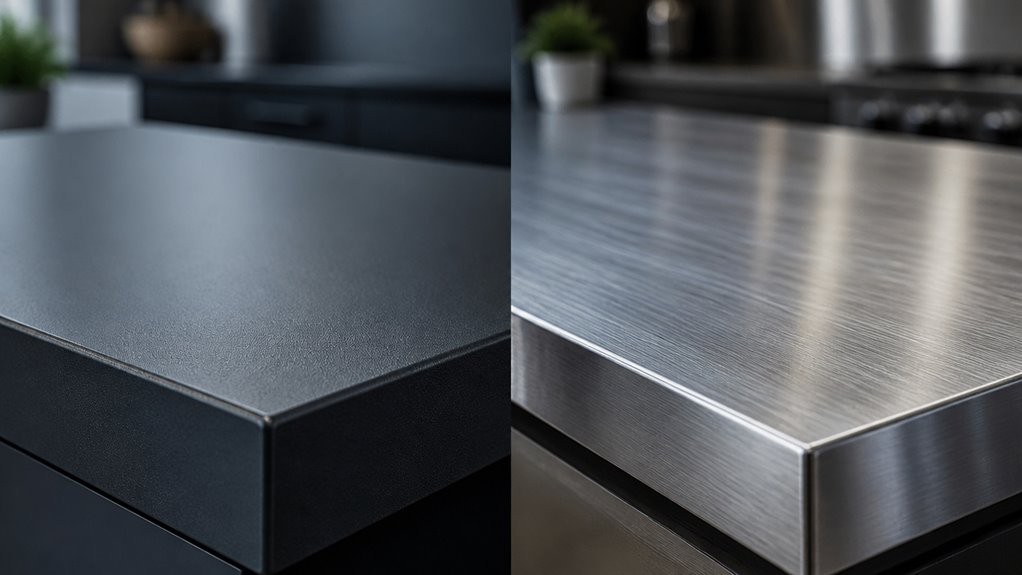
You’ll find powder coated steel cost-effective and color-flexible, relying on a cured film to protect carbon steel. However, it’s vulnerable if the coating chips or scratches.
Stainless steel, with its chromium-rich alloy, offers inherent, self-healing corrosion resistance and superior durability, especially in harsh or chloride-rich environments.
Powder coated steel needs more frequent inspection and maintenance, while stainless steel demands less upkeep but carries a higher upfront cost.
Understanding the specifics helps you choose the best fit for your needs.
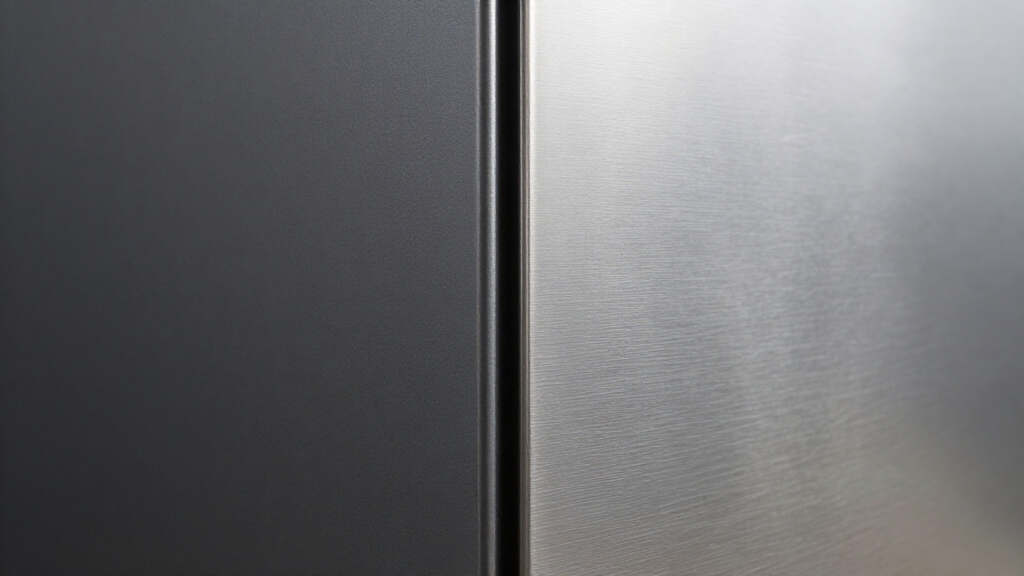
Powder coated steel is a carbon steel substrate coated with a dry powder that, when cured under heat, forms a hard, protective layer.
This coating creates a durable barrier against environmental factors, improving corrosion resistance compared to bare steel.
The application involves electrostatically applying the powder, which then melts and cures to create a uniform, adherent film.
This process requires precise control of temperature and surface preparation to guarantee adhesion and durability.
While the powder coating resists chipping and scratching better than conventional paint, any damage can expose the steel, accelerating corrosion.
You must also consider that pretreatment steps like cleaning and phosphating are critical.
Without them, the coating’s protective function diminishes markedly, affecting the steel’s long-term performance in corrosive environments.
Proper surface preparation and maintained coating thickness are critical to preserving corrosion resistance.
Although both materials aim to resist corrosion and provide durable surfaces, stainless steel achieves these goals through its inherent chromium-rich alloy composition.
In contrast, powder coated steel depends on an externally applied protective film that can be compromised by physical damage or improper preparation.
You’ll notice that stainless steel’s corrosion resistance stems from a passive chromium oxide layer integrated into the metal matrix. This makes it less sensitive to surface breaches.
Powder coated steel’s protection relies entirely on the integrity of the coating. Any chip or scratch exposes the base steel to oxidation.
Additionally, stainless steel tolerates abrasive and chemical exposure better without immediate degradation. Powder coated surfaces require careful maintenance to avoid underfilm corrosion.
This fundamental difference influences repair complexity and long-term durability in demanding environments.
However, when welding galvanized or coated steels, controlling zinc fume hazards is critical to ensure safety and weld quality.
When it comes to corrosion resistance, stainless steel really shines thanks to its chromium content. This element forms a protective passive layer that helps keep rust at bay.
On the other hand, powder coated steel has a different story. Its protection hinges entirely on the integrity of that coating. So, if there’s any damage, the substrate underneath is at risk of exposure, which can lead to corrosion.
Now, let’s talk about environmental factors. Things like the presence of chlorides or coastal conditions can significantly affect how these materials perform. With stainless steel, you might find it holds up better in harsher environments, while powder coated steel may require more maintenance to keep it looking good and functioning well.
To enhance corrosion protection at weld joints on steel, weld-through primers can be applied before welding to provide sacrificial and barrier protection where coatings might be disrupted.
A critical factor in corrosion resistance is the chromium content within the steel alloy. It directly influences the formation of a protective passive layer.
Stainless steel typically contains at least 10.5% chromium, enabling a stable, self-repairing oxide film that shields the substrate from corrosive agents. This passive layer grants stainless steel inherent resistance to oxidation and chloride-induced corrosion, especially in aggressive environments.
Powder coated steel, in contrast, relies primarily on its external coating for corrosion protection. Its base carbon steel contains minimal chromium. Without sufficient chromium content, once the powder coating is compromised, the underlying steel rapidly corrodes.
Consequently, chromium’s role is fundamental. It determines whether corrosion resistance is intrinsic, as in stainless steel, or dependent on an intact surface barrier, as with powder coated carbon steel. However, when coatings are damaged, as with aluminized steel weld zones, the exposed metal becomes more susceptible to rust, highlighting the importance of coating repair in maintaining corrosion resistance.
Maintaining coating integrity plays an essential role in determining the corrosion resistance of powder coated steel compared to stainless steel.
You rely on the powder coating as a continuous barrier that prevents moisture and corrosive agents from reaching the steel substrate.
Any chip, scratch, or poor pretreatment compromises this barrier, accelerating corrosion at exposed areas.
In contrast, stainless steel’s chromium-rich passive layer provides inherent corrosion resistance, even if surface scratches occur, because the oxide film self-repairs under proper conditions.
While powder coated finishes offer excellent initial protection, their long-term performance depends heavily on damage control and maintenance to avoid underfilm corrosion.
Consequently, you must monitor and promptly repair any coating breaches on powder coated steel.
Stainless steel tolerates minor surface damage without immediate corrosion risk.
Regular maintenance, including cleaning with mild detergents and avoiding abrasive cleaners, is crucial to preserving coating integrity and preventing corrosion on powder coated steel surfaces.
When exposed to harsh environments, the corrosion resistance of stainless steel and powder coated steel diverges markedly due to their differing protective mechanisms.
Stainless steel relies on a chromium-rich passive layer, offering intrinsic resistance, especially in chloride-rich or coastal settings.
Powder coated steel depends entirely on its coating as a barrier, making it vulnerable if the surface is damaged.
Consider these factors:
Successful powder coating of galvanized steel requires thorough cleaning and timely application to ensure optimal adhesion and corrosion resistance.
Your choice hinges on environment severity and maintenance capability.
Although both powder coated steel and stainless steel offer durable solutions, their performance under stress differs markedly due to their surface properties and construction.
Powder coated steel relies on the integrity of its coating as a primary barrier against abrasion and corrosion. Any damage like chipping or scratches compromises protection and accelerates substrate degradation.
In contrast, stainless steel’s chromium-rich passive layer provides intrinsic corrosion resistance, maintaining durability even when scratched.
Powder coated finishes resist fading and chipping better than conventional paints but remain vulnerable if the coating is breached.
Stainless steel withstands harsh environments, especially chloride-rich ones, more reliably without coating dependency.
For demanding applications, powder coated stainless steel combines a hard protective film with inherent alloy resilience, enhancing overall durability beyond bare powder coated carbon steel.
Welding plays a critical role in assembling these materials into strong, permanent structures, ensuring structural integrity under various stress conditions.
You’ll find that powder coated steel demands more frequent inspections and timely repairs to prevent corrosion from spreading beneath damaged areas.
In contrast, stainless steel relies on its chromium-rich passive layer and typically requires less intervention, mainly routine cleaning and occasional passivation depending on exposure.
When maintaining these materials, consider:
Proper surface preparation and the use of compatible corrosion-resistant primers can significantly extend the lifespan of powder coated steel.
This analytical approach helps optimize performance and longevity of your steel choice.
Because damage to powder coated steel is typically localized and superficial, you can easily perform spot repairs or recoating without extensive disruption.
Stainless steel repair, however, often involves grinding, welding, and passivation, making it more complex.
Powder coating provides a broader palette of colors and textures, enhancing design flexibility.
Stainless steel offers a metallic, reflective finish unless further treated.
Powder coated stainless steel combines corrosion resistance with color customization but demands strict surface prep and cure control.
Chemical stripping methods allow efficient removal of powder coat for repair or refinishing when necessary, using chemical strippers to dissolve coatings for easier recoating.
| Material | Repair Complexity | Finish Options |
|---|---|---|
| Powder Coated Steel | Spot repair, recoating | Wide color/texture range |
| Stainless Steel | Grinding, welding needed | Metallic, reflective |
| Powder Coated Stainless | Surface prep critical | Color plus corrosion resistance |
You know, powder coated steel really shines in architectural and indoor settings, especially when you’re looking for something budget-friendly and colorful.
On the flip side, stainless steel is the go-to choice for those tough environments, like food processing or marine applications, where corrosion is a big concern.
When you’re deciding between the two, it’s important to think about environmental factors.
For instance, if there’s a chance of exposure to chlorides or abrasion, stainless steel has an edge because it naturally resists those challenges.
But here’s a cool idea: combining powder coating with stainless steel can give you the best of both worlds.
You get enhanced durability along with great design flexibility, making it perfect for those outdoor projects or decorative uses.
It’s definitely worth considering!
Additionally, the presence of a corrosion-resistant coating like powder coating can significantly extend the lifespan of steel in harsh environments.
When selecting materials for your project, understanding the typical applications of powder coated steel versus stainless steel can help you choose the right option for performance and longevity.
Powder coated steel excels in architectural elements and indoor fixtures, offering cost-effective corrosion resistance with aesthetic flexibility.
Stainless steel is ideal where inherent corrosion resistance is critical, such as in marine, medical, or food processing environments.
Powder coated stainless steel merges durability with decorative finishes for demanding applications.
Consider these common uses:
This overview guides your material choice to match environmental and functional demands precisely.
Although both powder coated steel and stainless steel offer corrosion resistance, their suitability depends heavily on specific environmental conditions.
You’ll find powder coated steel ideal for architectural elements, indoor fixtures, HVAC components, and fences where moderate protection and aesthetics suffice. Its coating acts as a barrier but requires maintenance to prevent substrate exposure.
Stainless steel, particularly grades like 316, excels in chloride-rich, marine, medical, and chemical processing environments due to its inherent corrosion resistance.
When you need durability in harsh outdoor or coastal settings, bare stainless steel guarantees long, maintenance-free service.
For applications demanding both color flexibility and enhanced protection, powder coated stainless steel combines attributes, serving well in aggressive environments like outdoor railings and equipment housings.
Your choice hinges on balancing exposure severity, maintenance capacity, and desired lifespan.
How do design and finish choices influence the selection between powder coated steel and stainless steel? Your choice depends largely on aesthetics, durability, and application environment.
Powder coated steel excels when you need diverse colors and textures. It’s ideal for architectural elements, furniture, or indoor fixtures.
Stainless steel offers a naturally metallic, reflective finish. This makes it suited to sanitary, marine, or chemical settings where corrosion resistance is critical.
Consider these factors:
Since upfront costs heavily influence project budgets, understanding the cost and lifecycle value of powder coated steel versus stainless steel is essential for informed decision-making.
Powder coated steel offers a lower initial cost due to cheaper materials and finishing. Stainless steel demands a premium, particularly with corrosion-resistant grades like 316.
However, powder coating extends service life and reduces recoating frequency, positively impacting lifecycle costs in less aggressive environments. Stainless steel’s inherent corrosion resistance lowers maintenance expenses, especially in harsh conditions.
| Factor | Powder Coated Steel | Stainless Steel |
|---|---|---|
| Initial Cost | Lower (30–70% cheaper) | Higher |
| Maintenance Frequency | Higher | Lower |
| Service Life Expectancy | Moderate | Longer |
| Lifecycle Cost Impact | Cost-effective if well maintained | Justified by durability |
You should definitely consider powder coated steel if cost efficiency is high on your list, especially when you want to keep corrosion protection in mind for moderate environments. It really strikes a nice balance between affordability and durability.
Plus, one of the best things about powder coated steel is its design flexibility. You can choose from a wide variety of colors and textures, which is perfect if your project has a specific aesthetic in mind.
Just a heads-up, though: regular maintenance is key. You’ll want to keep an eye out for any coating damage to prevent corrosion of the substrate. With a little care, you can ensure your powder coated steel looks great and lasts for a long time!
Many projects benefit from choosing powder coated steel when budget constraints and moderate environmental exposure are primary concerns.
It offers a cost-effective balance between durability and upfront expense, especially where corrosion risks are manageable.
You should consider powder coated steel in these scenarios:
Although stainless steel offers inherent corrosion resistance, powder coated steel provides superior design flexibility that often makes it the preferred choice for projects requiring specific aesthetic or functional finishes.
You can select from a broad color spectrum, various textures, and customized finishes. This tailoring allows the appearance to match architectural or branding demands without compromising durability.
Powder coating also allows precise control over coating thickness, enhancing surface performance.
| Feature | Powder Coated Steel | Stainless Steel |
|---|---|---|
| Color Options | Extensive (customizable) | Limited (metallic hues) |
| Texture Variety | Multiple (matte, gloss, etc.) | Minimal |
| Repairability | Spot repairs feasible | Complex (welding/passivation) |
This flexibility supports innovative designs and cost-effective customization. Powder coated steel is ideal for visually demanding environments.
Balancing design flexibility with upkeep demands requires careful evaluation of maintenance factors. When choosing powder coated steel, consider how the coating’s integrity impacts corrosion resistance and lifespan. Unlike stainless steel, powder coated steel needs regular inspections to detect and repair damage promptly, preventing underfilm corrosion.
Key maintenance considerations include:
This approach guarantees peak durability while leveraging powder coating’s design versatility.
When your project demands inherent corrosion resistance without reliance on surface coatings, stainless steel stands out as the best choice.
Its chromium-rich passive layer provides durable protection against corrosion, especially in chloride-rich or coastal environments where powder coating may fail if damaged.
You should opt for stainless steel when maintenance access is limited or when long-term reliability is critical, such as in marine, medical, or chemical processing applications.
Additionally, stainless steel tolerates scratches without immediate risk of corrosion, unlike powder-coated steel, which depends on coating integrity.
While stainless steel entails higher upfront costs, its reduced maintenance and superior durability offer better lifecycle value in aggressive settings.
Choose stainless steel when you need inherent corrosion resistance, minimal upkeep, and dependable performance under harsh environmental or sanitary conditions.
You can recycle both powder coated steel and stainless steel, but powder coated steel requires extra steps to remove the coating before melting.
Stainless steel’s recycling is more straightforward since it’s a single alloy without surface barriers.
While powder coated steel’s coating must be stripped or burned off, stainless steel’s corrosion resistance and alloy composition allow for more direct recycling.
This often results in higher material recovery efficiency and purity.
Imagine a medieval knight facing a scorching desert sun and icy winds.
When you expose powder coated steel to temperature extremes, the coating risks cracking, fading, or losing adhesion.
This is especially true under rapid thermal cycling.
Stainless steel, however, maintains structural integrity and corrosion resistance better at high and low temperatures due to its alloy composition.
You’ll find stainless steel more stable in harsh thermal environments.
In contrast, powder coatings demand careful application and maintenance to endure.
Yes, you’ll find environmental concerns differ in producing powder coated steel versus stainless steel.
Powder coating involves energy-intensive curing and generates overspray waste, requiring careful disposal.
Stainless steel production demands significant mining and refining of chromium and nickel, causing higher emissions and resource depletion.
You should weigh powder coating’s chemical use and energy against stainless steel’s alloy extraction footprint when evaluating environmental impact for your project.
Back in the days of knights and castles, you’d expect a long wait.
Today, powder coated steel items typically have lead times of 2-4 weeks due to coating and curing steps.
Stainless steel fabrication usually takes longer, 4-8 weeks, because of more complex machining, welding, and surface finishing.
Custom grades or intricate designs can extend these timelines.
You can expedite powder coating more easily than stainless steel’s thermal and passivation processes.
You generally won’t experience allergic reactions from powder coated steel itself.
The coating acts as a barrier preventing skin contact with the base metal.
However, if the coating is damaged, underlying metals containing nickel or other allergens could be exposed.
Stainless steel, especially grades like 316, is typically hypoallergenic due to its chromium-rich passive layer.
When choosing between powder coated steel and stainless steel, think of them as two tools in your arsenal. Each is designed for specific challenges.
Powder coating offers a vibrant shield against corrosion. Stainless steel’s innate resilience is like a fortress standing unyielding through time.
Your decision hinges on the battlefield: cost, maintenance, and environment. By understanding their distinct strengths, you’ll wield the right material with precision.
This ensures longevity and performance tailored to your project’s demands.