Phone:
(701)814-6992
Physical address:
6296 Donnelly Plaza
Ratkeville, Bahamas.

Phone:
(701)814-6992
Physical address:
6296 Donnelly Plaza
Ratkeville, Bahamas.

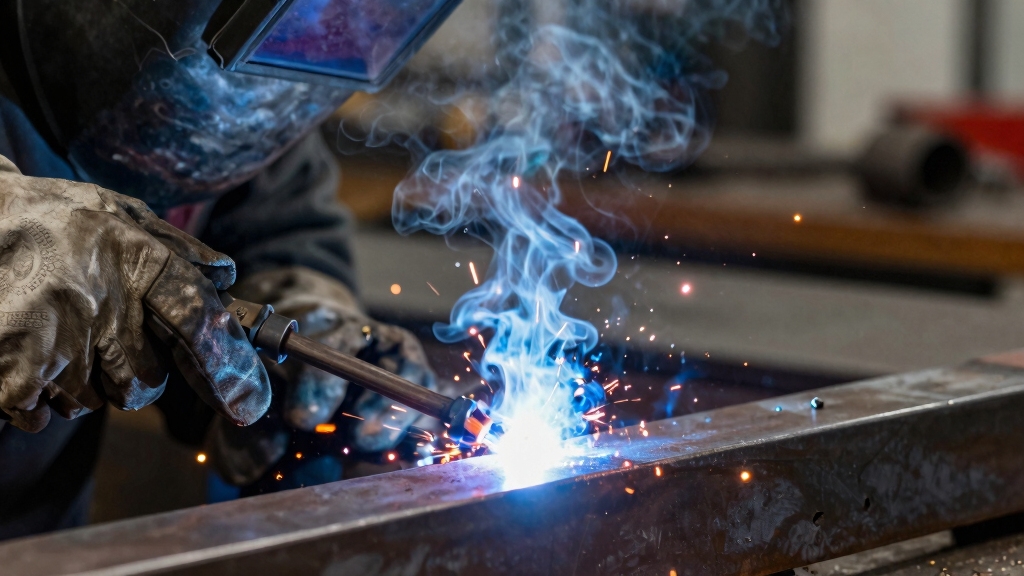
Welding time depends on your project’s size, material thickness, and chosen process.
Small repairs take minutes to a few hours, while structural jobs span days.
Thicker metals need slower passes and more heat, extending durations.
MIG welding speeds completion on thicker sections, while TIG suits thin or critical joints but is slower.
Setup, positioning, and handling also add significant time.
Efficient planning and skilled workforce allocation help reduce delays.
Exploring these factors helps you better estimate welding duration.
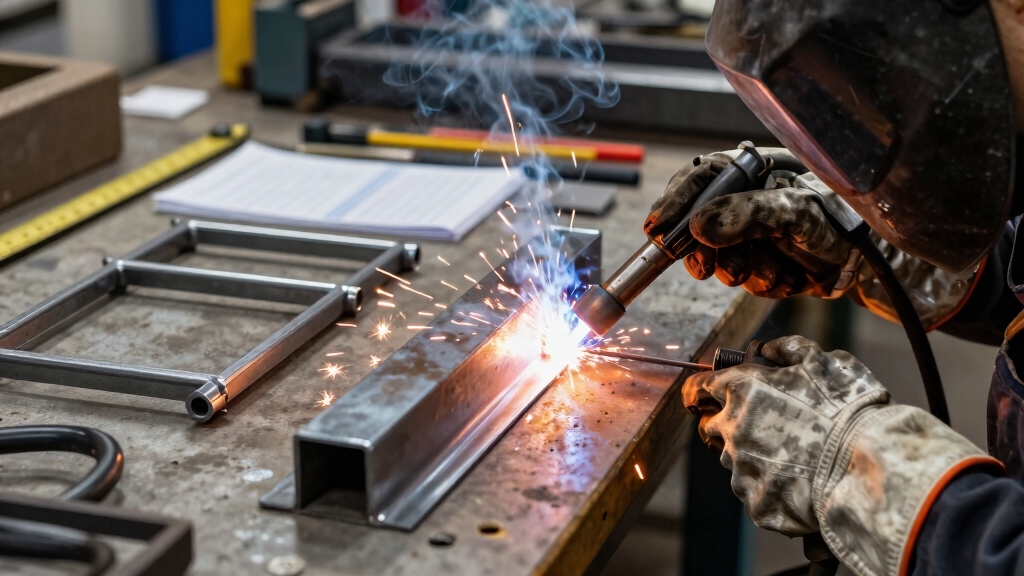
When you take on welding projects, the time required varies considerably depending on the scope and complexity.
Welding project timelines fluctuate greatly based on the scale and intricacy of the work involved.
Minor repairs or simple tasks often finish within minutes to a few hours, as individual welds for small fixes proceed quickly.
Medium-sized jobs, such as structural steel work, typically require one to two days, balancing welding and necessary preparation.
Large-scale projects like bridges or buildings extend welding duration to days, weeks, or even months due to volume and scale.
Pipeline installations, for example, demand considerable time because of extensive weld lengths and environmental factors.
Understanding these typical durations helps you plan resources and set realistic deadlines.
Keep in mind, the project type directly influences how you allocate labor and equipment to maintain efficiency throughout each welding phase.
Additionally, maintaining precise control of heat input during welding is essential to prevent defects and ensure joint integrity, which can affect overall project timelines.
Although welding time depends on multiple factors, the size and complexity of your project play a critical role in determining its duration.
Larger projects, like structural frameworks or pipelines, extend welding time from hours to days or weeks due to increased weld lengths and repositioning requirements.
Complex designs with intricate joints and custom fabrications demand more preparation, careful fit-up, and slower welding speeds, increasing overall time.
Simple repairs or routine welds take markedly less time, often minutes to hours, as they require minimal setup and straightforward techniques.
Keep in mind that as complexity grows, so does the time spent on positioning, cleaning, and handling between welds.
Efficient planning and understanding your project’s scale and intricacy help you estimate welding time more accurately.
Additionally, selecting the appropriate multi-pass welding technique is essential for thicker materials, as it significantly impacts both welding quality and duration.
Material type and thickness markedly impact how long welding takes, as each requires specific techniques and heat input to achieve proper penetration and strength.
Thicker materials demand higher heat and slower travel speeds to guarantee full penetration, which increases welding duration.
For example, welding mid-range thicknesses (1/8″ to 3/8″) typically allows travel speeds of 20 to 30 inches per minute, while thicker sections slow down due to limited wire feed deposition rates.
Thin materials require careful control to avoid burn-through, often necessitating slower passes and precise fit-up, which adds time.
Additionally, different metals may need specialized preparation or techniques, further influencing welding speed.
Understanding these factors helps you accurately estimate and optimize welding time based on material characteristics alone.
Employing pulse MIG welding can improve heat control on thin materials, potentially optimizing welding duration without compromising quality.
Selecting the right welding process markedly impacts your project’s speed and overall efficiency.
Choosing the appropriate welding method significantly enhances both the pace and efficiency of your project.
For instance, MIG welding offers a higher deposition rate of 6 to 8 kg per hour, letting you complete welds faster compared to TIG welding.
TIG is slower but provides finer control and superior weld quality. Your choice depends on material type, thickness, and quality demands.
MIG excels with thicker materials and production work due to its speed, while TIG suits thin sections or critical welds requiring precision.
Additionally, process efficiency influences total welding time. Faster wire feed and continuous operation in MIG reduce pauses, accelerating completion.
Understanding these distinctions helps you optimize welding duration without sacrificing quality. This ensures your project meets timelines and standards effectively.
MIG welding is also highly versatile across a wide range of metals, which supports faster project turnaround times in diverse applications.
Because preparation and setup involve multiple detailed steps, they substantially add to your overall welding time.
You need to clean and prep materials thoroughly to guarantee weld integrity, which prevents defects and rework.
Setting up equipment, selecting the proper welding process, adjusting parameters, and loading fixtures consumes additional time.
Safety measures, such as donning protective gear and verifying ventilation, also contribute to the total duration.
For larger or more complex projects, setup time increases proportionally due to fixture adjustments and extensive material handling.
While weld deposition might be quick, positioning and prep often multiply the total time by three to five times.
Efficient preparation minimizes errors but demands your full attention.
This makes it a critical, time-consuming part of the welding process that directly influences project success.
Proper training and a strong safety mindset ensure all preparation steps are performed correctly to minimize injury risks and delays.
You know, positioning really can make a huge difference in your welding efficiency. It’s surprising, but it can actually multiply your actual weld time by three to five times! That’s a significant impact, right?
Then there are handling tasks to consider. Things like spatter removal and moving materials can really add to the overall duration of the project. So, if you want to streamline your process, optimizing these elements is essential.
In the end, taking a closer look at how you position and handle materials can really help reduce your total project time. It’s all about working smarter! Additionally, choosing the right welding method based on material suitability can further improve efficiency and weld quality.
Accounting for positioning during welding is essential since it can multiply the actual weld time by three to five times.
When you factor in the time spent adjusting the workpiece and preparing for each weld, efficiency drops markedly.
To optimize your workflow, consider these key points:
Additionally, maintaining consistent stickout and shielding gas flow during welding helps ensure weld quality despite positional challenges.
While positioning markedly affects welding time, handling materials and equipment also extends the overall duration. You’ll find that moving heavy components, securing fixtures, and adjusting tools require significant effort beyond the welding arc itself.
Each handling step, lifting, aligning, clamping, adds minutes that accumulate, especially on large or complex assemblies. Inefficient material flow or awkward access points slow your pace further.
Additionally, spatter removal and equipment recalibration between welds increase downtime. Proper planning minimizes unnecessary handling by optimizing workflow and tool placement, ultimately improving welding efficiency. Ensuring a secure clamping setup helps reduce movement and rework, saving time during welding.
You know, cutting down on welding time can really make a difference in your project’s efficiency. One of the best ways to do this is by creating a smooth workflow that limits unnecessary movement and repositioning.
It’s all about keeping things flowing, right?
Also, think about how you allocate your resources. If you set everything up so that equipment and materials are readily available when you need them, you can avoid a lot of downtime.
It’s frustrating to have to stop because something isn’t where it should be!
By planning these details in advance, you’re not just saving time; you’re also minimizing delays and helping to keep your project on track.
It’s amazing how a little planning can go a long way!
Integrating welding efficiently within the overall fabrication workflow ensures precision and strength from start to finish.
Since welding projects involve multiple stages beyond just arc time, designing an efficient workflow can substantially reduce overall duration. You can optimize every step by aligning tasks logically and minimizing downtime. Focus on these key areas:
In addition, incorporating microbreaks and stretches into the workflow helps maintain welder focus and reduce muscle fatigue, contributing to overall efficiency.
Although welding projects often hinge on skill and equipment, effective resource allocation plays a critical role in reducing overall welding time.
You should allocate your workforce based on skill sets and project complexity to minimize bottlenecks. Assign experienced welders to intricate sections and less complex tasks to those with appropriate training.
Plan material delivery and equipment setup in advance to avoid downtime between welds. Use scheduling tools to coordinate shifts and machine availability, ensuring continuous operation.
Properly sequencing tasks reduces repositioning and handling time, which can triple welding duration. Additionally, maintain equipment regularly to prevent unexpected failures.
You need to wear proper PPE, including a welding helmet with the correct shade, flame-resistant gloves, and protective clothing to prevent burns.
Make sure adequate ventilation to avoid inhaling harmful fumes. Keep a fire extinguisher nearby and clear the work area of flammable materials.
Always check your equipment for damage before use, secure your workpiece firmly, and never weld in damp or wet conditions to prevent electric shock.
Stay alert and follow safety protocols strictly.
You’ll find that windy conditions can reduce weld quality by causing shielding gas to disperse, leading to porosity and weak joints.
In fact, wind speeds over 10 mph markedly increase defects. Rain or moisture complicates arc stability and risks contamination, requiring extra drying and prep time.
Cold temperatures slow cooling rates, affecting weld integrity.
To maintain precision, you’ll need windbreaks, shelters, and strict environmental monitoring during outdoor welding projects.
Common welding defects include porosity, cracks, slag inclusion, and undercut.
To avoid them, you’ll maintain clean, dry materials and proper shielding gas coverage to prevent contamination.
Control heat input to reduce cracking and use correct welding parameters for your material thickness.
Remove slag between passes and ensure proper joint fit-up.
Consistent technique and equipment calibration also help you produce defect-free welds, improving strength and durability.
Want your welding equipment to last longer? Regularly clean and inspect components like nozzles, tips, and cables to prevent buildup and wear.
Replace worn parts promptly and make certain of proper calibration for accuracy. Lubricate moving parts and store gear in a dry, dust-free area to avoid corrosion.
Don’t skip routine maintenance schedules or ignore minor issues. Proactive care saves costly repairs and downtime, keeping your equipment reliable and efficient over time.
You’ll need certifications like the AWS Certified Welder for general proficiency.
Depending on your specialization, you might require ASME Section IX certification for pressure vessels or API certifications for pipeline welding.
Some employers ask for specific process certifications, such as MIG or TIG welding qualifications.
Always verify regional or industry-specific standards, as regulatory bodies often mandate additional credentials.
Staying certified guarantees you meet safety and quality standards consistently.
You’ll find that welding time hinges on project size, material thickness, and process type.
You’ll spend minutes or hours preparing, positioning, and handling materials to guarantee precision and safety.
You’ll reduce delays by planning well, choosing the right tools, and mastering techniques.
Just as sparks fly swiftly with skillful hands, your welding projects will flow smoothly when you balance speed, accuracy, and preparation.
This approach turns complexity into efficiency and effort into quality results.