Phone:
(701)814-6992
Physical address:
6296 Donnelly Plaza
Ratkeville, Bahamas.

Phone:
(701)814-6992
Physical address:
6296 Donnelly Plaza
Ratkeville, Bahamas.


You’ll rely on flexible welding tips to reach tight or awkward joints while maintaining consistent arc stability.
Their adjustable design lets you access confined spaces without extreme torch angles, improving operator comfort and reducing spatter.
Match tip size precisely to wire diameter for smooth feeding and stable arcs. Choose recessed or flush tips based on welding mode and current.
Proper tip recess, stickout, and nozzle material selection extend consumable life and weld quality.
Discover how to optimize these factors for your specific applications.
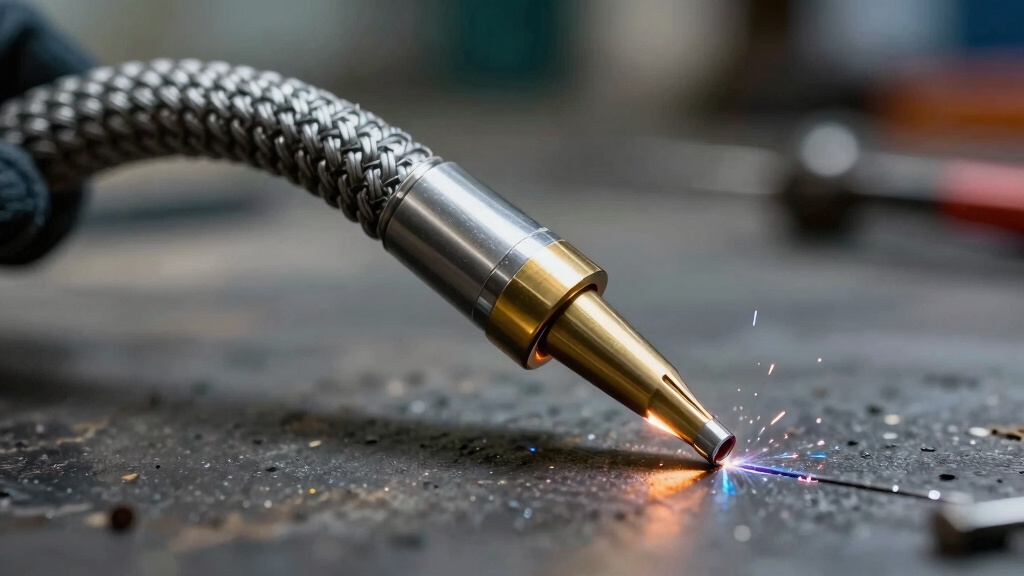
When you work in tight or awkward welding joints, flexible welding tips come into play by extending or adjusting the torch tip to improve access and control.
These tips guarantee consistent current transfer to the wire, maintaining arc stability and weld quality. The nozzle directs shielding gas efficiently while shielding the contact tip from molten metal.
Selecting the correct tip size and recess is essential; an improperly sized tip can cause wire jamming or overheating. Flexible tips also reduce exposure of the contact tip to arc heat, extending consumable life and minimizing burnback.
Materials vary from brass to copper and nickel-plated options, each suited for specific amperage ranges and durability needs. Proper tip selection aligns with wire diameter, current, and welding mode for peak performance.
Maintaining the proper stickout length when using flexible tips is critical to ensure stable arcs and consistent weld quality.
You know, flexible welding tips really boost how easily you can maneuver your torch. They let you make those precise angle adjustments, which is super helpful in tight spaces.
In spots where the joints are deep or narrow, rigid tips can really limit your access. But with those flexible tips, you can reach those tricky areas much more effectively.
Plus, when you can optimize the torch position like that, it helps keep the arc stable and the weld quality consistent, even in those challenging joints. It’s a game changer!
Using flexible tips also allows you to maintain the recommended 10–15° travel angle, which is crucial for proper bead control and weld quality.
In tight or awkward weld joints, flexible welding tips markedly enhance torch maneuverability by allowing better access and positioning. You can adjust the torch angle more precisely, reducing the need for awkward wrist or arm movements that cause fatigue and inconsistent welds.
Flexible tips extend or recess the contact tip, improving line-of-sight and enabling you to maintain ideal stickout and tip recess even in confined spaces. This adjustment minimizes obstruction and heat exposure to the tip, preserving consumable life. Additionally, choosing the right contact tip size ensures stable wire feeding and consistent arc transfer, which is especially beneficial when working in restricted areas.
Flexible welding tips not only enhance torch maneuverability but also markedly extend your ability to reach tight or confined weld joints.
By adjusting the torch tip angle and length, you gain superior access to deep V-grooves, narrow pipe seams, and awkward angles. This improved reach reduces the need for contorted positioning, enabling more stable and precise welds.
Additionally, flexible tips help maintain ideal contact tip recess and stickout, critical for consistent arc stability in confined spaces.
Key benefits include:
These advantages directly translate into higher weld quality and productivity in restricted areas.
For optimal welding results, it is essential to inspect and maintain PPE regularly to ensure safe operation while working in tight spaces.
When it comes to choosing the right contact tip size, it’s super important to match it perfectly with your wire diameter. This ensures smooth feeding and helps prevent issues like microarcing. If the fit isn’t quite right, it can really affect heat transfer and wire stability, leading to problems like jamming or overheating. Properly matching the tip size to wire diameter also optimizes arc stability and reduces welding defects.
Selecting the correct contact tip size plays a vital role in maintaining stable wire feeding and preventing common issues like microarcing, overheating, or wire jamming.
When the tip matches your wire diameter precisely, it guarantees consistent electrical contact and smooth wire travel through the bore. Incorrect sizing disrupts the arc, causes friction, and accelerates tip wear, degrading weld quality and increasing downtime.
Consider these factors when choosing your contact tip size:
Precision in tip size selection directly improves welding consistency and consumable lifespan. Proper tip sizing also helps maintain arc stability, which is essential for achieving uniform weld quality.
Ensuring the correct tip fit directly influences wire feeding consistency and arc stability in MIG welding applications involving flexible welding tips. When the contact tip matches the wire diameter precisely, you minimize friction and prevent microarcing, which can cause overheating or wire jams.
A tip that’s too large leads to poor electrical contact and erratic arc behavior. Conversely, a tip too small increases mechanical resistance, disrupting smooth wire feed. This fit also affects the thermal management of the tip; proper engagement limits heat buildup, extending consumable life.
To optimize performance, you must adhere closely to manufacturer specifications for tip size relative to wire diameter and current level. Neglecting this can compromise weld quality, increase downtime, and accelerate tip wear, undermining the benefits of flexible tip designs in challenging weld joint access.
Additionally, maintaining concentric alignment between the tip and nozzle ensures consistent gas coverage and prevents weld defects, which is crucial for stable arc performance.
When working with flexible welding tips, matching the tip size and fit to the specific application demands precision to maintain peak wire feed and arc stability.
You must consider wire diameter, current level, and joint access to avoid microarcing, overheating, or wire jams.
Manufacturer guidelines provide a baseline, but tailoring your choice based on the welding transfer mode and material thickness enhances performance and consumable life.
Focus on these key factors:
Precision tip selection directly impacts weld quality and operational efficiency. Maintaining the proper stickout length is essential to balance heat input and minimize spatter during welding.
Although both recessed and flush contact tips serve the essential role of transferring current to the welding wire, your choice should align closely with the welding mode and current level.
Choosing between recessed and flush contact tips depends on your welding mode and current requirements.
For high-current spray-transfer or pulsed welding above 200 amps, recessed tips provide better heat management by positioning the tip slightly behind the nozzle face. This reduces exposure to arc heat and extends tip life.
Conversely, flush tips suit short-circuit transfer and low-current pulse welding, offering a consistent arc with minimal stickout and better control on thin materials.
Selecting recessed tips with longer wire stickout reduces burnback and spatter in aggressive welding. Flush tips support stable short-circuit arcs with reduced burn-through risk.
Balancing these factors optimizes arc stability, consumable longevity, and weld quality for your specific application.
Additionally, choosing the appropriate contact tip can help maintain arc stability crucial for optimal welding performance.
Selecting the right contact tip recess and wire stickout directly influences welding performance by affecting heat exposure, arc stability, and metal transfer characteristics. When you choose the proper recess and stickout length, you optimize arc control and extend consumable life.
A recessed tip reduces heat exposure at higher currents. Meanwhile, a flush tip suits low-current, short-circuit welding better. Stickout length impacts wire feeding and burnback risk.
Consider these critical factors:
Adjusting recess and stickout enables precise control over weld quality and torch accessibility. Regularly maintaining contact tips and liners also supports consistent wire feeding and reduces spatter generation.
Nozzle material markedly influences the performance and durability of flexible welding tips, especially under varying current loads and heat exposure.
For most applications, copper nozzles deliver superior heat absorption, reducing tip overheating during high-current welding.
If you work primarily between 100 to 300 amps, brass nozzles offer adequate thermal management with cost efficiency.
Nickel-plated nozzles combine a copper core’s heat conduction with nickel’s insulating properties, helping maintain cooler exterior temperatures and extending service life.
Ceramic nozzles excel in extreme heat and long-duration welds but are less common due to fragility and cost.
When selecting nozzle material for flexible tips, consider your specific amperage range, heat exposure, and access constraints.
This will help optimize heat dissipation, shielding gas flow, and consumable longevity without compromising weld quality or accessibility in confined spaces.
Maximizing the life of consumables in flexible welding tips hinges on managing heat exposure and guaranteeing consistent wire feeding.
You’ll want to focus on optimizing contact tip recess and wire stickout to reduce burnback and minimize overheating.
Maintaining proper tip fit is vital; too large or too small causes friction and wire jamming, accelerating wear.
Additionally, selecting materials with superior thermal conductivity, like copper or nickel-plated nozzles, helps dissipate heat effectively.
To extend consumable life, consider these critical factors:
After focusing on extending consumable life, it’s equally important to apply practical strategies when choosing and maintaining flexible welding tips.
Start by selecting tips that match your wire diameter, current level, and transfer mode. Manufacturer guidelines provide essential sizing and recess recommendations.
For high-current spray-transfer, opt for recessed tips with longer stickout. Flush tips suit low-current short-circuit welding.
Flexible extensions improve access in confined joints but require careful tip-nozzle fit to avoid wire feeding issues.
Regularly inspect tips for wear, spatter buildup, and deformation to maintain arc stability and gas coverage.
Clean nozzles to prevent obstruction and replace worn contact tips promptly to reduce downtime.
Adhering to these maintenance practices maximizes tip life, guarantees consistent weld quality, and enhances operational efficiency in demanding welding environments.
You can’t use flexible welding tips with all MIG welding machines universally. Compatibility depends on your torch model and consumable fit.
Flexible tips must match your wire diameter, current rating, and torch design to guarantee proper current transfer and gas coverage.
Using an incompatible tip risks unstable arcs, wire feeding issues, and poor weld quality. Always consult your machine and torch manufacturer’s specs before installing flexible tips to maintain performance and safety.
Think of welding like finding your way through a maze; flexible tips are your adjustable compass, letting you reach tight corners swiftly.
By improving access and reducing awkward torch angles, they let you weld faster without compromising quality.
This boosts productivity by minimizing repositioning time and consumable wear.
With better gas coverage and tip cooling, you maintain stable arcs and reduce downtime.
Yes, flexible welding tips are compatible with different shielding gases as long as the nozzle design guarantees proper gas flow and coverage.
You need to confirm that the tip and nozzle materials withstand the thermal and chemical properties of the shielding gas used, whether it’s pure argon, CO2, or mixed gases.
Proper gas coverage maintains weld quality and prevents contamination.
Matching the flexible tip setup to your shielding gas optimizes arc stability and weld consistency.
Imagine trying to thread a needle while wearing thick gloves. That’s how tricky flexible welding tips can be.
You’ve got to watch for extra heat buildup since the tip’s extended design traps heat longer, increasing burn risk.
Always wear insulated gloves and guarantee proper ventilation to avoid gas accumulation in tight spaces.
Check connections frequently to prevent wire jams or microarcing caused by tip misalignment, which can spark unexpected hazards.
Yes, you can customize flexible welding tips to suit specific projects. By selecting appropriate tip recess, wire stickout, and nozzle materials, you guarantee current transfer, gas coverage, and accessibility.
Adjusting these parameters helps you manage heat exposure, improve arc stability, and prolong consumable life. Tailoring the tip size and fit to your wire diameter and welding mode ensures efficient, stable wire feeding and consistent weld quality in challenging joint configurations.
When you choose flexible welding tips, you release precision and adaptability in tight spaces, boosting your weld quality and efficiency.
Think of them as the Swiss Army knife in your toolkit: versatile, reliable, and essential.
By selecting the right size, fit, and nozzle material, you’ll extend consumable life and optimize performance.
Don’t overlook maintenance; a well-kept tip guarantees consistent results.
Embrace flexibility and watch your welding process transform with accuracy and durability.