Phone:
(701)814-6992
Physical address:
6296 Donnelly Plaza
Ratkeville, Bahamas.

Phone:
(701)814-6992
Physical address:
6296 Donnelly Plaza
Ratkeville, Bahamas.

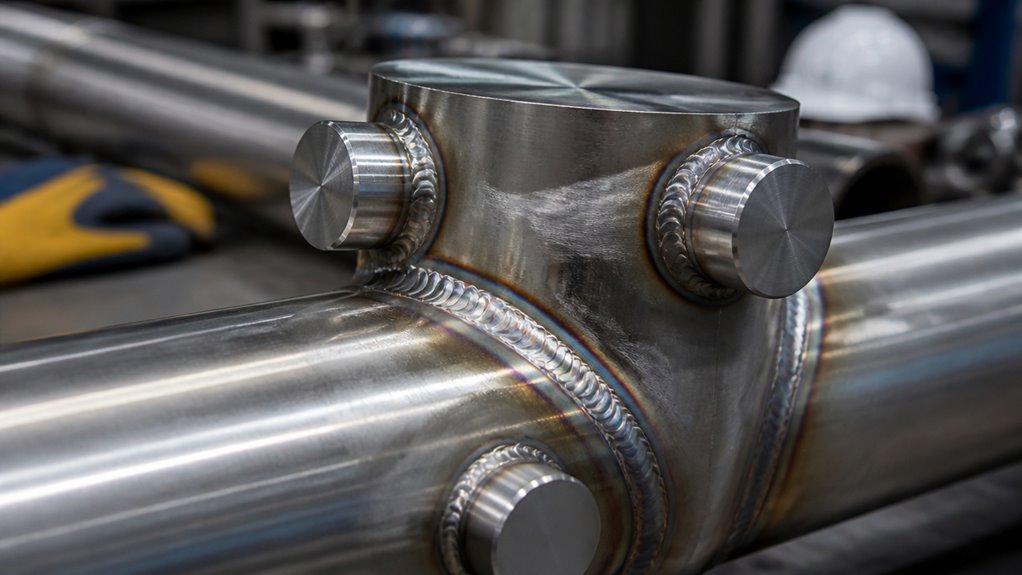
You must seal every opening of a purged weld to maintain an inert atmosphere and prevent oxygen ingress, which compromises weld integrity and causes brittle oxides.
Proper sealing preserves corrosion resistance, mechanical strength, and guarantees consistent purge gas flow. This reduces waste and defects like porosity.
Use airtight methods like inflatable dams, foil, or high-temp tape to contain purge gas effectively during welding.
Understanding sealing’s critical role helps optimize weld quality and system efficiency.
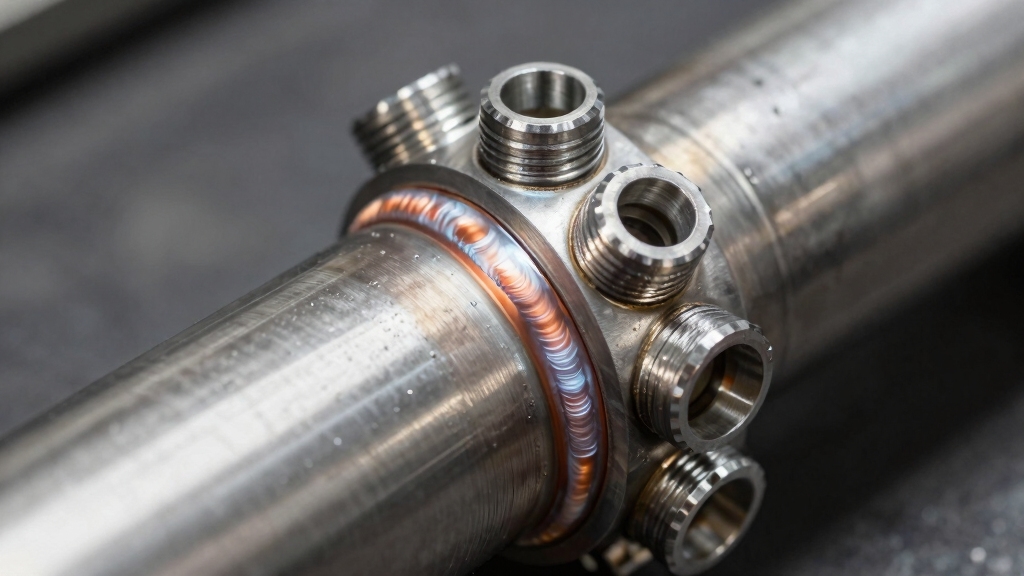
Although purging effectively removes oxygen and moisture from the weld zone, you must seal every opening to maintain a concentrated inert gas atmosphere around the joint. If you leave gaps unsealed, atmospheric oxygen and moisture can infiltrate, compromising weld integrity by promoting oxidation on the root side.
This oxidation creates brittle, contaminated surfaces that reduce corrosion resistance and mechanical strength. By sealing all openings, you guarantee the inert purge gas remains concentrated, preventing fresh air ingress and maintaining an ideal environment for welding.
Proper sealing also enhances gas efficiency, reducing waste and guaranteeing consistent weld quality. You’ll find that applications involving corrosion-resistant alloys or high-temperature service especially depend on thorough sealing to achieve durable, defect-free welds with superior internal bead appearance and performance.
Maintaining a stable purge flow with 100% argon shielding is essential to prevent oxidation and ensure consistent arc stability throughout the welding process.
When you’re welding, you want to make sure that the weld zone is as clean as possible. That’s where purge gas comes in. It helps to displace oxygen and other reactive gases, creating an inert atmosphere that keeps oxidation at bay. Pretty neat, right?
To get the most out of your purge gas, you need to seal all openings carefully. This way, you maintain the purity and flow of the gas, ensuring that oxygen is effectively removed. If those seals aren’t tight, oxygen can sneak in and mess things up, compromising both the integrity and quality of your weld. So, sealing is crucial! Maintaining an inert atmosphere also prevents weld metal embrittlement, which can weaken the joint and cause defects.
The effectiveness of purging hinges on the controlled displacement of oxygen and other reactive gases from the weld zone by an inert purge gas.
You introduce this purge gas, commonly argon or helium, into the enclosed weld cavity, where it displaces the ambient air.
Because you seal all openings tightly, the purge gas concentration rapidly rises, minimizing oxygen presence.
This inert environment prevents oxidation and contamination during welding.
By maintaining a steady purge flow, you assure continuous removal of residual reactive gases, protecting the root side of the weld.
The purge gas also stabilizes the welding atmosphere, reducing the risk of weld defects caused by gas entrapment or oxidation.
Without proper sealing, purge gas escapes, lowering its effectiveness and risking weld integrity.
Argon’s inert atmosphere is critical in ensuring the weld pool remains uncontaminated throughout the purging process.
When purging a weld cavity, oxygen is removed primarily by displacing it with an inert gas such as argon or helium.
You introduce the purge gas at a low point, allowing it to push the oxygen upward and out through an exit vent.
This controlled flow creates a stable, oxygen-free atmosphere around the weld root, preventing oxidation and contamination.
Because oxygen is denser than argon, displacement is efficient when gas flows from bottom to top.
Maintaining a consistent flow rate guarantees complete removal of reactive gases without turbulence that could reintroduce air.
By continuously flushing the cavity, you reduce oxygen concentration to levels that prevent weld defects.
This precise oxygen removal process is critical for achieving high-quality, corrosion-resistant welds in sensitive alloys and demanding applications.
Using high-purity argon with minimal oxygen content is essential to ensure weld integrity in reactive metals like titanium.
Achieving a stable, oxygen-free atmosphere around the weld root depends heavily on how well you seal the purge openings. When you seal every gap, you maintain a concentrated inert gas environment that displaces oxygen and other reactive gases. This prevents oxidation at the weld root.
Proper sealing guarantees the back purge gas remains uncontaminated, which is critical during the root pass and subsequent weld layers. If openings remain unsealed, atmospheric oxygen infiltrates, causing oxidation that leads to brittle, weak welds and potential corrosion.
You must use effective sealing methods like purge dams, aluminum foil, or specialized tape to contain the purge gas. This containment directly improves weld quality, corrosion resistance, and longevity by preserving an inert atmosphere essential for metallurgical integrity and consistent root bead formation. Introducing argon slowly at the low point to push oxygen out without turbulence is key to effective pipe purging and maintaining purge gas purity.
Since maintaining a consistent purge environment is critical, you’ll need reliable methods to seal all openings around pipe welds effectively.
Ensuring a consistent purge environment requires dependable sealing techniques for all pipe weld openings.
Common techniques include using purge dams made from inflatable bladders or foam that conform tightly inside the pipe, preventing gas escape.
You can also apply specialized tapes, such as aluminum or PTFE tape, to seal circumferential gaps, especially around the weld joint. Aluminum foil barriers serve as an inexpensive, adaptable option for smaller openings. Additionally, welding plugs or caps temporarily close larger access points.
Each method must create an airtight seal to maintain inert gas concentration, minimize oxygen intrusion, and secure weld integrity.
Selecting the appropriate sealing method depends on pipe diameter, material, and accessibility. All aim to preserve the root pass environment and prevent oxidation effectively.
Using inert shielding gases like argon during purging helps protect weld quality by providing a stable, contaminant-free atmosphere.
Setting up a standard purge system for welding is pretty straightforward, but there are a few key steps to keep in mind.
First off, you want to ensure that you have a controlled gas flow. This gas should enter at the bottom of the weld zone and exit at the top. Aim for a steady purge rate of around 40 CFH.
Now, let’s talk about sealing methods. You can use purge dams, aluminum foil, or specialized tapes to close off any openings. Just leave a small vent at the top; this helps prevent any atmospheric contamination, which is super important.
Why is proper sealing crucial? Well, it maximizes the concentration of inert gas in the area, and that’s essential for protecting the root side from oxidation. Plus, it guarantees the integrity of your weld. So, take the time to seal everything correctly, and you’ll see a significant difference in your welding results!
For optimal protection, it’s also recommended to use 100% argon shielding gas to ensure excellent arc stability and clean weld puddles during aluminum welding.
Properly setting up purge gas flow is crucial for maintaining an inert atmosphere during welding, especially around pipe joints.
You’ll introduce the purge gas at the bottom of the joint, allowing it to displace oxygen and moisture upward and exit at a small opening near the top. This directional flow guarantees complete purging of reactive gases from the weld zone.
Maintain a steady flow rate, typically around 40 cubic feet per hour, to balance effective gas exchange without turbulence that could draw in air. Use flow meters to monitor and adjust rates precisely.
Keep the system sealed except for controlled inlet and outlet points to maintain gas concentration. This controlled flow prevents oxidation on the root side, improving weld integrity and reducing defects caused by atmospheric contamination.
Implementing local exhaust ventilation during welding can further minimize hazardous fumes and improve safety.
Maintaining a controlled purge gas flow requires effectively sealing all openings around the weld joint to prevent air infiltration. You can use several sealing methods to ensure purge gas concentration remains high, minimizing oxygen exposure and oxidation risks.
Common approaches include purge dams, aluminum foil wraps, and specialized tapes designed for high-temperature resistance. Each method must create an airtight barrier while accommodating the weld geometry.
| Sealing Method | Application Detail |
|---|---|
| Purge Dams | Inflatable or foam inserts |
| Aluminum Foil | Wraps around pipe circumference |
| High-Temp Tape | Secures openings, resists heat |
| Rubber Plugs | Closes pipe ends tightly |
| Welding Blankets | Shields adjacent areas |
Choose a sealing method that suits your joint configuration to maintain weld integrity and corrosion resistance. Proper sealing also helps prevent contaminants that cause weld defects and weaken weld strength, ensuring weld quality throughout the process.
If you leave openings unsealed during purging, atmospheric oxygen will infiltrate the weld zone, compromising the inert gas environment vital for quality welding.
This oxygen intrusion causes oxidation on the root side, leading to the formation of brittle oxides that weaken the weld’s structural integrity.
You’ll see increased heat tint and surface contamination, which directly reduce corrosion resistance.
Additionally, unsealed gaps disrupt the purge gas flow, lowering purge efficiency and increasing gas consumption.
This not only wastes inert gas but also elevates the risk of weld defects like porosity and inclusions.
Ultimately, failing to seal openings undermines the weld’s mechanical performance and longevity, essential factors in high-quality fabrication.
Proper sealing guarantees a controlled atmosphere, preserving weld purity and consistent metallurgical properties throughout the joint.
Oxygen contamination also leads to porosity and embrittlement, which further compromise weld quality and durability.
Because certain materials are highly susceptible to oxidation and contamination during welding, strict back purging becomes essential to preserve weld integrity. You must apply rigorous purging protocols, especially when working with alloys that react readily with oxygen at elevated temperatures.
This guarantees the root pass remains uncontaminated, producing a structurally sound and corrosion-resistant weld. Common scenarios requiring strict back purging include:
Stainless steel and corrosion-resistant alloys prone to heat tint and scaling.
Hastelloy and other nickel-based superalloys used in chemical processing.
Exhaust systems in motorcycles and automotive applications demanding smooth internal welds.
High-temperature or corrosive service piping where weld integrity under stress is critical.
In these cases, maintaining a stable inert gas environment via sealed purging is crucial to avoid oxidation-related defects and guarantee consistent weld quality.
Strict back purging alone won’t guarantee weld quality unless every opening in the purged area is properly sealed.
Effective back purging requires sealing all openings to ensure optimal weld quality and protection.
When you seal all openings, you maintain a stable, oxygen-free environment around the weld root. This prevents atmospheric oxygen from infiltrating.
This containment makes certain the inert purge gas concentration remains high, which inhibits oxidation and heat tint formation on the root side.
Oxygen exposure leads to brittle oxide layers, increasing the risk of weld defects such as porosity, inclusions, and cracks.
By fully sealing the purge zone, you reduce air leakage, improve gas efficiency, and promote consistent weld metal fusion.
Ultimately, this controlled environment enhances corrosion resistance and structural integrity. It minimizes post-weld failures and extends service life, especially in sensitive alloys like stainless steel and Hastelloy.
While preparing for tack and closure welding, you must make certain all openings remain sealed except in the active weld zone. This guarantees the inert purge gas concentration is maintained, preventing oxygen ingress that would compromise weld integrity.
During tack welding, seal all gaps except the immediate tack area to preserve root gap stability and prevent joint movement.
For closure welding, continue sealing except at the progressing weld site, maintaining a controlled atmosphere around the root pass. Back purge gas often stays active through initial fill passes to protect the root side.
Use high-quality tape or purge dams to seal pipe circumference except weld zone. Maintain purge gas flow to flush residual oxygen efficiently. Prevent gaps that allow atmospheric air infiltration.
Monitor seal integrity after tack to avoid weld defects and corrosion risks.
Maintaining a reliable seal throughout the welding process demands careful attention to detail and proper material selection.
You should use flexible, non-porous materials like aluminum foil or specialized purge dams to conform tightly around irregular pipe surfaces.
Make certain all joints and gaps are fully covered to prevent oxygen ingress.
Apply high-temperature tape to secure seals, especially near the weld zone where heat can degrade adhesion.
Monitor purge gas flow carefully; adjust it to maintain positive pressure without causing turbulence that might disrupt seals.
Inspect seals visually and with gas analyzers before and during welding to confirm integrity.
Avoid over-tightening clamps that could damage sealing materials.
Consistent sealing reduces oxidation risks, improves weld quality, and conserves purge gas, making your welding process more efficient and reliable.
You’ll want to use argon for most stainless steel and aluminum welds because it provides excellent inert shielding.
For carbon steel, a mix of argon and CO2 works well, enhancing arc stability.
In high-alloy or reactive metal welding, pure argon or helium-argon blends reduce oxidation and improve heat input.
Helium increases heat transfer, ideal for thicker sections, while nitrogen additions suit duplex stainless steels.
Choose gases based on metal type and desired weld characteristics.
You should maintain the purge gas flow until the weld cools below 100°C (212°F) to prevent oxidation and contamination.
For critical alloys like stainless steel or Hastelloy, continue purging through the root pass and at least the first two fill passes to guarantee peak protection.
This duration preserves weld integrity, reduces oxidation, and improves corrosion resistance.
Adjust purge time based on material thickness, ambient conditions, and welding procedure specifications.
Yes, you can automate purging in high-volume welding by integrating flow controllers, sensors, and automated valves into your system.
This setup maintains consistent purge gas flow and pressure, ensuring effective oxygen displacement without manual intervention.
Automation improves repeatability, reduces gas waste, and enhances weld quality by maintaining ideal inert gas coverage throughout each cycle, especially during root pass welding.
You’ll increase efficiency and minimize human error in large-scale production environments.
You should know that even a 5% increase in ambient humidity can drastically reduce purge gas effectiveness.
Environmental factors like temperature, humidity, and wind directly affect purge gas flow and sealing by altering gas density and causing leaks.
Higher humidity introduces water vapor, compromising weld quality.
Temperature fluctuations may expand gaps, reducing seal integrity.
You must compensate by adjusting flow rates and using more robust sealing materials to maintain consistent inert gas coverage.
You can use pressure gauges to monitor purge gas pressure stability. This indicates potential leaks.
Ultrasonic leak detectors help identify escaping gas by detecting high-frequency sounds.
Soap solution sprays reveal leaks visually by forming bubbles at sealing points.
Additionally, gas analyzers measure oxygen levels inside the purge zone. Rising oxygen signals compromised seals.
Combining these tools guarantees you detect leaks precisely. This helps maintain effective purge gas containment and weld integrity during the process.
You must seal every opening during purged welds to make certain oxygen removal, prevent weld defects, and avoid corrosion.
You need to use reliable sealing methods, maintain a consistent purge gas flow, and monitor the system closely.
You can’t afford to leave openings unsealed, as it compromises weld integrity and material performance.
By sealing properly during tack and closure welding, you’ll guarantee high-quality, durable results every time.