Phone:
(701)814-6992
Physical address:
6296 Donnelly Plaza
Ratkeville, Bahamas.

Phone:
(701)814-6992
Physical address:
6296 Donnelly Plaza
Ratkeville, Bahamas.

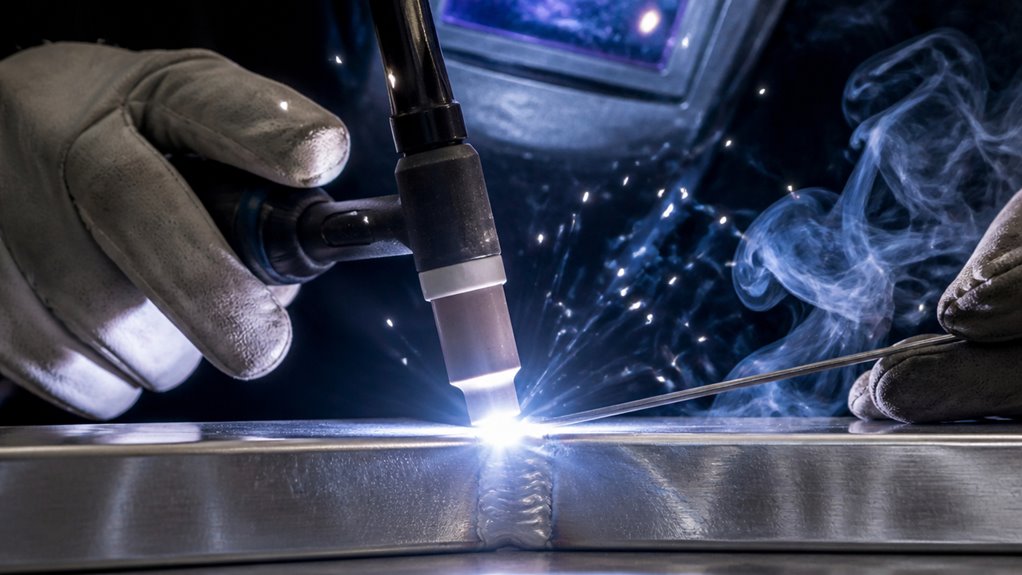
Yes, welding aluminum is challenging because you must manage its high thermal conductivity and low melting point. This demands precise heat input and fast travel speeds to avoid burn-through or incomplete fusion.
The persistent high-melting-point oxide layer requires thorough mechanical cleaning and AC TIG welding to guarantee proper bonding. Controlling hydrogen contamination and maintaining continuous argon shielding are crucial to prevent porosity.
Mastering these factors is key to producing strong, defect-free welds and sets the stage for advanced techniques and troubleshooting insights.
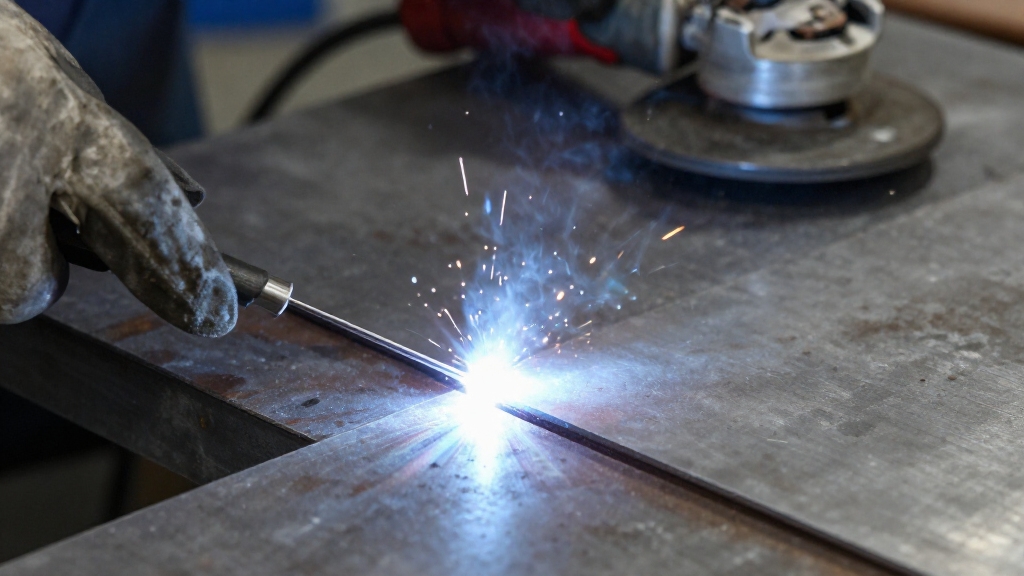
While welding aluminum shares some fundamental principles with steel welding, it presents distinct challenges that demand different techniques and controls.
Welding aluminum requires unique techniques and controls distinct from those used in steel welding.
You’ll notice aluminum’s high thermal conductivity rapidly dissipates heat, forcing you to balance heat input carefully to avoid burn-through or incomplete fusion.
Unlike steel, the persistent oxide layer on aluminum requires aggressive removal or AC TIG welding to disrupt it effectively.
You must also prioritize cleanliness, as contaminants and moisture introduce porosity risks more severely than in steel.
Feeding aluminum wire in MIG processes demands precision due to its softness and tendency to deform, complicating wire feed reliability.
Using a spool gun with 100% argon shielding gas helps ensure smooth wire feeding and stable arc during MIG welding.
Welding aluminum can be quite a challenge, mainly because of that stubborn aluminum oxide layer. It melts at a much higher temperature than the base metal, which makes achieving a good fusion pretty tricky. To tackle this, you really need to clean the surface properly or use AC TIG current.
Then there’s the issue of aluminum’s high thermal conductivity. It pulls heat away super quickly, so you’ve got to be careful! You have to manage a really narrow temperature window to avoid problems like burn-through or weak joints.
And let’s not forget about hydrogen absorption in the molten weld. This can lead to porosity, which is definitely something you want to avoid. Keeping your workspace clean and using the right shielding can help control this risk.
Using an AC-capable TIG welder is essential for effectively removing the oxide layer and maintaining a stable arc during welding.
Because aluminum forms a tough oxide layer that melts at temperatures far above the base metal, you must address this barrier before welding to guarantee proper fusion.
This oxide, primarily aluminum oxide (Al2O3), melts around 2,050°C, while pure aluminum melts near 660°C. If the oxide remains intact, it prevents the filler and base metal from bonding correctly, causing lack of fusion defects.
To overcome this, you need to remove or disrupt the oxide through mechanical cleaning or by using AC TIG welding, which alternates polarity to break up the layer during welding.
Failing to manage the oxide layer increases porosity and weakens the weld joint. Proper preparation and process control are essential to make sure the oxide doesn’t compromise weld integrity or lead to premature failure.
Mechanical removal using a stainless steel wire brush after degreasing is critical to eliminate the oxide reliably and ensure consistent weld quality.
Aluminum consistently challenges welders with its exceptionally high thermal conductivity, which rapidly dissipates heat away from the weld zone. This trait demands precise heat control to achieve proper fusion without overheating.
When you weld aluminum, consider these critical impacts of its thermal conductivity:
Understanding these factors helps you manage aluminum’s heat flow for stronger, defect-free welds. Additionally, aluminum’s lower melting point compared to steel means faster welding speeds are necessary to avoid burn-through and distortion during the process.
Hydrogen porosity frequently undermines weld integrity when working with aluminum, posing a significant challenge to achieving sound joints. Aluminum’s molten state readily absorbs hydrogen from moisture and contaminants, creating microscopic gas pockets as the weld solidifies.
You must control cleanliness and shielding gas quality to minimize this risk. Even slight moisture or oil traces increase porosity probability, weakening weld strength and causing potential failure.
| Cause | Effect on Weld |
|---|---|
| Moisture in base metal | Hydrogen absorption, porosity |
| Contaminated filler | Gas inclusion, weak spots |
| Inadequate shielding | Atmospheric hydrogen ingress |
| Poor joint prep | Oxide layer traps hydrogen |
Maintaining strict cleanliness and appropriate shielding gas flow reduces hydrogen porosity. This improves weld reliability. Using 100% argon shielding gas is essential to provide a stable arc and prevent oxidation during aluminum welding.
Selecting the right welding method and equipment markedly influences the quality and efficiency of joining aluminum. You’ll want equipment tailored to aluminum’s high thermal conductivity and oxide challenges.
Here are four key considerations:
Additionally, maintaining a clean surface free of oxide layers before welding is critical to ensure strong fusion and avoid defects.
Getting your aluminum surface properly cleaned and prepped is critical to achieving a weld that’s both strong and free from defects.
Start by mechanically removing the aluminum oxide layer using a stainless steel wire brush dedicated solely to aluminum. This guarantees you break through the tenacious oxide that melts at a much higher temperature than aluminum itself.
Next, degrease the surface thoroughly with acetone or a suitable solvent to eliminate oils and contaminants that cause porosity. Always wipe from the cleanest area toward contamination to avoid spreading impurities.
Finally, dry the material completely, as moisture can introduce hydrogen into the weld pool, leading to porosity.
Maintain continuous argon shielding gas flow during welding to prevent oxidation and protect weld integrity.
Aluminum welding frequently presents distinct challenges that can compromise joint integrity if not identified early. As you weld, stay alert for these common problems:
1. Porosity
Caused by hydrogen absorption or contamination, it weakens weld strength. Look for small holes as a telltale sign.
2. Lack of Fusion
Insufficient heat or oxide presence can lead to incomplete bonding. This risk of joint failure shouldn’t be overlooked.
3. Burn-Through
Aluminum’s rapid heat conduction can cause the weld to melt through thin sections of material.
4. Distortion
Fast expansion and contraction during welding can warp the workpiece, affecting alignment and fit.
Controlling heat input and maintaining a consistent travel speed are essential strategies to prevent distortion and burn-through during aluminum welding.
To really boost your aluminum welding results, it’s all about mastering heat control. This is key to preventing burn-through and ensuring proper fusion. You want to keep that heat just right!
Now, let’s talk about surface preparation. It’s super important to thoroughly remove any oxides and contaminants. This step is crucial for avoiding porosity and ensuring your welds are strong and reliable.
Trust me, skipping this can lead to weak points in your work.
And don’t forget about your wire feeding techniques! Improving these can really make a difference. A smooth, consistent feed helps reduce interruptions and keeps that arc steady, which is essential for achieving high-quality welds.
Using a spool gun or push-pull system can prevent bird-nesting and feeding inconsistencies, ensuring smoother wire feeding and better weld quality.
Master heat input to prevent common issues like burn-through and lack of fusion when welding aluminum. Aluminum conducts heat rapidly and melts at a low temperature, so precise control is critical. You must balance enough energy to achieve fusion without overheating the material.
Focus on these key strategies:
When preparing for aluminum welding, ensuring a pristine surface is essential. Contaminants and oxide layers directly undermine weld integrity.
You must remove the aluminum oxide, which melts around 2,000°C, far above the base metal’s melting point, to prevent fusion defects. Use mechanical cleaning methods like wire brushing with stainless steel brushes dedicated solely to aluminum.
Avoid cross-contamination. Degrease thoroughly to eliminate oils and moisture, as these introduce hydrogen and cause porosity. Avoid abrasive blasting that embeds contaminants or alters surface texture excessively.
After cleaning, maintain the surface’s cleanliness by minimizing exposure to air and humidity before welding. By rigorously controlling surface preparation, you reduce the risk of lack of fusion, porosity, and weak joints.
This sets a foundation for consistent, high-quality welds on aluminum.
Cleaning aluminum surfaces lays the groundwork, but controlling wire feeding plays a significant role in achieving stable, defect-free welds.
Aluminum’s softness and tendency to buckle during feeding require careful adjustment of your wire feed system. To enhance wire feeding when welding aluminum, focus on:
When welding aluminum, you must prioritize preventing exposure to aluminum oxide fumes and intense UV radiation, which differ from steel welding hazards.
You’ll need proper ventilation or respiratory protection to avoid inhaling fine aluminum particles.
Also, since aluminum heats quickly, you should wear heat-resistant gloves to prevent burns.
Make certain your workspace is dry to avoid moisture-related porosity and electrical hazards.
Finally, use clean tools and avoid contamination, as aluminum’s sensitivity demands strict cleanliness for safety and quality.
Ever wonder why you need to adjust your welding technique for different aluminum alloys?
Aluminum alloy type directly affects heat input, filler choice, and shielding gas.
For example, 5xxx series alloys require careful heat control to prevent cracking.
Meanwhile, 6xxx alloys need proper filler metals to maintain strength and corrosion resistance.
Knowing the alloy’s specific thermal conductivity and oxide behavior helps you fine-tune your process for peak fusion and durability.
You can weld aluminum outdoors in windy conditions, but it’s challenging. Wind disrupts shielding gas coverage, causing contamination and porosity, especially with aluminum’s sensitivity to hydrogen absorption.
To minimize issues, use windshields or barriers, increase gas flow, and guarantee a stable shielding environment. Selecting MIG with spool gun setups or AC TIG with careful gas control helps maintain weld quality despite wind.
Without these precautions, weld defects will likely increase.
To keep your aluminum welds in tip-top shape, start by cleaning off slag and oxides right after welding. Don’t let anything slip through the cracks.
Then, apply a post-weld heat treatment if needed to relieve stress and prevent cracking.
Use protective coatings or anodizing to enhance corrosion resistance.
Finally, inspect thoroughly with non-destructive testing to catch hidden flaws. Following these steps guarantees your welds won’t fall apart when push comes to shove.
Mastering aluminum welding skills typically takes several months to a few years, depending on your dedication and practice frequency.
You’ll need to develop precise heat control, oxide removal techniques, and wire feeding consistency.
Regular hands-on experience with different thicknesses and processes like MIG and TIG accelerates learning.
You must also understand porosity prevention and distortion control.
Continuous refinement and troubleshooting make you proficient and reliable in aluminum welding over time.
You might think welding aluminum is just like steel, only lighter. Wrong. Its unique oxide layer, high thermal conductivity, and low melting point make it a master of hiding flaws and causing headaches.
But don’t let these quirks scare you off. They’re exactly what sharpen your skills and precision. If you’re after an easy weld, aluminum isn’t your friend.
But if you want to improve technically, it’s the perfect challenge disguised as a problem.