Phone:
(701)814-6992
Physical address:
6296 Donnelly Plaza
Ratkeville, Bahamas.

Phone:
(701)814-6992
Physical address:
6296 Donnelly Plaza
Ratkeville, Bahamas.

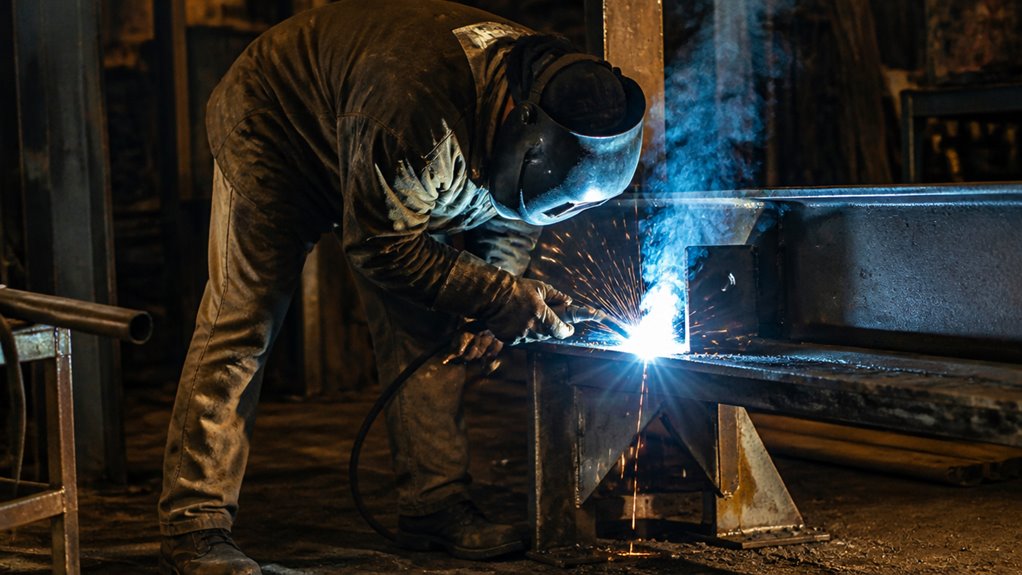
Yes, welding can be hard on your body, especially when you don’t control fumes, heat, noise, or awkward positions. You may face burns, eye or hearing damage, breathing problems, fatigue, and muscle or joint strain.
Your risk depends on the materials, process, work setting, exposure time, and safeguards. Use ventilation, suitable protective equipment, safer work positions, and breaks to reduce exposure.
Though these measures can’t eliminate every hazard, the sections below explain key risks and practical precautions.
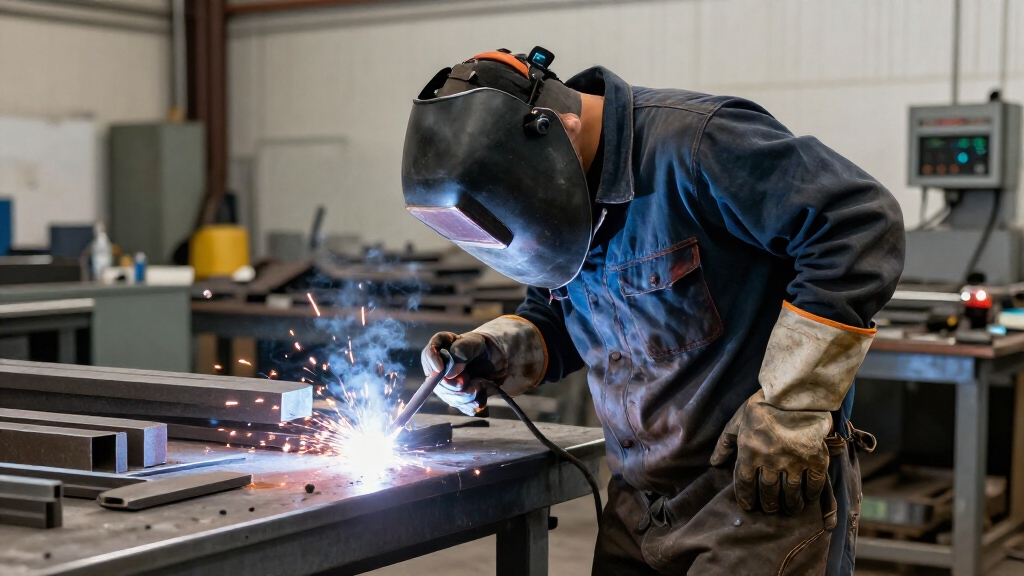
Yes, welding can be hard on your body, especially when fumes, heat, noise, and awkward work positions aren’t controlled. Your risk depends on the materials, process, work setting, exposure time, and safeguards in place.
Welding can strain your body, particularly when fumes, heat, noise, and awkward positions aren’t controlled.
You may face burns from hot metal or sparks, eye injuries from arc radiation, hearing damage from sustained noise, and strains from lifting or holding uncomfortable positions. Heat and demanding tasks can also increase fatigue, making mistakes and injuries more likely.
Welding fumes can contain carcinogenic substances that increase the risk of lung disease and cancer. In enclosed spaces, shielding gases can displace oxygen, so you need suitable ventilation and atmospheric monitoring. Reduce hazards before you start: use task-appropriate protective equipment, improve local exhaust ventilation, control noise, and plan breaks and safer work positions.
Follow workplace procedures and stop work if conditions become unsafe. Proper controls can lower risk, but they don’t eliminate it.
When you breathe welding fumes, they can irritate your airways and cause coughing, dizziness, or nausea. Repeated exposure may damage lung function and raise the risk of serious disease, including cancer.
The International Agency for Research on Cancer classifies welding fumes as carcinogenic to humans. You may also develop bronchitis, reduced lung function, or metal fume fever.
Manganese in some fumes can enter your body and harm your nervous system. Prolonged exposure may cause Parkinson’s-like symptoms.
Use local exhaust ventilation to capture fumes at their source. Choose respiratory protection suited to the hazard when ventilation can’t control exposure.
Keep your head out of the fume plume and follow workplace exposure controls.
Don’t rely on odor to judge safety. If you feel unwell, leave the area and report symptoms promptly.
Regular air sampling can help identify exposure levels and show when controls need adjustment.
Beyond fumes, welding can injure your eyes and skin through arc radiation, sparks, and hot metal. An arc flash can burn your cornea and exposed skin. Flying particles or heated surfaces can cause lasting eye damage or serious burns.
Protect yourself with a correctly shaded welding helmet, safety glasses underneath, flame-resistant clothing, gloves, and covered skin. Keep nearby workers behind welding screens, too.
Arc radiation includes ultraviolet, visible, and infrared light that can harm unprotected eyes and skin.
| Hazard | Possible effect | Practical protection |
|---|---|---|
| Arc radiation | Eye or skin burns | Helmet, screens |
| Sparks, hot metal | Burns, clothing fires | Gloves, flame-resistant gear |
| Heat | Raised body temperature | Take breaks, drink water |
| Noise | Hearing damage over time | Wear suitable hearing protection |
Heat can raise your body temperature, so take breaks and hydrate. Repeated noise exposure can damage hearing. Wear properly fitted hearing protection and follow workplace noise controls.
Awkward positions, sustained overhead work, and repetitive motions can strain your muscles and joints while welding. You may develop soreness, fatigue, or strains, especially when you hold one posture or repeat the same movement for long periods.
Awkward postures, overhead work, and repetitive motions can strain muscles and joints, causing soreness, fatigue, or strains.
Handling heavy equipment and working in tight spaces can add to the load. Over time, repeated stress may contribute to lasting joint or bone problems.
Reduce strain with practical adjustments:
Position your workpiece at a comfortable height so you can keep your back and neck neutral. Use supports, reposition often, and take brief movement breaks to avoid prolonged static postures.
Share heavy loads, use lifting aids, and ask for help when equipment feels difficult to handle.
Pay attention to persistent pain, numbness, or weakness. Stop, report symptoms, and seek medical advice before they worsen.
Change position every 20–30 minutes to reduce static muscle strain and maintain focus.
Poor ventilation can let welding fumes build up, while confined spaces can trap gases and reduce oxygen. You may quickly develop eye, nose, or throat irritation, dizziness, or nausea.
Repeated exposure can damage your lungs and raise cancer risks. Welding fumes are classified as carcinogenic to humans by the International Agency for Research on Cancer.
In enclosed areas, argon, helium, or carbon dioxide can displace oxygen. Welding can also produce carbon monoxide.
You mightn’t notice oxygen loss or poisoning before confusion, collapse, or suffocation occurs.
Don’t rely on smell to detect danger. Before welding, check ventilation and use local exhaust to capture fumes at their source.
Follow confined-space procedures, test the atmosphere, and maintain required monitoring and rescue plans. Wear suitable respiratory protection when controls can’t keep exposure safe. A standby attendant should remain outside the confined space and maintain clear communication with the welder.
Yes, welding exposure may affect fertility and pregnancy, though risks depend on the specific hazards and exposure level.
You may encounter fumes, metals, heat, radiation, or gases that can harm reproductive health. Research has reported reproductive risks among welders.
If you’re pregnant, trying to conceive, or concerned, discuss your work with a healthcare professional and occupational safety specialist.
Use effective ventilation and protective equipment. Ask about reducing exposure or temporary reassignment.
Welding-fume symptoms can appear during exposure or within hours. You may notice eye, nose, or throat irritation, dizziness, or nausea soon after breathing fumes.
Metal fume fever can also develop several hours after exposure. Repeated exposure may cause lung damage without obvious early symptoms, so don’t rely on feeling well as proof of safety.
Move to fresh air if symptoms start, and seek urgent care for breathing difficulty or severe symptoms. Use effective ventilation and suitable respiratory protection.
Yes. Different welding processes produce different fumes, gases, radiation, and heat, so your risks vary with the materials and workspace.
Some fumes can irritate or damage your lungs; manganese exposure may affect your nervous system.
Any process can cause burns, eye injuries, noise-related hearing damage, or oxygen deficiency in confined spaces.
Don’t assume one method is safe: check its hazards, use effective ventilation and suitable protective equipment, and follow exposure controls.
You should get checkups tailored to your exposures. For example, if you weld stainless steel regularly, tell your clinician about possible chromium and nickel fume exposure.
Arrange routine visits with an occupational-health professional who can review your work, symptoms, and protective measures.
Ask about lung-function testing when exposure or breathing symptoms warrant it, hearing tests for noisy work, and skin or eye exams if problems arise.
Report persistent cough, breathlessness, hearing changes, or numbness promptly.
Yes, some welding-related effects can improve after you stop exposure, especially eye, nose, or throat irritation and certain short-term symptoms.
However, recovery depends on the hazard, exposure level, and existing damage. Chronic lung disease, cancer, hearing loss, or manganese-related neurological injury may persist or worsen.
If you’ve developed symptoms, see a healthcare professional and describe your welding exposures. Don’t resume work until you’ve addressed ventilation, respiratory protection, and other controls.
Welding can take a real toll on your lungs, eyes, skin, hearing, and joints, but you can reduce many risks. Use suitable ventilation, wear properly fitted protective gear, and follow safe procedures, especially in confined spaces.
Take breaks, use lifting aids, and report symptoms early rather than toughing them out. No single precaution covers every hazard, so match controls to your work and training.
Protecting your health today helps keep you on your feet for years to come.