Phone:
(701)814-6992
Physical address:
6296 Donnelly Plaza
Ratkeville, Bahamas.

Phone:
(701)814-6992
Physical address:
6296 Donnelly Plaza
Ratkeville, Bahamas.

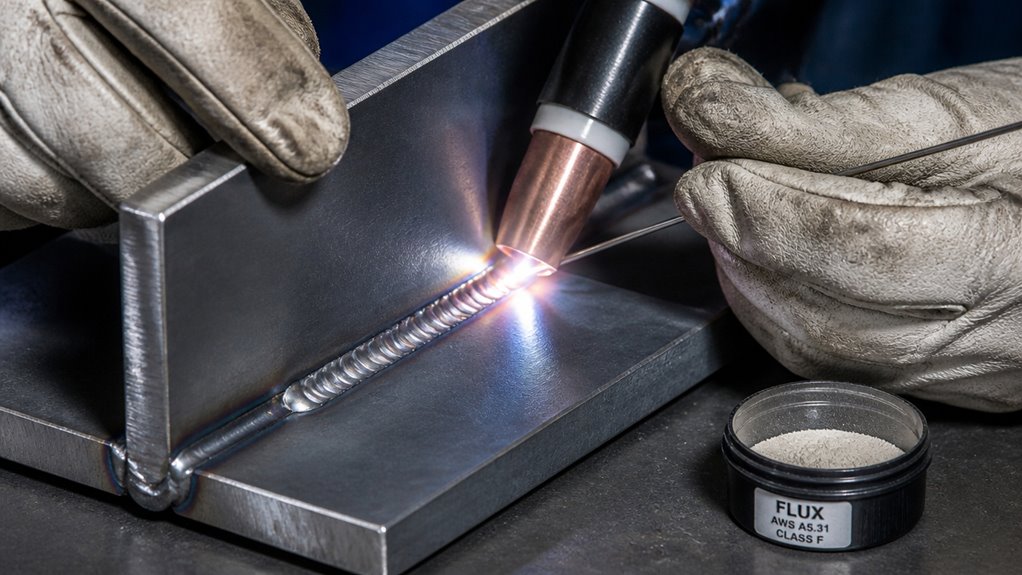
To prevent porosity in welding, clean the base metal thoroughly, removing rust, oil, and dirt. Control moisture by drying and warming materials, and store electrodes properly.
Select the correct shielding gas and maintain proper flow to shield the weld pool. Check for air leaks and control drafts that disrupt gas coverage.
Use consistent welding techniques with stable arc length and travel speed. Mastering these controls improves weld integrity and minimizes defects. A deeper look reveals how each factor impacts porosity prevention.
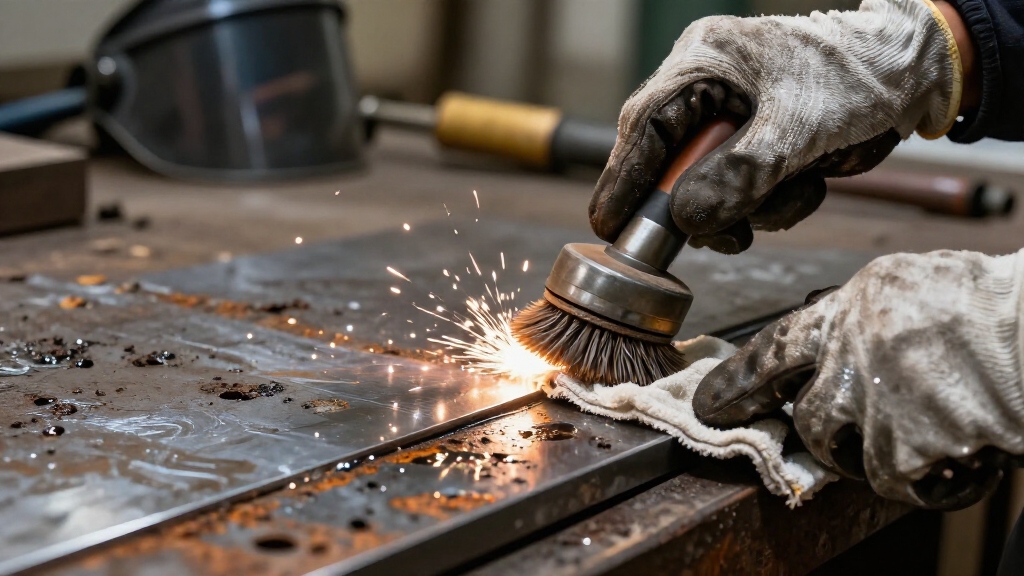
Start by thoroughly cleaning the base metal and joint surfaces to remove rust, mill scale, paint, oil, grease, and dirt before welding. You must eliminate these contaminants because they generate gases trapped in the molten weld pool, causing porosity during solidification.
Thoroughly clean metal surfaces to remove contaminants that cause gas entrapment and weld porosity.
Prepare the joint to guarantee tight fit-up without gaps where residues can accumulate. Use dry, residue-free cleaning methods like wire brushing, grinding, or solvent wiping to avoid introducing moisture or residues.
Inspect both sides of the joint when accessible, as hidden contaminants often cause defects. By maintaining clean surfaces, you minimize gas entrapment risks and improve weld integrity.
This precise preparation step directly influences weld quality and reduces costly rework associated with porosity-related failures. Contaminants such as oil, grease, and rust release gases that become trapped as gas pockets within the weld metal, leading to porosity.
To prevent weld porosity, controlling moisture in every element of the welding system is essential. Moisture on base metals, electrodes, or fluxes introduces hydrogen, which forms gas pockets in the weld pool.
You must store low-hydrogen consumables in heated or sealed containers. Warm damp workpieces before welding to avoid condensation. Additionally, inspect for leaks or cooling system issues that may add moisture near the arc.
| Moisture Source | Control Measure |
|---|---|
| Base Metal | Dry before welding, warm cold parts |
| Electrodes & Flux | Store in sealed/heated containers |
| Work Environment | Check for leaks and condensation |
| Equipment & Cooling | Repair leaks, monitor moisture |
Maintaining proper storage conditions with low humidity and stable temperatures is critical to prevent moisture absorption in welding rods.
When selecting shielding gas, you must match the gas type to both the welding process and base metal to guarantee peak protection of the weld pool.
Using an incorrect gas can lead to inadequate coverage, increasing the risk of porosity by allowing atmospheric contamination.
Set the gas flow within the recommended range; too low, and the weld pool isn’t fully shielded.
Too high, and turbulence traps gases, causing porosity.
Always verify flow at the nozzle to confirm effective delivery.
Make certain your nozzle size fully covers the weld pool, preventing exposure to air.
Maintain cleanliness in cylinders, hoses, and fittings to avoid introducing contaminants.
Using inert gases such as argon and helium helps provide arc stability and a protective shield to minimize contamination and porosity.
Ensuring proper shielding gas flow and composition markedly reduces the risk of porosity. Maintaining a stable environment around the weld area is equally important.
You need to eliminate air leaks in hoses, fittings, and gas delivery components to prevent atmospheric contamination of the shielding gas. Check and seal any cracks or loose connections promptly.
Additionally, drafts from fans, open doors, or outdoor wind can disrupt the shielding gas coverage. This allows oxygen or nitrogen to enter the weld pool and form porosity.
Control your workspace airflow by closing openings and minimizing airflow near the welding zone. Keep the welding torch steady and avoid excessive gun angles, which can cause shielding gas turbulence.
Finally, regularly clean spatter from nozzles and diffusers to maintain consistent gas flow and protect the weld pool from atmospheric interference.
Use natural or artificial windbreaks to control airflow and minimize disruption to the shielding gas coverage.
Mastering proper welding technique plays a crucial role in minimizing porosity by controlling gas escape and shielding effectiveness.
Mastering welding technique is essential to reduce porosity through effective gas control and shielding.
You need to maintain a consistent contact-tip-to-work distance and arc length to guarantee stable arc conditions and adequate shielding coverage.
Use a travel speed that allows gases to escape the molten weld pool before solidification, preventing gas entrapment.
Avoid abrupt starts and stops, which can trap gas in crater zones.
Keep the torch angle within specified procedure limits to preserve shielding gas coverage and reduce turbulence.
Following proven welding procedures tailored to the joint type, position, and material guarantees repeatable results.
Additionally, selecting the appropriate shielding gas flow rates is essential to prevent atmospheric contamination that can increase porosity.
Electrode storage directly impacts weld porosity because moisture absorbed by electrodes releases hydrogen during welding. This causes gas pockets in the weld metal.
You need to store electrodes in dry, sealed containers or heated ovens to prevent moisture uptake. If you neglect proper storage, the electrodes’ coating deteriorates. This increases hydrogen content and the risk of porosity.
Consistently controlling electrode storage guarantees stable arc conditions and minimizes trapped gases. This helps maintain weld integrity.
Think of your gas nozzle as a narrow river channel. Any debris can block the flow and cause flooding.
To prevent clogging, you should regularly clean spatter and residue from the nozzle and diffuser using proper wire brushes or nozzle cleaners.
Inspect hoses and fittings for damage and replace worn parts immediately. Maintaining cleanliness and promptly addressing buildup guarantees consistent shielding gas coverage.
This is critical for stable weld quality and avoiding porosity defects.
Yes, joint design directly impacts porosity formation. When you design joints with tight fit-up and minimal gaps, you prevent contaminants from accumulating, which reduces trapped gas in the weld.
Poorly designed joints create crevices that harbor moisture or dirt, increasing porosity risk. Ensuring proper joint geometry and accessibility for cleaning helps you maintain a contaminant-free weld zone, ultimately improving weld integrity and minimizing porosity defects.
You should know that improper welding machine settings cause over 30% of porosity defects.
Incorrect voltage or amperage alters arc stability, disrupting gas shielding and increasing molten pool turbulence, which traps gas bubbles.
If your wire feed speed is off, it can cause irregular metal deposition, further promoting porosity.
Precise calibration of current, voltage, and wire feed speed guarantees consistent arc conditions, minimizes contamination entrapment, and improves weld quality.
Filler materials play a vital role in controlling porosity by ensuring cleanliness and compatibility.
You need to store electrodes and filler wires properly to avoid moisture absorption, which introduces hydrogen, causing porosity.
Using low-hydrogen consumables and handling them carefully prevents contamination.
Additionally, selecting filler materials matched to the base metal and welding process maintains stable metallurgical properties, reducing gas entrapment and improving weld integrity.
This directly minimizes porosity formation.
To prevent porosity in welding, remember that “an ounce of prevention is worth a pound of cure.”
By thoroughly cleaning metal surfaces, controlling moisture, selecting the correct shielding gas with proper flow, and eliminating air leaks, you’ll minimize defects effectively.
Mastering your welding technique is also crucial for achieving strong, reliable welds.
Consistently applying these measures guarantees structural integrity and peak performance in your welding projects.