Phone:
(701)814-6992
Physical address:
6296 Donnelly Plaza
Ratkeville, Bahamas.

Phone:
(701)814-6992
Physical address:
6296 Donnelly Plaza
Ratkeville, Bahamas.

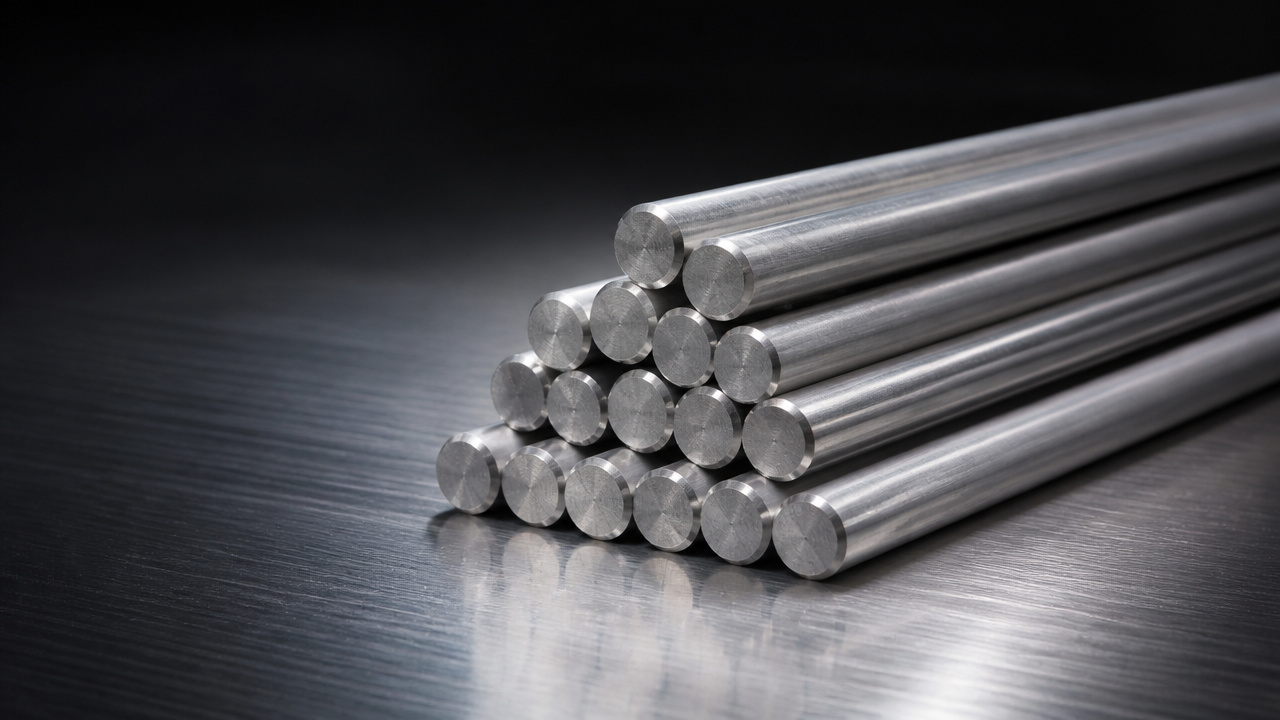
Welding aluminum feels like a battle with unpredictable cracks and weak spots. Your bead bubbles or flakes, forcing constant repairs. Every session ends with frustration and wasted rods.
Hobart ER5356 MIG Wire delivers strong, corrosion-resistant joints built to last. YESWELDER ER4043 TIG Rod creates smooth, crack-resistant welds using a silicon-rich mix.
SONNLER ER4043 TIG Rod fixes inconsistent arcs for finer detail and less clean-up.
| Image | Name | Editor's Rating | Price |
|---|---|---|---|

|
Hobart ER5356 Aluminum MIG Welding Wire 0.035 in, 1 lb Spool...
|
|
|
|
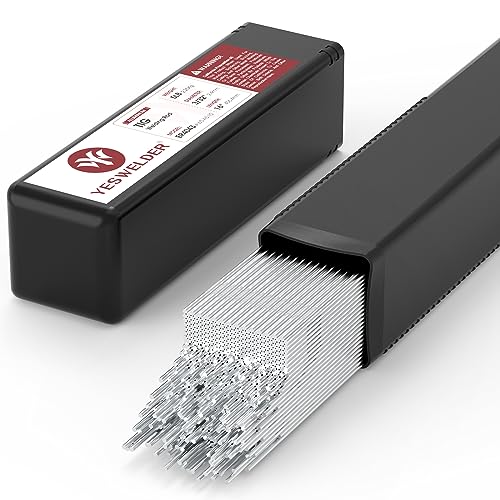
YESWELDER Aluminum TIG Welding Rod ER4043 3/32"x16" 5LB | 5%...
|
|
|
|
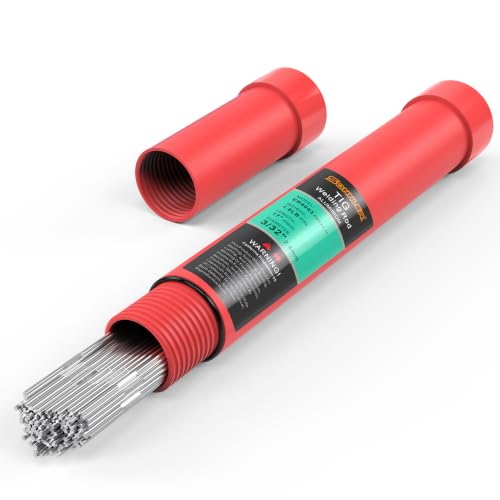
ER4043 3/32"x 16" 1.8LB Aluminum TIG Welding Wire Filler Rod...
|
|
|
|
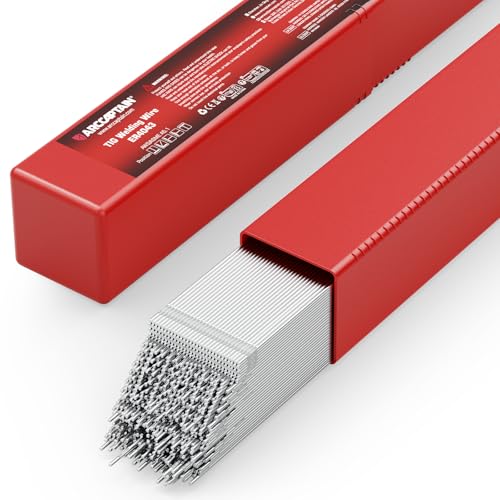
ARCCAPTAIN ER4043 Aluminum TIG Welding Rod, 3/32" x 16" 5LB ...
|
|
|

|
Forney 42295 Mig Wire, Aluminum Alloy ER4043, .030-Diameter,...
|
|
Mastering aluminum welding starts with selecting the right rod to ensure durability, corrosion resistance, and smooth weld flow. Explore options designed for both MIG and TIG applications that elevate every weld.
When it comes to welding aluminum, not every rod performs equally well, especially in environments where strength and corrosion resistance matter most.
The Hobart ER5356 Aluminum MIG Welding Wire challenges the assumption that all aluminum rods offer similar durability. Its unique alloy is engineered to deliver higher shear strength paired with resistance to harsh saltwater conditions, which is crucial for marine or outdoor applications.
This 0.035-inch diameter wire is designed specifically for welding 5000 series aluminum metals, making it a focused choice rather than a generic filler. The polished silver finish ensures smooth feeding through MIG systems while maintaining consistent weld quality.
Its coil form and manageable spool size of 1 pound make handling straightforward and reduce waste. Maintenance is minimal, needing just standard storage away from moisture to preserve performance. This rod not only enhances weld integrity but extends the lifespan of aluminum assemblies faced with corrosive environments.
Whether tackling structural projects or fabricating parts exposed to saltwater, this welding wire supports durable, reliable joins that hold up under real-world stresses.
Best for: Professionals and hobbyists welding 5000-series aluminum needing robust, corrosion-resistant rod for outdoor or marine use.
What We Like:
Specification:
| Specification | User Benefit |
|---|---|
| Wire Diameter (0.035 in) | Offers precise control and consistent weld bead size |
| Material: Aluminum Alloy ER5356 | Provides enhanced strength and saltwater corrosion resistance |
| Weight: 1 lb Spool | Easy to handle and store, minimizing material waste |
| Polished Silver Finish | Improves wire feeding smoothness for steady welding |
| Round Rod Form | Ensures uniform melting and clean welds |
| Intended Base Metal: 5000 Series Aluminum | Optimized for compatibility and performance with specific alloys |
Many welders overlook how significantly the alloy composition in aluminum rods can influence the quality of their welds. The YESWELDER Aluminum TIG Welding Rod ER4043 challenges those assumptions by offering a balanced silicon content that alters weld fluidity in crucial ways.
This rod contains 5% silicon, which greatly improves its flow during welding, reducing risks like cracking that often trouble aluminum welders. The result is not just structural integrity but also a cleaner, brighter weld finish, enhancing both aesthetics and durability.
Designed to be used with 100% Argon, Helium, or gas mixes, this rod adapts to a variety of TIG welding setups to suit different projects. Its compatibility spans multiple aluminum grades such as 3003 and 6061, widening its application across general fabrication, thermal treatment tasks, and even casting alloys.
Though it comes unfinished, this aluminum welding rod maintains a consistent thickness and smooth surface to provide steady feed and minimize interruption. Its diameter of 3/32 inches strikes a solid middle ground for precision without sacrificing strength, making it a reliable choice for both newcomers and seasoned welders.
Best for: welders working on diverse aluminum projects needing a versatile rod with reduced cracking and enhanced weld fluidity.
What We Like:
Specification:
| Specification | User Benefit |
|---|---|
| Alloy Type ER4043 | Provides reliable welds on a wide range of aluminum grades and casting materials |
| Silicon Content (5%) | Improves fluidity for smoother weld bead and reduces cracking risks |
| Diameter – 3/32 inch (2.4 mm) | Offers balance between welding precision and structural strength |
| Rod Length – 16 inches | Fits standard welding torches for ease of handling |
| Weight – 5 lbs | Supplies a sufficient quantity for multiple moderate to large projects |
| Shielding Gas Compatibility | Works well with Argon, Helium, or their mixtures for versatile weld environments |
What if the right welding rod could quietly resolve common aluminum welding headaches? The ER4043 TIG welding rod is tailored for welders who know that fluid melt pools and arc stability aren’t just perks but necessities.
This rod’s composition includes 5% added silicon, which enhances melt pool liquidity and reduces cracking sensitivity, making your welds cleaner and stronger. That fluid consistency means fewer interruptions and less spatter, resulting in less post-weld cleanup.
Designed to work well with argon or helium shielding gases, it supports a wide range of aluminum alloys, including 3000 and 6000 series metals often encountered in fabrication and repair. This versatility means you don’t need multiple rods for different projects, simplifying your workflow.
The ER4043 comes in a manageable 3/32″ diameter, 16″ length, and a 1.8-pound weight, striking a balance between durability and ease of handling. Whether you’re doing delicate TIG welding or routine filler jobs, this rod serves reliably without demanding complex adjustments.
Its stable arc performance means less guesswork and more consistent weld quality, especially important in settings where precision matters. While it’s a specialized tool, its forgiving nature helps welders avoid common pitfalls tied to aluminum welding.
Best for: Welders looking to improve weld fluidity and reduce cracking on common aluminum alloys during TIG welding.
What We Like:
Specification:
| Specification | User Benefit |
|---|---|
| Rod Diameter (3/32″) | Offers a balance between easy control and weld penetration |
| Length (16 inches) | Provides sufficient filler material for extended welding tasks |
| Material Composition (ER4043 with 5% silicon) | Enhances flow and reduces weld cracking for stronger joints |
| Suitable Shielding Gas (Argon or Helium) | Ensures clean, reliable welds with proper protection |
| Compatible Alloys | Versatile use across 3000, 5000, 6000 series aluminum alloys |
| Package Weight (1.8 LB) | Lightweight enough for easy transport and storage |
When welding aluminum, the choice of rod can drastically affect your results—yet many welders underestimate how critical the alloy composition is for smooth, durable joints. The ARCCAPTAIN ER4043 rod introduces a twist to typical aluminum rods by integrating 5% silicon, enhancing fluidity and heat resistance. This means fewer welding defects and less post-weld cleanup.
Measuring 3/32″ in diameter and 16″ long, these rods are designed specifically for TIG welding with a shielding gas environment of argon, helium, or their mix. The high silicon alloy improves the weld’s flow, making it surprisingly easy to maintain a clean and neat seam, which can save time and effort on every project.
Intended for use on aluminum alloy workpieces and castings, this rod suits demanding industrial applications like rail locomotives, chemical tanks, and food processing equipment. Its robust heat resistance supports consistent quality across varied welding conditions.
Durable and with smooth weldability, this rod requires minimal maintenance during welding, meaning fewer interruptions. Its ability to create strong, clean weld seams also reduces the need for grinding or finishing work afterward.
Best for: professionals and advanced hobbyists working on aluminum alloy fabrication and repairs where weld quality and finish are critical.
What We Like:
Specification:
| Specification | User Benefit |
|---|---|
| Diameter: 3/32″ (2.4mm) | Offers precise control for detailed welds |
| Length: 16″ (406.4mm) | Suitable for extended welding sessions with fewer rod changes |
| Material: ER4043 aluminum with 5% silicon | Enhances weld fluidity and heat resistance for quality joints |
| Shielding gas: Argon, Helium or mix | Ensures stable arc and clean weld environment |
| Weight: 5LB pack | Provides ample material for larger projects or multiple jobs |
Imagine tackling aluminum repairs without the usual fuss of porosity and weak joints. The Forney 42295 Mig Wire introduces a game-changer for aluminum welding that expertly handles heat-treatable alloys with ease. Its formulation offers a notably lower melting point, which translates to smoother puddles and stronger welds.
Designed specifically for welding a variety of popular aluminum alloys like 3003, 5052, 6061, and even common casting alloys, this rod ensures versatility in automotive frames, bicycle parts, and more. The polished silver finish isn’t just for looks—it aids in consistent feed and optimal arc stability during welding.
Utilizing spool guns provides the best performance with this wire, maintaining steady wire delivery and reducing the chance of burn-back or feed issues. To secure clean welds, it requires shielding with Argon or Argon mixtures, which helps protect the weld pool from contamination.
Durability is another focus here; with a tensile strength of 33,000 psi, it withstands the demands of industrial and hobby projects alike. While it’s a liquid-form wire that demands a bit more attention to setup, its reliability in challenging welding conditions is worth the extra care.
Best for: Welders working on heat-treatable aluminum alloys in automotive or fabrication projects needing consistent, high-quality MIG welding wire.
What We Like:
Specification:
| Specification | User Benefit |
|---|---|
| Wire Diameter: 0.03 inches | Suits detailed welding tasks requiring precision and control |
| Material: Aluminum ER4043 Alloy | Optimized for heat-treatable aluminum alloys enhancing weld quality |
| Tensile Strength: 33,000 psi | Provides welded joints that withstand significant mechanical stress |
| Form: Liquid / Wire Spool | Allows for continuous welding with fewer interruptions |
| Recommended Shielding Gas: Argon or Argon mix | Prevents contamination, improving weld appearance and strength |
| Finish Type: Polished | Facilitates smooth feeding with reduced wire jams |
| Weight: 1 Pound Spool | Convenient size for manageable handling and storage |

When welding aluminum, the choice of rod can make or break your work—literally. Many welders assume all aluminum rods perform the same, but the E4043 blend in these rods offers a distinct edge through superior control and cleaner welds.
Crafted with a balanced aluminum-silicon alloy, these rods provide stable melting characteristics. You get consistent puddle control and smooth welds that reduce the risk of common defects like porosity or cracking, especially when working on alloys like 1100 or 6061.
Measuring precisely 1/8 inch in diameter and 14 inches long, each rod is designed for steady handling whether you’re repairing automotive parts or fabricating marine fittings. Their packaging protects them from moisture, ensuring they’re ready to perform on demand even after long storage.
The rods strike a smooth arc with minimal spatter, which cuts down on post-weld cleanup significantly. This stable arc behavior makes them adaptable for thin sheets as well as thicker sections, offering you flexibility without sacrificing weld integrity.
Weighing 0.33 pounds per pack, these rods are ideal for both small DIY jobs and routine professional tasks. They bridge the gap between ease of use and welding precision, making them a reliable choice for diverse aluminum welding needs.
Best for: Professionals and hobbyists handling aluminum repairs or fabrication projects requiring consistent, clean welds.
What We Like:
Specification:
| Specification | User Benefit |
|---|---|
| Aluminum-Silicon E4043 Alloy | Ensures smooth melting and reliable welds across multiple aluminum types |
| 1/8″ Diameter and 14″ Length | Offers precise handling suited for both detailed and structural welding |
| 0.33 lb Pack Size | Perfect portioning for small- and medium-scale welding tasks without waste |
| Moisture-Resistant Packaging | Keeps rods dry for consistent arc performance and longevity |
| Low Spatter Arc | Makes welding cleaner and speeds up post-weld finishing |

Aluminum welding often feels like cracking a complex code—especially when the right filler metal could make or break the job. The Hot Max 24008 rods offer a solution for those who’ve wrestled with uneven welds or weak repairs.
This 12-pack of 1/8-inch diameter rods is crafted to handle sheet and cast aluminum reliably. Designed for use with TIG welders or gas torches, these rods demand an aluminum flux when torch welding, challenging the assumption that welding rods are universally compatible without preparation.
With a tensile strength of 27,000 PSI, they stand up well under stress, letting your welds endure long-term strain. Their melting point at 1,170 degrees Fahrenheit adds precision by controlling the heat input you apply, helping you avoid overheating thin aluminum pieces.
Measuring 36 inches in length, these rods are versatile for diverse tasks found on farms, in auto body shops, construction sites, and plumbing repairs. Their dependable composition simplifies maintenance without specialized treatment, maintaining their integrity through multiple uses.
While superb for many aluminum joining tasks, the requirement of flux in torch applications might need some attention for flawless results, but this attention pays off in cleaner, stronger welds. They aren’t a one-size-fits-all fix, but for projects demanding solid aluminum brazing or welding, they make an excellent choice.
Best for: Tradespeople and hobbyists repairing or fabricating aluminum on farms, vehicles, and building sites.
What We Like:
Specification:
| Specification | User Benefit |
|---|---|
| Diameter: 1/8 inch | Provides precise control for common aluminum welding needs. |
| Length: 36 inches | Extended reach reduces rod changes and improves workflow. |
| Tensile strength: 27,000 PSI | Delivers sturdy, lasting weld joints capable of withstanding heavy use. |
| Compatible with TIG and gas torch | Offers flexible welding approaches depending on your equipment. |
| Requires aluminum flux for torch use | Ensures clean, strong brazing by preventing oxidation during heating. |
| Material: Aluminum alloy (AWS ER4043) | Balances weld fluidity and strength for quality aluminum repairs. |

Choosing the right aluminum welding rod can feel like navigating a maze—especially when balancing strength, corrosion resistance, and metal compatibility. The ER5356 TIG aluminum welding rod breaks this cycle by offering proven performance with an unusual blend of versatility and durability.
This rod fits alloys like 5052, 5083, and 5454, making it a reliable choice for a wide range of applications where welding aluminum is required. Its 5% magnesium content offers weld deposits that are not only stronger but also perform well against saltwater corrosion.
Ideal for projects requiring precision with TIG welding, the ER5356 maintains good ductility and tensile strength. However, it’s worth noting that this rod is not designed for jobs where temperatures exceed 150°F, a detail often overlooked but critical for lasting weld quality.
Maintenance is straightforward since it melts cleanly within 1060° to 1175°F, minimizing slag and post-weld cleanup. Its slightly off-white post-anodizing color can also help in ensuring weld consistency.
Available in various diameters and weights, this rod’s design caters to both fine detail and larger structural work.
Best for: Experienced welders and professionals working on saltwater-exposed aluminum projects or multiple aluminum alloys.
What We Like:
Specification:
| Specification | User Benefit |
|---|---|
| Material: Aluminum with 5% Magnesium | Provides enhanced strength and corrosion resistance, ideal for diverse aluminum alloys |
| Compatible Base Metals | Works with multiple common aluminum alloys, streamlining material choice |
| Melting Range: 1060° – 1175°F | Ensures smooth melting and stable weld pool control |
| Rod Diameter: 1/8″ | Balances ease of use with welding thickness versatility |
| Package Weight: 10 pounds | Offers ample material, reducing the frequency of repurchasing |
| Post-Anodizing Color: White | Helps visually verify weld uniformity and quality |
| Temperature Limit: Up to 150°F (65°C) | Clarifies operating conditions to avoid weak welds from overheating |
Aluminum welding rods often get overlooked for their critical role in achieving clean, strong welds. Yet, the choice of rod can make or break your project, especially when working with TIG welding. Weldcote Metals’ Aluminum 4043 rod challenges the common idea that all aluminum rods perform the same under heat.
This rod specifically balances fluidity and strength, making it easier to tackle aluminum alloys that typically give welders trouble. Its 1/8″ diameter and 36″ length provide ample coverage for various welding tasks without frequent rod changes. The 4043 aluminum alloy composition enhances corrosion resistance while offering excellent machinability.
Designed for TIG welding applications, these rods maintain stability in the arc, reducing chances of contamination and porosity. The rods come in a convenient 1-pound pack, packaged to minimize oxidation before use. Using this rod allows welders to produce smoother, more durable weld beads on aluminum parts that require high-quality finishes.
While not the ideal choice for structural steel applications, for aluminum projects requiring reliable performance and less post-weld cleanup, this rod stands out. Its consistent size and composition help maintain predictability in weld pool behavior, enabling precision work.
Best for: Experienced and professional TIG welders working on automotive, marine, and fabrication projects needing reliable aluminum welding rods.
What We Like:
Specification:
| Specification | User Benefit |
|---|---|
| Size: 1/8″ diameter | Allows precise control for detailed welds and consistent bead width |
| Length: 36″ | Provides longer rods for uninterrupted welding sessions |
| Weight: 1 lb. | Light enough for easy handling and sufficient quantity per pack |
| Alloy: 4043 Aluminum | Ensures corrosion resistance and good machinability on aluminum parts |
| Installation: TIG welding method | Optimized for clean and high-quality TIG aluminum welds |
| Item Dimensions: 6 x 1 x 1 inches | Compact packaging reduces storage space and oxidation exposure |
| Manufacturer: Weldcote Metals | Trusted brand known for consistent metal welding consumables |

When tackling aluminum welding, picking the right rod often feels like navigating a maze. The Eastwood 3/32″ 4043 TIG Filler Rod stands out by adapting to diverse aluminum alloys instead of forcing one-size-fits-all solutions.
This filler rod excels with 3003, 6061, and a355 aluminum castings, proving its claim as the most versatile choice for many shop tasks. Its diameter matches the metal’s thickness, ensuring cleaner welds and fewer weak joints, crucial for durability.
Designed for practical use, the rods come in handy tubes that seal out contamination, which otherwise sabotages welding quality silently. Keeping rods clean means your work stays clean, saving time hunting elusive defects later on.
Eastwood’s version balances usability and performance, making it easier to handle than bulk loose rods. Whether you’re shaping frames or repairing delicate panels, it helps manage the flow of filler material precisely where needed.
Best for: Welders seeking a flexible, clean, and dependable aluminum filler rod for various alloy and casting types.
What We Like:
Specification:
| Specification | User Benefit |
|---|---|
| Rod Diameter: 3/32″ | Matches medium thickness metals enabling precise weld control. |
| Material Type: Aluminum 4043 alloy | Optimized for durability and corrosion resistance in diverse applications. |
| Package Weight: 1.15 pounds | Provides ample supply for multiple welding jobs without frequent replacement. |
| Packaging: Resealable tube | Keeps rods contaminant-free, preserving weld quality over time. |
| Suitable Aluminum Types: 3003, 6061, a355 | Covers a broad range of common alloys for versatile welding work. |
| Length: 37 inches | Long enough to reduce breaks and maintain consistent welding rhythm. |
| Product Name | Material/Alloy | Diameter | Weight | Length |
|---|---|---|---|---|
| Hobart ER5356 MIG Wire | ER5356 Aluminum | 0.04 inches | 16 ounces | Not specified |
| YESWELDER ER4043 TIG Rod | ER4043 Aluminum | 0.09 inches (3/32″) | 5.3 pounds | 16 inches |
| SONNLER ER4043 TIG Wire | Aluminum ER4043 | 3/32″ (0.09 inches) | 2.51 pounds | 16 inches |
| ARCCAPTAIN ER4043 TIG Rod | ER4043 Aluminum | 3/32″ (0.09 inches) | 5.41 pounds | 16 inches |
| Forney ER4043 MIG Wire | Aluminum ER4043 | 0.03 inches | 1.1 pounds | Not specified |
| cupstart E4043 Welding Rod | E4043 Aluminum | 1/8 inch (0.125″) | 0.33 pounds | 14 inches |
| Hot Max 24008 Brazing Rod | Aluminum (AWS 510 ER4043) | 1/8 inch (0.125″) | 4.8 ounces | 36 inches |
| Mundaka ER5356 TIG Rod | ER5356 Aluminum | 1/8 inch (0.125″) | 10 pounds | 36 inches |
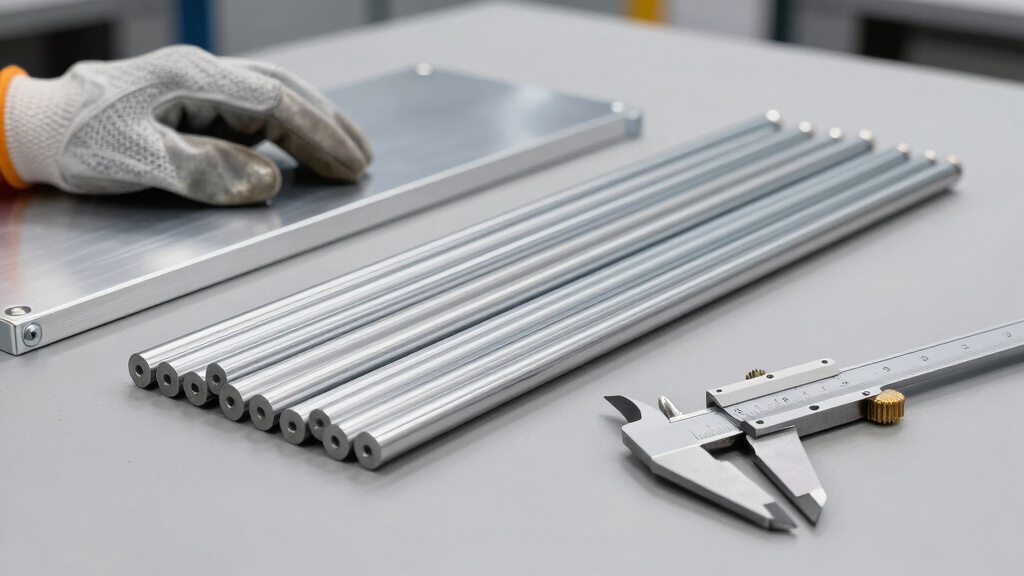
Choosing the right aluminum welding rod affects weld strength, appearance, and durability. The ideal rod matches your alloy needs, welding method, and environmental demands.
The alloy makeup of an aluminum welding rod—like ER4043 or ER5356—defines key properties such as corrosion resistance, strength, and weld fluidity. This classification isn’t just a label; it shapes the chemical behavior during welding and the final joint performance.
ER4043, containing around 5% silicon, lowers melting point and improves fluidity, reducing cracking risks. Meanwhile, ER5356 with about 5% magnesium offers better shear strength and saltwater resistance, ideal for marine conditions. These alloys affect how the filler metal blends and solidifies with base aluminum.
Ignoring alloy composition can lead to welds that crack, weaken, or corrode prematurely. For instance, using ER4043 in a high-stress, saltwater environment could cause faster deterioration, while ER5356 might be unnecessarily strong and costly for simple repairs.
The physical dimensions of the welding rod influence heat input, control, and penetration depth. Thickness and length must suit the welding technique—TIG or MIG—and the part’s thickness.
For example, a 0.035- to 0.04-inch diameter wire works well in MIG setups requiring steady feeding and deeper penetration, like the Hobart ER5356. TIG welding commonly uses rods around 3/32 inch (0.09 inches) or 1/8 inch (0.125 inches) diameter for better manual control. Length affects handling; longer rods like 16 or 36 inches reduce frequent stops but can be less maneuverable.
Using an overly thick rod can cause excessive heat and burn-through, while too thin rods might lack sufficient filler volume, resulting in weak welds. Similarly, improper length affects productivity and consistency during long welds.
The welding rod must suit the welding process to optimize arc stability, melting behavior, and filler metal deposition. MIG wires differ in feeding mechanisms compared to TIG rods designed for manual feeding and shielding gas.
MIG wires, such as the Hobart ER5356 0.035-inch wire, are formulated to feed smoothly through the gun and maintain a consistent arc under constant wire-feed speeds. TIG rods, like the YESWELDER ER4043, focus on control and weld puddle fluidity, accommodating precise manual manipulation and argon shielding gas.
Using a rod not intended for your process could cause poor arc starts, inconsistent weld beads, or contamination. For instance, TIG rods might not feed correctly through MIG guns, while MIG wires lack the flexibility needed for TIG torch handling.
The working environment heavily dictates which aluminum welding rod to use. Areas exposed to moisture or saltwater require rods that resist corrosion and maintain mechanical integrity over time.
ER5356 rods include magnesium to enhance resistance to saltwater and weathering, making them preferable for marine and outdoor structural work. ER4043 rods, with silicon-enhanced fluidity, provide decent corrosion resistance but excel more in applications requiring smooth weld appearance and crack resistance.
Ignoring environmental factors can result in welds that degrade quickly, risking structural failure. For example, aluminum boats or trailers welded with ER4043 might suffer faster corrosion compared to those with ER5356 fillers designed for such conditions.
Weld fluidity governs how the molten filler metal flows and fuses with base aluminum, directly impacting bead shape, porosity, and crack formation. Heat input and rod melting characteristics affect this fluid dynamic.
Rods like ER4043 feature a silicon boost that lowers melting temperature and enhances puddle fluidity, which helps create smooth, easy-to-manage weld pools. This consistency reduces spatter and operator fatigue. In contrast, ER5356 has higher melting points and requires precise heat control for solid welds.
Poor fluidity control often leads to uneven weld beads, undercuts, or defects like porosity. Welders using the wrong rod for their heat settings may face frequent rework, weak joints, or excessive clean-up labor.
Post-weld cleanliness is crucial because it affects both the appearance and the time needed to polish the weld area. A smooth melting action and a stable arc help minimize oxidation and reduce spatter. This means less scrubbing and sanding afterward, making projects less frustrating and faster to finish.
Aluminum rods like ER4043, which contain silicon, often create cleaner weld beads with fewer surface imperfections and less slag buildup. This reduces the need for heavy grinding or polishing. On the other hand, rods such as ER5356, known for their toughness, may produce a rougher weld surface that demands more extensive finishing work to look good.
Ignoring how different rods affect cleanup means spending extra hours removing slag and smoothing welds. This can slow down production and spoil the final look, especially when working on fabrications where aesthetics are key. Choosing the right rod saves time and delivers cleaner, more professional results.
Rod weight and packaging play a vital role in welding efficiency and ease. The right packaging size can make a serious difference, whether you’re working on a large-scale project or a quick repair. Choosing the correct rod weight impacts how often you need to reload and how portable your gear remains.
For instance, a 10-pound pack of ER5356 rods is perfect for continuous welding in a fixed workshop, delivering longer run times without interruptions. On the other hand, smaller packages like 1-pound spools of ER4043 rods suit mobile welders or light-duty work by reducing weight and minimizing waste. Packaging design also affects storage and handling comfort during tasks.
Ignoring rod weight and packaging can cause workflow slowdowns or excess waste. Too small a pack means stopping often to change rods, disrupting rhythm. Conversely, huge packs may become unwieldy and lead to unused material spoilage, hurt your budget and cause frustration.
ER5356 rods contain about 5% magnesium which results in higher strength and outstanding corrosion resistance, especially in saltwater environments. This makes them ideal for marine and outdoor aluminum welding projects where durability against corrosion is critical.
The magnesium content also provides better fatigue resistance compared to other alloys like ER4043. This helps maintain weld integrity under repeated stresses common in boats and coastal structures.
A practical tip: always clean the aluminum surface thoroughly before welding to prevent welding defects even with high-quality ER5356 rods.
The 5% silicon in ER4043 rods improves fluidity during welding, allowing the molten metal to flow better and create smoother, crack-resistant welds. This alloy enhances weld pool control and reduces common issues like porosity and cracking.
This silicon addition is especially useful in automotive repairs or casting aluminum where smooth weld beads are essential for appearance and strength. It also lowers the melting point for easier arc control.
For best results, pair ER4043 rods with TIG welding using an argon shielding gas to maximize the silicon benefits on weld quality.
Aluminum brazing rods, such as the Hot Max 24008, are primarily designed for joining thin sheets or cast aluminum with a lower melting temperature filler. They are not intended for structural welding as their strength and metallurgical properties do not match welding rods like ER4043 or ER5356.
Brazing rods require an aluminum flux and are mainly used with gas torch setups, rather than arc welding methods. They work well for leak repairs or delicate parts but lack the toughness for load-bearing joints.
Always choose a filler metal rated for welding if the project demands strong, load-bearing connections.
A moderate diameter like 3/32 inch (0.09 inches) rods, such as ER4043 TIG rods, strike a good balance for beginners handling aluminum welding. This size offers manageable heat input and good control over the weld pool without overwhelming the welder.
Smaller diameters can melt too quickly, whereas larger rods may require higher amperage and provide less precision. Starting with 3/32 inch rods helps build steady technique and clean weld beads.
Tip: Practice with scrap material to get comfortable with feed rate and heat before working on your main project.
Shielding gas, typically pure argon, protects the molten aluminum from atmospheric contamination, which can cause porosity, oxidation, and weak welds. Without proper shielding, welds become brittle and porous regardless of rod quality.
For TIG or MIG aluminum welding, controlled argon flow ensures arc stability and smooth metal transfer. Some rods, like ER4043 or ER5356, depend on this environment to perform optimally.
Never skip the shielding gas or reduce flow below recommended levels, especially in windy conditions, to avoid weld defects.
Choosing the right aluminum welding rod bridges the gap between weak, unreliable welds and strong, resilient joints that stand the test of time. Different rods influence weld quality by affecting flow, adhesion, and corrosion resistance, which are critical for achieving professional results in various projects. Selecting the proper alloy and diameter can significantly enhance both performance and durability.
Beginners and hobbyists tackling thinner sheets benefit from ER4043 rods due to their ease of use and smooth finish, while professionals working on more demanding tasks like marine or structural repairs should lean toward ER5356 for its superior strength and toughness. Matching rod thickness to the workpiece ensures optimal control and strength.
Always verify compatibility between the rod and base metal to guarantee lasting, defect-free welds. Prioritize surface cleanliness and consider preheating thicker materials to prevent cracking. Avoid using inconsistent rod sizes, as improper selection can compromise weld integrity and cause weak spots over time.
Last update on 2026-11-24 / Affiliate links / Images from Amazon Product Advertising API

