Phone:
(701)814-6992
Physical address:
6296 Donnelly Plaza
Ratkeville, Bahamas.

Phone:
(701)814-6992
Physical address:
6296 Donnelly Plaza
Ratkeville, Bahamas.

Welding sparks burst in blinding flashes. Your eyes strain against harsh glare that never quits. Every glance feels like a gamble with your vision.
The Tefuawe Gold Coated Welding Lens sharpens your view with crystal clarity and blocks over 99% of UV and IR rays. The Forney Durable Replacement Glass Lens relies on rugged build and consistent Shade 10 filtering to protect your eyes without flicker.
The Sano WeldPro Glass Lens finishes the trio by balancing clarity and toughness in a design made for heavy use.
| Image | Name | Editor's Rating | Price |
|---|---|---|---|
|
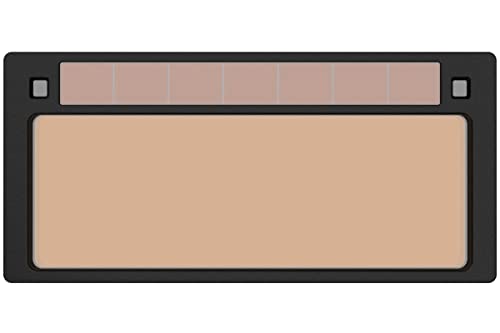
Tefuawe 2x4 1/4 Gold Welding Lens, Fixed Shade 10.5, Tig Rat...
|
|
|
|
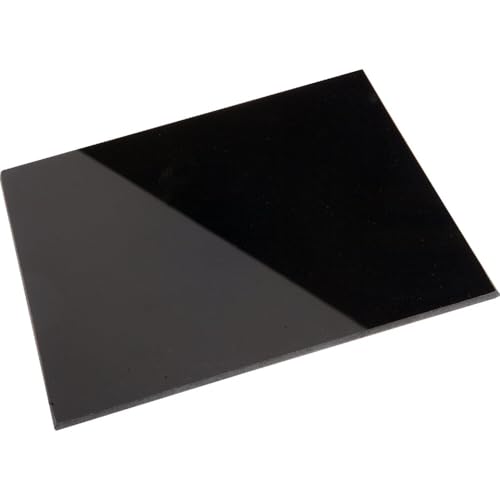
Forney 57052 Lens Replacement Hardened Glass, 4-1/2-Inch-by-...
|
|
|

|
Goldland WELD PROTECT Auto Darkening Welding Lens 2"x4.25" S...
|
|
|

|
PATIKIL Welding Glass Lens Shade 11 4.5"x5.25" Helmet Filter...
|
|
|
|
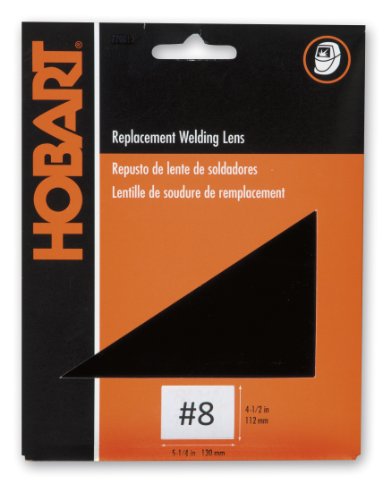
Hobart 770219 Welders Weld-It Shaded Lens, Shade #8, Standar...
|
|
Selecting the right fixed shade welding lens enhances visibility and safeguards your eyes during critical welding tasks. Explore top options designed for durability, clarity, and optimal performance.
Working with low-amp TIG welds demands a lens that offers clear visibility without flicker disruption. This piece excels by enabling welders to observe arcs precisely, reducing the need to constantly flip the helmet up and down. Such a feature alone can noticeably improve workflow efficiency and minimize errors.
Gold coating technology shields your eyes by reflecting more than 99% of harmful UV and IR rays. This reflective barrier not only protects but also lessens radiant heat, helping to avoid fatigue during extended welding sessions. The high-heat resistant construction lowers the risk of lens warping under intense temperatures.
At just 0.19 inches thick, the lens easily fits into any standard 2 x 4 1/4-inch welding hood and accommodates cheater glass if needed. The clarity is enhanced by Tefuawe’s True Color Technology, which offers a more natural and vibrant viewing experience. This sharper view contributes to better weld quality through improved arc recognition.
Durability meets practicality with its robust build designed for industrial environments, where intense and continuous use is normal. Included protective cover lenses extend the life of the product by guarding against scratches and debris. Tefuawe incorporates their expertise into a product renowned for reliable, clear eye protection.
Best for: Professionals requiring consistent arc clarity and long-term comfort during low-amp TIG and industrial welding tasks.
Pros:
Cons:
Welding environments demand lenses that combine toughness with precise light filtration to protect your eyes. This replacement lens crafted by Forney features hardened glass designed to endure rigorous use while maintaining clarity.
Engineered to fit most helmets with a 5 1/4 x 4 1/2-inch window opening, it offers a snug fit that stays secure during intense work sessions. Its standard No. 10 shade effectively blocks out harsh light, reducing eye strain without compromising your field of view.
Certified to meet ANSI Z87.1 safety standards, this lens provides 99.9% UV and UVB protection, shielding your eyes from invisible rays that could cause long-term damage. Featuring a green tinted glass, it minimizes glare while maintaining true color perception essential for precise welding tasks.
Lightweight yet sturdy, its metal frame enhances durability without adding bulk, and the lens coating helps defend against scratches and debris, keeping your vision clear project after project. The glass surface cleans easily with a soft cloth, ensuring maintenance is quick and hassle-free.
Best for: Professionals and hobbyists needing reliable eye protection for industrial welding applications who want a hard-wearing lens that fits a variety of helmets.
Pros:
Cons:
Adjusting shades instantly to protect your vision during welding is crucial for safety and precision. Featuring dual independent sensors, this lens shifts quickly from a light shade 3 to a dark shade 11, offering an adaptable shield for various welding environments. True Color Optics deliver clearer and more accurate views of your weld puddle, reducing eye fatigue during long sessions.
Measuring 2″ by 4.25″ with a generous viewing area of 3.62″ by 1.38″, the lens fits conveniently in Goldland’s flip-up argon arc helmets, allowing easy interchange between auto-darkening and black glass lenses. Its blue tint replaces traditional dark greens which often obscure clarity, offering a more natural viewing experience to better distinguish weld features.
The lens construction uses durable glass and plastic materials ensuring durability without added bulk, weighing just 2.39 ounces. Powered by two lithium-ion batteries, it offers reliable performance without sacrificing sensitivity or reaction time. Goldland’s engineering in this lens provides a balance between protection and practical visibility.
Seamless shade transitions and optical precision combine to reduce strain and enhance focus, making it easier to achieve quality results with every arc. The compact design and advanced optics make it a functional choice that aligns well with professional and serious hobbyist needs.
Best for: Welders seeking enhanced optical clarity and versatile shade adaptability for various welding tasks.
Pros:
Cons:
Helmet filters often fail to balance clear visibility against protection from harsh welding light. Gold-tinted glass at shade 11 expertly filters intense luminosity, letting you see your work without struggling against blinding glare.
Offering a solid 3 mm thickness, the glass provides a robust barrier against weld spark, dust, and impact, maintaining safety without compromising your detailed view. The medium-large 4.5″x5.25″ design fits many welding helmets, ensuring a snug, reliable fit for continuous use.
PATIKIL’s gold lenses rely on a higher shade number to significantly reduce eye strain during heavy-duty welding sessions. The carefully chosen tint supports prolonged focus, even under strong arc light, while protecting against ultraviolet and infrared rays.
Replacing helmet lenses often means settling for compromises in shade or size. This pair delivers consistent protection and comfortable clarity for experienced welders working on both delicate and powerful applications. Investing in reliable glass like this helps prevent long-term eye fatigue.
Best for: Professionals and hobbyists tackling mid-to-high intensity welding who need dependable eye filtering without sacrificing visibility.
Pros:
Cons:
Shield your eyes efficiently during intense arc welding jobs with this specially designed lens. Its shade number 8 strikes a solid balance, filtering enough light to protect without overly dimming your view. Built-in clear cover plates shield the lens from molten splatter and everyday wear, extending lifespan and maintaining visibility quality on tough jobs.
Compact and lightweight at just under 5 ounces, this lens fits standard size holders, making it easy to handle without added burden. The Hobart brand ensures you get a product crafted to meet the demands of professional welding environments, offering consistent, reliable protection throughout long projects.
Easy to install and maintain, the lens design keeps your focus sharp, while minimizing glare and dangerous radiation exposure. The thoughtful construction offers durability alongside comfort, helping prevent eye strain and ensuring your safety.
Ideal for various arc welding types, it balances protection with clarity, so you stay productive without compromising on safety. Experience dependable shielding crafted to stand up to regular use and challenging conditions.
Best for: Welders requiring balanced eye protection against intense light and sparks in demanding welding conditions.
Pros:
Cons:

Maintaining clear vision during intense arc welding is non-negotiable and often underestimated. This replacement lens offers the critical solution of combining a precise fit with superior protection, tailored to fit standard helmet sizes of 4-1/2 by 5-1/4 inches. The design includes clear cover plates that act as a frontline guard against molten metal spatter and wear, extending the life of your helmet’s visual shield.
Forged from resilient nylon material, the lens maintains integrity against the harsh conditions common to welding environments. Its pull-on closure adds simplicity to installation, letting you replace worn or damaged lenses quickly without fuss. Because clarity is just as vital as protection, the lens delivers a clean, unobstructed view to keep your focus sharp on every weld.
While some might think all replacement lenses offer similar protection, this option from Hot Max incorporates features that balance durability with ease of use. It’s built specifically for a No. 11 shade helmet, ensuring trusted eye defense with every use. By refurbishing your worn lens, you’re not just swapping equipment but restoring the certainty of consistent performance.
The slim black frame complements the utilitarian design without adding bulk, making it an unobtrusive part of your welding gear. Trusted by professionals aiming to maintain peak visual safety without complicating their setup, this lens represents an effective way to prolong your helmet’s service life.
Best for: Professionals and hobbyists who need a reliable, no-fuss solution for renewing their welding helmet’s sight shield.
Pros:
Cons:
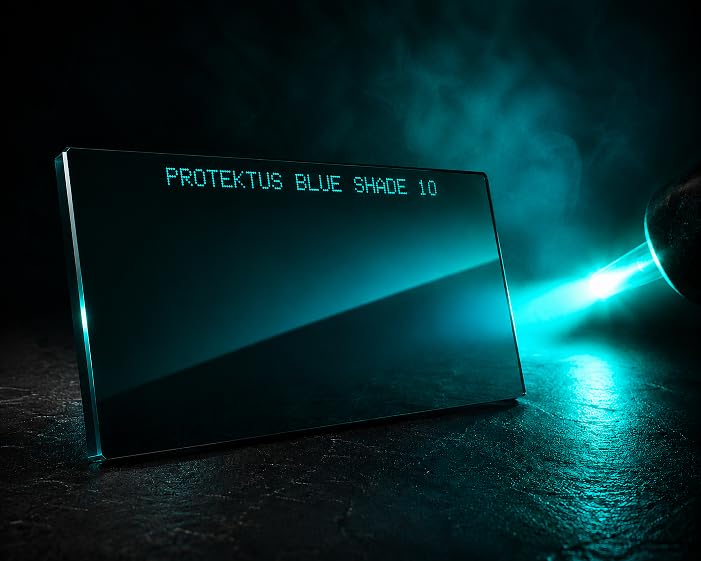
Welding environments can surprise you with intense brightness that standard safety glasses won’t handle. When you’re tackling TIG, MIG, or stick welding, protection isn’t just about convenience—it’s a critical defense against eye damage. This replacement lens offers a consistent shade level that blocks harmful rays with precision, ensuring your vision stays sharp without the hassle of adjusting settings.
Crafted to fit snugly into standard holders, the Turquoise Blue lens measures 2″ x 4.25″, providing ample coverage for active welders. Its passive, fixed shade design means no electronics or batteries—just reliable performance every time you need it. The lens’s cobalt blue coating appeals not only visually but also in enhancing the contrast, making weld pools easier to monitor.
While auto-darkening lenses offer flexibility, this fixed shade option offers durability and simplicity that active professionals appreciate for repetitive or straightforward welds. It minimizes distractions during long projects and stays clear without electronic delay.
With a dedicated shade 10 rating, it balances protection and visibility especially well for most common welding tasks. This product from Cobalt Blue supports steady performance and eye safety which many welders prioritize as non-negotiable.
Best for: Welders who require steady, dependable eye protection in environments featuring TIG, MIG, and stick welding methods.
Pros:
Cons:

Working with intense welding arcs demands a lens that can reliably shield your eyes without compromise. The TRQWH hardened glass lens fits snugly into helmets and goggles sized 4.5″ x 5.25″, offering robust protection at shade 11 strength. Its specialized frosted edges and expertly processed surface enhance durability where it counts.
Engineered from high-quality gold glass, this lens filters out hazardous UV rays and intense glare with 99.9% UV protection, crucial for preventing long-term eye damage during welding. Dust, spatter, and impact resistance make it a solid choice for harsh job site conditions.
It’s easy to slip these lenses into the standard-sized window openings of most helmets, so you don’t have to settle for lenses that barely fit or degrade vision. The design prioritizes clear viewing alongside critical light filtration to minimize eye strain over long sessions.
TRQWH combines resilience with performance, ensuring your welding lens maintains clarity and protection through rugged use. Expect a consistent shield that balances strong heat and light deflection with snug fit compatibility for quick replacement.
Best for: Professionals and hobbyists using helmets with 4.5″ x 5.25″ lens frames who demand reliable eye protection against intense welding arcs.
Pros:
Cons:

Performing precision welding often demands a lens that delivers clear, undistorted vision without sacrificing protection. The True-Color filter by Weldcote Metals elevates visibility with its advanced blue high-definition technology, transforming how you perceive your work.
Equipped with dual arc sensors, it ensures rapid response to light changes, keeping your eyes safe from sudden flashes. The multi-coated optical glass lens optimizes clarity of the visible spectrum, which eliminates the common challenge of color distortion during welding operations.
Powering the lens is a hybrid system combining a solar cell with a non-replaceable lithium battery, providing reliable and maintenance-free operation for extended periods. The lens thickness, precisely 5.2 mm, balances durability without adding bulk to your protective gear.
Featuring an intuitive auto-on/off circuit, this filter activates instantly when needed and conserves energy when idle. Its 2-inch screen size offers ample coverage, enhancing your field of view under heavy use. Weldcote’s design supports compatibility with devices using an 11mm thread size, ensuring easy integration.
Strong eye protection paired with optimized visual clarity redefines user experience in fixed-shade gear. Its blue tint is not just aesthetic but scientifically tuned for better sight lines on every job.
Best for: Welders requiring consistent, high-clarity eye protection with swift activation for medium to heavy-duty welding tasks.
Pros:
Cons:
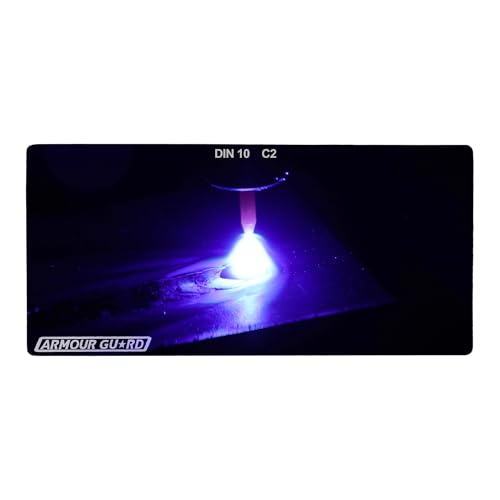
Balancing clarity and eye protection can often feel like a trade-off during welding, but a lens with a unique purple tint changes the equation by reducing the harsh yellow flare of the arc. This feature alone can sharpen your focus and make details easier to discern, even in challenging lighting conditions.
Crafted entirely of toughened glass, the lens promises durability and exceptional clarity to help you maintain precision on every job. Its rigid build also means fewer worries about scratches or damage during routine handling and storage.
The mirrored coating is not just a flashy addition; it plays a critical role in cutting down glare, which reduces eye strain and fatigue over prolonged use. Together with compliance to ANSI Z87 standards, it offers a reliable safeguard that meets the expectations of seasoned welders.
Designed to fit a standard cartridge size of 50.8mm by 107.95mm (2″ x 4.25″), this lens is available in multiple fixed shades including 9, 10, 11, and 16, allowing you to pick the right level of darkness for various welding applications. Incorporating this lens from Techniweld USA can elevate your work safety and visual comfort.
Best for: Professionals needing dependable eye protection with enhanced visual comfort during diverse welding tasks.
Pros:
Cons:
| Product Name | Lens Material | Shade Level | Dimensions (inches) | Special Features |
|---|---|---|---|---|
| Tefuawe Gold Coated Lens | Glass with Gold Coating | 10.5 (Fixed) | 4.25 x 2 x 0.19 | Rejects 99% UV/IR, HD view, Industrial use |
| Forney 57052 Hardened Glass | Hardened Glass | 10 (Fixed) | 4.5 x 5.25 x 1 (package) | Meets ANSI Z87.1, UV Protection |
| Goldland Auto Darkening Lens | Glass/Plastic | Shade 3 (Light) to 11 (Dark) | 4 x 2 x 0.2 | Auto darkening, 2 Sensors, True Color optics |
| PATIKIL Gold Glass Lens | Glass | 11 (Fixed) | 4.5 x 5.25 | Dust, spark, impact protection, 3 mm thick |
| Hobart Weld-It Shade Lens | Glass | 8 (Fixed) | Approx. 6.02 x 4.8 x 0.31 (package) | Clear cover plates, arc protection |
| Hot Max #11 Replacement Lens | Nylon Frame & Glass | 11 (Fixed) | 4.5 x 5.25 (Approx.) | Arc welding protection, cover plates |
| TRQWH Hardened Glass Lens | Hardened Glass | 11 (Fixed) | 4.5 x 5.25 | Frosted edges, dust and spatter resistant |
| Weldcote True-Color Filter | Optical Glass | 10 (Fixed) | 3.62 x 1.42 x 0.2 | Blue HD Tech, Solar Cell powered, 2 arc sensors |
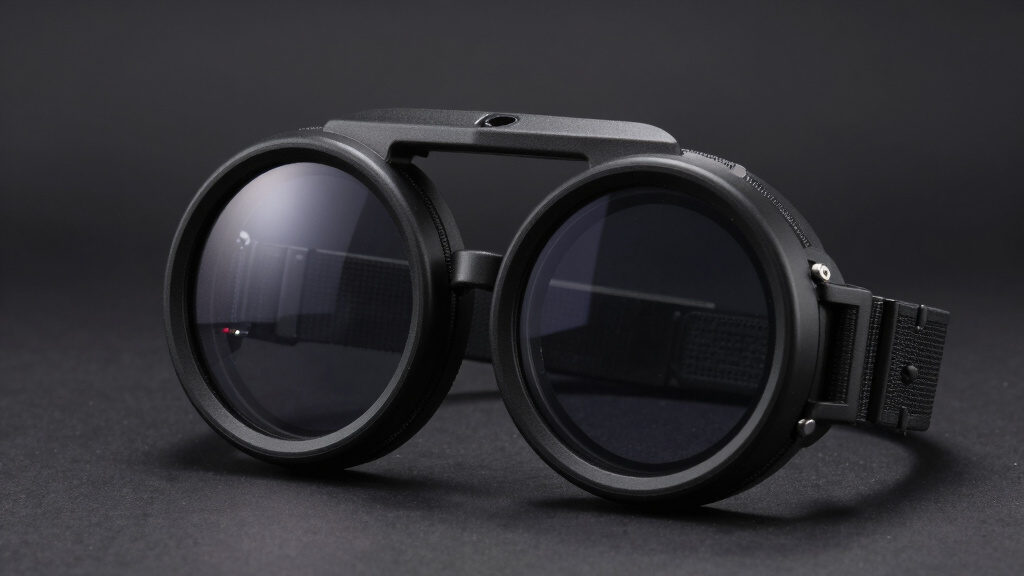
Selecting a fixed shade welding lens is more than just picking a number. It’s about matching protection, clarity, and durability to the demands of your welding work. The right choice can make the difference between clear vision and eye strain, or between safety and injury.
Shade level refers to how dark the lens is, filtering out the intense light from welding arcs. It’s a make-or-break feature because the correct shade protects against harmful UV and IR radiation while maintaining enough visibility for precision. Too light, and your eyes risk damage; too dark, and you lose detail.
Welding lens shades range from about shade 8 to shade 11 for fixed lenses, with each level suited to different welding currents and processes. For example, shade 10.5 works well for low-amp TIG welding, offering visible clarity without flicker, while shade 11 handles high-amp arc welding by blocking excess brightness effectively.
Choosing an inappropriate shade risks either insufficient eye protection or compromised weld accuracy. Using a lens with too low a shade exposes you to UV/IR radiation, causing eye fatigue or worse. On the opposite end, overly dark lenses can reduce visibility and make fine weld control difficult.
Lens material determines durability, clarity, and UV/IR filtering capability—key factors for long-term use and safety. Fixed shade lenses come commonly in hardened glass, standard glass with coatings, or hybrid glass/plastic composites, each bringing different toughness levels and optics.
Hardened glass lenses are popular for their resistance to scratches and heat, often meeting safety standards like ANSI Z87.1. Coatings such as gold or blue reflective layers work by reflecting harmful rays rather than absorbing heat, extending lens life and reducing radiant heat transfer to your eyes.
Ignoring lens material quality can mean constant replacements due to scratches or surface wear. Poor materials also affect how well UV and IR rays are blocked, risking eye damage. Plus, lenses made from subpar glass or plastic are more prone to shattering under sparks or impact.
A lens must fit your helmet snugly to prevent gaps that let harmful light through or allow dust and sparks in. The dimensions of welding lenses vary, commonly around 4.5 x 5.25 inches or slightly smaller for specialty helmets. Getting the size right is critical—it secures the lens and ensures protection is uncompromised.
Many fixed shade lenses are designed to fit standard holders, yet small size differences require attention. Specialized products like the Tefuawe 4.25 x 2-inch lens cater to particular helmets or lens frames using precise measurements. Thickness also matters for durability, with some lenses around 3 mm thick to resist impact and wear.
Failing to match correct dimensions can cause the lens to rattle, fall out, or allow unfiltered light inside. A loose lens assembly not only compromises eye protection but also increases risk of contamination from welding debris, reducing safety and comfort during work.
Coatings on fixed shade lenses enhance protection and viewing comfort beyond basic filtration. Reflective gold or blue coatings reduce glare and help repel heat, improving arc visibility and reducing eye strain. Additional layers can guard against scratches, dust, and impact.
High-quality lenses with coatings, such as the Tefuawe Gold Coated lens or Turquoise Blue Coated lens, reflect over 99% of ultraviolet and infrared rays. Some include clear cover plates that shield the lens from molten spatter, greatly extending service life without sacrificing clarity.
Skipping lenses with protective coatings or cover plates often means frequent replacements and a less comfortable welding experience. Uncoated lenses can fog, scratch, or accumulate grime quickly, degrading visibility and forcing welders to interrupt tasks more frequently.
Effective welding lenses block harmful light but must also allow you to see your work clearly. Visibility balance is critical since too much darkening impairs precision welding, while inadequate shielding stresses your eyes.
Fixed lenses around shade 8 to 11 vary in how they filter visible light alongside UV/IR rays. Lenses like the Hobart Shade 8 model aim to strike this balance for moderate arc jobs, filtering enough harmful rays without overly darkening the view. Meanwhile, premium options with True Color Optics correct color distortion, letting you spot weld puddles and seams better.
Ignoring visibility balance leads to either eye discomfort or weld defects. A lens too dark obscures weld details, increasing errors, while insufficient protection causes eye fatigue and long-term damage.
Welding exposes lenses to sparks, heat, dirt, and mechanical shocks, so durability is essential. The lens must withstand impact without cracking while maintaining consistent protection from UV and IR rays over time.
Thicker lenses—typically around 3 mm or layered with clear cover plates—absorb sparks and resist dust. Hardened glass and strong coatings help prevent cracks or chips. Some lenses, like the PATIKIL 3 mm thickness option, combine glass strength with design features to enhance impact resistance without adding bulk.
Neglecting durability risks sudden lens failure, potentially exposing your eyes to injury or debris. Frequent lens damage also costs time and money due to replacements and hampers welding workflow through interruptions.
Fixed shade lens compatibility ensures your lens fits the helmet’s frame and holder firmly, preserving both protection and user comfort. Different helmet brands and models require specific lens sizes and mounting methods.
Most lenses target common helmet window sizes such as 4.5 x 5.25 inches, but variations exist. Some specialized lenses come in smaller formats like the 2 x 4.25-inch Goldland Auto Darkening lens, designed for particular helmets with unique slots. Confirming compatibility avoids forced modifications or unstable lens installation.
Overlooking compatibility causes issues like lens slippage, excessive light leaks, or inability to secure the lens properly—undermining welding safety and requiring inconvenient adjustments on the job.
The best fixed shade welding lens must effectively block harmful UV and IR rays while providing a clear view to prevent eye strain. This is crucial because the lens shields your eyes from intense arc light without needing adjustments. For instance, lenses with gold coatings can reflect over 99% of UV/IR rays, improving safety and comfort during long welds.
Choosing the right shade level based on your welding type ensures optimal protection and visibility. Too dark or too light lenses can lead to fatigue or damage.
Always verify that your lens matches the recommended shade number for your welding process to stay properly protected.
Fixed shade lenses offer consistent protection with no electronic components, making them reliable and simple to maintain. In contrast, auto-darkening lenses adjust shade dynamically for different intensities, which is handy but adds complexity. For example, a fixed shade 10 lens like the Forney model remains steady without any delays common in electronics.
Auto-darkening lenses provide versatility for multiple welding types but can be more expensive and require power sources. Fixed lenses excel in durability and cost-effectiveness for repetitive welding tasks.
If your work involves quick or varied welding tasks, consider convenience; otherwise, fixed lenses provide steady, dependable shielding.
Shade levels depend on the welding method’s brightness: lower amperage TIG might need shades around 8 to 10.5, while higher amperage Stick or MIG welding requires shade 11 or more. Using the recommended shade prevents both overexposure and poor visibility.
For example, Tefuawe’s 10.5 shade lens suits industrial low-amp TIG welding for clear arc observation, while PATIKIL’s 11 shade handles intense Stick welding glare effectively.
Refer to safety guidelines and select shades that match your exact welding amperage for both comfort and eye safety.
Glass lenses often provide clearer visibility and resist scratches better than plastic, while coated glasses add protective properties against UV and IR rays. Hardened glass like in the Forney or TRQWH lenses offers toughness for demanding conditions. Nylon frames, as seen in Hot Max lenses, add impact resistance without sacrificing fit.
For instance, gold-coated glass lenses not only filter harmful rays but also reduce radiant heat for longer use comfort. Thickness, such as 3 mm in PATIKIL lenses, plays a role in shock resistance too.
Choose lenses with high-quality glass or coatings to balance clarity and long-term durability on rough job sites.
Fit depends mainly on lens dimensions and helmet window size. Most fixed lenses like the Forney or PATIKIL are sized at 4.5 x 5.25 inches, fitting many standard helmets. Smaller lenses like Tefuawe’s 4.25 x 2 inches may fit specialty helmets or adapters. Always measure your helmet’s viewing area before purchasing a replacement lens.
Universal sizes cover many popular helmets, but some helmets require specific dimension lenses or mounting hardware. Checking compatibility prevents improper fit and exposure.
Try fitting the lens before use or consult helmet manuals to ensure the right match and avoid gaps or looseness.
Selecting the ideal fixed shade welding lens transforms your protection level, ensuring welders achieve clear vision and enhanced safety. The correct lens provides reliable filtering of hazardous rays, which significantly improves comfort and precision during weld operations. This critical choice safeguards your eyesight while boosting work quality.
For welders specializing in fine, low-amp TIG work, lenses with shades around 10.5 and advanced coatings deliver superior clarity. Heavy-duty welders should opt for robust, tempered glass lenses for lasting durability. Meanwhile, those facing varying light conditions are best suited with lenses that maintain consistent darkness throughout the process.
Accurately verify your helmet’s lens size to guarantee a proper and snug fit that prevents stray light intrusion. Routine cleaning and preventing damage are vital since compromised lenses reduce protection effectiveness. Adopting these habits will maintain your safety and enhance the lifespan of your welding gear.
Last update on 2026-10-15 / Affiliate links / Images from Amazon Product Advertising API