Phone:
(701)814-6992
Physical address:
6296 Donnelly Plaza
Ratkeville, Bahamas.

Phone:
(701)814-6992
Physical address:
6296 Donnelly Plaza
Ratkeville, Bahamas.

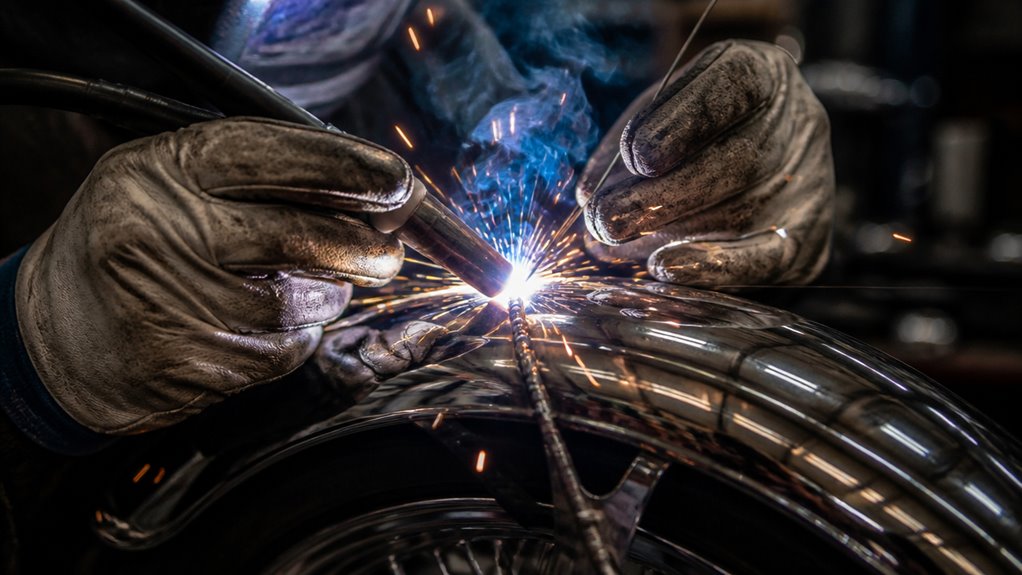
You can weld chrome materials, but you must remove chrome plating first because it insulates and interferes with grounding and arc stability.
Welding chrome-plated steel releases toxic hexavalent chromium fumes, so use proper ventilation and respiratory protection.
Chrome white iron is extremely difficult to weld due to cracking risks. Chrome-moly steel welds more reliably if you manage heat and use correct filler metals.
For effective, safe welding of chrome-containing metals, you’ll want to understand these challenges and solutions clearly.
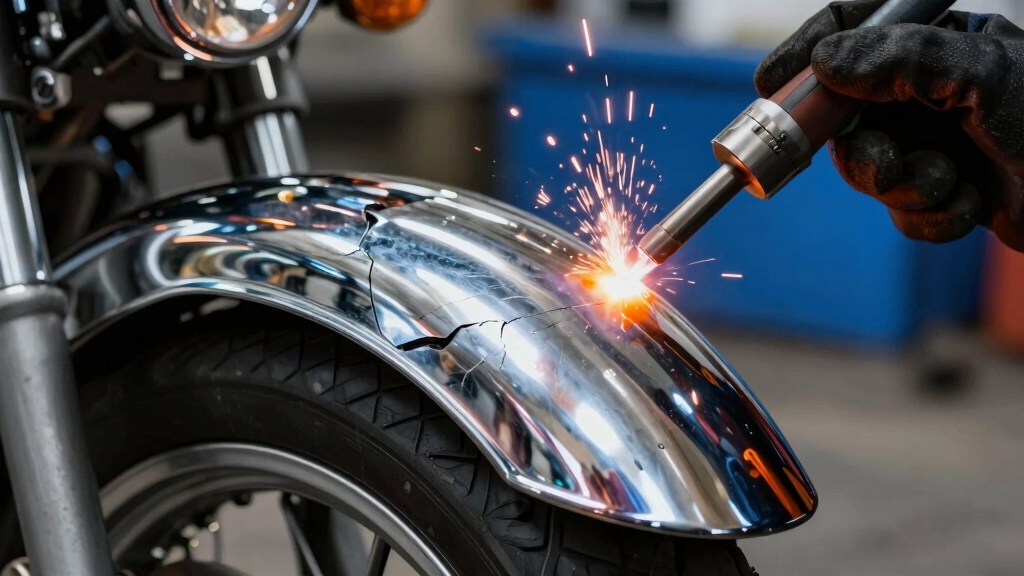
Although welding chrome-plated steel is possible, you should understand the challenges it presents before attempting the process. The chrome plating acts as an electrical insulator, causing grounding and arc initiation difficulties.
To guarantee proper welding, you typically need to grind or chip away the chrome at the weld zone to expose bare metal. This facilitates reliable electrical contact and cleaner fusion. Keep in mind that welding heat destroys the chrome finish locally, necessitating post-weld polishing or refinishing to restore appearance.
The welding behavior depends primarily on the underlying steel rather than the plating itself. Additionally, fumes generated during welding pose significant concerns, so you must consider appropriate ventilation or extraction methods. These factors make welding chrome-plated steel a technically demanding task requiring careful preparation. Proper ventilation and respiratory protection are essential to minimize inhalation risks from fumes during welding.
When you weld chrome-plated steel, you must prioritize safety due to hazardous fumes released during the process. These fumes contain hexavalent chromium compounds, which are highly toxic and carcinogenic.
You should never weld over chrome without proper ventilation or fume extraction systems in place. Additionally, the chrome layer acts as an insulator, complicating grounding and arc initiation.
Removing the plating at the weld zone is essential to ensure a stable weld. Always clamp the ground to bare metal, not the plated surface, to improve conductivity and weld quality.
Even with precautions, the chrome finish near the weld will be damaged and require refinishing. By addressing fume hazards and electrical challenges, you can weld chrome-plated steel safely and effectively.
Proper ventilation and the use of respiratory protection are critical to minimize inhalation of toxic fumes and prevent serious health risks.
Because chrome white iron contains a complex microstructure of martensite and carbides, you’ll find it highly susceptible to heat cracking during welding.
Chrome white iron’s martensitic and carbide microstructure makes it prone to heat cracking during welding.
This microstructure creates significant internal stresses when exposed to welding heat, causing brittle fracture and crack propagation beneath the weld bead.
You must apply extremely high preheat and controlled interpass temperatures to reduce thermal gradients, but this approach is commercially impractical.
Additionally, the material’s hardness resists fusion, making weld deposits prone to lack of fusion and slag entrapment.
Even if you manage a weld, the repair often remains cosmetic, lacking structural integrity.
Instead, you should consider alternative repair methods like bolting, inserts, epoxy bonding, or cast-in steel backing, since conventional welding doesn’t reliably restore chrome white iron components without compromising their performance.
Due to the high carbon content and complex alloy composition, managing thermal expansion mismatches is critical but difficult in chrome white iron welding.
Understanding the challenges of welding chrome white iron highlights the importance of distinguishing it from other chromium-containing materials, such as chrome-moly steel.
Chrome-moly steel, typically 4130 alloy, contains chromium integrated within the steel matrix. This differs from chrome-plated steel, where chromium is a thin surface layer.
This fundamental difference affects weldability. Chrome-moly’s alloyed chromium maintains structural integrity during welding, allowing proper fusion with suitable filler metals and procedures.
In contrast, chrome plating acts as an electrical insulator, causing arc-start difficulties and necessitating removal before welding.
Additionally, chrome-moly requires specific precautions like argon purging to prevent oxidation and cracking, especially in high-stress applications.
Understanding these distinctions lets you select appropriate welding techniques and avoid the pitfalls common with chrome-plated steel surfaces. Proper heat management and using the correct filler wire are essential to ensure strong, crack-resistant welds in chrome-moly steel.
Although welding chrome materials presents unique challenges, following best practices can markedly improve safety and weld quality.
You should always remove chrome plating from the weld zone to guarantee proper arc initiation and grounding. Fumes from welding chrome-plated surfaces are toxic, so secure adequate ventilation or use fume extraction systems to protect your respiratory health.
Additionally, expect the weld area to lose its plated finish, requiring refinishing for cosmetic integrity.
Focus on these three critical practices:
Ensure you wear proper respiratory protection and use local exhaust ventilation to minimize inhalation of toxic fumes.
You’ll want to use an angle grinder with a flap disc or a grinding wheel to efficiently remove chrome plating.
A wire brush attachment can help clean residual particles but won’t remove plating fully.
For precision, a die grinder with carbide burrs works well in tight spots.
Always make certain you wear respiratory protection and proper PPE, as grinding chrome produces hazardous dust and fumes you must avoid inhaling during prep.
Like spotting a shiny sticker on a plain box, you can identify chrome plating by its bright, reflective surface over a different base metal, often steel.
Use a magnet; if it sticks weakly or inconsistently, it’s likely plated. For chrome alloy steel, the chromium is alloyed within the metal, so the whole piece is uniformly magnetic and harder.
Chemical tests or a spark test can further distinguish plating from alloy steel.
For chrome-plated steel, you should select fillers based on the underlying base metal, not the chrome plating.
Typically, mild steel or low-alloy steel filler rods work if the base is carbon steel.
Avoid fillers designed for stainless or high-chrome alloys unless the base metal matches.
Remember, always grind off chrome at the weld zone to guarantee proper fusion and grounding.
Use proper ventilation to mitigate hazardous fumes during welding.
Inhaling chrome welding fumes is like breathing in a toxic storm.
You face risks such as lung irritation, chronic bronchitis, and even lung cancer due to hexavalent chromium compounds.
These fumes can cause respiratory sensitization and kidney damage over time.
You must control exposure with proper ventilation and respirators because these health hazards are severe and cumulative.
Strict safety measures are essential during welding operations involving chrome-containing materials.
Yes, you can reapply chrome plating after welding, but you’ll need to prepare the surface thoroughly.
Welding damages the original chrome finish around the weld area, so you must grind, polish, and clean the metal to guarantee good adhesion.
Any residual welding contaminants or uneven surfaces will affect plating quality.
Keep in mind, proper post-weld refinishing is essential for restoring both appearance and corrosion resistance of the chrome layer.
Welding chrome materials isn’t impossible, but it’s like walking a tightrope. You need precision and care.
You can weld chrome-plated steel, but the plating’s brittleness demands proper prep to avoid cracking.
Chrome white iron’s hardness makes it a tough challenge, while chrome-moly steel offers more weldability with correct techniques.
Always follow best practices and safety guidelines to guarantee a strong, reliable weld. Mastery here turns a risky task into a controlled engineering feat.