Phone:
(701)814-6992
Physical address:
6296 Donnelly Plaza
Ratkeville, Bahamas.

Phone:
(701)814-6992
Physical address:
6296 Donnelly Plaza
Ratkeville, Bahamas.

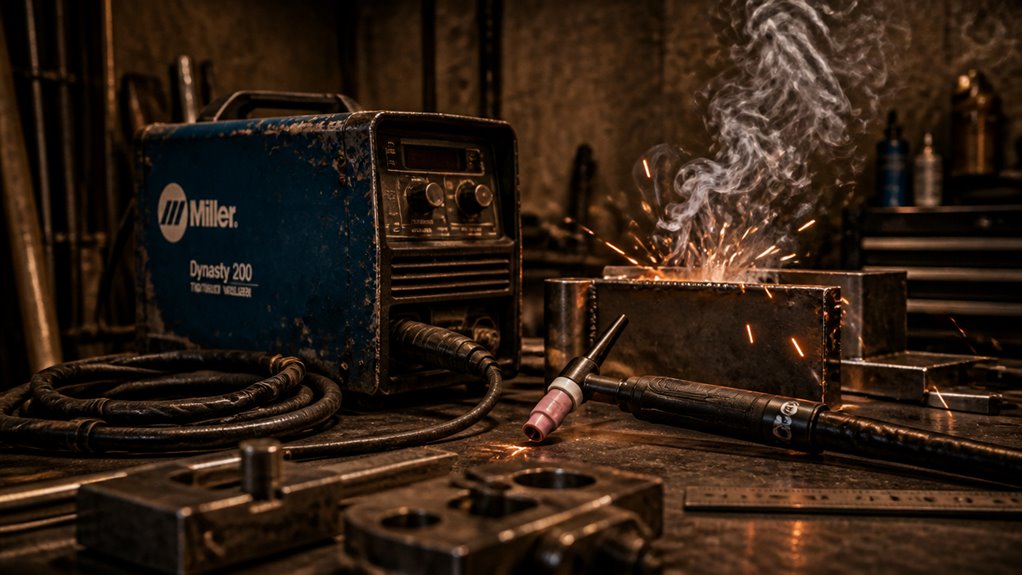
Welding machines vary widely in price based on brand, type, duty cycle, and features.
You’ll find entry-level models under $400, suitable for light or hobby use. Mid-range units range from $500 to $3,000, offering better duty cycles and multi-process capabilities.
Professional-grade machines start around $3,000 and can exceed $10,000, delivering higher amperage and continuous operation.
Specialized industrial equipment may top $20,000 due to advanced automation and processes. Explore these factors to pinpoint the right fit.
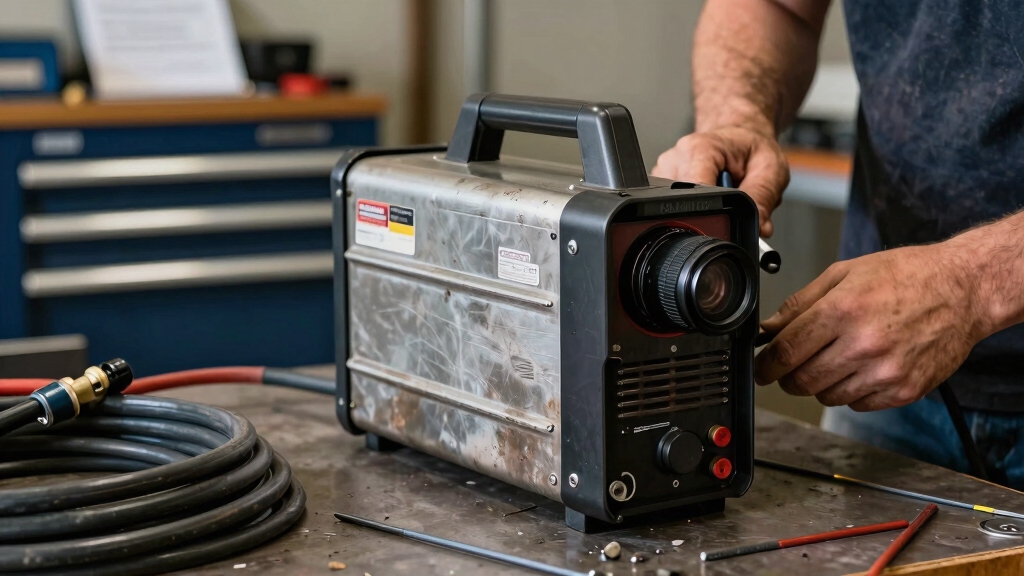
When you’re evaluating welding machines, understanding the key cost factors can help you make an informed purchase that suits your needs and budget.
You’ll find brand name has a significant impact. Premium manufacturers like Miller or Lincoln Electric typically command higher prices due to reliability and advanced features.
The machine type also dictates cost. MIG, TIG, stick, and multiprocess units vary substantially in complexity and price.
Pay close attention to the duty cycle and output capacity, as these directly affect suitability for continuous or heavy-duty use and consequently pricing.
Additional features such as portability, integrated generators, or built-in compressors also increase cost.
Finally, specialized industrial-grade equipment carries a premium for robust construction and advanced applications, reflecting investment in durability and performance.
Multi-process welders offer cost and space efficiency by replacing several single-function machines, which can influence overall investment decisions based on equipment consolidation.
Entry-level welding machines typically cost under $400, making them accessible for hobbyists and beginners. You’ll find basic models starting as low as $90, such as stick welders and hobbyist MIG units, which are suitable for light-duty tasks.
Retailers like Walmart and Harbor Freight offer these budget-friendly options, often priced between $90 and $400. Expect limited duty cycles and minimal continuous operation capabilities, as these machines prioritize affordability over industrial performance.
Their features tend to be straightforward, focusing on essential welding functions without advanced controls or multi-process capabilities. When selecting an entry-level welder, consider that these machines are best suited for occasional or small-scale projects rather than extended or heavy use. This aligns price with functional simplicity and ease of operation. Many entry-level models use AC output, which can cause increased spatter and a harsher arc compared to inverter multi-process units.
Although mid-range welding machines cost more than basic models, they provide a crucial balance between price and enhanced performance features.
Mid-range welding machines offer the perfect blend of affordability and advanced features for serious users.
When you invest in this segment, you gain capabilities suited for serious DIY projects, small shops, and light commercial tasks without the expense of professional-grade units.
Key considerations include:
This category guarantees you get reliable performance with flexibility, making it a practical choice before stepping into professional-grade equipment. Additionally, mid-range welders often incorporate inverter technology for improved energy efficiency and precise arc control.
Professional welding machines command higher prices due to their advanced capabilities, robust construction, and suitability for demanding industrial environments.
You’ll find these units typically priced between $3,000 and over $10,000. This reflects features like higher amperage, multi-process flexibility, and superior duty cycles essential for continuous heavy-duty use.
| Model | Price Range | Key Features |
|---|---|---|
| Miller Multimatic 220 AC/DC | $4,285 | AC/DC, multi-process, portable |
| Lincoln Ranger 330MPX | $9,849.99 | Engine-driven, high power |
| Miller XMT 400 | $8,244.08 | Industrial-grade, multi-process |
| ESAB Rebel EMP 285ic | $5,000-$7,000 | Inverter tech, advanced control |
| Thermal Arc 280 | $3,200-$4,000 | High duty cycle, versatile |
You should consider duty cycle, amperage, and process options when selecting a professional machine. This will help optimize performance and investment. Additionally, the integration of multi-function welding and cutting capabilities in compact units is becoming a sought-after feature in modern professional welders.
When you require welding equipment designed for highly specialized industrial applications, expect prices to escalate markedly beyond standard professional ranges.
These machines deliver automation, high amperage, and advanced processes like submerged arc welding, pushing costs well above $20,000.
For instance, the Lincoln Idealarc DC-1000 SAW Welder lists around $29,000, while the AC1500 Subarc model exceeds $100,000.
Key pricing factors include:
You must weigh these factors carefully to match equipment capabilities with your production requirements and budget constraints.
Modern welding rigs often incorporate inverter technology for precise arc control and energy efficiency, which can also influence the overall cost.
You’ll typically spend on consumables like welding cables, contact tips, and gas cylinders, which wear out regularly.
Routine inspections and cleaning prevent buildup that impairs performance.
Replacing worn parts such as liners, nozzles, and drive rolls is necessary.
For advanced machines, you might pay for software updates or calibration.
Welding machines typically last between 10 to 20 years with proper care.
Your machine’s lifespan depends on factors like usage intensity, maintenance routines, and operating conditions.
Heavy-duty industrial welders may endure longer if serviced regularly, while entry-level units might wear out sooner under constant use.
You should monitor components like cables, contacts, and cooling systems, replacing parts as needed to extend your welder’s operational life effectively.
Yes, you can find financing options when purchasing welders. Many suppliers and retailers offer payment plans, leasing, or credit options tailored to welding equipment.
These options help you manage upfront costs, especially for mid-range to professional-grade machines. It’s important to analyze interest rates, payment terms, and eligibility criteria before committing.
You need essential safety gear like a welding helmet with a proper shade lens to protect your eyes from UV and IR radiation.
Wear flame-resistant gloves and a long-sleeve jacket to shield your skin from sparks and heat.
Use safety boots and ear protection to prevent injury from falling objects and noise.
Always ensure proper ventilation or respiratory protection to avoid inhaling harmful fumes and gases during welding operations.
You can rent a welding machine, which is practical if your project is short-term or you want to avoid upfront costs.
Rental options often include various machine types, from MIG to multiprocess welders, fitting your specific needs without long-term commitment.
Renting lets you access professional-grade equipment without purchase.
It’s essential to evaluate rental rates against usage frequency and ensure the machine’s specifications match your welding requirements precisely.
When you’re hunting for a welding machine, you’re not just buying a tool. You’re investing in a powerhouse that can transform metal like a lightning bolt forging steel giants.
Prices range from wallet-friendly sparks to professional-grade titans, each calibrated for specific tasks. Knowing what you need guarantees you don’t overpay for a beast you won’t tame or underbuy a spark too weak to ignite your projects.
Choose wisely; your welds depend on it.