Phone:
(701)814-6992
Physical address:
6296 Donnelly Plaza
Ratkeville, Bahamas.

Phone:
(701)814-6992
Physical address:
6296 Donnelly Plaza
Ratkeville, Bahamas.

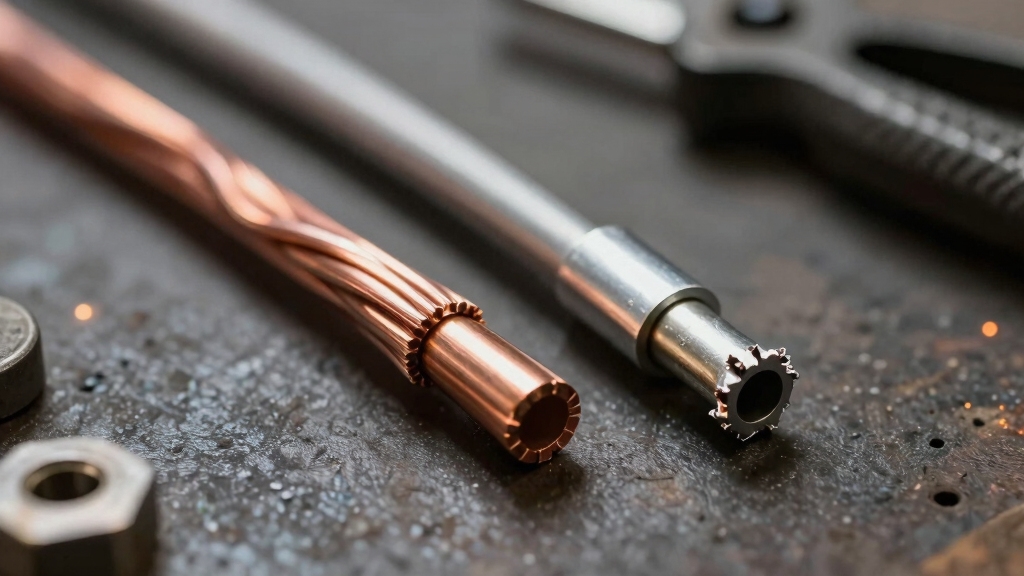
You want welding cables that deliver efficient, stable power with minimal energy loss. Copper does exactly that.
Its higher electrical conductivity and lower resistance guarantee less voltage drop and heat buildup. This protects insulation and extends cable life.
Copper’s superior current capacity supports thinner, lighter cables that withstand thermal cycling and mechanical stress without degrading.
Plus, copper’s corrosion-resistant oxide maintains reliable connections under heavy use.
For a deeper look at copper’s welding advantages, keep exploring the key factors shaping performance and durability.
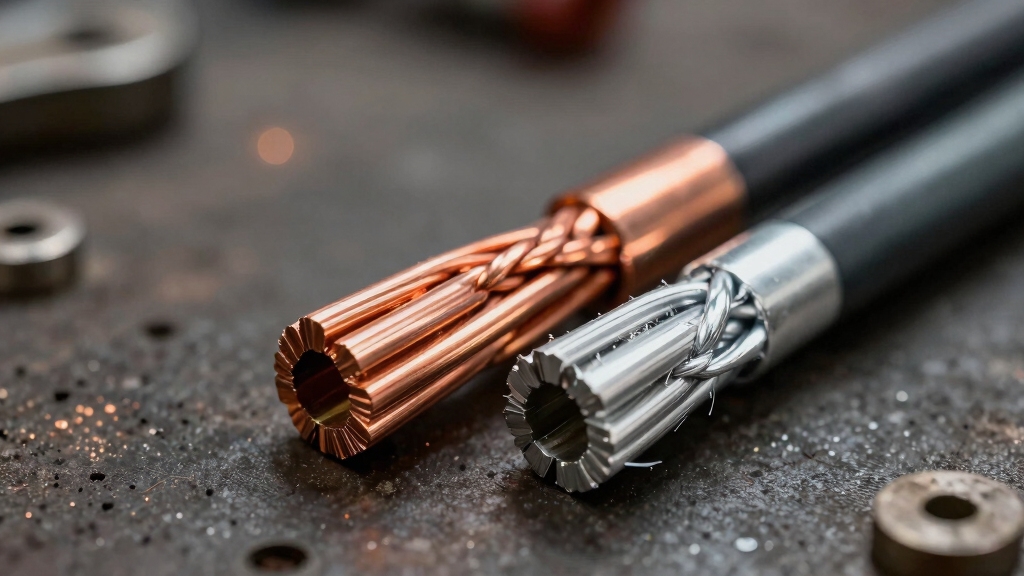
Electrical conductivity determines how efficiently a welding cable transmits current, and copper outperforms aluminum markedly in this regard.
When you choose copper, you benefit from its lower electrical resistance, which facilitates smoother electron flow during welding.
Choosing copper means lower resistance, enabling smoother and more efficient electron flow during welding.
Aluminum’s higher resistance creates more electrical opposition, leading to increased energy loss and heat buildup.
This inefficiency means aluminum cables require larger cross-sectional areas to handle the same current without overheating.
Copper’s superior conductivity translates into reduced voltage drop and improved energy efficiency.
As a result, copper cables maintain stable current flow under high-demand welding conditions, minimizing thermal stress on the cable.
You’ll also find copper’s consistent conductivity essential for maintaining weld quality, as it prevents fluctuations caused by resistive heating and ensures peak performance throughout your welding tasks.
Additionally, copper’s ability to dissipate heat effectively helps prevent cable overheating, extending the cable’s service life and maintaining safety.
Copper’s superior conductivity directly supports its higher current carrying capacity, which offers significant advantages for welders.
You benefit by using cables that handle up to 10 amperes per square millimeter, compared to aluminum’s 4 amperes.
This means copper cables can be thinner and lighter without sacrificing performance, improving maneuverability and reducing fatigue during prolonged work.
The increased ampacity also prevents overheating under heavy welding loads, ensuring safety and prolonging cable life.
Additionally, copper’s ability to carry higher currents in smaller cross-sections allows you to maintain stable arc performance with less voltage drop.
This efficiency is vital in demanding welding environments where consistent power delivery directly impacts weld quality and operational reliability.
For example, using the correct wire gauge prevents overheating and maintains consistent welder performance over longer cable runs.
Welding cables frequently experience energy loss due to the resistance inherent in their conductors. This directly affects efficiency and heat generation.
Copper’s markedly lower electrical resistance compared to aluminum means less voltage drop and reduced power dissipation as heat. When you use copper cables, more electrical energy converts directly into welding power, increasing overall system efficiency.
This reduced resistive loss also minimizes heat buildup in the cable, lowering thermal stress on both conductor and insulation. Consequently, copper cables maintain stable performance under heavy current loads without excessive energy wastage.
In contrast, aluminum’s higher resistance forces you to compensate with larger cable sizes or accept greater energy losses. Choosing copper lets you optimize welding efficiency by preserving energy flow and reducing unnecessary heat. This directly impacts your operational costs and cable reliability.
Proper power supply stability is essential to ensure consistent performance and prevent issues during welding.
Did you know that copper has a thermal conductivity of 401 W/(m·K)? That’s quite impressive compared to aluminum’s 237 W/(m·K). This means copper can dissipate heat much more efficiently during welding.
So, what does that mean for the cables? Well, with less heat buildup, the conductor resistance is reduced, which helps slow down insulation degradation. As a result, this ultimately extends the lifespan of the cables.
When you understand how copper manages heat generation, it really gives you a greater appreciation for its durability, especially under heavy electrical loads. It’s pretty remarkable how a material can make such a difference in cable longevity!
Additionally, copper’s ability to provide a steady, precise arc contributes to improved welding performance and equipment reliability.
Although both copper and aluminum serve as conductors in welding cables, copper’s superior thermal conductivity markedly reduces heat buildup during operation.
This means you’ll experience lower conductor temperatures and slower insulation aging, extending cable life considerably.
Copper’s 401 W/(m·K) thermal conductivity outperforms aluminum’s 237 W/(m·K), enabling faster heat dissipation during high-load welding tasks.
Additionally, aluminum’s lighter weight offers advantages in handling and installation, but its lower hardness and wear resistance compared to copper alloys require careful consideration of mechanical strength in cable design.
| Property | Copper | Aluminum |
|---|---|---|
| Thermal Conductivity | 401 W/(m·K) | 237 W/(m·K) |
| Heat Dissipation Speed | Faster | Slower |
| Insulation Aging Rate | 20%-30% Slower | Faster |
Heat generation markedly impacts the performance and longevity of welding cables, with electrical resistance playing a critical role.
When you use copper cables, their inherently low electrical resistance means less heat is generated during current flow, even under heavy load.
This reduced heat buildup prevents thermal stress and degradation in the conductor.
Copper’s superior thermal conductivity, 1.7 times that of aluminum, enables faster heat dissipation, maintaining lower operating temperatures.
As a result, copper cables experience slower aging and maintain structural integrity longer.
In contrast, aluminum’s higher resistance causes greater heat accumulation, accelerating wear and risking insulation damage.
Consequently, by minimizing heat generation and efficiently dispersing it, copper cables extend your welding equipment’s service life, ensuring safer operation and reducing maintenance frequency.
Additionally, stable heat distribution is essential in welding applications to prevent localized overheating and maintain cable integrity over time.
Because copper dissipates thermal energy more efficiently than aluminum, the insulation surrounding copper welding cables endures markedly less thermal stress during operation. This superior heat resistance directly slows the degradation process, extending the functional lifespan of the cable insulation.
When you use copper cables, you reduce the risk of insulation cracking, melting, or hardening caused by prolonged exposure to elevated temperatures. Consider these key factors:
Additionally, maintaining optimal heat input through proper amperage and voltage settings helps prevent excessive cable heating during welding operations.
Choosing copper welding cables means you preserve insulation integrity longer, ensuring safer, more reliable welding operations.
Effective thermal management plays a vital role in preserving the integrity of welding cable insulation under extreme conditions.
Copper’s superior thermal conductivity of 401 W/(m·K), nearly 1.7 times that of aluminum, enables rapid heat dissipation from the conductor.
This efficient thermal transfer lowers the cable’s operating temperature, significantly reducing thermal stress on the insulation material.
By minimizing heat buildup, copper cables delay insulation aging and degradation, extending service life by 20% to 30% compared to aluminum alternatives.
Additionally, copper’s lower electrical resistance generates less heat during high-current welding, further protecting insulation from thermal damage.
When you choose copper cables, you ensure that the insulation maintains its mechanical and dielectric properties longer.
This is crucial even under prolonged high-heat exposure, thereby improving overall safety and reliability in demanding welding environments.
Moreover, proper current control in welding transformers complements copper cables by maintaining stable output and reducing excess heat generation.
You know, when it comes to cables, copper really takes the lead over aluminum. One major reason is its tensile strength, which is more than double that of aluminum.
This extra strength gives copper a fantastic level of flexibility. It can bend with a tighter radius without getting damaged, which is pretty impressive, right?
But that’s not all. Copper also has great wear resistance, making it way more durable during repeated handling and tough welding conditions.
Additionally, copper’s excellent conductivity supports stable arcs and precise heat input in inverter welding machines, enhancing overall welding performance.
Copper outperforms aluminum in tensile strength by roughly 40%, providing you with cables that resist breakage and mechanical stress more effectively.
This superior strength means copper cables withstand the rigors of high-stress welding environments without requiring additional reinforcement.
When you rely on copper, you’ll benefit from:
These factors reduce the risk of cable damage during installation and operation, ensuring consistent performance.
In contrast, aluminum’s lower tensile strength often necessitates steel reinforcement, increasing weight and complexity.
Choosing copper means you get cables engineered to endure demanding mechanical conditions with minimal risk of breakage.
Additionally, using copper cables helps maintain grip, dexterity, and tool control, which is crucial for precise and safe welding operations.
Welding cables frequently endure harsh handling conditions, making flexibility and durability critical for reliable performance.
Copper cables excel here due to their superior softness and tensile strength of 220 MPa, over twice that of aluminum’s 95 MPa.
This difference lets you bend, coil, and drag copper cables with less risk of fatigue or breakage.
Copper’s minimum bending radius is 6–8 times its diameter, compared to aluminum’s 8–12 times, allowing tighter, more manageable coils.
You’ll also find copper resists wear and physical damage better during installation and use, reducing maintenance needs.
These mechanical advantages stem from copper’s high ductility and resistance to mechanical stresses, ensuring your welding cables maintain integrity and flexibility under demanding conditions much longer than aluminum alternatives.
Experience minimal cable damage by leveraging the superior tensile strength of copper, which is approximately 40% higher than that of aluminum.
This enhanced strength directly reduces the risk of mechanical failure during demanding welding operations.
When you use copper welding cables, you benefit from:
1. Resistance to Mechanical Stress: Copper withstands tension, bending, and dragging without fracturing.
Unlike aluminum, it’s less prone to breakage under similar loads.
2. Improved Durability: Copper’s tensile strength supports longer cable life by resisting wear and tear during installation and use.
3. Higher Ductility: Copper allows bending and twisting without compromising structural integrity.
This prevents internal conductor damage.
This combination guarantees your welding cables maintain performance and reliability.
It minimizes downtime caused by mechanical damage.
You know why copper connections are a go-to choice, right? It’s all about their ability to keep a steady electrical contact, even when the welding currents get really intense.
What makes copper stand out is its conductive oxide layer. This, along with its excellent oxidation resistance, stops connections from degrading—something that aluminum just can’t handle as well.
And here’s another thing: copper has low thermal expansion. This means it can handle the mechanical stress that comes with thermal cycling, reducing the chances of splice failures. So, when you need reliability under high welding loads, copper is the way to go!
Because copper forms stable and reliable connections with terminals, it maintains consistent electrical contact even under the intense currents typical in welding.
You’ll find copper’s low electrical resistance minimizes voltage drops and heat generation at connection points, ensuring efficient power transfer.
Additionally, copper’s minimal thermal expansion reduces mechanical loosening during heating cycles, preserving contact integrity.
When you rely on copper, you benefit from:
This stable electrical contact directly translates to safer, more efficient welding performance with fewer connection failures and maintenance needs compared to aluminum alternatives.
Oxidation plays a critical role in determining the longevity and reliability of welding cable connections under high electrical loads.
When you use copper cables, the oxidation that forms is a stable, conductive layer that maintains efficient electron flow. This prevents the contact resistance from rising, ensuring consistent performance during intense welding.
Aluminum, on the other hand, produces a non-conductive oxide that increases resistance, causing localized heating and potential connection failure.
You’ll find that copper’s oxidation resistance minimizes corrosion and thermal degradation at splice points. This reduces maintenance and downtime.
This conductive oxide layer also supports strong mechanical bonds, so your copper connections remain reliable despite repeated thermal cycles and current surges typical in welding environments.
Copper’s intrinsic oxidation properties make it the superior choice for durable, high-load welding cables.
Although welding cables endure intense thermal cycling, copper connections maintain their integrity due to copper’s low coefficient of thermal expansion.
This characteristic guarantees that copper connections don’t loosen or deform under high welding loads, preserving consistent electrical contact and preventing failures.
When you rely on copper cables, you benefit from:
Corrosion resistance plays a vital role in reducing maintenance demands for welding cables, and copper excels in this regard.
Corrosion resistance significantly lowers maintenance needs, making copper the superior choice for welding cables.
When you use copper cables, their stable oxide layer forms a conductive barrier that prevents further corrosion, unlike aluminum’s non-conductive oxide which deteriorates connections.
This conductive coating guarantees consistent electrical contact, reducing voltage drops and overheating risks at joints.
Copper’s inherently low susceptibility to corrosive agents minimizes degradation even in harsh environments, so you face fewer interruptions and less frequent cable replacement.
Additionally, copper’s resistance to corrosion maintains mechanical integrity, preventing brittleness and breakage that aluminum cables often suffer.
Maintaining welding cables with copper markedly reduces long-term costs by minimizing downtime and repair frequency.
You’ll find copper’s higher electrical conductivity and superior heat dissipation critical in preventing overheating and insulation degradation. This extends cable lifespan noticeably.
Additionally, copper’s robust mechanical properties reduce physical damage and connection failures, cutting maintenance needs.
Here’s why copper welding cables deliver better long-term value:
Choosing copper means fewer interruptions, less frequent repairs, and overall cost savings in demanding welding environments.
Yes, you can recycle copper welding cables more efficiently than aluminum ones.
Copper’s higher density and purity allow for easier separation and recovery during recycling processes.
Its consistent conductivity and minimal contamination make it more valuable and straightforward to process.
Aluminum requires more energy to reprocess and often involves additional steps to remove oxide layers.
You’ll find aluminum cables weigh notably less than copper ones, making them easier to carry in portable welding setups.
Aluminum’s lower density means for the same length and gauge, it’s about 40% lighter.
However, because aluminum needs larger diameters to match copper’s current capacity, that weight advantage lessens.
Yes, copper welding cables are safer in wet or outdoor environments. You’ll benefit from copper’s superior corrosion resistance and stable oxide layer, which maintains conductivity and prevents overheating.
Its lower thermal expansion reduces connection failures under temperature changes, enhancing reliability. Copper’s high tensile strength and flexibility also minimize damage risks during handling in harsh conditions.
This ensures safer, longer-lasting performance compared to aluminum cables exposed to moisture and mechanical stress.
Mining copper generates significant environmental impacts, including habitat disruption and water contamination from acid mine drainage. It also involves high energy consumption during extraction.
Aluminum mining involves bauxite extraction, which causes deforestation and soil erosion. The refining process is energy-intensive and produces greenhouse gases like perfluorocarbons.
Copper’s higher recyclability reduces long-term environmental harm. However, both metals require careful management to mitigate ecosystem damage and pollution throughout their supply chains.
Like choosing a premium tool over a budget one, copper welding cables cost more upfront than aluminum.
However, you’ll save over time because copper’s superior conductivity reduces energy loss and heat buildup.
This minimizes maintenance and replacement frequency.
Its durability and longer lifespan mean fewer downtime costs.
While aluminum’s initial price is lower, copper’s efficiency and resilience deliver better long-term value.
This makes it a smarter investment for heavy-duty welding applications.
Choosing copper welding cables is like opting for a precision instrument in a complex operation.
You get higher current capacity, lower resistance, and superior heat tolerance, ensuring consistent performance and longer cable life.
Copper’s tensile strength and corrosion resistance mean fewer interruptions and less maintenance.
In demanding welding environments, copper doesn’t just meet standards; it sets them, providing you with reliability and efficiency that aluminum cables simply can’t match.