Phone:
(701)814-6992
Physical address:
6296 Donnelly Plaza
Ratkeville, Bahamas.

Phone:
(701)814-6992
Physical address:
6296 Donnelly Plaza
Ratkeville, Bahamas.

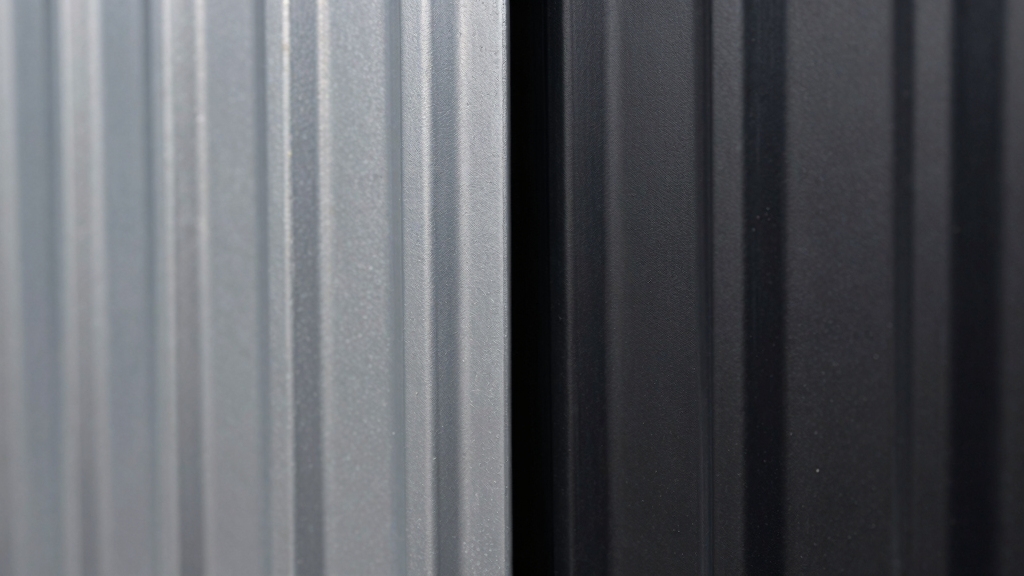
You’ll find galvanized steel offers robust corrosion protection through a sacrificial zinc coating that guards even when scratched. This makes it ideal for harsh outdoor use.
Powder coating creates a strong moisture barrier with superior aesthetics but loses protection if damaged.
While galvanized lasts 20-50 years, powder coatings typically need maintenance after 15-20 years.
Combining both in duplex systems enhances durability and appearance.
If you want deeper insights on these choices and their trade-offs, more details follow.
| Feature | Galvanized Steel | Powder Coated Steel |
|---|---|---|
| Protection Method | Zinc coating provides sacrificial corrosion protection | Polymer coating creates a moisture barrier |
| Corrosion Resistance | Excellent, even when scratched | Good only if coating remains intact |
| Scratch Protection | Zinc continues protecting exposed steel | Scratches expose bare metal to rust |
| Typical Lifespan | 20–50 years | 15–20 years |
| UV Resistance | Highly resistant to outdoor exposure | Can degrade and fade over time |
| Maintenance Needs | Low maintenance | Requires periodic touch-ups and refinishing |
| Durability | Extremely rugged and weather-resistant | Durable but vulnerable to coating damage |
| Appearance | Matte gray industrial finish | Wide variety of colors and textures |
| Customization Options | Limited aesthetic choices | Highly customizable finishes |
| Best Applications | Fences, poles, outdoor structures, agricultural equipment | Indoor furniture, decorative metalwork, architectural elements |
| Outdoor Performance | Excellent for harsh environments | Moderate unless carefully maintained |
| Indoor Performance | Functional but less decorative | Ideal for indoor and decorative use |
| Initial Cost | Higher upfront cost | Lower upfront cost |
| Long-Term Cost | Lower lifecycle cost due to durability | Higher maintenance costs over time |
| Repair Requirements | Minor scratches often self-protect | Damaged areas require immediate repair |
| Environmental Resistance | Performs well in moisture and corrosive environments | Vulnerable to moisture penetration if damaged |
| Aesthetic Flexibility | Low | Very high |
| Duplex System Compatibility | Can be powder coated for extra protection | Often combined with galvanizing for better performance |
| Best Choice For | Maximum corrosion resistance and longevity | Appearance-focused projects with moderate exposure |
| Overall Advantage | Superior durability and corrosion protection | Superior aesthetics and finish options |
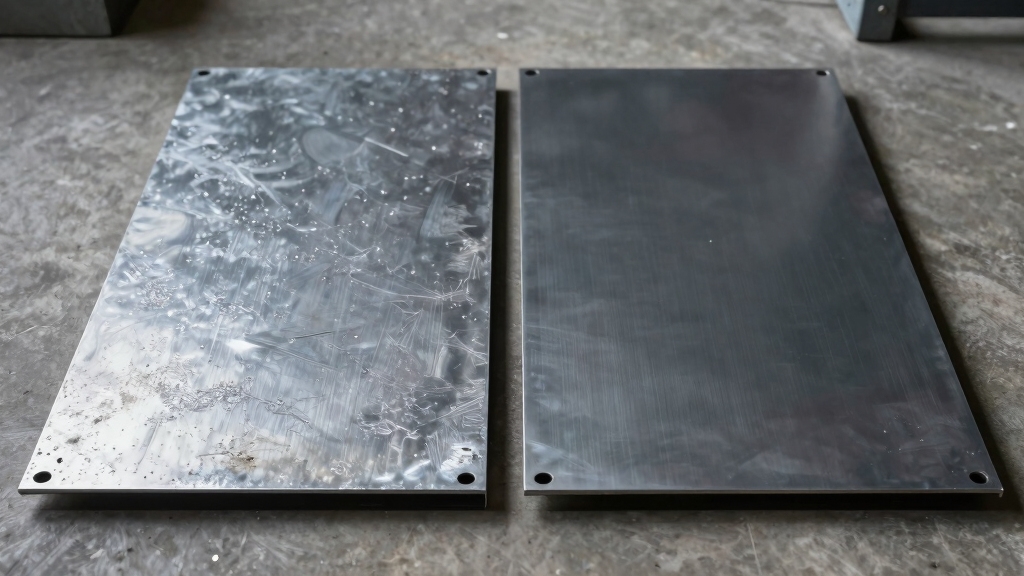
While both galvanized and powder-coated steel protect against corrosion, they do so through distinct mechanisms.
Galvanized steel employs a zinc coating that acts as a sacrificial anode, corroding preferentially and safeguarding the underlying steel even if scratched. This sacrificial protection guarantees corrosion doesn’t spread beyond damaged areas.
In contrast, powder-coated steel relies on a dense polymer barrier that prevents moisture and corrosive agents from contacting the metal surface. However, if the powder coating is damaged or scratched, it exposes bare steel, allowing corrosion to initiate and propagate.
You’ll find that galvanized steel offers self-healing corrosion protection, whereas powder-coated steel depends entirely on intact coating integrity to prevent corrosion.
Combining both in a duplex system further enhances corrosion resistance by leveraging these complementary protective methods. Proper surface preparation, including thorough cleaning and timely application within 12 hours post-galvanizing, is crucial to ensure strong powder coating adhesion and long-term durability through mechanical bonding.
When it comes to longevity, galvanized steel really takes the lead over powder-coated options. You can expect galvanized steel to last anywhere from 20 to 50 years, depending on the environment it’s in. Pretty impressive, right?
On the other hand, powder-coated steel usually holds up for about 15 to 20 years before it needs some maintenance. Factors like UV exposure and moisture can really impact its lifespan, making it crucial to consider these elements when you’re choosing a coating for your project. Proper surface preparation and use of corrosion-resistant primers can significantly extend the life of galvanized steel coatings.
Because galvanized steel employs a zinc coating that sacrifices itself to prevent corrosion, it typically offers a longer service life, ranging from 20 to 50 years depending on environmental conditions.
In contrast, powder-coated steel usually lasts 15 to 20 years before requiring maintenance.
Galvanized steel’s metallurgical zinc layer continues protecting even if scratched. Damage to powder coatings, however, exposes steel to moisture and corrosion.
UV exposure also degrades powder coatings over time, reducing their lifespan.
Key service life differences include:
Choosing the right coating depends on your environment and maintenance expectations.
Proper surface preparation and maintaining coating thickness are critical to preserving corrosion resistance and extending service life through coating durability.
When evaluating the longevity of galvanized versus powder-coated steel, environmental factors play a pivotal role in determining performance and lifespan.
Galvanized steel’s zinc coating provides sacrificial corrosion protection, effectively resisting moisture and harsh conditions. This extends its service life markedly, often between 20 to 50 years depending on exposure.
Conversely, powder-coated steel relies on a barrier finish that can degrade under UV exposure and mechanical damage. This allows moisture ingress and accelerates corrosion, typically limiting its effective life to 15-20 years before maintenance is necessary.
You should also consider that scratches on galvanized surfaces still protect via surrounding zinc. However, damaged powder coatings expose raw steel to corrosion.
In harsh environments, combining galvanizing with powder coating offers superior resistance, enhancing durability and extending longevity beyond either method alone.
Additionally, the use of weld-through primers can provide corrosion resistance in areas where post-weld treatment is impractical, further protecting metal joints in harsh conditions.
When it comes to protecting steel, galvanized coatings really shine because they create a metallurgical barrier. This barrier is super tough and can resist damage, which is great news if the surface gets scratched. The magic happens thanks to the sacrificial zinc layer, which continues to protect the steel underneath even if the top layer gets compromised.
On the other hand, powder coatings work a bit differently. They form a continuous film that effectively blocks out moisture and chemicals. However, if there’s any damage to that film, the underlying steel is exposed. Unfortunately, that’s when corrosion can kick in and start causing problems. Proper maintenance, such as regular cleaning and drying, is essential to extend the life of galvanized finishes and prevent corrosion.
Galvanized and powder-coated finishes consistently demonstrate distinct durability profiles due to their differing protective mechanisms. When you select galvanized steel, you benefit from a sacrificial zinc layer that actively prevents corrosion, even if scratched. Neighboring zinc continues protecting the base metal.
Powder coating, however, forms a physical barrier against moisture and chemicals but loses protection rapidly when damaged. This exposes the steel beneath.
Consider these coating resistance characteristics:
Galvanized coatings provide all-encompassing protection inside and outside surfaces.
Powder coatings are susceptible to UV degradation, reducing flexibility over time.
Powder coating porosity allows eventual moisture penetration.
Duplex systems, galvanized plus powder coating, deliver superior resistance through combined mechanisms.
Understanding these traits helps you choose the ideal finish for your project’s environmental demands. Corrosion rates can also be influenced by environmental factors such as chloride concentration and temperature, which accelerate degradation processes.
Evaluating how damage affects protective coatings reveals significant differences between galvanized and powder-coated finishes.
When galvanized steel sustains scratches, the surrounding zinc sacrificially corrodes, preserving corrosion protection even at the damaged site. This metallurgical structure guarantees continued defense against rust.
Conversely, powder-coated surfaces rely on an intact barrier. Any breach exposes bare steel, allowing corrosion to initiate and spread beneath the coating.
Although super durable powder formulations improve resistance, their porosity and UV degradation over time reduce flexibility, increasing vulnerability to damage.
If you want maximum durability, consider duplex systems combining galvanized layers with powder coating. They provide superior scratch resistance and corrosion protection by harnessing both sacrificial and barrier mechanisms.
Proper post-weld treatment including controlled chemical pickling and zinc-rich coatings is critical to restore corrosion protection if galvanized steel is welded or damaged.
Therefore, understanding these differences informs your choice based on expected exposure and maintenance capabilities.
How do the costs of galvanized and powder-coated steel compare over time?
Comparing galvanized and powder-coated steel costs reveals trade-offs between upfront price and long-term maintenance expenses.
You’ll find galvanized steel generally has a higher initial cost due to the zinc coating process but benefits from lower lifecycle expenses.
Powder coating is often cheaper upfront, offering customizable finishes, yet it may require more frequent maintenance or replacement.
Consider these factors:
Galvanizing application is faster and weather-independent, reducing labor delays.
Powder coating provides aesthetic flexibility at a lower initial price.
Galvanized steel demands less maintenance, decreasing total long-term costs.
Duplex systems combining both increase initial investment but maximize durability and cost efficiency.
It is important to note that post-weld inspections and ongoing monitoring are essential for maintaining steel components’ integrity when repairs are involved.
Regular maintenance plays a crucial role in preserving the protective qualities of both galvanized and powder-coated steel.
For galvanized steel, you’ll want to inspect for surface contamination and dirt, which can trap moisture and accelerate corrosion.
Cleaning with mild detergents and water helps maintain the zinc’s sacrificial layer.
Minor scratches are self-protecting due to zinc’s galvanic action, so repairs are generally less urgent.
Powder-coated steel requires more careful upkeep; any chips or scratches expose bare metal, risking corrosion spread.
You should promptly clean surfaces and touch up damaged areas with compatible powder or paint to restore barrier protection.
Additionally, UV exposure degrades powder coatings over time, so periodic inspections and refinishing extend lifespan.
When welding galvanized steel, it is essential to remove the zinc coating around the weld area to prevent fume exposure and ensure weld quality.
Beyond maintenance considerations, the visual qualities of galvanized and powder-coated steel markedly influence your material choice.
Galvanized steel exhibits a metallic, industrial finish with a matte gray appearance, prioritizing function over decorative appeal.
Powder coating offers extensive aesthetic flexibility, allowing you to select from a wide spectrum of colors, textures, and finishes, enhancing customization.
Consider these appearance and aesthetic factors:
Galvanized steel’s finish is consistent but limited to a utilitarian look.
Powder coating enables vibrant colors and varied textures, including glossy or matte.
You can powder coat over galvanized steel, combining corrosion resistance with enhanced appearance.
Powder coatings suit indoor and decorative applications, while galvanized is ideal for rugged, outdoor aesthetics.
Your decision hinges on balancing visual preferences with environmental and functional demands.
Additionally, simple field tests like visual inspection for shiny, smooth silver-gray tone can help confirm the presence of a galvanized coating.
When it comes to choosing the right type of steel for your project, it’s important to consider where you’ll be using it.
If you’re looking for something to stand up to the elements—like fences or poles that need to endure harsh outdoor conditions—galvanized steel is your best bet. It has excellent corrosion resistance, making it perfect for those tough environments.
On the flip side, if your project is indoors or you really want to focus on aesthetics, powder-coated steel might be the way to go. It offers a wide range of customizable finishes that can really enhance the look of your space. Just keep in mind that it needs controlled conditions to maintain its protective qualities.
When choosing between galvanized and powder-coated steel, consider where the material will be used, as their protective qualities suit different environments.
Galvanized steel excels outdoors due to its sacrificial zinc coating, providing robust corrosion resistance and durability against weather exposure.
Powder-coated steel offers excellent indoor performance, delivering customizable aesthetics with a strong barrier finish. However, it’s more prone to UV degradation and moisture penetration outdoors.
Use galvanized steel for:
Choose powder coating for:
Matching the coating to your environment guarantees peak longevity and performance without unnecessary maintenance or premature failure.
Frequently, selecting the right corrosion-resistant coating depends on the specific environmental challenges your steel components face.
If your application involves prolonged outdoor exposure, galvanized steel is ideal due to its sacrificial zinc layer, which continues to protect even when scratched.
This makes it especially suitable for fences, poles, and agricultural supports where durability is paramount.
On the other hand, powder-coated steel forms a barrier against moisture and chemicals but loses protection if damaged.
This makes it better for indoor or less harsh environments where aesthetics matter more.
For high-corrosion settings requiring both protection and appearance, consider a duplex system: galvanized steel base with powder coating.
This hybrid approach combines sacrificial protection with a resilient, decorative finish, extending service life and minimizing maintenance in demanding conditions.
A variety of factors make powder-coated steel an excellent choice, especially if aesthetic customization and indoor use are priorities.
You’ll want powder coating when appearance and finish flexibility matter most. It offers a broad palette of colors and textures, making it ideal for decorative elements.
Powder-coated surfaces resist UV degradation better indoors, maintaining their look longer without frequent upkeep.
Consider powder-coated steel if you need:
Choosing powder-coated steel lets you balance aesthetics and function, especially where corrosion is controlled and visual appeal is key.
Balancing aesthetic customization with long-term corrosion resistance often calls for a duplex system, which combines galvanizing and powder coating.
By applying a zinc-based galvanizing layer first, you gain sacrificial corrosion protection that shields steel even if the outer coating is scratched.
Then, adding a powder-coated finish creates a durable barrier against moisture and chemical exposure, enhancing scratch and UV resistance.
This hybrid approach delivers superior longevity, far exceeding powder coating or galvanizing alone, by preventing corrosion initiation and propagation.
While the initial cost is higher, duplex systems reduce maintenance needs and provide excellent aesthetic flexibility.
This makes them ideal for demanding environments requiring both durability and visual appeal.
You get the metallurgical robustness of galvanizing paired with the customizable, protective qualities of powder coating in one efficient solution.
When deciding between galvanized and powder-coated steel, you must evaluate factors such as environmental exposure, desired lifespan, maintenance capacity, and aesthetic requirements.
Choosing between galvanized and powder-coated steel involves assessing environment, lifespan, maintenance, and appearance needs.
Galvanized steel excels outdoors with sacrificial zinc protection and longer durability, while powder coating offers customizable finishes but requires more upkeep.
Consider your project’s specific needs to select the best coating.
Key factors to assess include:
Your choice hinges on balancing these technical considerations with functional and aesthetic priorities.
You’ll find galvanized steel more environmentally friendly because its zinc coating naturally protects steel. This reduces the need for frequent replacements and maintenance, lowering resource consumption over time.
Powder coating uses organic powders that emit minimal VOCs, making it cleaner during application. However, powder coatings often require reapplication sooner, increasing material use.
Combining galvanizing with powder coating optimizes durability, extending lifespan and minimizing environmental impact by reducing waste and conserving resources.
Certainly, both galvanized and powder-coated steel can be recycled efficiently.
You’ll find galvanized steel’s zinc layer melts seamlessly during recycling, allowing separation and reuse without significant contamination.
Powder-coated steel also recycles well, though you’ll need to remove or burn off the polymer coating first.
This process guarantees pure steel recovery.
You’ll typically see galvanizing lead times around 1 to 3 days due to the quick dipping process, which is also less affected by weather conditions.
Powder coating, however, often requires 3 to 7 days because of surface preparation, curing, and color customization steps.
If you need faster turnaround, galvanizing is usually more reliable, especially in varied climates.
Planning your project timeline accordingly guarantees you avoid delays.
You should know both processes involve health risks if not managed properly.
During galvanizing, exposure to zinc fumes can cause metal fume fever, requiring ventilation and respirators.
Powder coating emits minimal VOCs, but inhaling fine powder particles is hazardous, so you need dust masks and proper extraction systems.
Both require protective gear for skin and eye safety.
Strict adherence to safety protocols minimizes your exposure to harmful substances during application.
You’ll find galvanized steel performs reliably in extreme temperatures because its zinc coating maintains structural integrity without degrading.
Powder-coated steel, however, can suffer UV and heat-related degradation, causing brittleness or cracking over time, especially in high-heat environments.
If you expect temperature extremes, galvanized or a duplex system resists thermal stress better.
Powder coatings suit moderate climates and indoor use due to their vulnerability to heat-induced breakdown.
When deciding between galvanized and powder coated steel, consider your specific needs for corrosion protection, durability, and maintenance.
Galvanizing offers excellent rust resistance, while powder coating provides superior aesthetics and color options.
Want the best of both worlds? Duplex systems combine these benefits effectively. So, which finish aligns with your project’s environment and budget?
By weighing these technical factors, you’ll make an informed choice that guarantees peak performance and longevity.