Phone:
(701)814-6992
Physical address:
6296 Donnelly Plaza
Ratkeville, Bahamas.

Phone:
(701)814-6992
Physical address:
6296 Donnelly Plaza
Ratkeville, Bahamas.

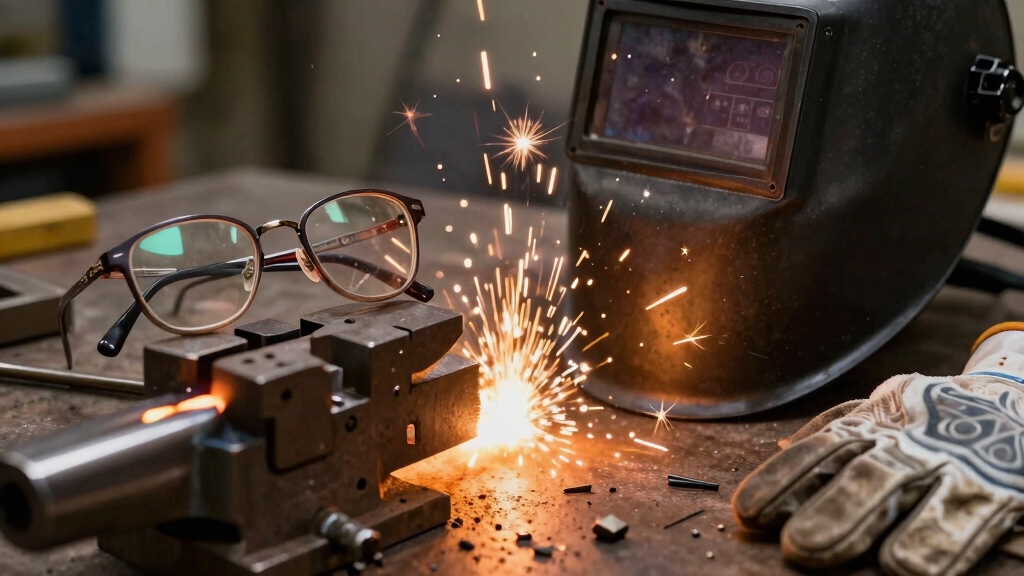
You can’t weld safely with regular prescription glasses because they don’t block harmful UV, IR, and intense visible light from the welding arc.
Without certified lens shades meeting ANSI Z87.1 or EN 169 standards, your eyes remain vulnerable to retinal damage and arc flash injuries.
Prescription welding glasses combine corrective lenses with tested protection, featuring proper IR shade levels per OSHA guidelines.
Discover how these specialized glasses and compatible frames guarantee your safety during welding tasks.
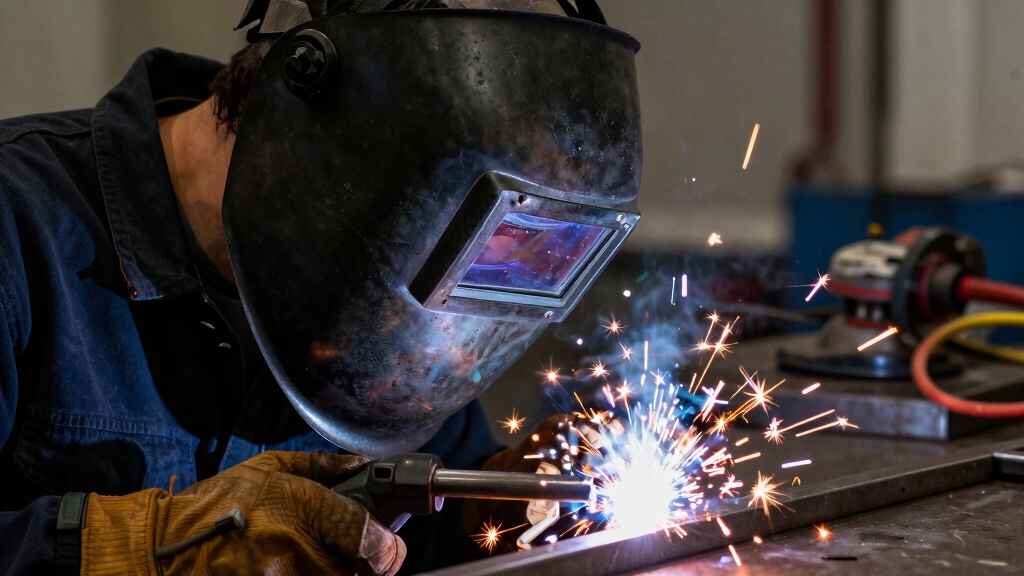
Although regular prescription glasses correct your vision, they don’t provide the essential protection required for welding.
Regular prescription glasses improve vision but lack vital protection needed for safe welding practices.
Standard lenses lack filters that block intense ultraviolet (UV), infrared (IR), and visible light radiation emitted during welding processes.
Without specialized shading, your eyes remain vulnerable to retinal damage, arc flash, and long-term impairment.
Regular glasses don’t meet safety standards such as ANSI Z87.1, EN 166, or EN 169, which specify impact resistance and optical quality for welding eyewear.
Additionally, their lenses don’t offer the necessary IR shade levels, ranging typically from 2.0 to 8.0, that attenuate hazardous light intensity per OSHA guidelines.
Using them exposes you to risks that prescription welding lenses, designed with certified German optical glass and custom shading, effectively guarantee both vision clarity and safety.
For optimal protection and convenience, welding helmets with auto darkening technology provide instant lens darkening to shield your eyes from harmful radiation while maintaining clear vision.
You really need prescription welding glasses, and here’s why: they offer superior eye protection against harmful UV, infrared, and visible light radiation. That’s crucial when you’re working with intense welding arcs!
Plus, these glasses meet strict safety standards like ANSI Z87.1 and EN 169. This means you can trust that they’re designed to filter out those intense rays effectively. By using certified lenses specifically made for welding, you significantly lower the risk of retinal damage and long-term vision issues.
For optimal protection, it’s important to select the correct lens shade level based on your welding amperage to prevent UV/IR eye damage.
Since welding exposes your eyes to intense UV, IR, and visible light radiation, prescription welding glasses provide enhanced protection by combining precise vision correction with certified filter lenses. They shield your eyes from harmful radiation while ensuring you maintain peak visual acuity during intricate tasks.
This dual function minimizes the risk of eye strain and long-term damage.
You benefit from specialized features such as:
Optical-quality German glass lenses with IR shades tailored to specific welding intensities. Integrated prescription lenses that eliminate the need for separate eyewear or risky layering. High-temperature resistant filters that withstand welding environments without compromising clarity.
Additionally, using the correct welding shade as specified by ANSI Z87.1 standards helps reduce eye strain and prevent vision damage during prolonged welding sessions.
When choosing welding eyewear, certified safety standards ensure that prescription welding glasses provide reliable protection against hazardous radiation.
These glasses meet rigorous criteria set by ANSI Z87.1, EN 166, and EN 169, ensuring lenses block harmful ultraviolet (UV), infrared (IR), and intense visible light.
The certification guarantees lenses maintain optical clarity and structural integrity under high temperatures and impact.
You’ll notice that certified glasses use high-quality German optical glass with precise IR shade ratings from 2.0 to 8.0, matched to specific welding tasks per OSHA guidelines.
This tailored protection is critical to prevent retinal damage and arc flash injuries.
Non-certified glasses lack this tested filtration and durability, putting your vision at risk during welding operations.
Always prioritize certified prescription welding glasses for safety and compliance.
For optimal protection, ensure your eyewear complies with ANSI Z87.1 standards that certify impact resistance and UV/IR blocking capabilities.
Although welding produces intense light and radiation, prescription welding glasses’ lens shades effectively filter harmful UV, infrared (IR), and visible light to protect your eyes.
These lenses use specialized filters matched to welding processes, reducing the risk of retinal damage and arc flash injuries. The shade number indicates the filter’s darkness and radiation-blocking capability, ensuring compliance with OSHA guidelines.
Key protection features include:
UV and IR filtration preventing cumulative eye damage from high-energy radiation.
Visible light attenuation to reduce glare and enhance weld pool visibility.
High-temperature resistant optical-quality German glass lenses maintaining clarity under heat stress.
Shade selection varies depending on welding amperage, arc intensity, and material type, so choosing the correct shade number is critical for optimal protection and visibility.
When choosing prescription frames for welding, it’s important to find ones that fit securely and can work well with your welding helmet. Look for options that allow for prescription inserts or even flip-up lenses. This flexibility can make a big difference in your comfort and vision.
For lens materials, consider going with optical-quality German glass. It’s known for its high heat resistance, which is crucial for welding. Plus, you want to make sure your lenses comply with safety standards like ANSI Z87.1 and EN. Safety should always come first!
And don’t forget, it’s essential that your lenses meet certified safety requirements while matching your prescription perfectly. This way, you’ll get the effective eye protection you need without sacrificing clarity during your welding tasks.
Additionally, wearing gloves alongside proper eye protection enhances overall welding safety gear by protecting against burns, sparks, and electrical hazards.
Selecting the right prescription welding frames requires balancing comfort, durability, and compatibility with protective lenses. You need frames that securely hold lenses without slipping during work while fitting comfortably under welding helmets. Opt for materials resistant to heat and impact, like nylon or reinforced polycarbonate, to guarantee safety and longevity.
Consider these key factors when choosing frames:
Fit and Seal: Assure frames provide a snug fit to prevent debris or harmful radiation infiltration.
Lens Compatibility: Select frames that accommodate ANSI Z87.1-certified prescription welding lenses or flip-up lens inserts.
Durability: Choose corrosion- and heat-resistant materials able to withstand welding environments.
Prioritize frames that maintain optical clarity and meet safety certifications for effective eye protection during welding tasks. Additionally, selecting frames that complement gloves made from durable materials like Kevlar stitching can enhance overall welding safety by ensuring both eye and hand protection.
After choosing frames that fit securely and resist welding hazards, focus shifts to the lens materials. These directly impact your optical clarity, durability, and protection level.
Opt for high-quality German optical glass lenses, as they offer superior heat resistance and maintain clarity under intense infrared and ultraviolet exposure. Glass lenses also provide precise filtering of IR shades ranging from 2.0 to 8.0, critical for matching your specific welding process.
Alternatively, polycarbonate lenses deliver impact resistance but may lack the thermal endurance of glass. Prioritize lenses that meet ANSI Z87.1 and EN 169 standards to guarantee certified protection.
Additionally, select lenses with the appropriate shade number for your task to balance visibility and radiation blockage. Choosing the right lens material ensures effective shielding without compromising your prescription accuracy or work safety.
Using lenses with materials compatible with argon’s inert shielding properties can further enhance protection against weld pool radiation and atmospheric contamination.
When choosing prescription frames and lens materials for welding, compliance with established safety standards is critical to protect your vision effectively.
You need lenses that meet ANSI Z87.1, EN 166, and EN 169 standards, guaranteeing resistance to high-heat and radiation exposure.
Opt for optical-quality glass lenses with appropriate IR shade numbers, typically ranging from 2.0 to 8.0, matched to your specific welding process per OSHA guidelines.
Focus on these key factors:
Frame compatibility: Use prescription-ready frames designed for welding or flip-up styles for convenience and safety.
Lens material: Select high-temperature resistant glass lenses to withstand metalworking conditions.
Certification: Confirm lenses carry CE certification and comply with ANSI/OSHA standards to ensure reliable UV, IR, and visible light protection.
These choices ensure precise vision correction without compromising welding safety. Additionally, minimizing exposure to harmful welding fumes is essential to protect overall health while working. This includes awareness of welding fume hazards and using proper ventilation and respiratory protection.
Although prescription welding glasses can’t replace full helmets for high-intensity arc welding, you can use them safely for processes like torchwork, brazing, soldering, and certain metal fabrication tasks.
These applications emit lower-intensity UV, IR, and visible light radiation, allowing compliance with ANSI Z87.1 and EN 169 standards without full-face protection.
Prescription lenses with appropriate IR shade numbers (typically 2.0 to 5.0) effectively filter hazardous radiation while maintaining visual clarity.
However, for MIG, TIG, or Stick welding, where arc intensity is high, full helmets are mandatory to prevent retinal damage regardless of prescription use.
Selecting lenses matched to OSHA shade recommendations guarantees adequate protection.
Thus, prescription welding glasses serve well in controlled, low-intensity environments but mustn’t substitute helmets in high-arc welding scenarios.
For users with pacemakers, it is important to follow safe work practices and consult medical advice before welding with any eyewear to minimize health risks.
Welding helmets accommodate prescription glasses by providing enough space to wear them comfortably underneath without compromising safety. When you wear prescription glasses under a welding helmet, the design guarantees no pressure points or lens damage occur.
The helmet’s adjustable headgear maintains a secure fit while accommodating frame dimensions. Key factors to contemplate include:
Helmet clearance: Sufficient internal volume to prevent contact with glasses frames.
Lens compatibility: Welding lenses and auto-darkening filters work independently from prescription lenses.
Ventilation and comfort: Proper airflow prevents fogging of both glasses and helmet lenses.
Making sure your prescription welding glasses meet safety standards starts with purchasing from reputable sources specializing in certified protective eyewear.
Ensuring your prescription welding glasses meet safety standards begins with buying from trusted, certified eyewear specialists.
You can buy from manufacturers like RX Safety and VS Eyewear, who provide custom prescription lenses fitted into frames compliant with ANSI Z87.1, EN 166, and EN 169 standards, all CE-certified.
These vendors offer optical-quality German glass lenses with IR shade ratings from 2.0 to 8.0, essential for effective UV and IR protection during welding tasks.
Avoid uncertified retailers to guarantee compliance with OSHA guidelines and prevent ocular hazards.
Online specialty stores and authorized distributors guarantee authentic, tested products tailored for welding processes such as torching and brazing.
Always verify certification details and confirm the frames accommodate your prescription precisely for peak safety and vision clarity.
Yes, you can use prescription welding glasses for torch brazing.
Make sure the lenses have the appropriate IR shade, usually between 2.0 and 4.0, to filter harmful UV and IR radiation effectively.
Choose ANSI Z87.1 or EN 169 certified lenses to guarantee safety compliance.
Prescription welding glasses provide clear vision while protecting your eyes from intense light and heat during brazing.
This allows you to work precisely without needing a full face mask.
Like a shield blocking the sun’s fiercest rays, prescription welding glasses protect you against infrared radiation. Their optical-quality German glass lenses meet ANSI Z87.1 and EN 169 standards, filtering IR shades from 2.0 to 8.0 depending on your needs.
These lenses prevent retinal damage by reducing harmful IR exposure during welding processes, ensuring your eyes remain safe without compromising your vision clarity. Always choose certified, properly shaded lenses for peak protection.
Green lenses are generally better for welding because they effectively filter infrared (IR), ultraviolet (UV), and visible light. This provides complete eye protection in high-heat environments.
Cobalt blue lenses offer less IR protection and are more suited for specialized tasks like oxy-fuel torch cutting.
You should select lens color and shade based on the welding process. Ensure compliance with ANSI Z87.1 and OSHA standards for safety and clarity.
Yes, you can wear reading glasses over prescription welding glasses, especially with low diopter strengths like 1.25 or 1.5.
This layering helps improve close-up vision during TIG welding when the helmet lowers.
Make sure the prescription welding glasses meet ANSI Z87.1 and have the correct shade number for your welding process.
Use reading glasses only for clarity. Always prioritize certified welding lenses for essential UV and IR protection.
The typical IR shade range for welding lenses spans from 2.0 to 8.0.
This range lets you select the exact level of infrared protection needed, matching the intensity of your welding process.
Higher shades block more IR radiation, essential to prevent retinal damage.
You’ll find these shades in certified lenses meeting ANSI and EN standards, ensuring your eyes stay protected during torchwork, brazing, or metal fabrication without compromising vision clarity.
While you might be tempted to weld with your regular prescription glasses, remember they’re no shield against intense UV and infrared rays. Think of them as paper armor in a firestorm.
Prescription welding glasses are engineered with precise lens shades and materials to safeguard your eyesight during welding. To protect your vision like a craftsman, choose certified welding lenses and compatible frames that integrate seamlessly with helmets.
Don’t compromise; your eyes deserve specialized protection.