Phone:
(701)814-6992
Physical address:
6296 Donnelly Plaza
Ratkeville, Bahamas.

Phone:
(701)814-6992
Physical address:
6296 Donnelly Plaza
Ratkeville, Bahamas.

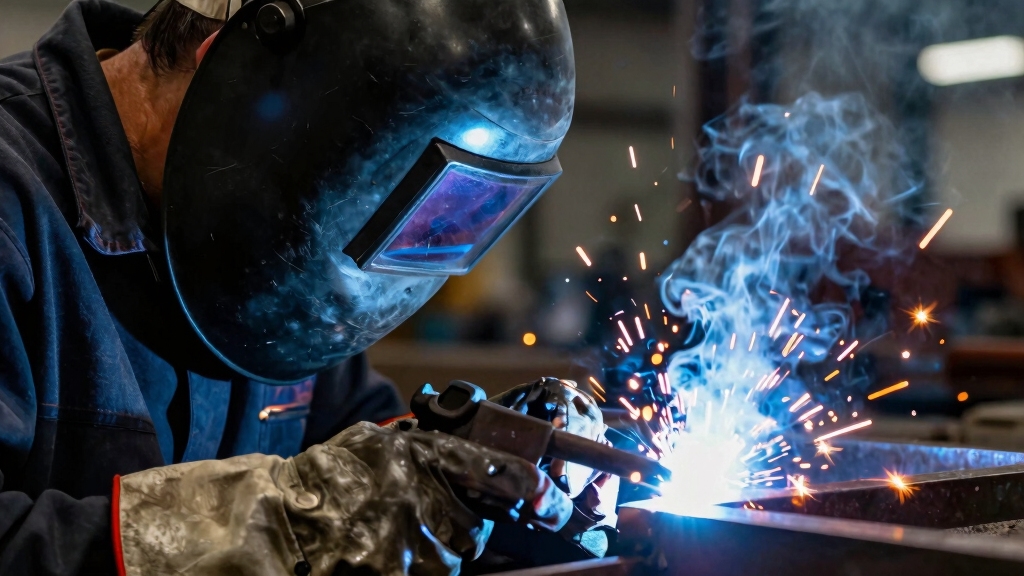
You wear face shields during arc welding to protect your eyes and face from intense ultraviolet (UV) and infrared (IR) radiation, which can cause serious damage like retinal burns and welder’s flash within seconds.
Shields also block sparks, molten metal, and flying debris that can cause burns or injuries. Proper shields provide full facial and side coverage, reducing exposure to harmful contaminants and impact hazards.
Understanding shield materials, lens shades, and maintenance guarantees peak protection throughout your work.
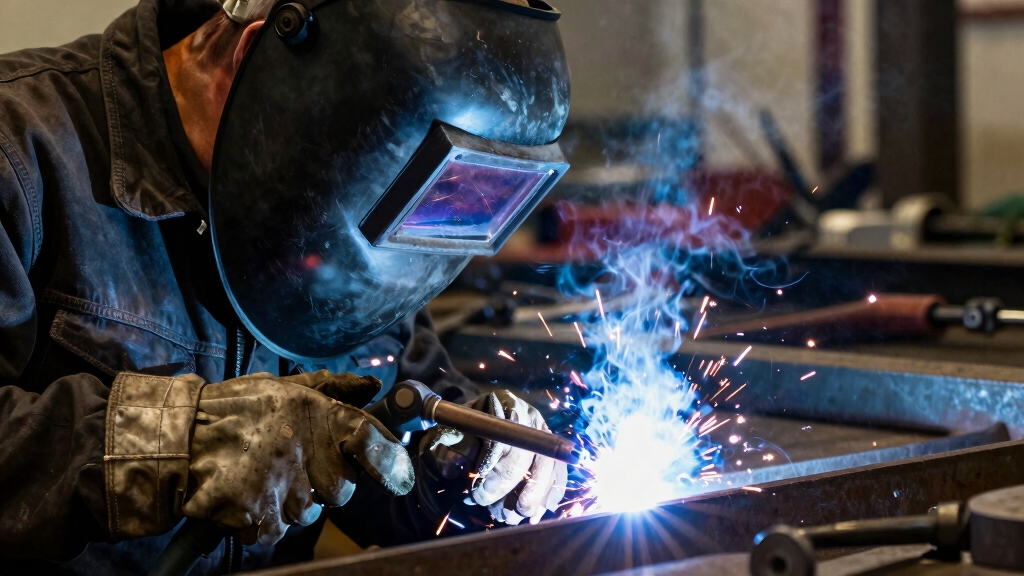
Because arc welding exposes you to intense ultraviolet and infrared radiation, wearing a properly rated face shield is critical to protect your eyes and skin from severe injuries.
The radiant energy emitted can cause photokeratitis and skin burns within seconds without adequate shielding. A certified face shield with filter lenses blocks harmful UV and IR rays, ensuring full facial coverage beyond just your eyes.
It also prevents flying debris, molten metal, and slag chips from impacting your face, reducing the risk of cuts and burns. Side shields are essential for preventing entry of grinding fragments and spatter.
Additionally, arc-rated shields provide defense against high-voltage arc explosions, which can cause catastrophic injuries. Using a face shield compliant with ANSI Z87.1 and ANSI Z49.1 standards guarantees you meet rigorous occupational safety requirements.
For optimal protection, it is important to use helmets and lenses that meet OSHA and ANSI standards to ensure proper UV and IR blocking.
When you weld without a properly rated face shield, intense ultraviolet (UV) and infrared (IR) arc rays penetrate your eyes, causing immediate cellular damage.
These high-energy rays disrupt corneal and retinal cells, leading to photokeratitis, often called “welder’s flash.” This condition manifests as pain, tearing, and temporary vision loss.
Prolonged or repeated exposure can cause permanent retinal burns and cataracts. Without a shield’s filter lenses designed to block UV and IR radiation, your eyes remain vulnerable to these invisible hazards.
Additionally, the visible light intensity from the arc can cause glare and eye strain, impairing your ability to weld safely.
Proper arc-rated face shields with appropriate shade levels per DIN EN 169 are essential to absorb and block this damaging radiant energy, preventing both acute injury and long-term ocular damage.
The choice of welding polarity, such as DCEN polarity, can influence arc stability and intensity, indirectly affecting the level of radiant exposure to your eyes.
When you’re welding, it’s super important to have the right face shield.
You really want one that can block flying debris and welding sparks completely. This helps prevent those nasty impact injuries that can happen if you’re not careful.
Oh, and don’t forget about side protection! You need that extra coverage to shield your skin from molten metal and those pesky slag chips that can cause some serious burns.
Before you grab a shield, make sure it meets the ANSI Z87.1 standards. That way, you can feel confident knowing your skin and face are protected from all those welding hazards out there. Stay safe!
Additionally, wearing gloves along with your face shield provides essential heat and burn protection for your hands, complementing the safety your shield offers.
Amid welding operations, flying debris like sparks, molten metal, and slag chips pose serious risks to your face and skin.
Wearing a properly rated face shield provides full facial coverage, blocking high-velocity impacts from these hazards.
Polycarbonate or Lexan materials, compliant with ANSI Z87.1 standards, offer both heat and impact resistance, essential for protecting you from sudden spatter and fragments.
Side shields or wraparound designs prevent debris from entering at vulnerable angles.
Using a shield with appropriate filter lenses also safeguards your eyes from radiant energy while maintaining visibility.
Always pair your face shield with safety glasses or goggles underneath for all-around protection.
Consistent use and proper maintenance of this equipment guarantee you stay safe against the unpredictable nature of flying debris in arc welding environments.
Regular cleaning and inspection of your protective gear ensure it maintains its impact resistance and effectiveness during use.
Protecting your face from flying debris extends naturally to shielding against molten metal and welding sparks. These pose intense heat and impact threats.
Face shields designed for arc welding use polycarbonate or Lexan materials that resist high temperatures and mechanical impact. These shields fully cover your face, blocking molten metal spatter and slag chips, which can cause serious injuries.
Side shields are mandatory to prevent molten particles from entering from the sides. Additionally, welding face shields comply with ANSI Z87.1 standards, guaranteeing impact resistance and heat protection.
Using filter lenses with the appropriate shade level secures your eyes from ultraviolet and infrared radiation while maintaining visibility. Always pair your face shield with safety glasses to enhance protection against molten metal hazards during welding operations.
Proper personal protective equipment is essential as over 50% of welding-related injuries involve eye damage, making comprehensive face and eye protection critical.
When working near arc welding operations, preventing skin burns requires thorough coverage and heat-resistant materials that shield from sparks and molten metal splatter.
You must wear face shields constructed from polycarbonate or Lexan, which offer superior heat and impact resistance.
These shields provide full facial protection, including side coverage to block flying slag chips and spatter.
Make certain your gear complies with ANSI Z87.1 standards for impact and heat resistance.
Combine face shields with flame-resistant clothing to safeguard exposed skin fully.
Regularly inspect your shields for cracks or damage that could compromise protection.
By maintaining proper coverage and using certified, heat-reflective materials, you greatly reduce the risk of severe burns caused by radiant energy and hot debris.
This keeps your skin and face safe during welding operations.
Additionally, wearing protective gloves is essential to prevent skin contamination from zinc particulates that can cause secondary exposure.
Because arc welding emits intense ultraviolet (UV) and infrared (IR) radiation that can cause serious eye injuries, filter lenses play a critical role in your safety.
These specialized lenses block harmful rays, preventing photokeratitis and retinal damage. Selecting the correct shade level based on your welding amperage guarantees peak protection without compromising visibility.
| Welding Amperage (A) | Recommended Shade Level | Protection Type |
|---|---|---|
| 60 – 160 | 12 | UV & IR Radiation |
| 161 – 250 | 14 | UV & IR Radiation |
| < 60 | 9 | UV & IR Radiation |
| Grinding | 3 – 5 | Impact & Debris |
| TIG Welding Low Amp | 8 | UV & IR Radiation |
Always pair filter lenses with face shields for full coverage against radiant energy and flying hazards. Using a non-consumable tungsten electrode during arc welding also helps reduce exposure to harmful contaminants in the weld area.
While filter lenses effectively shield your eyes from harmful UV and IR radiation, the risks to your face extend beyond direct arc rays.
Side shields are critical because they block flying debris, sparks, and molten metal spatter that can strike from angles not covered by front lenses.
Without side protection, slag chips and grinding fragments may bypass your shield, causing severe facial injuries.
OSHA and ANSI Z87.1 standards mandate side shields where lateral hazards exist, ensuring thorough coverage.
Materials like polycarbonate or Lexan side shields offer impact and heat resistance, crucial for arc welding environments.
By incorporating side shields, you enhance your overall safety, preventing injuries from unpredictable trajectories and maintaining compliance with welding safety protocols.
Don’t overlook side shields—they’re essential for full-face protection during arc welding.
Inverter welding machines also provide stable arc control, which reduces the risk of unexpected spatter or sparks that side shields help protect against, making understanding arc stability important for comprehensive safety.
When working with high-voltage equipment, it’s crucial to understand the risks involved. These arc explosions can lead to severe burns or even fatal injuries, which is why protection is so important.
That’s where arc-rated face shields come into play. They’re made from specialized materials like polycarbonate and Lexan, which are designed to withstand both intense heat and impact. It’s pretty impressive, right?
But don’t forget, not all face shields are created equal. Always opt for shields that are certified to meet strict ANSI Z87.1 and related standards. This ensures you’re getting reliable protection, especially in hazardous welding environments.
Staying safe is the priority, so make sure you’re equipped with the right gear! Proper inspection and maintenance of protective equipment also play a key role in ensuring ongoing safety during arc welding.
When working near high-voltage electrical arcs, you face the risk of arc explosions that can cause severe burns or fatal injuries.
These explosions result from sudden electrical discharges that release intense heat, light, and molten metal fragments.
Arc-rated face shields provide critical protection by withstanding extreme temperatures and impact forces generated during such events.
Their materials absorb and deflect radiant energy while preventing penetration from flying debris and molten slag.
By meeting stringent ANSI Z87.1 standards, these shields ensure you receive reliable defense against blast hazards inherent in arc welding environments.
Wearing an arc-rated face shield is non-negotiable for safeguarding your face and eyes from the catastrophic consequences of arc explosions.
This greatly reduces the likelihood of life-threatening injuries on the job.
Additionally, using the correct helmet visor shade is essential to protect against the intense UV/IR radiation produced during welding arcs, enhancing overall safety helmet visor shade.
Arc-rated face shields owe their protective strength to specialized materials engineered to withstand extreme conditions of high-voltage arc explosions.
You’ll find these shields commonly use polycarbonate or Lexan, both known for exceptional impact and heat resistance.
These thermoplastic polymers maintain integrity under intense thermal stress, preventing molten metal and slag from penetrating the shield.
Additionally, manufacturers apply anti-fog and anti-scratch coatings to guarantee continual clear vision, critical for safe welding.
The shield’s lens incorporates filter materials that block ultraviolet and infrared radiation, minimizing eye injury risks from arc rays.
This combination of resilient substrates and protective coatings forms a robust barrier, safeguarding your face from burns, flying debris, and radiant energy during arc welding operations.
Using these materials, the shield meets stringent demands for durability and worker safety without compromising visibility.
Although high-voltage arc explosions present severe hazards, certified face shields provide reliable protection by meeting rigorous standards designed to withstand intense radiant energy and impact.
When selecting your arc-rated face shield, make certain it complies with key certification and standards:
Selecting the right face shield material for welding hinges on understanding the balance between heat resistance, impact protection, and optical clarity.
You need materials that withstand molten metal spatter and radiant energy while maintaining visibility. Polycarbonate and Lexan are top choices due to their heat tolerance and ANSI Z87.1 impact certification.
Consider coatings like anti-fog and anti-scratch to preserve clarity during extended use.
| Material | Key Feature |
|---|---|
| Polycarbonate | High heat & impact resistance |
| Lexan | Clear/tinted, impact protection |
| Wire Mesh | Impact protection, breathable |
Choose a shield that meets ANSI Z87.1 standards for your welding environment. Proper selection reduces injury risk from UV/IR radiation, sparks, and debris effectively.
When you work with welding equipment, understanding lens shade levels is vital to protect your eyes from harmful ultraviolet and infrared radiation.
Welding lens shades range from 9 to 14, calibrated to the arc current amperage to ensure optimal protection.
Using an insufficient shade exposes you to retinal burns, while overly dark lenses reduce visibility, increasing accident risk.
Follow these guidelines:
Selecting the correct shade level is an essential step in preventing eye injuries during arc welding.
To beef up your facial protection during arc welding, you should wear safety glasses beneath your face shield. Safety glasses provide critical impact resistance against flying debris, slag chips, and sparks that a face shield alone mightn’t fully block, especially from side angles.
Wearing safety glasses under your face shield offers essential impact protection from flying debris during arc welding.
Choose ANSI Z87.1-certified glasses with side shields to guarantee compliance and coverage. Make sure the glasses fit comfortably under your face shield without gaps or interference, preserving your full range of vision and mobility.
This dual-layer approach enhances defense against ultraviolet and infrared radiation by combining filter lenses’ optical protection with the physical barrier of safety glasses. Always inspect both devices for damage before use, and replace them if scratches or cracks compromise their protective integrity.
Maintain OSHA and ANSI standards throughout your welding operations.
When you’re getting ready to weld, it’s super important to wear your welding face shield securely. Make sure it fits well and covers your whole face, so you’re protected from UV and IR radiation as well as any flying debris.
Don’t forget to keep the lens clean! Regularly using approved cleaning solutions will help you maintain clear visibility.
And while you’re at it, take a moment to inspect the shield for any scratches or cracks. Those could really compromise your protection, so it’s best to catch them early.
When you’re done welding for the day, store your shield in a dry, cool place. Keeping it out of direct sunlight will help prevent any degradation of the materials and extend its service life.
Taking these steps will keep you safe and make sure your gear lasts longer!
Although welding face shields offer essential protection against arc rays, sparks, and flying debris, you must wear and maintain them properly to guarantee maximum safety.
First, always adjust the shield to fit snugly on your head, ensuring full coverage of your face and sides to block slag and spatter.
Second, select the correct lens shade based on your welding amperage to prevent UV/IR eye damage.
Third, wear safety goggles beneath the shield for added impact protection.
Fourth, inspect the shield daily for cracks, scratches, or damage that could reduce protection or visibility and replace components immediately if compromised.
Maintaining the integrity of your welding face shield goes beyond proper wearing and inspection. You must clean it regularly using a soft cloth and mild detergent to remove dust, spatter, and oils that degrade visibility and compromise UV/IR protection.
Avoid abrasive cleaners or solvents that damage polycarbonate or Lexan lenses and coatings. After cleaning, inspect for cracks, scratches, or lens discoloration; replace damaged components immediately to guarantee ANSI Z87.1 compliance.
Store your face shield in a clean, dry environment away from direct sunlight, extreme temperatures, and chemicals that can weaken materials or coatings. Use a protective case or designated compartment to prevent accidental impacts or contamination.
Proper cleaning and storage extend your shield’s lifespan, maintain optical clarity, and uphold the safety essential during arc welding operations.
Yes, you can use face shields beyond welding for tasks like grinding, cutting, or handling chemicals, provided they meet the necessary safety standards.
For example, clear grinding shields pair with helmets to protect against sparks and debris.
Always make certain the shield offers appropriate impact resistance, side protection, and visibility features for your specific task.
Proper training on equipment use and maintenance is essential to maintain effective protection.
Think of your welding face shield as a knight’s armor. Its strength fades with each battle.
Typically, these shields last about 1 to 2 years, depending on use and care.
You should inspect yours regularly for scratches, cracks, or fading lenses, especially the filter’s shade.
Replace it immediately if you spot damage or reduced visibility.
Proper maintenance, storage, and cleaning extend its life, ensuring your face stays fully protected every weld you make.
Yes, some face shields are designed with left-handed welders in mind, featuring adjustable headgear and flip-up mechanisms that accommodate left-side welding positions.
You should look for helmets offering reversible or ambidextrous controls, ensuring peak comfort and protection.
Always verify that the shield complies with ANSI Z87.1 standards and provides appropriate filter lens shades for your amperage.
Proper fit and ease of use reduce fatigue and enhance safety during welding tasks.
Yes, face shields can reduce heat exposure during welding by providing a physical barrier that reflects radiant energy and shields your face from intense heat and sparks.
Shields made of heat-resistant materials like polycarbonate or Lexan, often with heat-reflective coatings, help protect your skin from burns.
Always make certain your face shield meets ANSI Z87.1 standards and use appropriate filter lenses to maintain both thermal and optical protection during welding tasks.
Imagine standing on a noisy job site, the clatter of tools and hum of machines overwhelming your voice.
Face shields can muffle sound slightly, making communication harder, but they don’t block it entirely.
To stay safe and connected, you’ll want to combine face shields with clear, concise signals or radios.
Using appropriate communication tools guarantees you don’t compromise safety while protecting your face from sparks and radiation.
Just as a knight wouldn’t face battle without a helmet, you shouldn’t approach arc welding without a proper face shield. It’s your frontline defense against harmful arc rays, flying sparks, and molten metal.
By choosing the right materials, lens shades, and combining shields with safety glasses, you ensure thorough protection.
Remember, maintaining your gear is as essential as wearing it because in welding, safety isn’t just precaution, it’s your armor.