Phone:
(701)814-6992
Physical address:
6296 Donnelly Plaza
Ratkeville, Bahamas.

Phone:
(701)814-6992
Physical address:
6296 Donnelly Plaza
Ratkeville, Bahamas.

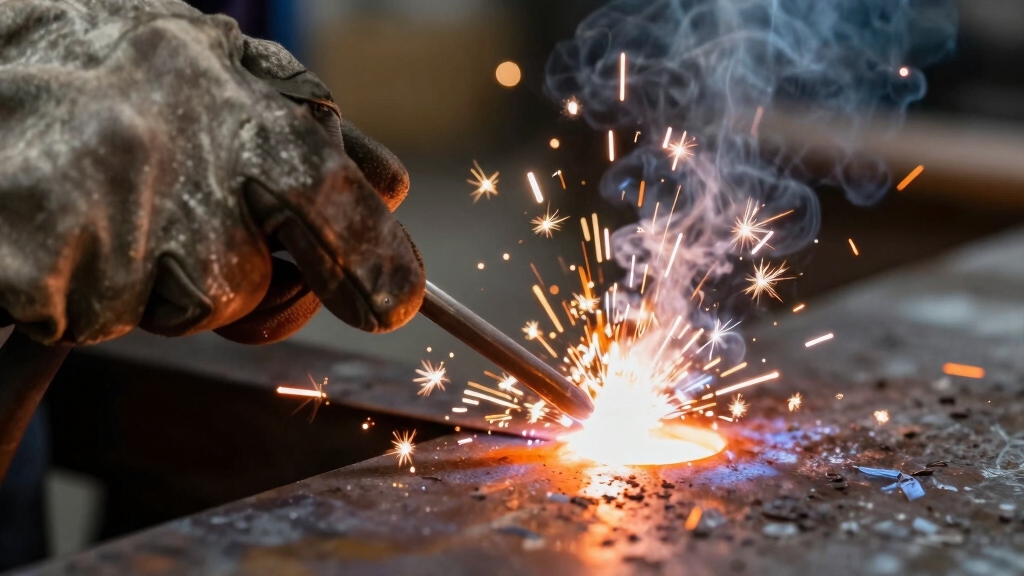
Arc length in welding is the gap between your electrode tip and the workpiece, controlling voltage and current flow.
Keeping this gap consistent, typically matching your electrode diameter, ensures stable arcs, strong fusion, and minimal spatter.
Too short causes excessive heat and burn-through. Too long leads to poor fusion and undercut.
You’ll find adjusting arc length key for different welding types and materials to get ideal results.
Understanding these details can markedly improve your weld quality and efficiency.
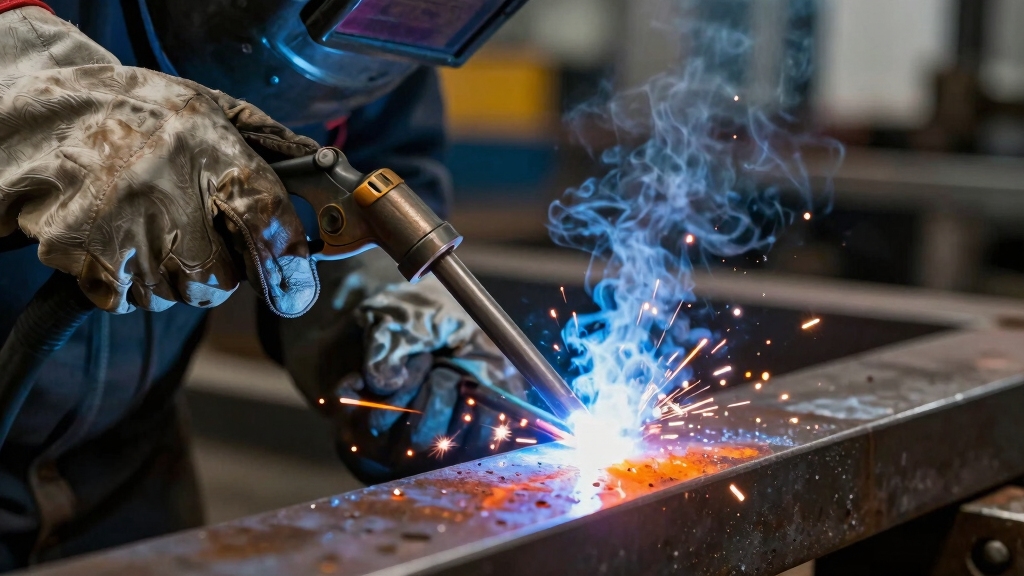
Because arc length directly influences the stability of the electric arc, you need to maintain the correct distance between the electrode tip and the workpiece surface to guarantee effective welding.
Arc length, defined as the gap between the electrode and the metal, controls the arc’s voltage and current flow.
Arc length, the gap between electrode and metal, regulates the arc’s voltage and current flow.
If the arc length matches your electrode diameter—say 0.030 inches for a 0.030-inch rod—you’ll achieve ideal fusion and bead shape.
Deviations can cause unstable arcs, poor penetration, or excessive spatter.
Proper arc length also minimizes distortion by controlling heat input precisely.
You’ll find that adhering to this critical parameter ensures consistent weld quality, maintains the electric arc’s stability, and prevents defects.
Measurement and control of arc length are fundamental to successful metal joining operations.
Increasing voltage extends arc length, which in turn affects the bead width and profile.
Select an arc length that corresponds closely to your electrode diameter to guarantee peak welding performance.
For instance, if you use a 0.030-inch electrode, maintain an arc length near 0.030 inches to ensure a stable electric arc and consistent metal fusion.
Deviating from this proportional relationship disrupts arc stability, affecting current flow and heat input.
When you keep the arc length short, around 3/32-inch, you gain tighter control but risk excessive heat on thin materials.
Longer arcs increase voltage demand and cause arc instability, leading to spatter and poor fusion.
Always adjust arc length based on electrode type, welding process, and material thickness.
Following these precise measurements guarantees optimal penetration, bead shape, and prevents defects while aligning with manufacturer specifications for your electrode.
Maintaining a consistent arc length is crucial because inconsistent or shallow arc length causes instability and spatter.
When you maintain the correct arc length, you guarantee stable current flow and peak arc stability, both essential for achieving proper weld penetration and bead formation.
This stability allows you to control heat input accurately, minimizing distortion and preventing defects like undercut or burn-through.
A correct arc length secures consistent bead shape and optimal fusion between the electrode and base metal.
It also markedly impacts the weld’s appearance; tight arcs produce smooth, uniform ripples while preventing excessive spatter or dull, gray finishes.
By keeping the arc length proportional to the electrode diameter and adjusting for material thickness and welding process, you optimize both mechanical properties and aesthetics.
Proper arc length control works synergistically with welding current and speed to deliver reliable, high-quality welds every time.
Controlling arc length is a critical part of managing heat input, which directly influences weld quality and the heat-affected zone characteristics.
Understanding how short or long arc lengths influence welding is essential for controlling heat input and weld quality.
When you maintain a short arc, you increase the voltage demand and weld current. This can cause excessive heat, risking burn-through and distortion, especially on thin materials.
Conversely, a long arc results in unstable current, poor fusion, spatter, and undercut.
A long arc causes unstable current, poor fusion, increased spatter, and undercut defects.
This leads to a wider heat-affected zone and a dull weld appearance.
Short arc boosts weld current and speeds completion but risks material damage.
Long arc reduces current stability, causing defects and increasing heat input.
Appropriate arc length matches electrode diameter for stable welding conditions.
Managing arc length directly affects penetration, bead shape, and overall weld integrity.
Selecting the correct shade number for eye protection is equally important to safely handle the varying arc intensities caused by arc length adjustments.
Controlling arc length directly influences weld quality, but the best setting varies greatly depending on the welding method you use.
In stick welding, maintain an arc length roughly equal to the electrode diameter to guarantee stability and proper fusion.
For TIG welding, adjust arc length visually by observing the ripple pattern on the weld pool. Keep it short to minimize heat input and prevent oxidation.
MIG welding generally requires a slightly longer arc to maintain consistent wire feed and avoid excessive spatter. Avoid exceeding recommended gaps to prevent arc instability.
Always consider material thickness and electrode type when adjusting arc length. Fine-tuning this parameter optimizes current flow, penetration, and bead shape.
Maintaining consistent torch angle and travel speed is also essential to control the weld pool size and achieve the desired bead profile.
Ultimately, this reduces defects and improves weld aesthetics across different processes.
Environmental conditions like wind, humidity, and temperature directly affect arc length stability.
Wind can blow the arc off course, causing fluctuations and unstable welding.
High humidity may increase electricity conduction, leading to inconsistent arcs.
Extreme temperatures can alter electrode behavior, making it harder to maintain the precise gap.
To keep arc length stable, you’ll need proper shielding, controlled environments, or adjustments in current and speed based on conditions.
You might think maintenance is minimal, but you need to regularly clean and inspect electrode holders and cables to prevent inconsistent arc length.
Tighten connections and replace worn parts to avoid voltage drops.
Keep the welding torch nozzle and contact tip free of spatter for stable arcs.
Calibrate your equipment periodically to guarantee accurate current and voltage settings.
This ensures precise arc length control and improves weld quality and consistency.
Yes, arc length variations can cause electrical safety hazards.
When the arc length is too short, it increases voltage demand, potentially overloading your power source and causing electrical faults.
Conversely, a long arc leads to unstable current flow and spatter, which can create unintended electrical paths or shorts.
Maintaining a consistent arc length is essential for controlling current and voltage.
This ensures your welding setup remains electrically safe and reduces shock or fire risks.
When working with non-metal materials, you can’t cut corners on arc length control. It directly affects heat input, which non-metals tolerate poorly.
Too long of an arc risks overheating and burning the surface, causing cracking or warping. Too short, and you’ll cause incomplete bonding or surface damage.
You need precise adjustment to balance heat and arc stability. This ensures material integrity and proper adhesion without compromising safety or quality.
Yes, you can use automated systems to monitor and adjust arc length in welding. These systems employ sensors and feedback controls to maintain ideal arc length, ensuring consistent weld quality.
You’ll find them in advanced welding setups like robotic or CNC welding, where real-time adjustments prevent defects caused by arc fluctuations.
Now that you understand arc length’s impact on weld quality and appearance, you might worry it’s too tricky to control consistently.
Don’t be. By choosing the right arc length for your electrode and welding method, you’ll improve penetration, minimize spatter, and create cleaner welds.
With practice and attention to detail, adjusting arc length becomes second nature. This helps you achieve professional results every time without unnecessary frustration.