Phone:
(701)814-6992
Physical address:
6296 Donnelly Plaza
Ratkeville, Bahamas.

Phone:
(701)814-6992
Physical address:
6296 Donnelly Plaza
Ratkeville, Bahamas.

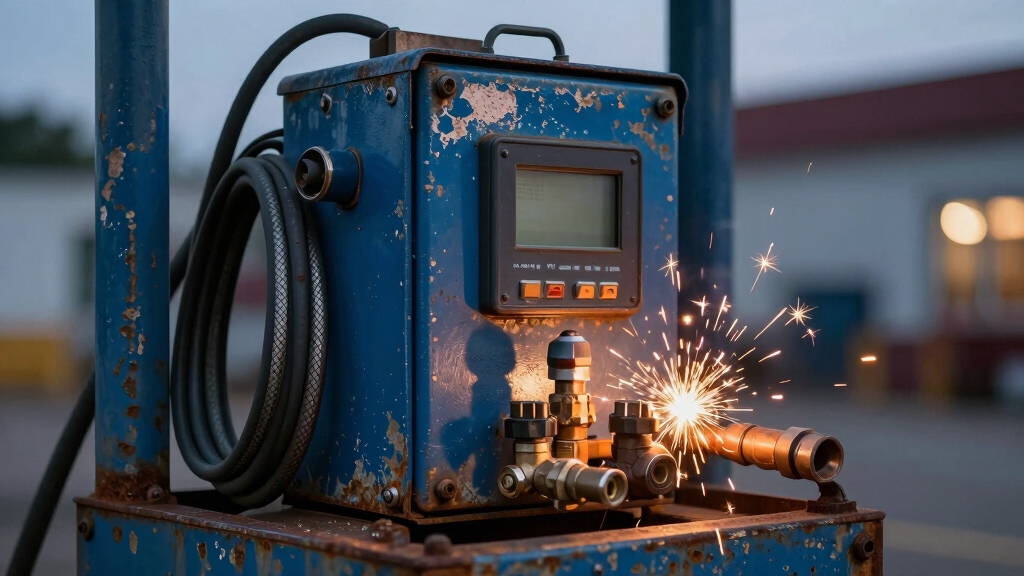
A welding rig is a mobile workstation mounted on a truck or trailer, designed to bring essential welding equipment right to your job site.
It provides power and organization to weld large components on-site, eliminating the need to transport heavy machinery to a shop.
With components like a welding machine, cables, and shielding gas system, it supports various industrial applications.
Understanding how it operates and what tools you need will help you choose the ideal rig for your work.
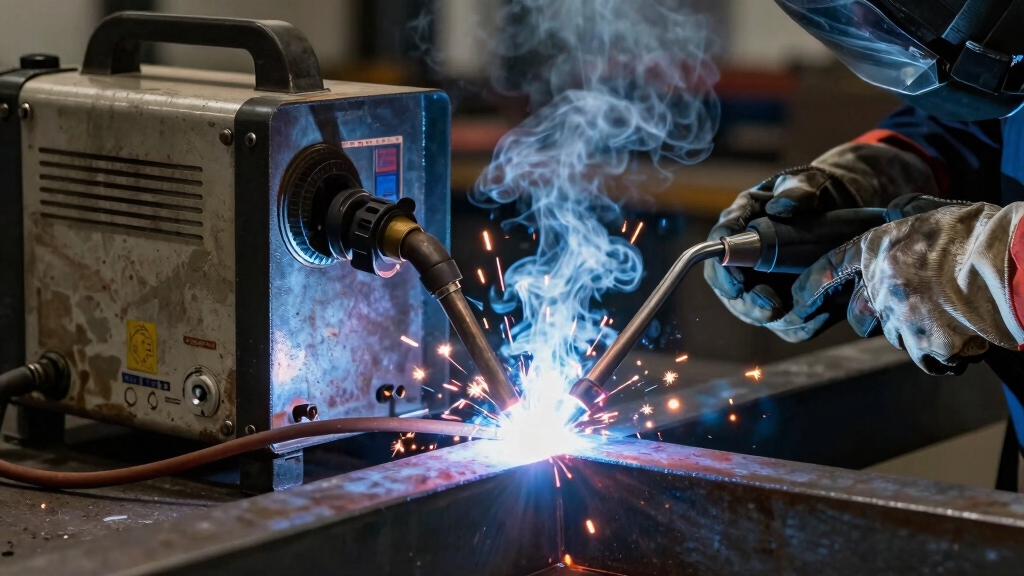
A welding rig functions as a mobile workstation that brings all essential welding equipment directly to your job site. This enables you to perform metal fabrication and repair without relocating heavy machinery.
You’ll find it mounted on a truck or trailer, designed to transport and organize welding tools efficiently. This setup allows you to work flexibly on-site, reducing downtime caused by moving bulky equipment to centralized shops.
The rig’s power supply, usually a generator or inverter, delivers consistent electricity, ensuring stable welding conditions. With integrated storage, you keep your welding leads, torches, and hand tools accessible and secure.
Modern welding rigs often incorporate inverter welding technology to provide precise arc control and energy-efficient power conversion for various welding processes.
Understanding the main parts of a welding rig helps you operate and maintain it effectively on-site. At its core, the welding machine generates the power essential for fusion processes.
Welding leads and cables link this machine to your workpieces and grounding clamps, ensuring current flow.
The welding bed provides organized storage for your tools and materials, optimizing workspace efficiency.
Depending on your welding method, you’ll use tungsten electrodes or welding wire, both critical for arc formation.
Shielding gas delivery systems protect the weld area from atmospheric contamination, preserving weld integrity.
Together, these components create a mobile, self-contained workstation tailored for precise metal joining tasks.
Familiarity with each part allows you to troubleshoot, maintain, and adapt your rig to varied job requirements confidently.
A steady DC power source combined with a non-consumable tungsten electrode and inert gas delivery system is fundamental for achieving clean, precise welds.
Ensuring consistent power supply is essential when operating mobile welding rigs, as it directly affects weld quality and equipment performance.
Consistent power supply is crucial for mobile welding rigs to maintain weld quality and optimal equipment function.
You rely primarily on onboard generators or inverters, which convert fuel into stable electrical output tailored for welding demands.
It’s vital to select a generator with adequate wattage to support your welding machine and auxiliary tools simultaneously.
Fuel type and capacity impact operational duration, so consider diesel or gasoline based on availability and efficiency.
Extension cords must be rated for the power load and environmental conditions to prevent voltage drops.
Additionally, integrating battery backup systems provides emergency power, maintaining workflow during generator failures.
Choosing the correct power source is critical since welding equipment requires specific voltage and current settings to ensure joint integrity and prevent defects.
Several essential tools and accessories form the backbone of an efficient welding rig, enabling precise and safe operations. You’ll need a combination of grinding tools, hand tools, and positioning devices to maintain workflow accuracy and efficiency.
Each tool plays a specific role in preparing, executing, and finishing welds on-site. Using an air hammer can significantly improve tasks such as slag removal and joint preparation, enhancing overall weld quality through effective welding cleanup techniques.
| Tool Type | Purpose | Example |
|---|---|---|
| Grinding Tools | Surface prep and cleanup | 4.5-inch & 7-inch angle grinders |
| Hand Tools | Adjustments and repairs | Wrenches, pliers, crescent wrenches |
| Positioning Aids | Workpiece alignment | Clamps, magnets, tape measures |
Incorporate these tools methodically to optimize your rig’s performance and ensure consistent weld quality.
When you’re welding, it’s super important to wear the right protective clothing. This helps shield your skin from sparks and heat. Trust me, you don’t want to skimp on this part!
And while we’re at it, let’s talk about eye and face protection. Make sure to use proper gear like welding helmets with the right filters. This is crucial to prevent any injuries from arc radiation.
Oh, and don’t forget about fire safety! Always keep fire safety equipment close by. You never know when a flame or spark hazard might pop up on the job site, so it’s better to be prepared.
Wearing heat-resistant gloves is essential to protect your hands from burns, sparks, and electrical shocks during welding.
Although welding rigs provide a controlled environment, you can’t compromise on essential protective clothing when working.
You must wear flame-resistant jackets or aprons made from leather or specialized fabrics to shield your body from sparks and molten metal splatter.
Your gloves need to be heat-resistant, insulated, and flexible enough to handle tools precisely.
Pants should be durable, non-synthetic, and cover your legs fully to avoid burns.
Steel-toed boots with heat protection are mandatory to safeguard your feet from heavy objects and hot debris.
Additionally, avoid synthetic materials that can melt and cause severe burns.
Layering properly and selecting certified gear guarantees maximum protection, minimizing injury risks while maintaining mobility and comfort during welding operations on the rig.
Choosing gloves with Kevlar stitching enhances durability and heat resistance for safer welding.
Donning proper eye and face protection is critical to guard against intense arc rays, flying sparks, and molten metal splatter encountered during welding. You must use a welding helmet with a suitable shade filter to prevent arc eye and ultraviolet exposure.
Additionally, safety goggles or glasses with side shields provide secondary defense against debris.
| Protection Type | Key Function |
|---|---|
| Welding Helmet | Filters harmful arc radiation |
| Safety Goggles | Shields from flying particles |
| Face Shield | Guards against molten metal splash |
Ensure your helmet fits securely and lenses are clean for clear visibility. Regularly inspect all protective gear for wear or damage to maintain ideal safety during every welding operation. Choosing the correct welding shade based on amperage and electrode type is essential to optimize protection and visibility.
Fire safety equipment plays a crucial role in preventing and controlling hazards caused by sparks, flames, and molten metal during welding operations.
You must equip your welding rig with essential fire safety tools to maintain a secure work environment. These tools help you contain unexpected fires and protect yourself and your surroundings.
Key fire safety equipment includes:
Maintaining a clear area free of flammable materials within a 35-foot radius is critical to effectively mitigate fire hazards during welding.
When working on large-scale industrial projects or oilfield operations, you’ll rely on welding rigs to handle the fabrication, assembly, and repair of critical metal structures.
These rigs enable you to weld large components such as oil platforms, boilers, and ship hulls with precision and durability.
In pipeline construction, whether onshore or offshore, welding rigs provide the necessary power and mobility to join metal pipes and plates securely.
You’ll use them for metal fabrication, ensuring structural integrity through consistent weld quality.
Additionally, welding rigs support inspection and testing processes, allowing you to identify and rectify defects in vessels and piping systems.
Routine maintenance and repair tasks depend on these rigs to sustain the operational safety and longevity of essential industrial infrastructure.
Their effectiveness depends on proper welding techniques, including precise alignment and fit-up, to produce leak-proof and durable joints.
Alright, let’s break this down. First, you’ll want to take a good look at your project’s specific welding requirements. Think about the materials you’ll be working with and the environment you’ll be in. Are you working outdoors or in a confined space? These factors really matter.
Next up, you’ll need to think about the power source options. It’s super important to make sure you have a consistent and adequate energy supply for your equipment. You don’t want to be in the middle of a job and run out of power, right?
Finally, let’s talk about portability. Consider how accessible the job site is and what the transport logistics look like. If you’ll be moving your rig around a lot, you’ll want something that’s easy to transport. So, keep that in mind as you make your decision!
Also, be sure to select a welding machine with the appropriate amperage capacity to handle the thickness and type of material you’re working with.
Before selecting a welding rig, carefully evaluate the specific demands of your project, including the type of welding process, material thickness, and work environment. This assessment guarantees you choose equipment that meets performance and operational needs efficiently.
Consider these factors:
Selecting the right power source for your welding rig markedly impacts performance and operational efficiency. You need to contemplate whether a generator or inverter best suits your application.
Generators provide robust, continuous power ideal for heavy-duty, extended tasks but require fuel management. Inverters offer lightweight, energy-efficient solutions with stable output and better arc control, advantageous for precision work.
Assess your power demands. High amperage welding requires sources capable of consistent delivery to avoid voltage drops. Evaluate fuel availability and runtime needs to prevent operational interruptions.
Also, guarantee compatibility between the power source and welding equipment to maintain peak current flow. By systematically analyzing these factors, you can select a power source that maximizes your rig’s functionality and reliability for your specific job conditions and welding processes.
When sizing up a welding rig for your job, weigh how easily you can move it between sites and maneuver it on location.
Portability directly impacts efficiency, especially if you work across multiple locations or tight spaces. Consider the rig’s weight, size, and mounting options, as well as the availability of transportation means.
Focus on these key factors:
Balancing these elements lets you select a rig that matches your mobility and operational demands precisely.
You’ll find that a typical mobile welding rig weighs between 3,000 and 10,000 pounds, depending on its configuration and components.
The weight varies with the welding machine size, power supply, storage compartments, and safety equipment included. When you consider fuel and additional tools, it adds to the total mass.
This weight impacts transport logistics, so you’ll need a properly rated vehicle and secure mounting to handle the rig safely on job sites.
You’ll find welding rigs can brave the storm like steel warriors, built to operate in extreme weather.
Their power systems, like generators and inverters, maintain steady output despite cold, heat, or moisture.
Enclosed components protect sensitive parts, while ventilation manages fumes safely.
Still, you must verify fuel and backup systems are reliable, and safety gear is always on hand to tackle wind, rain, or freezing conditions methodically and effectively.
You need to regularly check oil levels and change oil according to the manufacturer’s schedule to keep your welding rig generator running smoothly.
Inspect air filters and replace them if clogged, ensuring proper airflow.
Tighten all electrical connections and examine spark plugs for wear or deposits.
Clean the fuel system and test battery voltage.
Finally, run the generator under load periodically to verify consistent power output and prevent fuel stagnation.
Of course, welding rigs are compatible with all welding processes if you ignore differences in power requirements, shielding gas needs, and electrode types.
In reality, you must match your rig’s equipment to the specific process you’re using: MIG, TIG, stick, or flux-cored welding.
Your rig’s power supply, welding leads, and accessories have to support the chosen method.
You can expect a welding rig to run between 6 to 12 hours on a full fuel tank, depending on the generator’s size and load.
Higher power demands shorten runtime, while efficient models extend it. Always monitor fuel levels during extended work periods to avoid interruptions.
Carry extra fuel and plan refueling breaks accordingly, ensuring your rig maintains consistent power output for uninterrupted welding operations on-site.
So, you think a welding rig is just a bulky box with sparks flying? Think again. This precise, powerhouse toolkit combines power sources, essential tools, and safety gear to tame molten metal with surgical accuracy.
Without it, your welding job might resemble a chaotic light show rather than a professional task. Now that you know how it works and what to look for, you’re ready to choose the rig that turns chaos into controlled craftsmanship.