Phone:
(701)814-6992
Physical address:
6296 Donnelly Plaza
Ratkeville, Bahamas.

Phone:
(701)814-6992
Physical address:
6296 Donnelly Plaza
Ratkeville, Bahamas.

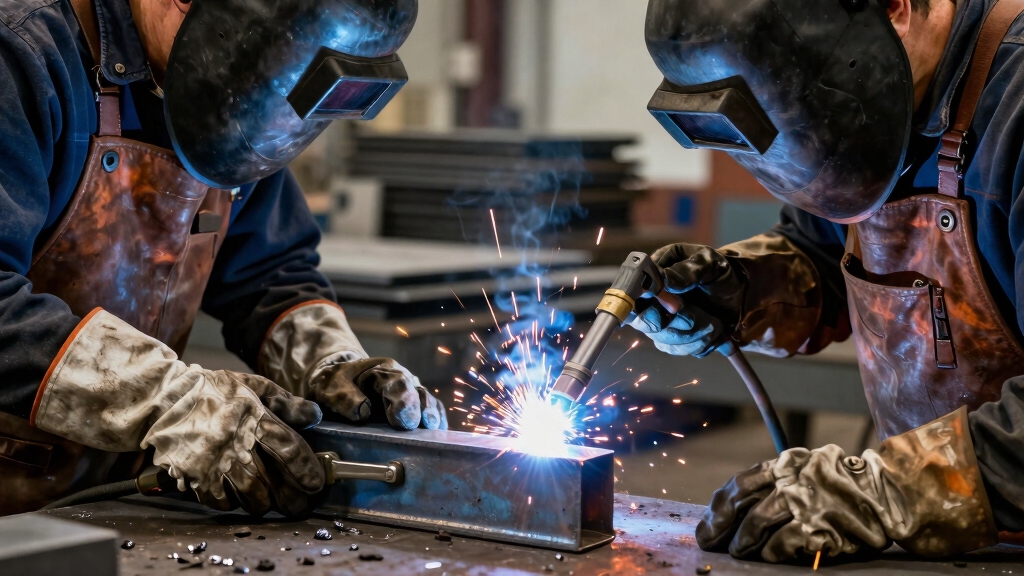
As a welder helper, you prepare safe work areas by removing debris, setting up scaffolds, and organizing tools for efficiency.
You handle materials carefully, measure and cut metals accurately, and operate cutting and grinding equipment.
You support welders by adjusting machines, cleaning welds, and replenishing consumables while following strict safety protocols, including PPE use and equipment inspections.
You’ll also manage physical demands like lifting and working at heights.
Keep going to uncover more specifics on these essential tasks.
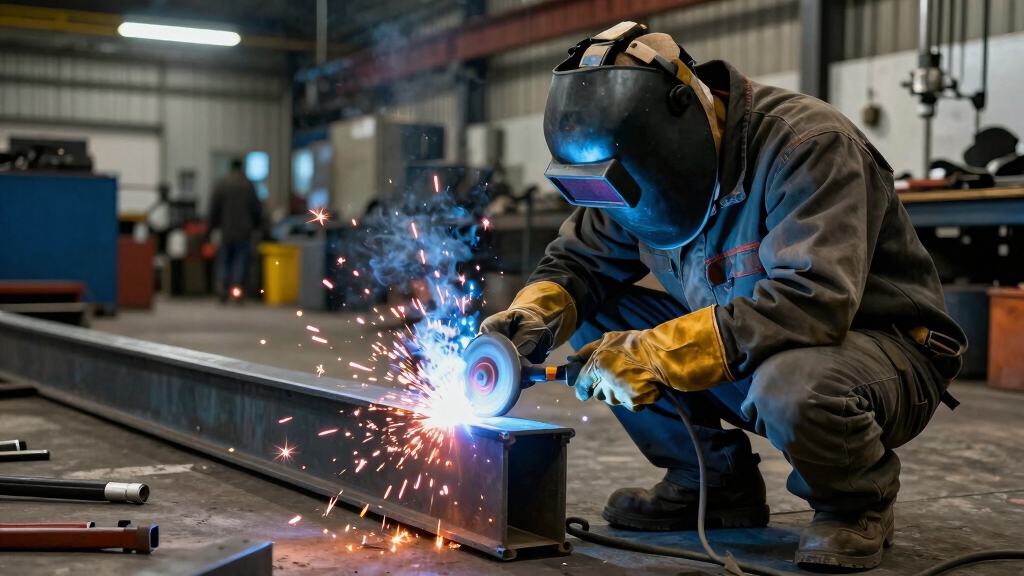
Although you mightn’t perform the actual welding, as a welder helper, you play an essential role in preparing the workspace, handling materials, and managing equipment to guarantee welders can work efficiently and safely.
You clear potential hazards, level surfaces, and set up scaffolds and ladders for access. Organizing tools and materials within easy reach keeps the workflow smooth.
You measure, cut, and prepare metal pieces, ensuring they meet specifications. Operating and maintaining welding machines, grinders, and torches is part of your responsibility, along with adjusting machine settings as needed.
You load and unload supplies, maintain stock levels, and help secure components properly. Your practical support enables welders to focus on precise, quality welds while maintaining productivity and safety standards.
Ensuring the use of proper personal protective equipment is also critical to protect yourself and others in the welding environment.
Welder helpers consistently make certain the workspace is clear of hazards and properly prepared before any welding begins.
Welder helpers ensure the workspace is safe and ready before welding starts.
You start by removing debris and leveling surfaces to prevent slips or uneven footing. Setting up scaffolds and ladders carefully guarantees safe access to elevated areas.
You organize tools and materials within easy reach, minimizing unnecessary movement during welding tasks. Maintaining cleanliness throughout the job site reduces fire risks and promotes efficient workflow.
You also inspect the area for potential safety hazards, such as flammable materials or unstable equipment, and address these promptly.
By following established safety procedures, you create an environment that protects both yourself and the welders, guaranteeing smooth, uninterrupted operations.
Your attention to detail in workspace preparation directly supports overall job safety and productivity.
Regular inspection of equipment and ensuring proper grounding are essential parts of electrical safety to prevent hazards.
Sure, here’s a more conversational version of the text:
You’ll be measuring and cutting metal pieces with precision to meet the project specifications. It’s really important to get this right, as it ensures accuracy for the welders who’ll be working downstream.
Keeping an eye on stock levels is also a big part of your role. You’ll want to make sure supplies like rods and discs are organized and ready to go when needed.
And don’t forget about preparing surfaces! You’ll be grinding and polishing as part of your material handling duties, which helps maintain the quality of the work. It’s all about teamwork and making sure everything runs smoothly!
Additionally, understanding the importance of workpiece clamping helps ensure the stability and quality of the welding process.
Accurately measuring and cutting metals is a critical task that guarantees components fit together precisely during welding.
You’ll use measuring tools like tape measures, calipers, and squares to mark exact lengths and angles on various metals, including galvanized, carbon, and stainless steel.
After marking, you’ll operate cutting equipment such as saws, oxy-fuel torches, or plasma cutters to shape the metal to specifications.
Precision is essential to minimize waste and assure weld integrity.
You must verify measurements before cutting to avoid errors.
Handling sharp edges safely and maintaining cutting tools in good condition are also part of your responsibilities.
Your role assures welders receive properly sized parts, facilitating efficient assembly and quality welds.
Additionally, understanding how to control heat input during welding helps prevent burn-through and distortion in thin metals.
Manage stock efficiently to keep welding operations running smoothly. As a welder helper, you’re responsible for maintaining adequate supplies like rods and discs, measuring and cutting metal pieces to exact specifications, and loading or unloading materials from trucks.
Preparing metal surfaces with grinders and polishers also falls under your duties, ensuring welders have ready-to-use components.
Focus on these key tasks:
Your role in stock management and preparation directly impacts productivity and weld integrity. Staying organized and precise is essential. Additionally, ensuring metal surfaces are free of contaminants like rust and grease before welding helps reduce defects and improve weld quality.
You’ll be operating welding machines, tweaking the settings just right to meet the job’s specific needs. It’s all about getting that precision!
And don’t forget, keeping up with regular equipment checks and maintenance is key. It ensures that everything runs safely and efficiently.
Also, let’s talk about organization. If you keep your tools organized, it makes a world of difference.
You’ll have quick access to what you need, which means a smoother workflow at every weld station. It’s all about making your job easier, right?
Remember to maintain proper stickout distance to ensure consistent weld quality and arc stability.
Operate welding machines and related tools with precision to guarantee smooth workflow and quality welds. You’ll adjust machine settings like temperature and amperage based on project specifications, ensuring peak performance.
Handling grinders, hammers, and torches efficiently supports seamless operations. Here’s what you must focus on:
Your role ensures welders can work without interruption, contributing to safety and productivity. Mastering these tasks sharpens your technical skills and keeps projects on schedule.
Familiarity with multi process welders helps in efficiently switching between welding methods and optimizing machine settings for diverse tasks.
Keep welding equipment in top condition by performing routine maintenance and timely repairs. You’ll regularly inspect machines, cables, and connectors for wear or damage, ensuring safe and efficient operation.
Clean dust, dirt, and metal debris from equipment surfaces and cooling vents to prevent overheating. Lubricate moving parts as specified to reduce friction and extend tool life.
Replace worn consumables, like welding tips and nozzles, promptly to maintain quality welds. Calibrate temperature settings and check electrical connections according to guidelines.
Document maintenance activities and report any malfunctions or hazards immediately. By managing these tasks, you minimize downtime and support welders’ productivity.
Your attention to equipment condition directly impacts welding performance and project timelines.
Maintaining welding equipment through regular maintenance sets the foundation for effective tool organization. When you manage welding tools efficiently, you prevent downtime and guarantee safety.
Start by designating specific storage spots for each item to keep your workspace orderly. Label containers clearly to avoid confusion. Regularly inspect tools for damage and replace worn parts promptly.
Finally, keep frequently used tools within arm’s reach to boost productivity.
Here are four essential strategies you should follow:
Additionally, regular cleaning and inspection of ventilation systems and equipment help minimize hazardous fume exposure and maintain a safe working environment for all personnel with proper ventilation equipment maintenance.
You play an essential role in supporting welders by preparing materials and equipment to guarantee smooth operations.
You measure and cut metal pieces to exact specifications, ensuring components fit perfectly for welding.
You prepare surfaces by grinding, polishing, and cleaning to promote strong welds.
You organize and maintain welding machines, adjusting temperatures and replenishing consumables like rods and discs.
Your efforts in setting up scaffolds and clearing work areas create efficient, accessible environments.
During welding, you assist by securing components and cleaning welds with buffers or grinders, facilitating precision and quality.
Additionally, you perform routine equipment checks to prevent downtime.
You also follow safety protocols and wear protective gear to maintain a safe working environment.
Because welding environments pose significant risks, following critical safety rules is essential to protect yourself and others on-site. As a welder helper, you must stay vigilant and strictly adhere to safety protocols.
Meeting the physical demands of welding work requires strength, stamina, and coordination. You’ll regularly lift, carry, push, or pull materials up to 75 pounds and stand for extended periods in challenging environments.
Climbing ladders and working at heights above five feet is routine, so you must be comfortable with balance and flexibility.
You’ll need basic skills in operating welding machines, grinders, and other tools, adjusting equipment settings according to specifications. Precision in measuring and cutting metals, as well as preparing surfaces, is essential.
Physical endurance lets you maintain focus throughout long shifts, sometimes in remote locations.
Prior experience of at least six months helps you develop the necessary operational competence and safety awareness to perform tasks efficiently and securely.
You should get certifications like OSHA 10 or 30-hour safety training to make sure you understand workplace hazards.
A basic welding or welding assistant certificate helps you grasp equipment operation and metal prep.
First aid and CPR certifications are also valuable for on-site emergencies.
While not always mandatory, these credentials boost your safety knowledge and employability.
They help you assist welders efficiently and comply with jobsite safety regulations.
You don’t just shout “Hey, weld this!” and hope for the best. You use clear, concise hand signals, radios, or headsets to communicate precisely with welders.
You keep instructions simple to avoid sparks flying, literally and figuratively. You confirm info, maintain eye contact, and follow safety protocols to guarantee smooth coordination.
Efficient communication saves time, prevents accidents, and keeps the workflow humming on-site without confusion or chaos.
You can advance by becoming a certified welder, which opens doors to higher-paying roles and specialized welding fields.
Gaining skills in welding inspection, equipment maintenance, or safety supervision also boosts your career.
Pursuing technical training or apprenticeships helps you master welding techniques and codes.
With experience, you might lead teams or shift into welding fabrication, engineering support, or project management roles, expanding your responsibilities and earning potential.
You can expect to work overtime regularly, as welding projects often demand extended hours to meet tight deadlines.
About 60% of welding helpers report frequent overtime, especially during critical phases.
You’ll need to adapt to shift work and sometimes travel to remote sites.
Physical endurance and flexibility are essential since overtime can involve long hours standing, lifting, and working in challenging conditions.
This ensures projects stay on schedule and meet safety standards.
You can expect a typical welder helper salary range between $30,000 and $45,000 annually, depending on location, experience, and industry.
Entry-level positions start near the lower end, while experienced helpers or those working in specialized sectors may earn more.
Overtime and shift differentials can boost your earnings.
Keep in mind, wages vary regionally and with employer size, so researching local market rates will give you a clearer picture.
As a welder helper, you play a vital role in keeping welding projects on track and safe. Did you know that nearly 60% of welding-related accidents can be prevented through proper prep and equipment management? These are tasks you handle daily.
By mastering workspace safety, material handling, and tool maintenance, you not only support welders but also protect yourself and your team. Your skills are essential for efficient, accident-free operations in any welding environment.