Phone:
(701)814-6992
Physical address:
6296 Donnelly Plaza
Ratkeville, Bahamas.

Phone:
(701)814-6992
Physical address:
6296 Donnelly Plaza
Ratkeville, Bahamas.

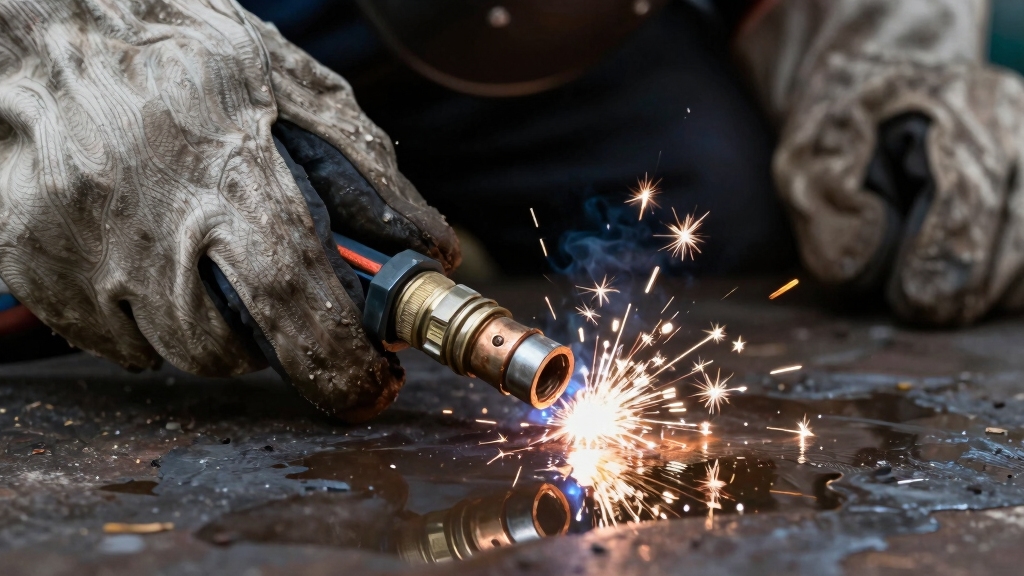
You face the highest risk of electric shock in welding primarily from direct contact with live electrical circuits, especially when your body bridges the electrode and workpiece or contacts hot internal machine parts.
Faulty insulation, damaged wiring, and bypassed safety features also contribute greatly. Wet conditions and inadequate grounding increase shock severity by lowering skin resistance.
Understanding these hazards and control measures is essential to minimizing risk and injury. Explore how environmental, equipment, and procedural factors collectively influence shock incidents.
Because welding involves direct interaction with live electrical circuits and high currents, electric shock remains one of the most critical hazards you face in the industry.
You handle equipment operating at voltages from 110 to 600 volts, where even 50 volts can cause serious injury if your skin is wet, reducing resistance.
The welding process exposes you to arc welding’s handheld tools connected to live circuits, increasing risk, especially in damp environments.
Ground faults and damaged wiring further elevate danger, potentially causing electrocution or falls from reaction.
Unlike other hazards, electric shock can incapacitate instantly, making prevention essential.
Understanding the electrical parameters and environmental factors helps you mitigate risks effectively, ensuring safe operation and reducing injury or fatality associated with welding’s inherent electrical dangers.
Additionally, if you have a pacemaker, it is crucial to understand how electromagnetic interference from arc welding can disrupt device function and increase health risks.
When you work inside a welding machine, accidental contact with its hot internal parts while simultaneously touching grounded metal can expose you to electric shock hazards.
These hot parts carry voltage ranging from 110 to 600 volts, depending on the machine type, sufficient to cause severe injury or death.
Voltage inside welding machines ranges from 110 to 600 volts, posing serious injury or fatality risks.
Your skin’s resistance drops markedly when wet, allowing dangerous current flow at voltages as low as 50 volts.
The shock may result directly from current passage or indirectly via a fall caused by muscle contraction.
Since these internal components are live during maintenance or repair, any lapse in isolation or grounding increases your risk.
Understanding the precise voltage levels and the exposure conditions is critical to implementing effective safety measures and preventing electrocution in welding environments.
Always use appropriate protective equipment such as gloves and eye protection when handling electrical components to reduce the risk of shock.
Although less obvious than direct contact with live machine parts, secondary causes of electric shock in welding arise when your body inadvertently bridges the electrical path between the electrode and the workpiece.
This typically happens when you touch both simultaneously, completing a circuit through your body. Factors such as wet gloves, damp hands, or wet clothing markedly reduce your skin’s resistance, increasing current flow and shock severity.
Standing in water or on wet surfaces further amplifies this risk by improving your grounding. Although electrocution remains rare in these cases, the frequent occurrence of shocks during stick welding underscores the danger.
Understanding these secondary pathways is vital to minimizing exposure, as accidental bridging often results from momentary lapses or environmental moisture rather than direct equipment failure.
Proper use of insulated gloves and protective gear significantly reduces the risk of electric shock by preventing direct contact and maintaining skin resistance.
When you’re handling welding equipment, it’s important to be aware of the increased risk of electric shock, especially if there are exposed live circuits. This is particularly true during arc welding processes.
Have you ever noticed how damp conditions or even wet clothing can make things even riskier? They really lower your skin resistance, which means the danger of current flowing through your body goes up significantly. Using DC power only and insulated equipment is essential to reduce the risk of electrocution in underwater welding environments.
Since welding involves handling high-voltage equipment with live electrical circuits, you face significant shock risks, especially during arc welding processes.
Direct contact with live circuits inside the machine or handheld tools can cause severe electrical injury or fatality. You must stay alert to these critical factors that increase shock exposure:
Damaged or frayed wiring that exposes live parts.
Inadequate insulation or grounding of welding equipment.
Accidental contact between electrode and grounded components.
Faulty switches or controls that fail to disconnect current.
Your risk elevates as you manipulate these energized components in real time. Understanding the exact conditions that expose live circuits helps you implement effective controls and avoid unexpected shocks.
Maintaining equipment integrity and using proper protective gear mitigates these hazards, preserving your safety in high-voltage welding environments. Using arc-rated face shields can provide additional protection against severe burns and injuries from arc explosions associated with electrical faults.
Handling live electrical circuits demands vigilance, but environmental factors like damp conditions can dramatically increase shock risk during welding.
When your skin, gloves, or clothing become wet, electrical resistance drops considerably, allowing dangerous current to flow at voltages as low as 50 volts.
Standing on wet surfaces or working in waterlogged areas bridges the electrode and ground through your body, heightening shock potential.
Additionally, moisture can compromise insulation integrity on cables and equipment, increasing fault currents and the likelihood of ground faults.
Because welding currents range from 10 to 600 amps, even brief contact under damp conditions can cause severe injury or fatality.
To mitigate these hazards, you must guarantee dry working environments, maintain equipment insulation, and use appropriate personal protective gear designed to resist moisture intrusion.
Welding in damp conditions also increases the risk of heat stress due to impaired cooling and added physical strain on the welder.
You need to understand that voltage levels between 110 and 600 volts can really impact how serious an electric shock can be. It’s especially important to keep in mind that if your skin is wet, your body’s resistance drops significantly.
Now, let’s talk about current intensity. It can range from 10 to 600 amps in welding, and this factor plays a huge role in how lethal the shock can be. Even at lower amperages, the potential for danger is still quite high.
And remember, when your skin is wet, the risk goes up even more. That moisture really lowers your resistance and allows more current to flow through your body. So, it’s crucial to stay dry when dealing with electricity!
Using proper safety gear and fire protection is essential to reduce the risk of electric shock during welding operations.
Although voltage alone doesn’t determine the severity of an electric shock, it plays a critical role in risk assessment alongside current levels.
You must recognize that higher voltage increases the likelihood of current passing through your body, especially under compromised conditions like wet skin.
Voltage in welding machines can range from 110 to 600 volts, markedly affecting shock risk.
Consider these factors:
Low voltages (around 110-120V) may be survivable on dry skin but become hazardous when wet.
High voltage levels raise the probability of dangerous shocks and fatal outcomes.
Welding equipment with trigger or foot switch controls (MIG/TIG) reduces continuous voltage exposure.
Environmental and equipment conditions can amplify voltage effects, increasing shock risk.
Understanding voltage’s impact helps you mitigate shock hazards effectively.
Maintaining proper equipment integrity and insulation is essential to prevent leakage currents that can cause fatal shocks.
Voltage sets the stage for electric shock risk, but current intensity determines the actual physiological impact on the body.
When you encounter welding currents ranging from 10 to 600 amps, even low amperage can cause lethal effects depending on the current path and duration.
The human body’s resistance varies, but as current intensity increases, muscle contractions, respiratory paralysis, and cardiac arrhythmias become more likely.
You might survive brief exposure to lower currents, yet sustained or higher currents exponentially raise fatality risk.
The severity of injury correlates directly with current magnitude, not just voltage level.
Understanding that amperage controls the shock’s physiological consequences helps you prioritize protective measures.
This is especially important since welding machines operate at varying current intensities critical to evaluating true electric shock hazards.
In addition, pregnant welders should be particularly cautious, as exposure to welding fumes and physical stressors can increase risks to fetal health, emphasizing the need for protective measures.
Since wet skin dramatically lowers the body’s electrical resistance, it markedly elevates the risk of severe electric shock when exposed to welding voltages and currents.
When your skin is wet, even voltages as low as 50 volts can cause serious injury, as current passes more easily through your body. You must understand how this interaction increases risk:
Wet gloves, hands, or garments reduce resistance, increasing current flow.
Standing in water or on damp surfaces intensifies electrical contact.
Voltage ranges from 110 to 600 volts in welding machinery; wet skin amplifies shock severity.
Direct shocks or reflexive reactions to shocks often cause falls and secondary injuries.
Proper use of personal protective equipment including gloves and boots is essential to reduce electric shock hazards in welding environments.
Working in wet conditions dramatically raises your risk of electric shock during welding by lowering the body’s electrical resistance.
Water, especially when mixed with sweat or contaminants, increases skin conductivity, allowing electrical current to pass more easily through your body.
Wet gloves, clothing, or standing in water create continuous conductive paths, significantly elevating the likelihood of current flow from the welding equipment to ground through you.
This exposure is critical since even voltages as low as 50 volts can cause serious injury when resistance drops.
Additionally, wet environments increase the chance of accidental contact with energized parts and grounded metal simultaneously, creating hazardous shock circuits.
To mitigate these risks, you must ensure dry working conditions, use insulated protective gear, and maintain equipment integrity, especially when welding in damp or rainy environments.
You really increase your risk of electric shock when you skip essential safety gear or work in wet conditions without taking the right precautions. It’s easy to overlook these things, but trust me, they’re crucial.
Mishandling equipment is another biggie, especially if the insulation is compromised or the grounding isn’t up to par. This creates dangerous electrical pathways that can lead to serious problems.
Frequently, welders underestimate the critical importance of wearing proper safety gear. This directly increases their risk of electric shock.
When you skip essential personal protective equipment (PPE), you create a direct electrical hazard. Proper gear acts as an insulating barrier, minimizing current flow through your body.
Ignoring safety gear often leads to using damaged or non-insulating gloves that fail to prevent current conduction. It also involves wearing conductive clothing that increases shock severity.
Neglecting insulated boots reduces grounding risks. Forgoing face shields or helmets exposes skin to accidental contact with live parts.
Each oversight compromises your electrical isolation, raising the likelihood of shock from live circuits or accidental bridging between electrode and workpiece.
You must adhere strictly to PPE protocols to mitigate shock hazards effectively and maintain safe welding operations.
Ignoring wet conditions markedly raises the risk of electric shock in welding environments. Water significantly lowers skin resistance, allowing dangerous current flow even at voltages as low as 50 volts.
Wet gloves, garments, and standing surfaces increase your exposure to electrical hazards by creating conductive paths. You must guarantee dry working conditions and proper insulation to minimize shock risks.
| Wet Condition Factor | Shock Risk Impact |
|---|---|
| Wet Gloves | Increases current flow |
| Damp Clothing | Lowers body resistance |
| Standing in Water | Provides ground path |
| Wet Work Surfaces | Amplifies electrical contact |
| Humid Environment | Raises equipment failure risk |
Stay vigilant. Wet conditions intensify shock probability and severity during welding operations.
When welding equipment is handled improperly, the risk of electric shock rises markedly due to common mistakes such as using damaged cables, bypassing safety switches, or neglecting proper grounding. You must recognize these errors to mitigate shock hazards effectively.
Common equipment handling mistakes include:
Using frayed or cracked welding cables that expose live wires.
Disabling or bypassing safety interlocks designed to cut power.
Failing to verify that equipment is properly grounded before use.
Performing maintenance without de-energizing and locking out power sources.
Each mistake increases exposure to live circuits, especially in environments with damp conditions or conductive surfaces.
By ensuring proper grounding and implementing lockout/tagout procedures, you markedly reduce the risk of electric shocks in welding operations.
Grounding stabilizes voltage levels and prevents unexpected voltage differences between metal parts, minimizing shock hazards. Lockout/tagout isolates energy sources during maintenance, preventing accidental energization.
Both controls address primary shock causes by controlling live circuits and equipment faults.
| Control Method | Function | Benefit |
|---|---|---|
| Grounding | Connects equipment to earth | Prevents voltage buildup |
| Lockout/Tagout | Secures power disconnection | Eliminates unexpected energy |
| Equipment Checks | Inspects wiring and connections | Detects faults early |
| Training | Educates on safety protocols | Enhances compliance |
Applying these systematically protects you from electrical hazards inherent in welding.
Although welding is essential in many industries, it presents significant electrical injury risks that you must understand to work safely.
Electrical shocks rank among the top three welding injuries, with over 4,000 non-fatal cases and more than 100 fatalities annually. Your risk increases in damp conditions or when equipment is damaged or improperly grounded.
Pay attention to these critical factors:
Understanding these stats helps you prioritize hazard awareness and risk control.
Since electric shocks pose a significant hazard in welding, you must implement strict safety measures to minimize risk.
First, always ensure proper grounding of equipment to prevent voltage differences that cause shocks.
Use insulated gloves and dry clothing to reduce conductivity, especially in damp environments.
Regularly inspect cables and welding machines for damage or wear.
Never bypass safety features like trigger or foot switches.
Maintain a dry work area and avoid standing in water.
When servicing equipment, apply lockout/tagout procedures to eliminate unexpected energy contact.
Avoid touching energized parts inside the machine unless de-energized.
Follow manufacturer guidelines strictly and use personal protective equipment consistently.
These measures reduce your exposure to both primary and secondary shock hazards inherent in welding operations.
You can suffer serious long-term health effects from electric shock as a welder, including chronic pain, nerve damage, and muscle weakness.
Repeated shocks may cause lasting cardiac arrhythmias or neurological dysfunction like memory loss and cognitive decline.
You might also experience psychological impacts such as anxiety or PTSD.
These effects result from the electrical current disrupting your nervous and muscular systems, so it’s vital to avoid shocks and use proper safety gear consistently.
You’ll face significant productivity drops from electric shocks since over 4,000 non-fatal welding injuries occur annually, causing work stoppages.
Each shock incident means downtime for treatment, investigation, and equipment checks, delaying projects.
Plus, shocked workers may suffer lingering impairments, reducing efficiency.
The risk of falls or burns further extends downtime.
Yes, you can pursue welding certifications emphasizing electrical safety, such as the Certified Welding Inspector (CWI) with electrical safety modules or specialized courses from organizations like OSHA and AWS.
These programs teach you to identify electrical hazards, implement lockout/tagout procedures, and use proper grounding techniques.
When lightning strikes, act fast: first, disconnect the power source to prevent more shocks.
Check the victim’s responsiveness and breathing. If absent, start CPR immediately.
Treat burns with cool, sterile cloths, never ice.
Keep the person lying down and still to avoid shock-induced falls.
Call emergency services right away.
Monitor critical signs until help arrives, because seconds count in welding shock emergencies.
Welding regulations vary markedly by country in electrical safety standards.
You’ll find differences in required personal protective equipment, grounding methods, and voltage limits.
Some countries enforce strict lockout/tagout procedures and detailed training mandates, while others focus on equipment certification and periodic inspections.
You must understand local codes, like OSHA in the U.S. or IEC standards internationally, to guarantee compliance and minimize electric shock risks effectively during welding operations.
Electric shocks cause nearly 20% of welding-related injuries, highlighting the critical need for vigilance. You must understand that contact with hot parts and improper grounding markedly increase your risk.
By recognizing how voltage and current influence shock severity and avoiding common mistakes, you can drastically reduce danger.
Implementing strict lockout/tagout procedures and maintaining equipment integrity aren’t just recommendations; they are essential steps to protect yourself from potentially life-threatening electrical hazards in welding.