Phone:
(701)814-6992
Physical address:
6296 Donnelly Plaza
Ratkeville, Bahamas.

Phone:
(701)814-6992
Physical address:
6296 Donnelly Plaza
Ratkeville, Bahamas.

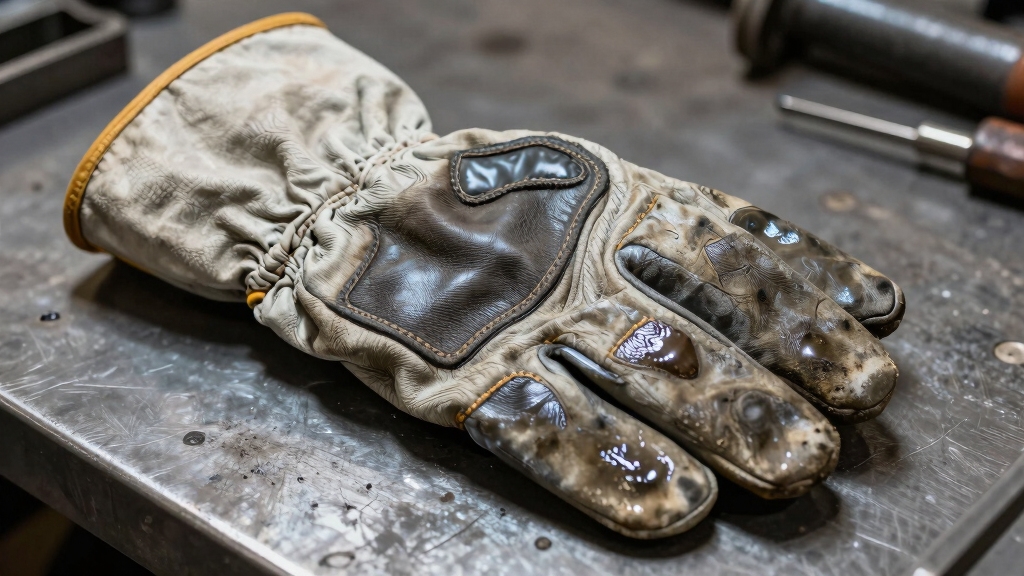
Welding gloves are made from durable leathers like cowhide, goatskin, pigskin, and elk, each chosen for features like heat resistance, dexterity, or oil protection depending on your task.
They often include specialized linings such as fleece or aluminized fabrics for insulation and moisture control.
Reinforcements use materials like Kevlar stitching to enhance heat and cut resistance.
Understanding these materials helps you find gloves that balance safety, comfort, and durability for your specific welding needs.
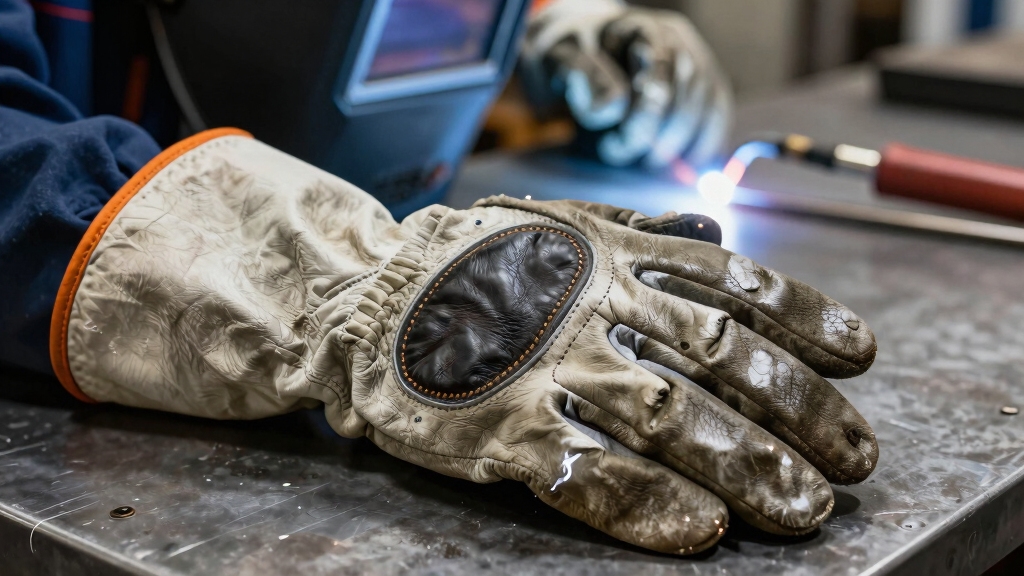
When selecting welding gloves for safety and comfort, you need to take into account the specific welding process and the materials involved. Each glove type offers distinct protective and tactile properties.
You’ll want gloves that provide sufficient heat resistance, durability, and dexterity tailored to your welding method. For example, TIG welding demands gloves with superior finger sensitivity. Lightweight materials like goatskin or pigskin work best for this application.
MIG and stick welding require more robust protection from sparks and spatter. Cowhide or elk leather reinforced with Kevlar stitching is ideal for these processes.
Consider additional features like linings for insulation or reinforcements on palms for durability. Balancing protection with flexibility guarantees you maintain control while minimizing injury risk.
Always match glove specifications precisely to your welding environment for peak safety and comfort. Checking the heat resistance levels provided by manufacturers ensures you select gloves suitable for the temperature demands of your work.
Understanding the key leather types used in welding gloves helps you select the right material for your specific needs.
Cowhide offers durability and excellent heat and flame resistance, making it ideal for high-temperature welding tasks.
Cowhide provides durability and superior heat resistance, perfect for demanding high-temperature welding jobs.
If you need lightweight gloves with superior dexterity, goatskin is the best choice, especially for TIG welding.
Deerskin provides a supple fit that molds to your hand while maintaining strong heat comfort for extended wear.
Pigskin excels in oil and weather resistance and dries quickly, suitable for varied environments.
Elk leather enhances robustness and pairs well with Kevlar stitching for added strength, particularly in MIG and stick welding.
Proper maintenance, including gentle cleaning and conditioning, is essential to preserve the protective qualities and extend the lifespan of leather gloves.
Selecting the right leather type is just one part of optimizing welding glove performance. You’ll want to match glove materials to the specific welding process for the best protection and dexterity.
TIG gloves typically use goatskin, cowhide, or pigskin to balance finger sensitivity with heat resistance. MIG gloves employ cowhide, deerskin, or goatskin, often reinforced with Kevlar stitching, to handle higher heat and spatter exposure.
For stick welding, you should choose gloves made from durable cow or elk hides, as these provide maximum toughness in confined spaces. Metalworker gloves often combine top grain leather with spandex, enhancing dexterity for precise tasks.
Multitask gloves integrate wool backs with goat leather for insulation and flexibility, making them versatile across varied welding environments.
It is important to ensure gloves provide heat, burn, and electrical shock protection to prevent injuries during welding.
Although natural leather provides essential heat resistance and durability, synthetic fibers and reinforcements play a crucial role in enhancing welding gloves’ protective capabilities.
Kevlar stitching, for example, strengthens seams with high heat, cut, and abrasion resistance. This prevents early wear in demanding environments.
Nomex adds cut protection, though it offers less heat resistance compared to leather. It’s suitable for specific applications requiring sharp-edge defense.
You’ll find spandex backs integrated to improve glove flexibility and durability, promoting hand dexterity during precision tasks.
High-performance polyethylene (HPPE) fibers deliver ultra-high cut and abrasion resistance, ideal for metal handling where puncture risks are elevated.
Additionally, aramid fibers provide lightweight puncture resistance without compromising glove weight. This ensures comfort during prolonged use.
These synthetic materials complement leather, optimizing overall glove performance.
Moreover, gloves featuring flame-retardant cotton linings help keep hands cool and dry during extended welding sessions.
Stitching and seams hold welding gloves together under extreme conditions. They directly impact durability and safety. You’ll find that Kevlar stitching is the industry standard, offering heat, cut, and abrasion resistance superior to cotton or polyester threads.
Seams must be flat or reinforced to prevent snagging and tearing, especially in high-stress areas like fingers and palms. Proper seam construction extends glove lifespan while maintaining flexibility and comfort.
| Stitching Material | Key Properties |
|---|---|
| Kevlar | Heat, cut, abrasion resistant |
| Nomex | Cut resistant, lower heat resistance |
| Cotton | Lightweight, less durable |
| Polyester | Durable, less heat resistant |
| Reinforced Seams | Prevents tearing, enhances durability |
Choosing gloves with strong, heat-resistant stitching guarantees reliable protection and longevity. Ensuring the gloves have a snug fit also contributes significantly to maintaining comfort and safety during welding tasks.
When it comes to welding gloves, you’ll often encounter linings made from materials like fleece, wool, and cotton. These aren’t just for show—they play a significant role in enhancing heat protection and absorbing moisture.
These linings provide essential insulation, which is super important for keeping your hands comfortable during medium-to-heavy heat exposure. Plus, they manage to do all this without sacrificing your dexterity, so you can work with precision.
Understanding the specific benefits of these materials can really help you choose the right gloves for your welding process and thermal needs. So, take a moment to consider what’ll work best for you!
Regular conditioning with leather conditioners can maintain the gloves’ flexibility and heat protection over time.
Choose the right lining material to enhance your welding gloves’ protection and comfort under various heat conditions.
Common linings include fleece, wool, cotton, and foam padding, each offering specific benefits.
Fleece absorbs moisture and shields against medium-to-heavy heat, making it ideal for prolonged exposure.
Wool back linings provide superior insulation, often used in multitask gloves, ensuring warmth without bulk.
Cotton linings deliver spark protection but wear down faster than leather, so they suit low-intensity tasks.
Foam padding improves heat comfort and palm durability without compromising dexterity, vital for precision work like TIG welding.
Selecting the appropriate lining balances heat resistance, moisture management, and flexibility.
This directly impacts your glove’s performance and lifespan during welding operations.
Assess your welding type and heat exposure to match the best lining for your needs.
Proper care, including regular cleaning and conditioning, helps maintain the lining’s effectiveness and the leather’s suppleness over time, ensuring long-lasting durability.
Maximizing insulation in welding gloves markedly enhances your protection against heat and improves comfort during extended use.
Linings like fleece absorb moisture while shielding against medium-to-heavy heat, preventing burns and discomfort.
Wool backs provide superior insulation, especially in multitask gloves, maintaining warmth without bulk.
Thin internal padding boosts comfort and heat resistance without compromising the dexterity needed for TIG welding.
Foam padding in palms cushions impact and improves heat comfort during repetitive motion.
Aluminized linings reflect radiant heat, ideal for high-heat applications.
Choosing gloves with proper insulation materials tailored to your welding style helps you maintain hand safety and dexterity, reducing fatigue and risk of injury.
Optimal insulation balances thermal protection, moisture management, and flexibility to support prolonged, precise welding tasks effectively.
Regular inspection and maintenance of gloves ensure their insulation properties remain effective and prevent exposure to hazards associated with damaged PPE. Personal Protective Equipment
If you’re looking to make your welding gloves last longer, reinforcement patches are definitely a game changer. They really step up the durability by protecting those high-wear areas, like the palms and cuffs, where you need it most.
And let’s talk about stitching. Durable materials, like Kevlar thread, really enhance the strength of the seams. This means they can stand up better against heat and abrasion, which is crucial when you’re working with intense conditions.
Plus, don’t overlook the protective linings! They not only add a layer of comfort but also help manage heat and moisture. This little detail can really contribute to the overall longevity of your gloves. So, when you’re choosing a pair, keep these features in mind!
Using gloves with materials that provide effective heat resistance can significantly improve protection and durability during welding tasks.
Reinforcement patches markedly extend the lifespan of welding gloves by providing targeted durability in high-stress areas such as palms and cuffs. These patches resist abrasion, heat, and spatter, reducing wear and tear during prolonged use.
When you choose gloves with reinforcement patches, you protect critical zones that experience the most friction and impact. This enhances overall glove performance and safety.
Proper protective gear, including gloves with reinforcement, complements the use of arc-rated face shields to ensure comprehensive protection against welding hazards.
| Patch Material | Key Benefit |
|---|---|
| Cowhide | Superior abrasion resistance |
| Pigskin | Oil and weather resistance |
| Kevlar | Heat and cut resistance |
| Deerskin | Flexibility and comfort |
| Aramid fibers | Lightweight puncture resistance |
Choose welding gloves with durable stitching materials to markedly enhance their lifespan and performance under demanding conditions.
Kevlar thread is the industry standard, offering exceptional heat, cut, and abrasion resistance in seams. This prevents premature fraying and failure.
Nomex stitching also provides cut protection but has lower heat resistance compared to Kevlar. For tasks requiring flexibility, aramid fibers combine lightweight puncture resistance with durability.
Durable stitching guarantees structural integrity when gloves endure repetitive stress from heat, sparks, and sharp edges. Without robust thread, even premium leather gloves risk seam failure, compromising safety.
When selecting gloves, prioritize those with reinforced Kevlar or aramid stitching to maintain seam strength and extend overall glove durability. This is especially important in high-temperature or abrasive welding environments.
This choice directly affects glove longevity and your hand protection quality.
Protective linings play a critical role in enhancing welding gloves’ durability and comfort by managing heat, moisture, and abrasion.
When you select gloves, pay attention to the lining type because it directly impacts performance and longevity.
Here are key functions of protective linings:
Understanding the distinct properties of various leathers can markedly impact both comfort and safety in welding gloves.
Cowhide offers a balance of durability, abrasion resistance, and heat protection, ideal for high-temperature welding but less flexible.
Goatskin excels in tensile strength and natural softness, providing superior dexterity and comfort, particularly for TIG welding.
Goatskin’s strength and softness deliver unmatched dexterity and comfort, ideal for precise TIG welding tasks.
Deerskin molds to your hand, enhancing touch sensitivity and extended wear comfort, though it sacrifices some toughness.
Pigskin resists oil and weather exposure, drying quickly but is thinner, reducing thermal protection.
Elk leather, often reinforced with Kevlar stitching, delivers robustness and durability for demanding MIG and stick welding.
Selecting the right leather balances protection and dexterity, ensuring you stay safe without compromising comfort during prolonged use.
You should clean welding gloves by gently brushing off debris and spot-cleaning with mild soap and water. Avoid soaking or machine washing to maintain leather integrity.
Let them air dry away from direct heat to prevent stiffness. Regularly inspect for wear, reinforcing seams with Kevlar thread if needed.
Condition leather gloves occasionally with appropriate leather conditioner to retain flexibility and durability. Proper storage in a cool, dry place prolongs their protective performance.
Yes, welding gloves can be customized for different hand sizes. Manufacturers often provide various sizes and adjustable features like neoprene wrist straps with hook-and-loop closures to guarantee a secure fit.
Some gloves use stretch materials such as spandex backs to accommodate different hand shapes. Additionally, custom tailoring is available, especially for specialized gloves, allowing you to select leather types and linings that fit your hand precisely for peak dexterity and protection.
Like a candle burning at both ends, the average lifespan of welding gloves depends on usage intensity and material quality.
Typically, well-crafted gloves last 6 to 12 months under regular welding conditions.
Heavy-duty cowhide or elk leather gloves endure longer, while lightweight goatskin gloves may wear out sooner due to dexterity demands.
Proper care and avoiding excessive heat exposure can extend their durability, ensuring reliable protection and performance throughout their service life.
Yes, you can find eco-friendly welding gloves made from sustainably sourced leather like goatskin or pigskin, which are biodegradable and renewable.
Look for gloves using natural linings such as cotton or wool and avoid synthetic materials like spandex or neoprene.
Some manufacturers also use vegetable-tanned leather, reducing chemical impact.
Choosing gloves with durable construction extends lifespan, minimizing waste while maintaining protection and performance in your welding tasks.
Oh, sure, because who wouldn’t want gloves that turn your hands into bricks after a few hours?
But seriously, welding gloves with lightweight materials like goatskin or spandex backs reduce hand fatigue by enhancing dexterity and breathability.
Plus, internal padding and ergonomic designs distribute pressure evenly, preventing strain.
When choosing welding gloves, you’ve got to strike while the iron is hot by selecting materials that balance safety and comfort.
Leather types like cowhide, goatskin, and deerskin each offer unique benefits, while synthetic fibers add durability. Pay attention to stitching, linings, and extra reinforcements to enhance protection and longevity.
By understanding these components, you’ll make certain your gloves shield you effectively without sacrificing dexterity or comfort during your welding tasks.