Phone:
(701)814-6992
Physical address:
6296 Donnelly Plaza
Ratkeville, Bahamas.

Phone:
(701)814-6992
Physical address:
6296 Donnelly Plaza
Ratkeville, Bahamas.

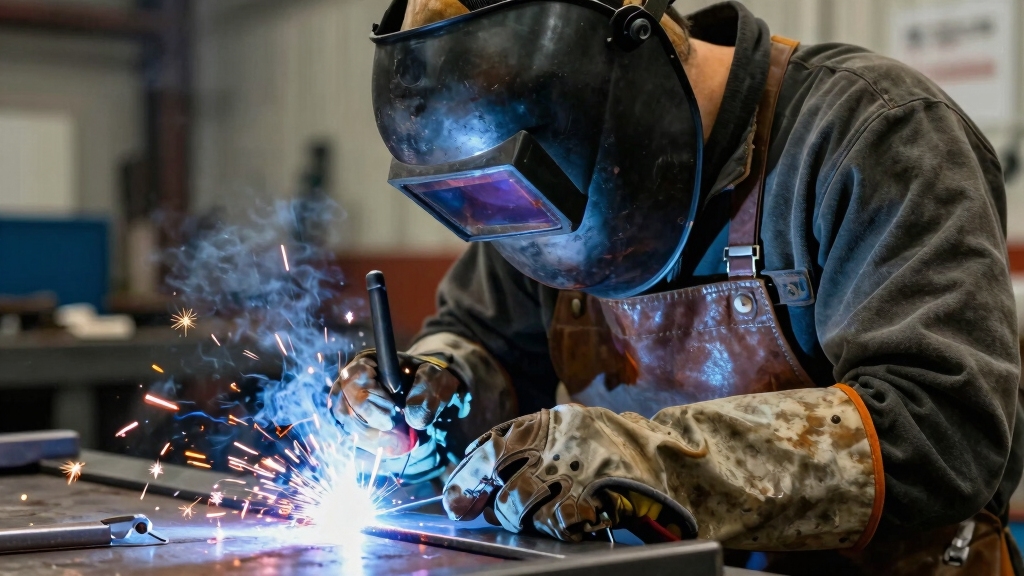
You must get proper welding training to recognize hazards like electrical shocks, burns, and toxic fumes. This cuts injury risk drastically.
Always inspect and maintain your welding equipment for damage and proper grounding.
Wear certified PPE like helmets, gloves, and flame-resistant clothing to shield your eyes, skin, and body.
Use ventilation and respirators to avoid inhaling dangerous fumes.
Follow strict electrical and fire prevention protocols. Supervisors must enforce safety rules.
Effective controls and preparation help you stay injury-free and confident on the job.
Explore these areas further to strengthen your welding safety knowledge.
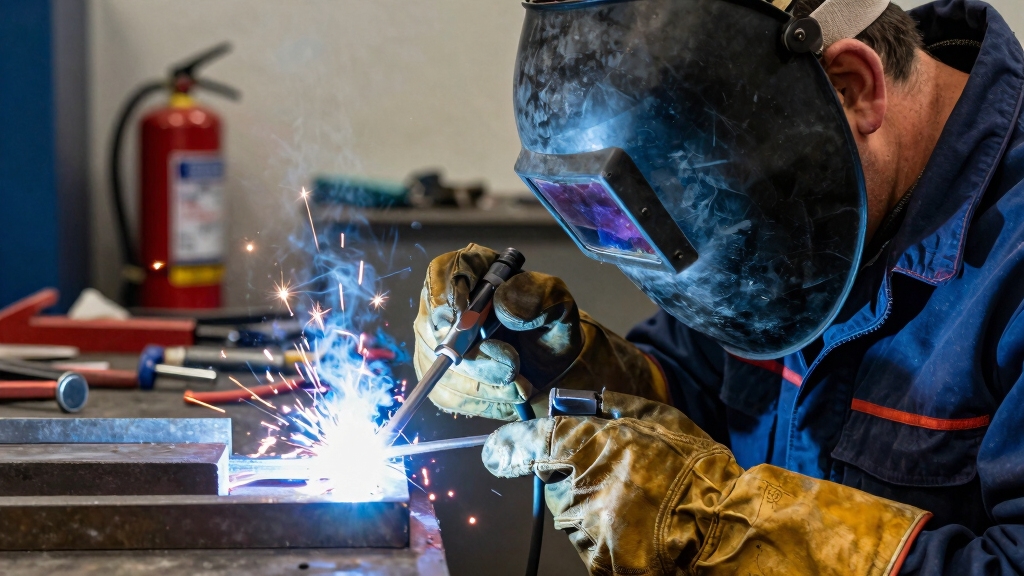
Mastering welding techniques through proper training markedly reduces your risk of occupational injuries.
When you receive formal, all-inclusive training, you learn to recognize hazards like electrical shock, burns, and toxic fume exposure before they escalate into incidents.
Proper instruction equips you with essential skills to handle equipment safely, follow established protocols, and wear appropriate personal protective equipment (PPE).
Training also sharpens your situational awareness, reducing accidents caused by poor safety practices or lapses in attention.
Without proper training, you face a 4.7 times higher injury risk. Additionally, experienced welders with thorough training show a 70% lower chance of accidents.
Following safety protocols consistently is essential to prevent accidents and injuries on the job.
Although selecting the right welding equipment is essential for effective work, maintaining it regularly is just as important to guarantee your safety and prevent accidents.
Choosing the right welding tools is vital, but routine maintenance ensures safety and prevents accidents.
You must inspect your tools before each use to identify wear or damage that could cause malfunctions. Choose equipment certified for your specific welding type and keep all connections clean and secure.
Replace worn cables and worn-out parts promptly to avoid electrical hazards. Proper storage protects your gear from moisture and contaminants that degrade performance.
Key steps to make certain safe equipment use include:
Following these practices minimizes risks and extends your equipment’s lifespan. Additionally, understanding the control circuit in inverter welding machines helps ensure stable arcs and precise heat input for safer welding operations.
When you’re welding, it’s super important to wear the right protective gear. Think flame-resistant jackets, gloves, and welding helmets. These items are your first line of defense against burns, sparks, and those nasty UV rays.
And let’s not forget about respiratory protection! It’s crucial to avoid inhaling toxic fumes and gases that are all too common in welding environments. Trust me, your lungs will thank you.
Also, make sure your PPE fits well and meets safety standards. A proper fit can really make a difference and significantly cut down your risk of injury on the job. So, gear up and stay safe out there!
Wearing heat-resistant gloves is essential to protect your hands from burns, electrical shocks, and sharp metal edges during welding.
Equip yourself with the right personal protective equipment (PPE) to markedly reduce the risk of welding injuries. Critical protective gear shields you from burns, sparks, ultraviolet light, and electrical hazards.
Prioritize these essentials every time you weld:
Wearing complete, certified PPE is your first line of defense against common and severe welding injuries. Always ensure your face shield meets ANSI Z87.1 standards for impact and UV/IR protection to maintain maximum safety.
Beyond protecting your eyes, skin, and extremities, safeguarding your respiratory system plays a vital role in welding safety. Toxic fumes like chromium and metal particulates can cause severe respiratory injuries and long-term health risks.
You must wear appropriate respiratory PPE to prevent inhalation of hazardous substances. Choose respiratory protection based on the welding environment and fume exposure levels.
Use respirators with proper filters and make certain they fit snugly to avoid leakage.
| Respiratory PPE Type | Typical Use Case |
|---|---|
| Disposable Masks | Low fume exposure, short tasks |
| Half-face Respirator | Moderate fume exposure, longer work |
| Powered Air-Purifying Respirator (PAPR) | High fume exposure, confined spaces |
Consistent use of certified respiratory protection reduces injury risk considerably. Implementing local exhaust ventilation along with respiratory PPE provides optimal control of hazardous welding fumes.
To keep yourself safe from cuts, burns, and eye damage while welding, it’s super important to wear the right protective gear. This gear is designed specifically for the hazards you might face in welding. And hey, using safe welding techniques really helps too! It can cut down on your exposure to sparks and heat, which means a lower risk of injury.
Now, let’s talk about your eyes. Protecting them should be a top priority, so make sure to invest in high-quality shields and helmets. These not only guard against harmful ultraviolet light but also shield you from any flying debris that could cause serious damage. Remember, taking these precautions can make a big difference in keeping you safe on the job! Always select the correct welding shade to reduce eye strain and prevent long-term vision damage.
Although welding poses numerous risks, wearing the proper protective gear markedly reduces your chances of sustaining cuts, burns, and eye damage. You must equip yourself with reliable, certified PPE that shields you from molten sparks, UV radiation, and sharp metal edges.
Essential protective gear includes:
Using this gear consistently minimizes injury risk and complies with OSHA standards. Neglecting proper protection drastically increases vulnerability to serious wounds, vision loss, and long-term health issues.
Prioritize quality PPE to maintain your safety on the job. Pregnant welders should take extra precautions, including respiratory protection and ventilation, to minimize exposure to harmful welding fumes that can affect fetal health.
Wearing the right protective gear gives you a strong defense. Mastering safe welding techniques further reduces your risk of cuts, burns, and eye damage.
Always maintain control of your welding tools to prevent slips that cause lacerations. Keep your workspace organized and free of debris to avoid accidental contact with sharp edges.
Use clamps and fixtures to stabilize workpieces, minimizing hand exposure to hot surfaces. Avoid touching metal immediately after welding; allow sufficient cooling time.
Position yourself to avoid sparks and molten metal spray. Never weld in awkward postures that compromise your balance or precision.
Regularly inspect your equipment for damage or wear to prevent malfunctions. These deliberate actions create a safer environment and markedly lower the chances of common welding injuries.
Ensure you use flame-resistant jackets and aprons to protect yourself from sparks and molten metal during welding operations.
Since eye injuries rank among the most common and severe hazards in welding, you must prioritize protective measures to safeguard your vision. Welding exposes you to intense ultraviolet light, sparks, and flying debris, all capable of causing “welder’s flash” or permanent damage.
To prevent eye injuries, follow these critical precautions:
Always wear properly rated welding helmets with the correct filter shade. Use safety goggles underneath helmets for added protection against dust and particles.
Inspect and maintain your eye protection equipment regularly. Avoid looking directly at the arc without protection, even briefly.
Guarantee adequate workplace lighting and keep your work area free of reflective surfaces that can intensify glare. Proper inspection and detection methods like visual inspection help identify weld defects that could pose additional safety hazards.
Toxic welding fumes can build up quickly and pose serious health risks if you don’t take proper precautions.
To protect yourself, always make sure your workspace has adequate ventilation. Use local exhaust ventilation systems or portable fume extractors directly at the source.
Ensure proper ventilation with local exhaust or portable fume extractors to safeguard your welding workspace.
Wear a properly fitted respirator rated for welding fumes, especially when working with metals like chromium that release carcinogenic particles.
Avoid inhaling fumes by positioning yourself upwind and keeping your head out of the smoke plume.
Regularly inspect and maintain your ventilation and PPE to guarantee effectiveness.
Never rely solely on general airflow. Welding fumes contain hazardous substances that require targeted controls.
Consistently following these measures will greatly reduce your exposure and prevent long-term respiratory damage.
Pre-cleaning and local exhaust ventilation are mandatory steps to control exposure when welding zinc-plated steel.
Although confined spaces present unique challenges, you can markedly reduce risks by following strict safety protocols tailored to these environments.
Welding in confined spaces demands heightened vigilance due to limited ventilation and the potential buildup of toxic gases.
Before starting, always test the atmosphere for oxygen levels and hazardous fumes. Use appropriate ventilation systems or supplied air respirators to maintain breathable air. Make sure you have a reliable communication method with a standby partner outside the space. Never enter without proper permits and rescue plans in place.
Adhering to these steps protects your health and prevents accidents.
When you handle welding equipment, preventing electrical shocks and fires demands strict adherence to safety protocols and routine equipment inspections. Always confirm your equipment is properly grounded and free of damaged cables or connectors.
Avoid welding in wet or damp conditions to reduce shock risk, and wear insulated gloves and boots designed for electrical safety. Keep flammable materials away from your workspace and maintain clear access to fire extinguishers rated for electrical and metal fires.
Regularly check for gas leaks and confirm proper ventilation to prevent ignition from accumulated fumes. Never bypass safety devices or use substandard personal protective equipment.
Following these detailed precautions minimizes hazards, protecting you and your coworkers from potentially fatal electrical shocks and fires during welding operations.
Supervisors play a critical role in enforcing welding safety by ensuring strict compliance with established protocols and standards. You must actively oversee worksite conditions, verify equipment maintenance, and confirm that welders use appropriate personal protective equipment (PPE). Your vigilance prevents injuries and enforces accountability.
Supervisors ensure welding safety through strict protocol enforcement, equipment checks, and PPE compliance to prevent injuries.
Key supervisor responsibilities include:
Conducting regular safety training refreshers and certifications.
Inspecting welding equipment for defects or wear before use.
Enforcing PPE usage, including eye protection and flame-resistant clothing.
Monitoring adherence to ventilation and fire prevention measures.
Documenting safety compliance and promptly addressing violations.
Since welders face significant exposure to toxic fumes, intense heat, and physical hazards, monitoring their health through medical surveillance is essential to prevent long-term injuries and occupational diseases.
You need to implement regular health screenings focusing on respiratory function, skin condition, and eye health to detect early signs of exposure-related damage.
Tracking exposure to carcinogenic substances like chromium and monitoring symptoms related to neurological and respiratory systems allows timely intervention.
Make certain welders undergo baseline and periodic medical evaluations, including lung function tests and vision assessments.
Document all findings meticulously to guide workplace adjustments and protective measures.
The most common causes of welding accidents are inadequate safety training, poor equipment maintenance, and failure to follow proper safety procedures.
You should never underestimate the risks posed by substandard personal protective equipment or poor ventilation, which exposes you to toxic fumes.
Additionally, workplace safety regulations often go unenforced, increasing accident likelihood.
Experience acts like a shield, cutting your welding injury risk by 70%.
When you’ve spent years mastering techniques and safety protocols, you’re less likely to fall victim to accidents.
Your seasoned judgment helps you spot hazards others might miss, and your muscle memory prevents slips.
Without this armor of experience, you’re far more vulnerable to burns, shocks, and eye injuries.
You’re most vulnerable to welding injuries if you’re a casual laborer with informal training. You face a 4.7 times higher risk than formally trained workers.
Long working hours increase your injury risk by 2.63 times. Without proper professional training and safety awareness, you’re more prone to accidents.
Experience helps; welders with more experience reduce their risk by 70%. Lack of safety knowledge and inadequate training make you especially susceptible to injuries.
Workplace ventilation plays a vital role in welding safety by reducing your exposure to toxic fumes like chromium and other hazardous airborne substances.
Proper ventilation controls prevent the buildup of dangerous gases, lowering your risk of respiratory illnesses, cancer, and chemical burns.
It also helps maintain air quality, ensuring you can work safely without inhaling harmful particles.
Without adequate ventilation, you increase your chance of serious long-term health complications.
Long working hours markedly increase your risk of welding injuries by 2.63 times.
Fatigue impairs your concentration, slows reaction times, and reduces your ability to follow safety protocols accurately.
This makes you more prone to accidents like burns, electrical shocks, and eye injuries.
To protect yourself, limit your shift length whenever possible.
Take regular breaks and stay alert to maintain safe working practices throughout your entire workday.
Welding safety isn’t just a guideline; it’s your lifeline. By mastering proper training and choosing the right equipment, you shield yourself from cuts, burns, and toxic fumes.
Remember, preventing electrical shocks and fires is non-negotiable. Supervisors and health monitoring are your safety net, catching risks before they strike.
So, weld with wisdom because every spark you control protects not just your craft but your very life. Safety isn’t optional; it’s your best weld.