Phone:
(701)814-6992
Physical address:
6296 Donnelly Plaza
Ratkeville, Bahamas.

Phone:
(701)814-6992
Physical address:
6296 Donnelly Plaza
Ratkeville, Bahamas.

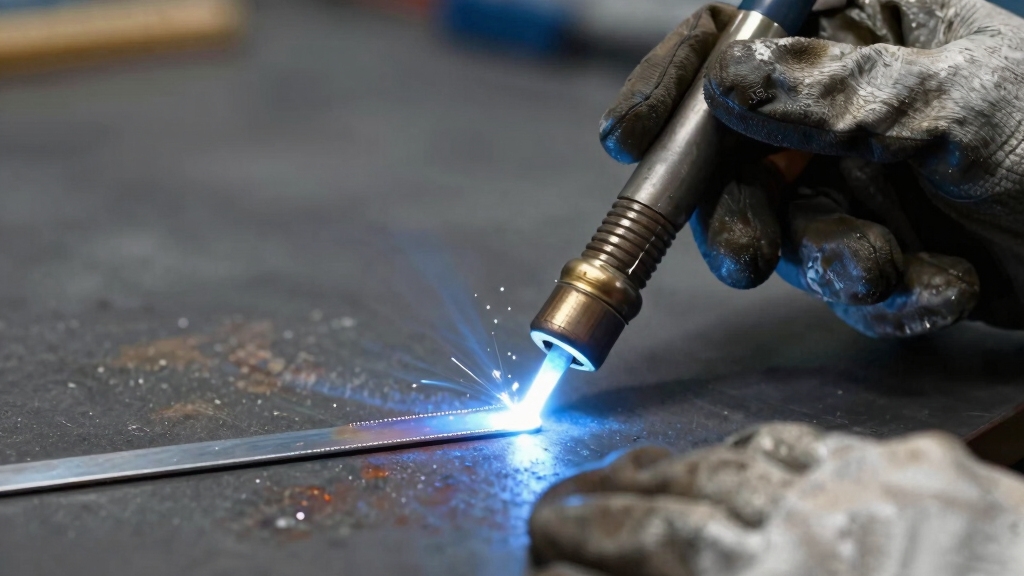
To weld thin metal without burning through, you must precisely control heat input by lowering current and wire feed speed. Match wire diameter to metal thickness and use pulse or short-circuit transfer modes.
Prepare clean, smooth surfaces and use copper backing bars or heat sinks to dissipate heat effectively. Maintain consistent, fast travel speed and short, intermittent passes to avoid localized overheating.
By mastering these techniques and settings, you’ll enhance weld quality while minimizing distortion and defects. Key aspects we’ll explore further.
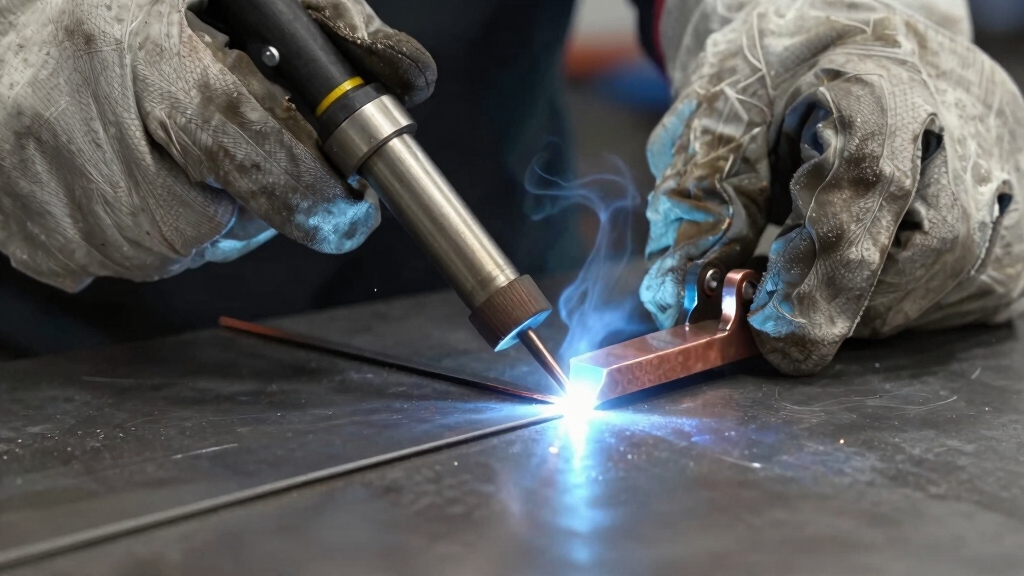
Because thin metal has less mass to absorb heat, controlling the heat input during welding is critical to prevent burn-through and distortion.
You need to reduce welding current and wire feed speed to limit heat accumulation. Maintaining a consistent gun angle, travel speed, and distance from the workpiece is essential to guarantee even heat distribution.
Using smaller electrode wires and high-frequency start methods, especially in TIG welding, helps you apply precise heat. You must keep your movement faster than when welding thicker metal to avoid overheating localized areas.
Employing backing bars or heat sinks can also absorb excess heat and stabilize the workpiece, preventing warping. Without precise heat control, you risk compromising the metal’s integrity, leading to structural weaknesses or costly rework.
Adjusting amperage carefully is vital because excessive current on thin materials risks burn-through and porosity.
Controlling heat during welding starts well before striking the arc. Preparing and cleaning thin metal surfaces materially impacts heat management and weld quality.
Effective heat control begins with thorough preparation and cleaning of thin metal surfaces before welding.
You need to remove any contaminants like oil, rust, paint, and mill scale because they interfere with arc stability and cause uneven heat distribution. Use a dedicated wire brush, acetone, or a chemical cleaner for thorough degreasing.
Even minor residues can increase resistivity, leading to localized overheating and burn-through. Make certain the surface is smooth and free of pits or cracks that could concentrate heat.
Additionally, mechanically remove burrs and sharp edges to avoid stress risers. By meticulously preparing the metal, you promote consistent weld penetration and reduce the risk of defects. This is critical when working with thin gauges where heat input tolerance is minimal.
When welding galvanized steel, it is essential to remove the zinc coating from the weld zone to prevent porosity and hazardous zinc fume formation.
When it comes to welding thin metal, choosing the right technique is key. You want something that provides precise heat input while still fusing the metal efficiently. Otherwise, you risk burn-through, which nobody wants.
Techniques like TIG and pulse welding are great because they offer superior control over the heat. With TIG, for instance, you can really dial in the heat to get just the right fusion without overdoing it. On the other hand, MIG welding can be a bit trickier. You’ll need to pay close attention to your settings to avoid overheating. Proper heat input control is essential to prevent material distortion and ensure a clean weld on thin metals.
Selecting the best welding method is essential for maintaining heat control and preventing burn-through on thin metal.
TIG welding offers superior precision, allowing you to regulate heat input carefully, which reduces distortion and burn-through risk.
MIG welding can work efficiently if you adjust parameters, lowering current and wire feed speed to match the thin gauge.
Pulse welding provides controlled bursts, limiting heat accumulation.
Spot welding excels at joining thin sheet metals with minimal heat, thereby avoiding warping.
Avoid stick welding for thin metals since its heat control is inconsistent and harder to master.
Ultimately, choose a method that balances heat input with weld quality, tailoring settings to the metal’s thickness and type.
This ensures you maintain structural integrity without overheating or penetration issues.
Pulse MIG welding is especially effective for thin metals because its precise heat control minimizes thermal distortion while maintaining weld quality.
How do you minimize the risk of burn-through when welding thin metal? Select a technique that offers precise heat input control.
TIG welding excels here, allowing you to adjust current finely and use high-frequency starts to reduce heat concentration.
MIG welding can work if you lower wire feed speed and use short-circuit transfer mode, but it demands careful parameter tuning.
Spot welding confines heat to small areas, minimizing distortion. Pulse welding delivers controlled bursts, preventing excessive heat buildup.
Beyond technique, regulate heat by matching wire diameter to metal thickness, lowering current, and maintaining consistent travel speed and angle.
Employ backing bars or heat sinks, like copper plates, to absorb excess heat. Use short, intermittent passes to allow cooling intervals, balancing heat input and dissipation precisely for optimal weld integrity.
Additionally, maintain proper argon flow rates to avoid turbulence that can affect weld quality and heat control.
When weighing the best welding technique to control heat on thin metal, you need to focus on the balance between precision and efficiency.
TIG welding excels in precision, offering fine heat control ideal for delicate work. MIG welding speeds up production but demands careful parameter adjustment to prevent burn-through.
Spot welding minimizes heat input, reducing distortion risks in sheet metals. Pulse welding combines controlled bursts of wire feed, optimizing heat management for thin gauges.
Stick welding, while possible, often lacks the finesse required and introduces more defects.
Proper wire feed speed adjustment is essential in MIG welding to avoid overheating and ensure consistent penetration.
Choose based on your priorities for heat management and weld quality.
To prevent burn-through, it’s essential to lower your heat settings. Just make sure they align with the tolerance of the thin metal you’re working with.
It’s really important to choose the right wire diameter, too. This helps control the heat input and keeps your weld quality in check.
Oh, and don’t forget about the shielding gas flow! Adjusting that can really help optimize arc stability.
Plus, it reduces the risk of defects on those delicate materials you’re handling. Just take your time and make these adjustments carefully!
Maintaining the correct stickout length is also crucial to balancing heat input and minimizing spatter when welding thin metals.
Although welding thin metal demands careful heat management, lowering your welder’s heat settings is one of the most effective ways to prevent burn-through. Reducing amperage and wire feed speed minimizes heat input, maintaining the metal’s integrity.
You should fine-tune settings based on material thickness, ensuring the weld pool remains stable without excess penetration.
Consider these key adjustments:
Decrease welding current incrementally to control heat input precisely.
Lower wire feed speed to reduce filler deposition rate.
Use pulse or short-circuit transfer modes for intermittent heat application.
Adjust voltage settings to maintain arc stability at reduced amperage.
Monitor and maintain consistent travel speed to avoid localized overheating.
Applying these controlled settings helps you achieve clean, strong welds on thin metals without compromising their structure.
Always start with the manufacturer-recommended voltage and wire feed settings and adjust incrementally for best results.
Select a wire diameter that matches the thickness of your metal to guarantee heat input and minimize burn-through risk. Using a wire too thick increases heat and filler volume, leading to burn-through. Conversely, too thin wire may cause unstable arcs and poor penetration.
For example, 0.023-inch wire suits 18-gauge steel, balancing heat and control. Adjust your welder settings accordingly; lower wire feed speed and amperage for thinner wires to maintain a stable arc without excess heat.
| Metal Thickness (Gauge) | Recommended Wire Diameter (inch) |
|---|---|
| 18 | 0.023 |
| 20 | 0.023 or smaller |
| 22 | 0.015–0.023 |
Matching wire diameter guarantees precise heat input, reducing burn-through and improving weld quality on thin metals. Additionally, selecting the appropriate transfer mode such as short circuit or pulsed MIG helps control heat input and spatter for thin metal welding.
Properly adjusting your shielding gas flow is vital for preventing burn-through when welding thin metal. Insufficient flow causes oxidation and poor weld quality, while excessive flow creates turbulence, drawing in contaminants and destabilizing the arc.
Maintain an ideal flow rate, typically between 15-20 cubic feet per hour (CFH), depending on the welding environment and joint configuration. Consider ambient conditions and gas type to fine-tune settings, ensuring consistent coverage without gas wastage.
Key adjustments include:
Set flow rate to minimize gas turbulence and protect the weld pool. Use flowmeters and regulators calibrated for precision. Adjust flow based on joint geometry and metal thickness.
Monitor for gas leaks or blockages impacting flow stability. Adapt flow settings when welding outdoors or in drafty areas. This precision control reduces heat input variability and helps prevent burn-through effectively.
Selecting the appropriate shielding gases such as argon or argon blends can significantly enhance arc stability and weld quality when working with thin metals.
Harnessing backing bars and heat sinks lets you effectively manage heat buildup when welding thin metals. By placing a copper backing bar or aluminum heat sink behind the weld area, you absorb and dissipate excess heat, reducing the risk of burn-through.
Using copper backing bars or aluminum heat sinks controls heat buildup, preventing burn-through in thin metal welding.
These materials act as thermal reservoirs, stabilizing temperature and promoting controlled cooling rates. You’ll find that a copper backing plate also provides mechanical support, minimizing distortion.
Selecting non-ferrous backing bars avoids magnetic interference and improves heat transfer efficiency. Position your heat sink closely to the weld zone to maximize conduction.
This setup lets you maintain adequate weld penetration without excessive heat input, preserving metal integrity. Using backing bars and heat sinks integrates seamlessly with low-current welding techniques, enhancing your capacity to produce clean, defect-free welds on thin gauge metals.
When welding thin metal, controlling your passes and travel speed is critical to prevent burn-through. You need to balance heat input by making short, controlled passes that allow the metal to cool between welds.
Maintaining a consistent, faster travel speed reduces the risk of overheating. Adjust your technique based on the thickness and type of metal to optimize heat distribution. Consider these key practices:
Use intermittent welding with pauses to dissipate heat effectively.
Keep weld gaps minimal, ideally under 1/8 inch, for close butting.
Build material gradually with a series of short tacks instead of continuous beads.
Prefer lap welds over butt joints for thin sheets to reduce heat concentration.
Monitor and adjust travel speed dynamically to match weld pool behavior.
These measures guarantee precise control, minimizing burn-through while achieving strong welds.
You need a welding helmet with appropriate shade to protect your eyes from intense UV radiation.
Wear flame-resistant gloves and a long-sleeve jacket to shield your skin from sparks and heat.
Use safety glasses beneath your helmet for extra eye protection.
Respiratory protection is vital, especially in confined spaces, to avoid inhaling fumes.
Don’t forget ear protection if noise levels are high.
Proper footwear with steel toes completes your essential safety gear.
Imagine a sudden gust cooling your weld pool unevenly. That’s how environmental conditions impact your thin metal welding.
Wind can disperse shielding gas, causing porosity and weak welds. High humidity risks moisture contamination, leading to weld defects.
Temperature fluctuations affect heat dissipation rates, altering penetration and distortion. To control this, you must shield your workspace from drafts.
Maintain consistent ambient conditions and monitor humidity levels to guarantee precise, defect-free welds.
Yes, you can automate welding thin metal effectively by using precise equipment like robotic TIG or pulse MIG welders that control heat input accurately.
Automated systems maintain consistent travel speed, gun angle, and wire feed, minimizing burn-through risk.
Incorporating sensors and real-time feedback helps adjust parameters instantly.
However, you’ll still need careful programming and setup to handle thin gauges and avoid defects.
This ensures repeatable, high-quality welds without manual intervention.
Spotting signs starts with scrutinizing surface scars: cracks, craters, and crumpled edges signal stress and insufficient fusion.
Porosity presents as pinpoint pits caused by trapped gas, while burn-through appears as blatant breaches in the metal.
Undercut lines along weld beads indicate excessive heat or travel speed.
You’ll notice inconsistent bead width or spatter, which suggests improper settings.
Identifying these defects lets you adjust parameters promptly to preserve weld integrity.
To repair thin metal welds without compromising strength, cut out damaged sections cleanly, avoiding additional heat distortion.
Use short, controlled tack welds around the edges, allowing cooling between passes.
Maintain consistent travel speed and low heat input to prevent burn-through.
Match wire diameter to metal thickness and clean surfaces thoroughly.
Employ backing bars or copper chill blocks to absorb excess heat and stabilize the area, ensuring the structural integrity remains intact throughout repairs.
Welding thin metal without burning through is like performing delicate surgery. You need precision, control, and the right tools.
By managing heat through proper preparation, adjusting your welder settings, and using techniques like backing bars, you’ll avoid costly mistakes.
Remember, each pass and every movement affects the final weld’s integrity. Master these elements, and you’ll consistently produce clean, strong welds. This turns a fragile challenge into a reliable, professional result.