Phone:
(701)814-6992
Physical address:
6296 Donnelly Plaza
Ratkeville, Bahamas.

Phone:
(701)814-6992
Physical address:
6296 Donnelly Plaza
Ratkeville, Bahamas.

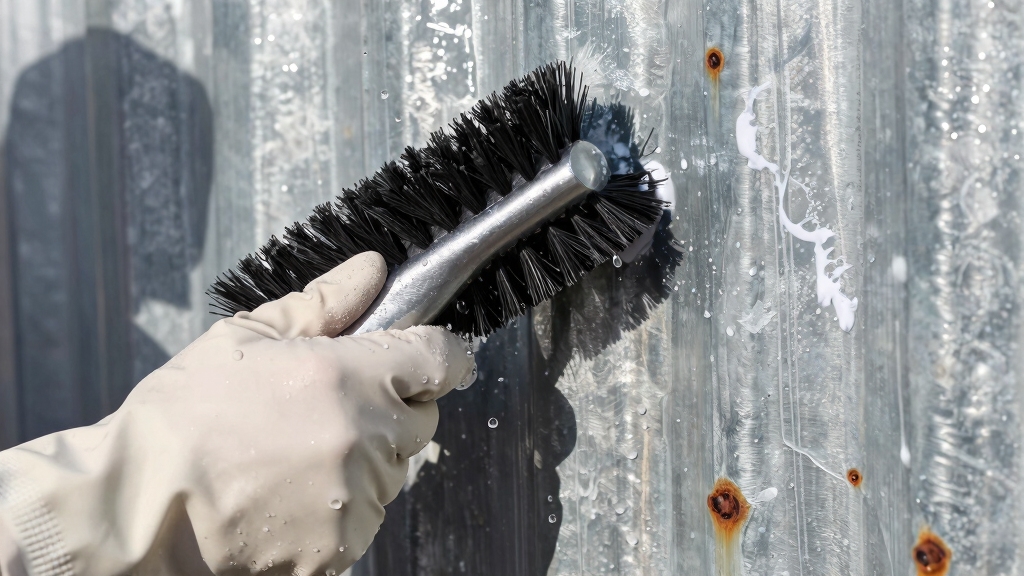
To clean galvanized metal properly, first inspect and remove loose debris with a soft brush, avoiding abrasives that harm the zinc coating.
Use a near-neutral pH cleaner, like diluted dish soap or Simple Green, and test it on a small area.
For grease, mineral spirits work well; rust stains require mild mechanical abrasion or commercial removers like Naval Jelly.
Rinse thoroughly, dry completely with a microfiber cloth, and consider protective coatings afterward.
Understanding these steps guarantees you preserve the metal’s durability and protection.
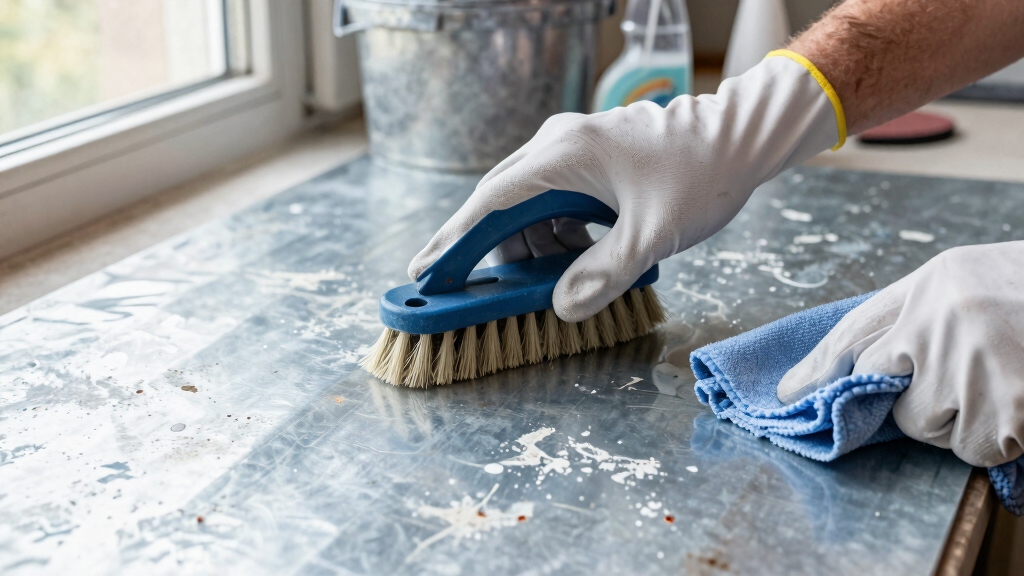
Before you begin cleaning galvanized metal, thoroughly inspect the surface to identify any dirt, debris, rust, or organic contaminants.
Begin by carefully examining galvanized metal for dirt, rust, and organic buildup before cleaning.
This initial step guarantees you tailor your cleaning approach effectively, avoiding damage to the zinc coating.
Assess the extent and type of contaminants, noting areas with rust, oil, or organic matter.
Next, gather essential tools: a soft-bristle brush, bucket with soapy water, and microfiber cloth for drying.
Avoid abrasive materials at this stage to prevent surface scratching.
Confirm the metal is dry before applying any cleaner, as moisture can dilute solutions and reduce efficacy.
Finally, test any cleaning agent on a small, inconspicuous area to detect adverse reactions.
This systematic preparation optimizes cleaning outcomes while preserving galvanized metal integrity.
Because zinc coatings can vaporize and cause health hazards when disturbed or heated, it is important to use proper ventilation when cleaning galvanized metal to avoid inhaling zinc dust or fumes.
When selecting cleaning solutions for galvanized metal, you must prioritize products that preserve the zinc coating while effectively removing contaminants.
Opt for near-neutral pH cleaners containing silicates, as they minimize zinc depletion and surface etching.
Avoid acidic or highly alkaline substances like muriatic acid, vinegar, or ammonia, which degrade the protective layer.
For organic soils, choose mild detergents or specialized cleaners such as Simple Green or stainless steel formulations, ensuring you follow manufacturer instructions.
Always test solutions on a small, inconspicuous area to confirm compatibility.
Solvent-based cleaners like mineral spirits work well for grease without harming the coating.
Mechanical cleaning with soft brushes complements chemical methods, preventing abrasion.
Proper surface preparation including removal of zinc coating around weld areas is critical to prevent defects and ensure quality when welding galvanized steel, so avoid damaging the coating during cleaning to maintain corrosion protection.
Sure! Here’s a more conversational version of the text:
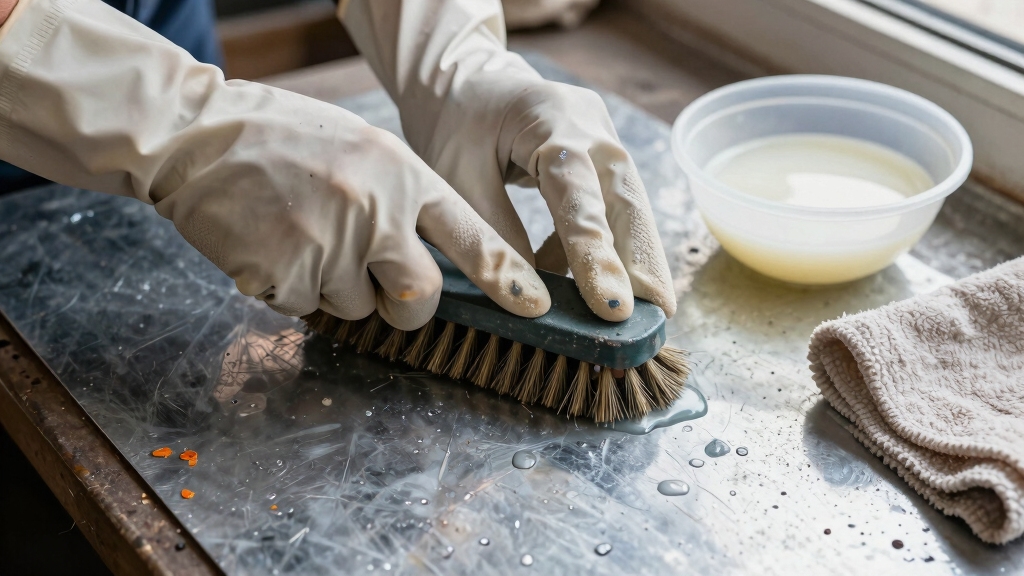
First things first, you’ll want to tackle that rust. Grab some mechanical tools like wire brushes and fine sandpaper. Just be careful not to damage the zinc coating while you’re at it!
Once you’ve taken care of the rust, it’s time to deal with those stubborn stains and wet storage marks. A good approach is to use chemical treatments like CLR or Naval Jelly. They really help break down those pesky spots.
And don’t forget the last step! Make sure to thoroughly clean and dry the surface afterward. This prep work is essential if you plan to seal or paint it later. Happy cleaning!
Proper surface preparation, including removing zinc oxides and dirt, is crucial to ensure good paint adhesion and long-lasting protection.
Address rust on galvanized metal by first eliminating dirt and debris with a thorough cleaning. Use a soft-bristle brush dipped in a soap-water mixture to scrub the surface, then rinse and dry completely.
For rust spots, apply a wire brush dipped in vinegar, scraping with controlled back-and-forth motions to dislodge oxidation without damaging the zinc coating. Follow by sanding residual rust with fine-grit sandpaper to smooth the surface.
For persistent rust, apply a commercial rust remover like Naval Jelly or CLR according to instructions, ensuring you rinse thoroughly afterward. Avoid harsh acids that compromise the galvanized layer.
Always dry the metal after treatment to prevent further corrosion. This systematic approach maintains the integrity of the galvanized coating while effectively removing rust deposits. Using a sacrificial anode like zinc in coatings can help protect steel surfaces from further rusting.
After removing rust from galvanized metal, treating stains requires targeted methods to restore surface integrity without damaging the zinc coating.
Begin by identifying the stain type. Organic contaminants respond well to cleaners like Comet or Simple Green, applied per instructions and rinsed thoroughly.
For wet storage stains or mineral deposits, use CLR or Naval Jelly Rust Dissolver cautiously, scrubbing with a nylon-bristled brush to avoid abrasion.
Avoid acidic or ammonia-based products, as they degrade the zinc layer. After treatment, rinse thoroughly and dry completely to prevent residue buildup or further oxidation.
Testing any stain remover on a small, inconspicuous area first confirms compatibility with the galvanized finish.
This precise approach maintains coating performance while effectively eliminating stains without compromising metal integrity.
Additionally, applying a protective coating after cleaning helps prevent future corrosion and extends the galvanized metal’s lifespan.
Although galvanized metal offers corrosion resistance, preparing its surface by effectively removing rust and stains is essential for maintaining durability and ensuring proper adhesion of coatings.
Start by cleaning the surface with a mild soap-water solution and a soft-bristle brush to eliminate dirt and debris. For rust, use a wire brush dipped in vinegar to scrape affected areas with controlled back-and-forth strokes, then sand residual rust with fine-grit sandpaper.
Address wet storage stains by applying rust removers like CLR or Naval Jelly, scrubbing with a nylon brush, rinsing thoroughly, and drying completely. Always test cleaners on a small area to avoid damaging the zinc coating.
Finish by drying the surface with a microfiber cloth to prevent flash rust and prepare the metal for subsequent treatments or coatings. Proper surface preparation and conversion coatings like phosphate treatments play a crucial role in optimizing adhesion and reducing future corrosion risk.
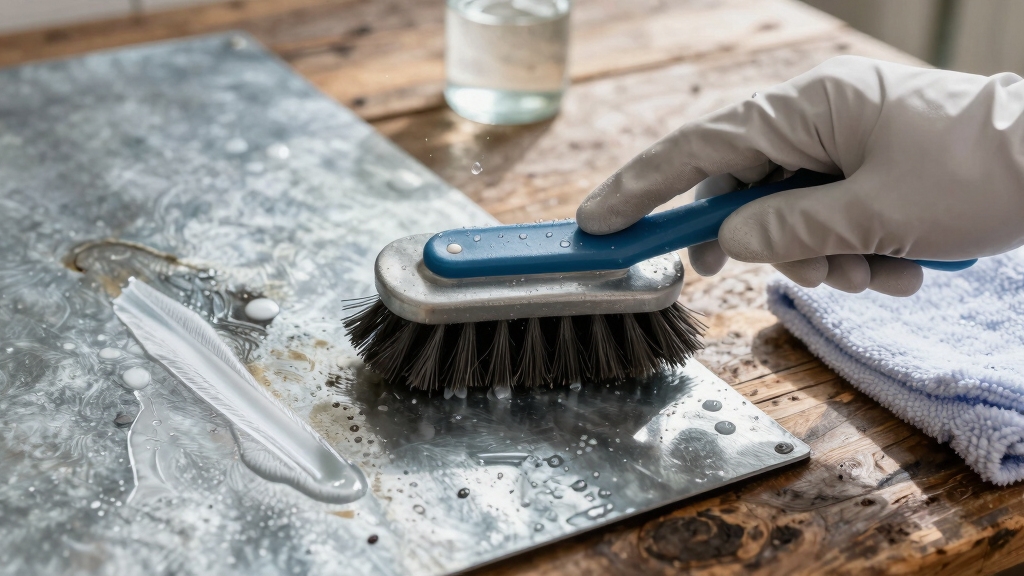
When it comes to cleaning galvanized metal, you’ll want to choose cleaners that are near-neutral, like Simple Green or a stainless steel cleaner. These options are gentle enough that they won’t harm the zinc coating.
Once you’ve picked your cleaner, follow the instructions on the label. Grab a soft-bristle brush and scrub gently—this will help you avoid any abrasion that could damage the surface.
After you’ve done the scrubbing, make sure to rinse everything off thoroughly with water. It’s important to dry the metal completely afterward to prevent any residue buildup or corrosion.
Keeping your galvanized metal clean is key to maintaining its integrity! Proper drying is crucial to prevent material deterioration and maintain the metal’s protective qualities.
Choosing the right cleaner is essential when removing organic contaminants from galvanized metal to preserve its zinc coating.
You want to avoid substances that can damage or discolor this protective layer. Instead, opt for near-neutral cleaners containing silicates, which clean effectively without stripping zinc.
Consider these guidelines:
Proper surface preparation, including mechanical abrasion and degreasing, is crucial to ensure effective cleaning and solder adhesion on galvanized steel without compromising the zinc coating.
When removing organic contaminants from galvanized metal, start by applying a suitable cleaner such as Comet, bleach, Goof Off, or Simple Green according to the product instructions.
Use a soft-bristle brush to agitate the surface gently, ensuring thorough contact with the cleaner without damaging the zinc coating.
After scrubbing, rinse the metal thoroughly with clean water to remove all residues, preventing chemical buildup that can compromise the galvanized layer.
Always test a small inconspicuous area first to verify the cleaner’s compatibility.
Avoid acidic or ammonia-based products, as they can alter the metal’s appearance.
Finally, dry the surface completely using a microfiber cloth to prevent moisture retention, which can lead to white rust or corrosion.
Following these steps maintains the integrity and longevity of your galvanized metal.
Additionally, wearing cut-resistant gloves and eye protection during cleaning helps ensure safety from sharp edges and chemical exposure.
Properly drying galvanized metal immediately after cleaning is essential to prevent moisture-related damage such as white rust formation.
You need to remove all residual water to maintain the zinc protective layer’s integrity. Follow these steps:
For enhanced protection, applying an appropriate pretreatment after drying can preserve corrosion resistance and prepare the surface for any further coating.
Maintaining galvanized metal requires consistent care to preserve its corrosion-resistant zinc coating and prolong its lifespan.
You should regularly clean the surface using a soft-bristle brush and mild detergent to remove dirt and contaminants. After thorough drying, inspect for white rust or film and buff it away with circular motions.
To seal, apply two coats of a water-based polyurethane in satin finish or its spray equivalent, ensuring the surface is dry and free of residues. Avoid acidic or abrasive cleaners that degrade the zinc layer.
Always test sealants on a small area to verify adhesion without damaging the metal. Proper maintenance and sealing prevent oxidation and wet storage stains, extending the protective integrity and aesthetic quality of galvanized metal over time.
Yes, you can clean galvanized metal with a pressure washer, but you need to be cautious.
Use a low-pressure setting to avoid damaging the zinc coating. High pressure could strip or pit the surface, compromising corrosion resistance.
Maintain a safe distance and avoid focusing the spray on one spot for too long.
After pressure washing, dry the metal thoroughly to prevent water spots or rust formation on exposed areas.
You shouldn’t use bleach regularly on galvanized surfaces because it can damage the zinc coating over time.
While occasional cleaning with bleach-based products may remove organic contaminants, frequent exposure risks corrosion and dulls the protective layer.
Instead, opt for near-neutral cleaners with silicates, and always test on a small area first.
Rinse thoroughly and dry completely to preserve the metal’s integrity and appearance.
You should clean galvanized metal at least twice a year to maintain its protective zinc coating and appearance.
However, if it’s exposed to harsh environments like coastal areas or industrial pollution, increase cleaning frequency to quarterly.
Regular cleaning prevents dirt, organic contaminants, and rust buildup, ensuring longevity.
Always inspect surfaces periodically and clean immediately if you notice stains or corrosion signs.
Use near-neutral cleaners to avoid damaging the coating.
You can’t paint galvanized metal effectively without cleaning first; any dirt, oil, or oxidation will prevent proper adhesion.
Coincidentally, skipping cleaning leads to peeling or flaking paint, wasting time and materials.
Start by removing contaminants with a mild detergent and rinse thoroughly.
Then, lightly scuff the surface to promote paint bonding.
Only after these steps should you apply primer and paint for a durable, professional finish.
You’ll notice galvanized metal needs cleaning when you see white rust or powdery film forming on the surface.
Stains, dirt buildup, or organic contaminants like mold and algae also signal cleaning is necessary.
Additionally, visible rust spots, paint peeling, or dullness indicate degradation.
If the metal feels greasy or has stubborn residues, it’s time to clean.
Regular inspection helps you catch these signs early and maintain protective zinc coating integrity.
Cleaning galvanized metal requires careful preparation, appropriate cleaning solutions, and targeted stain removal to preserve its protective zinc coating.
By treating rust and organic contaminants methodically, you prevent damage and extend the metal’s lifespan.
Drying and sealing the surface acts like a shield, maintaining durability against environmental factors.
Consistent maintenance guarantees your galvanized metal remains structurally sound and visually intact, much like a well-tuned machine operating at peak efficiency.