Phone:
(701)814-6992
Physical address:
6296 Donnelly Plaza
Ratkeville, Bahamas.

Phone:
(701)814-6992
Physical address:
6296 Donnelly Plaza
Ratkeville, Bahamas.

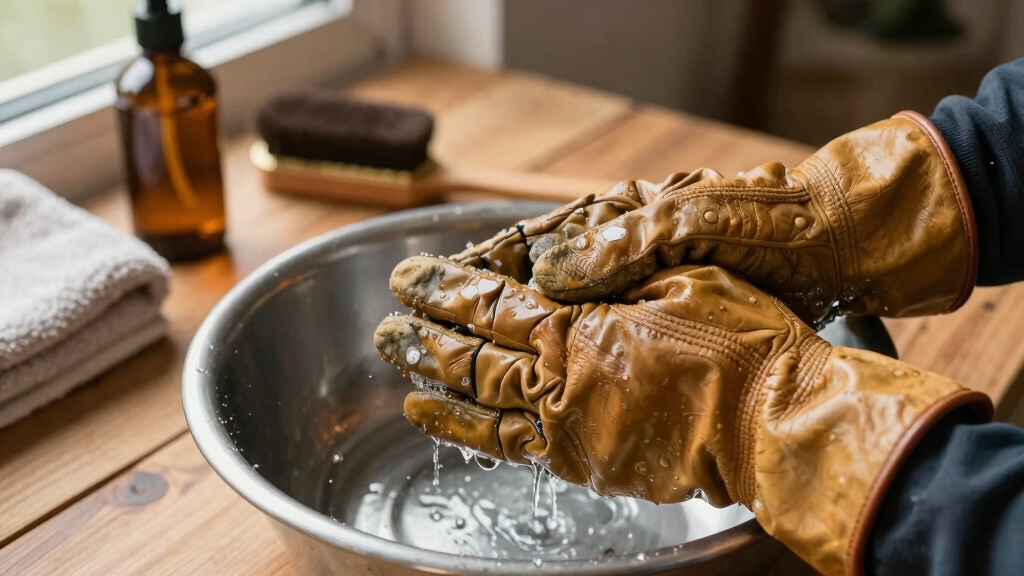
To soften leather gloves, start by cleaning them gently with a dry or slightly damp cloth to remove dirt without saturating the leather.
Next, apply small amounts of natural oils like jojoba or coconut using circular motions on stiff areas, letting it absorb overnight.
You can also warm the gloves lightly with a hairdryer on low before conditioning to improve penetration.
Regularly flex and wear the gloves during light activities to break in the leather naturally. Explore these methods further for complete care strategies.
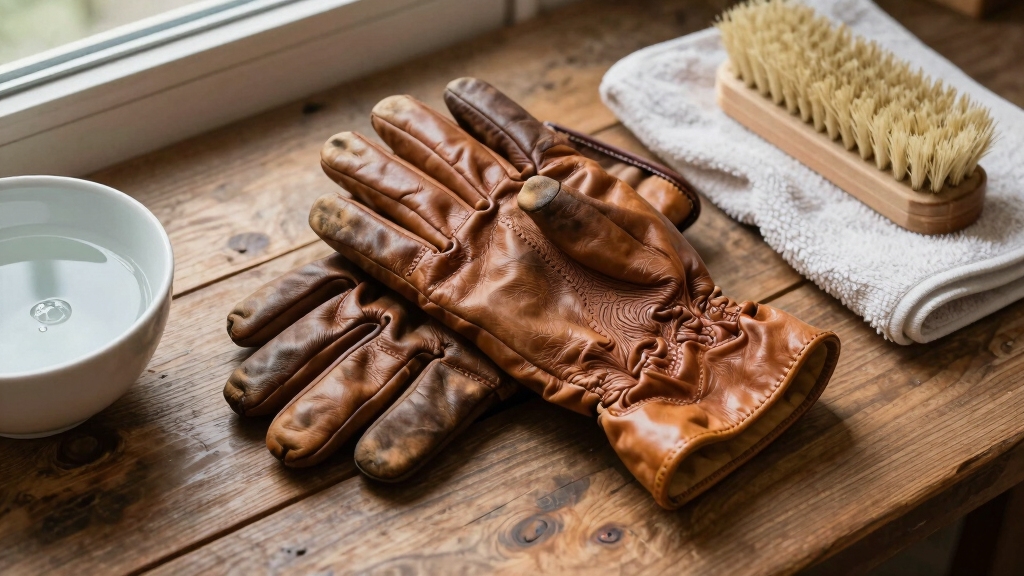
Before you begin softening your leather gloves, you need to thoroughly clean them to remove dirt and oils that could interfere with treatment absorption.
Start by wiping the surface with a soft, dry cloth to eliminate loose debris. For embedded grime, use a damp cloth lightly moistened with distilled water; avoid saturating the leather.
Gently rub in circular motions, focusing on seams and creases where dirt accumulates. Allow gloves to air dry naturally in a shaded, ventilated area.
Never use direct heat or sunlight, as this can cause drying and cracking. If necessary, employ a mild leather cleaner or a vinegar-water solution sparingly, ensuring you test on an inconspicuous area first.
Proper cleaning guarantees that subsequent softening agents penetrate uniformly, optimizing the leather’s flexibility and longevity. Additionally, thorough cleaning prepares the gloves for better absorption of conditioning agents, enhancing the effectiveness of the softening process.
Apply natural oils like coconut, olive, jojoba, or mink oil to effectively soften leather gloves by moisturizing and relaxing the leather fibers.
First, make sure your gloves are clean using a soft cloth to remove dirt.
Then, apply a small amount of oil, either at room temperature or slightly warmed, using circular motions to promote even absorption.
Focus on areas that feel stiff or cracked.
After application, let the gloves rest overnight to allow the oils to penetrate deeply, which improves pliability and durability.
The next day, gently wipe off any excess oil with a clean cloth to avoid a greasy finish.
This method replenishes natural oils lost over time, preserving the leather’s integrity while enhancing softness without compromising breathability or causing damage.
For best results, ensure the gloves are properly dried after cleaning before applying any oils.
While natural oils effectively replenish and soften leather fibers, combining their use with controlled heat can markedly improve absorption and flexibility.
When you warm the gloves gently, the leather fibers expand, allowing oils or conditioners to penetrate deeper. Use a hairdryer on low heat, moving it continuously to avoid overheating, which can cause brittleness or damage.
To enhance softening, follow these steps:
Warm gloves evenly with low heat for a few minutes.
Apply oil or conditioner immediately while leather remains warm.
Let gloves cool naturally to lock in moisture and flexibility.
Avoid concentrated heat or prolonged exposure to prevent drying out the leather.
This method increases the efficacy of treatments, ensuring your gloves become supple and durable without compromising their integrity. Proper glove care and maintenance are essential for prolonging glove durability and maintaining protection during welding activities.
Hey there! If you’re looking to soften your leather gloves, I’ve got a few tips for you.
One great method is to introduce a little moisture. You can do this by lightly misting them or even dipping them briefly in lukewarm water. Just be careful not to over-soak them!
Once you’ve added that moisture, the best thing to do is to wear the damp gloves until they’re completely dry. This way, the leather will mold perfectly to the shape of your hands.
And don’t forget! After you’ve treated your gloves with moisture, it’s super important to follow up with a good conditioning. This will help prevent any stiffness or shrinkage, keeping your gloves in great shape for a long time. Happy softening!
For better results, you can also apply gentle heat evenly to the gloves to aid in the softening and molding process, but be sure to avoid overheating. This technique is often used when shrinking leather gloves.
Frequently, softening leather gloves through a light mist method involves evenly spraying a fine layer of water onto the surface to gently introduce moisture without saturating the material.
This controlled hydration relaxes leather fibers, increasing pliability without risking stiffness or shrinkage. You’ll want to use a spray bottle for precision and avoid direct heat during drying to maintain integrity.
Follow these key steps:
Spray a uniform, light mist ensuring no pooling or drips form. Air dry gloves naturally in a ventilated, shaded area.
Repeat misting sparingly if gloves remain stiff but never oversaturate. After drying, apply a leather conditioner to lock in moisture and preserve softness.
This method offers subtle, gradual softening suitable for delicate or vintage gloves, minimizing damage while improving flexibility.
Building on the light mist approach, soaking leather gloves briefly in lukewarm water allows deeper fiber hydration, promoting enhanced softness and flexibility.
Submerge them for 2–3 minutes, avoiding over-soaking to prevent damage. Afterwards, gently squeeze out excess water without wringing.
Air dry gloves away from heat sources to avoid shrinkage or stiffness. Conditioning post-drying seals moisture, maintaining suppleness.
| Step | Detail |
|---|---|
| Water Temperature | Lukewarm (approx. 30–35°C / 86–95°F) |
| Soak Duration | 2–3 minutes |
| Drying Method | Air dry in shaded, ventilated area |
| Post-Soak Care | Apply leather conditioner after drying |
This method guarantees peak fiber hydration while minimizing risk of leather damage.
When wearing damp leather gloves, the moisture helps the material conform precisely to your hand’s shape, accelerating the softening process. This method leverages controlled hydration to loosen leather fibers without compromising integrity.
To optimize results, you should:
Lightly mist gloves with water, avoiding saturation to prevent swelling.
Wear gloves while damp to mold them naturally to your hand’s contours.
Allow gloves to air dry away from direct heat sources to prevent stiffness.
Apply a leather conditioner post-drying to restore moisture balance and flexibility.
Using gloves with proper heat-resistant stitching can further enhance durability during the softening process.
Want to soften your leather gloves? It’s easier than you might think! One of the best ways to do this is by bending and flexing the leather fibers regularly. This really helps enhance their pliability.
Another handy tip is to gently tap any stiff areas with a soft mallet. It’s a great way to break down that rigidity without worrying about damaging the material. Just a little love goes a long way!
And hey, if you wear the gloves while doing some manual activities, you’re in for a treat! This not only speeds up the natural break-in process but also helps mold the leather to your hand’s shape. So, get out there and break them in!
For the best results, ensure the gloves are made from flexible leather types like kidskin or goatskin to maximize softness and comfort during use.
Regularly bending and flexing your leather gloves works effectively to loosen the fibers and break in the material for enhanced softness and flexibility.
This mechanical action stimulates the leather’s natural pliability, preventing stiffness and promoting a custom fit. To optimize results, incorporate these techniques:
Repeatedly open and close the gloves, focusing on finger joints and palm areas.
Wear gloves during light activities such as gardening or handling tools to encourage natural molding.
While wearing, gently buff with a microfiber towel to evenly distribute any applied conditioners.
Avoid sudden, forceful bends that could stress seams or cause cracking.
Consistent practice of these flexing methods accelerates the softening process, ensuring your gloves conform comfortably to your hands without compromising structural integrity.
Tapping into the leather’s structure with a soft mallet or similar tool helps break down stiffness in targeted areas without causing damage.
You should use light, controlled taps to avoid creating indentations or weakening the leather.
Focus on areas that feel particularly rigid, applying consistent pressure to encourage fiber relaxation.
This mechanical agitation loosens the tightly packed collagen fibers, increasing flexibility.
Use a mallet made of rubber, rawhide, or wood with a padded surface to prevent surface marks.
Work systematically across the glove, ensuring even softening.
After tapping, inspect the leather for any signs of stress.
Combining this method with conditioning treatments enhances results, but tapping alone effectively accelerates the leather’s natural pliability by physically manipulating its internal structure.
For best results, ensure proper mechanical agitation techniques to avoid damaging the leather while increasing flexibility.
Frequently worn gloves naturally soften as their fibers flex and adapt to your hand’s movements during activities like gardening or manual labor.
This mechanical softening process breaks in the leather, enhancing flexibility and comfort without compromising durability.
To optimize this natural method, you should:
Wear gloves during varied manual tasks to promote even fiber loosening.
Combine wearing with gentle bending and flexing to accelerate softening.
Buff gloves with conditioner or oil while wearing to improve pliability.
Avoid excessive strain or sharp bending to prevent leather fatigue or tears.
This approach leverages the leather’s inherent responsiveness to movement, ensuring a personalized fit.
Regular use during practical activities remains one of the most effective and least invasive methods to soften leather gloves mechanically.
Ensuring the gloves are the right glove size will also help maintain comfort while softening them during use.
You should soften your leather gloves every 3 to 6 months, depending on usage and exposure to elements.
Regular conditioning maintains flexibility and prevents drying or cracking.
If you wear them frequently or in harsh conditions, consider softening them more often, perhaps every 2 to 3 months.
Always clean gloves before treatment, apply oils or conditioners evenly, and allow proper absorption to keep the leather supple and durable over time.
Yes, you can soften waterproofed leather gloves, but it takes patience.
Imagine the waterproof layer as a shield slowing oil absorption; you’ll need to apply natural oils or conditioners more frequently and gently.
Warm the gloves slightly with low heat to open pores without damaging the waterproofing.
Then, massage in small amounts of conditioner, allowing prolonged absorption.
Avoid harsh chemicals that strip waterproofing; maintain balance between softness and protection carefully.
You shouldn’t use leather gloves immediately after softening because oils and conditioners need time to fully absorb and dry.
Wearing them too soon can transfer residue to your hands or cause uneven softening. Allow gloves to air dry in a shaded, ventilated area for several hours or overnight.
This guarantees the leather fibers properly absorb treatment and regain flexibility without compromising durability or causing greasiness.
Don’t stash softened leather gloves in damp, dark corners where mold and mildew thrive, nor crumple them in tight spaces that crush their shape.
Instead, store gloves flat or gently stuffed with acid-free tissue in a breathable cloth bag.
Avoid direct sunlight, radiators, or plastic containers that trap moisture and cause drying or cracking.
Proper storage preserves softness, flexibility, and longevity by maintaining ideal humidity and airflow around the leather fibers.
You generally can’t soften synthetic gloves using leather-specific methods like oils or conditioners because synthetic materials don’t absorb moisture or oils like leather does.
Applying oils or heat might damage or degrade synthetic fibers instead.
Instead, focus on cleaning with mild soap and water and avoid high heat.
If your synthetic gloves feel stiff, check the manufacturer’s care instructions for recommended softening or conditioning products designed specifically for synthetics.
Now that you’ve mastered these precise methods, your leather gloves will feel softer than a cloud made of silk.
Remember, preparing and cleaning your gloves thoroughly guarantees peak absorption of oils or moisture.
Combining natural oils, controlled heat, and mechanical manipulation delivers the best results without damaging the leather’s integrity.
With careful application, you’ll extend the lifespan and comfort of your gloves, making them perform like new for countless uses ahead.