Phone:
(701)814-6992
Physical address:
6296 Donnelly Plaza
Ratkeville, Bahamas.

Phone:
(701)814-6992
Physical address:
6296 Donnelly Plaza
Ratkeville, Bahamas.

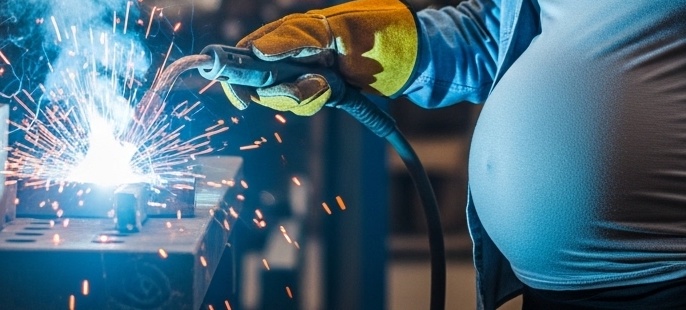
You shouldn’t weld while pregnant because welding fumes contain harmful metals like nickel, chromium, manganese, and iron. These can damage the placenta and increase risks of low birth weight, preterm birth, and fetal growth issues.
The physical demands of welding, such as heavy lifting, vibration, heat, and noise, also elevate pregnancy risks. To protect yourself and your baby, it’s important to avoid exposure to fumes and strenuous tasks.
Understanding the specific hazards and safety measures can better guide your decisions.
Although welding is a skilled trade, it carries specific pregnancy-related risks that you should be aware of.
Exposure to welding fumes containing metals like nickel, chromium, manganese, and aluminum can harm placental cells, causing inflammation and reduced function.
Welding fumes with metals like nickel and chromium may damage placental cells, leading to inflammation and impaired function.
High levels of iron particles or welding fumes increase the risk of low birth weight and preterm birth.
Research also links combined exposure to welding fumes and metal dust with a threefold rise in delivering small-for-gestational-age infants.
These findings suggest you should avoid intense exposure to welding fumes during pregnancy to protect fetal development.
Workplace adaptations and protective measures are essential if you continue welding while pregnant.
Always consult occupational health professionals to assess and minimize risks specific to your environment and exposure level.
Because welding galvanized steel releases zinc oxide fumes that can cause respiratory irritation and other acute effects, controlling fume exposure is critical for pregnant welders.
When you weld during pregnancy, you may face complications such as fetal loss, low birth weight, and preterm birth due to exposure to welding fumes and physical workplace hazards.
Welding fumes containing metals like nickel, chromium, and manganese can damage placental cells, impairing their function and increasing fetotoxic risks.
Ergonomic factors, including handling heavy loads, whole-body vibration, and exposure to intense noise and heat, also elevate the risk of adverse outcomes.
Research shows that these physical demands may contribute more significantly to pregnancy complications than fumes alone.
Exposure to combined welding fumes and metal dust notably raises the chance of delivering small-for-gestational-age infants.
Given these risks, it’s essential to minimize exposure and implement workplace adaptations to protect both your health and your baby’s development during pregnancy.
Underwater welders also face long-term neurological issues due to cumulative exposures, which could further complicate pregnancy outcomes if not properly managed.
Hey there! Did you know that being around welding fumes while pregnant can really put your baby at risk? It’s true! Exposure to those fumes can lead to low birth weight and even preterm birth. That’s because toxic metals in the fumes can mess with how the fetus develops.
On top of that, these fumes can actually harm the cells in the placenta. When that happens, it can interfere with how well the placenta functions, which might lead to complications for your little one.
Proper respiratory protection and ventilation are essential to reduce these health risks during welding.
Understanding the risks from welding fume exposure during pregnancy is critical for protecting both maternal and fetal health.
Welding fumes contain metals like nickel, chromium, manganese, and aluminum, which can be toxic to placental cells. This exposure can cause inflammation and reduce placental function.
As a result, there’s an increased risk of low birth weight and preterm birth. You should be aware that:
Taking precautions in the workplace is crucial to minimize these risks during pregnancy. Proper use of respiratory protection and engineered controls like local exhaust ventilation is essential to reduce hazardous fume inhalation and protect maternal and fetal health.
Although welding fumes are a necessary byproduct of the trade, their impact on fetal development poses significant concerns.
When you’re exposed to fumes containing metals like nickel, chromium, manganese, or aluminum during pregnancy, you face increased risks of low birth weight and preterm birth.
Studies show these fumes can damage placental cells, causing inflammation and reduced function, which compromises fetal growth.
Research also links combined exposure to welding fumes and metal dust with a threefold increase in small-for-gestational-age infants.
High exposure to iron particles presents additional risks. You should understand that these toxic effects may lead to complications such as fetal loss or developmental impairments.
Given these findings, cautious consideration of exposure levels is critical for protecting your baby’s health during pregnancy.
Wearing properly fitted gloves made from materials with high heat resistance can help reduce skin exposure to hazardous welding fumes and particles.
Implementing protective workplace measures plays a vital role in minimizing the risks welding fumes pose to pregnant workers and their babies.
To protect yourself effectively, focus on these key actions:
Additionally, maintaining strict procedure controls and clean surfaces helps prevent the formation of hazardous weld defects that could worsen fume exposure risks.
It’s important to be aware that some metals found in welding fumes can be quite risky during pregnancy. For example, metals like nickel, chromium, manganese, and aluminum can have serious effects. They may harm the placenta, which is crucial for the baby’s development.
When these metals damage the placental cells, it can lead to complications. If you’re exposed to multiple metal components at once, the chances of facing problems like low birth weight or growth restrictions can increase significantly.
So, if you’re a welder or around welding fumes, it’s essential to take precautions to protect both yourself and your baby. Additionally, welding with gases that increase oxidation, such as CO2-rich mixtures, can elevate the release of harmful metal fumes, further increasing risk during pregnancy.
When you consider the metals involved in welding, some pose greater risks during pregnancy than others.
Exposure to certain metals in welding fumes has been linked to adverse pregnancy outcomes such as low birth weight and preterm birth.
You should be particularly cautious around these metals:
Because these metals can cause cellular damage and inflammation, minimizing your exposure during pregnancy is critical to protect fetal development and reduce potential complications. Proper ventilation and local exhaust ventilation are essential safety measures to reduce harmful fume exposure during welding.
Understanding which metals in welding fumes carry the highest fetotoxic risks helps clarify how these exposures affect pregnancy outcomes.
Metals such as nickel, chromium, manganese, and aluminum present in welding fumes have been linked to increased risks of low birth weight and preterm birth.
You should be especially cautious with exposure to iron particles, as studies show they markedly contribute to adverse fetal effects.
These metals can induce placental toxicity, causing inflammation and impaired function, which may compromise fetal development. Given this evidence, you should avoid high-level exposure to these specific metals during pregnancy.
While not all metals pose equal risk, prioritizing protective measures against these fetotoxic components is essential to reduce potential harm to both you and your developing baby.
It is also critical to maintain proper ventilation and fume extraction when welding to minimize inhalation of harmful metal fumes.
Although individual metals like nickel, chromium, manganese, and aluminum each pose significant risks during pregnancy, combined exposure to multiple welding metals can amplify adverse effects on fetal development.
You should be aware that these combined exposures can increase the risk of low birth weight, preterm birth, and placental toxicity. Specifically, research reveals:
Given these risks, it’s vital that you avoid combined metal exposures during pregnancy and implement protective workplace measures to safeguard maternal and fetal health.
Furthermore, understanding the corrosion risks associated with metal combinations like stainless steel and aluminum is essential to minimize additional chemical exposures during welding activities.
Because welding involves significant physical exertion, pregnant workers face unique ergonomic challenges that can affect pregnancy outcomes.
You may experience increased risks from manipulating heavy loads, whole-body vibration, and prolonged exposure to heat and noise.
These physical demands can contribute to fetal loss, preterm birth, and low birth weight more than welding fumes alone. It’s essential you monitor work intensity and take frequent breaks to reduce strain.
Ergonomic interventions, such as workload adjustments and supportive equipment, can help mitigate risks.
Canadian studies highlight that the perceived intensity of physical stressors correlates strongly with adverse pregnancy effects.
Consequently, you should prioritize workplace modifications and communicate concerns with supervisors to ensure your safety and that of your developing baby during welding tasks.
While research on paternal welding exposure and pregnancy outcomes remains limited, some evidence suggests that fathers exposed to stainless steel welding may slightly increase the risk of miscarriage in their partners.
If you’re concerned about paternal exposure, consider these points:
You should be aware that ongoing research is needed to clarify these risks fully.
If you or your partner welds, discussing workplace exposures with a healthcare professional can help manage potential reproductive health concerns responsibly.
Understanding potential risks related to paternal welding exposure highlights the importance of addressing safety for pregnant welders themselves.
You should minimize exposure to welding fumes, especially those containing nickel, chromium, manganese, and aluminum, as these metals pose fetotoxic risks.
Avoid high levels of iron particles and guarantee adequate ventilation to reduce inhalation hazards.
Limit physical strain by avoiding heavy lifting, prolonged vibration, and excessive heat exposure, which increase risks of adverse pregnancy outcomes.
Use appropriate personal protective equipment (PPE) and take frequent breaks to reduce ergonomic stress. Regular medical monitoring is advisable to detect any early pregnancy complications.
To protect pregnant welders effectively, workplaces must implement targeted safety protocols that address both chemical exposures and physical demands.
Workplace safety protocols must protect pregnant welders from chemical and physical risks to safeguard fetal health.
You should make certain these protocols minimize fetal risks linked to welding fumes and ergonomic hazards. Key measures include:
When it comes to welding or fume exposure during pregnancy, it’s really important to be cautious, especially during those early weeks. This is a time when fetal development is particularly vulnerable, so avoiding exposure is key.
Also, don’t forget about the physical demands of the job. Heavy lifting and vibrations can pose risks, too. It’s worth taking the time to think about how you can minimize these risks.
Making some protective adjustments in the workplace can go a long way in keeping both you and your baby safe throughout your pregnancy. Remember, it’s all about prioritizing health and safety during this crucial time!
Since fetal development undergoes critical stages throughout pregnancy, pregnant women should avoid welding and exposure to welding fumes, especially during the first trimester and late third trimester.
During these times, the risks of miscarriage, low birth weight, and preterm birth are heightened.
Exposure to toxic metals and particles in welding fumes can cause placental damage and inflammation, increasing fetal harm.
You should be particularly cautious at these times:
Avoiding welding during these phases is critical to protect fetal health and pregnancy outcomes.
Although welding fumes pose significant risks, the physical demands of welding can be equally or more harmful during pregnancy.
You should be cautious about heavy lifting, prolonged standing, exposure to whole-body vibration, intense heat, and loud noise.
These factors increase risks of fetal loss, preterm birth, and low birth weight.
Ergonomic stressors in welding environments may impact placental function and fetal development more than fumes alone.
Avoid tasks requiring repetitive strain or excessive physical exertion, especially in the later trimesters.
If you notice fatigue, dizziness, or discomfort, stop work immediately and consult your healthcare provider.
Prioritize rest breaks and consider adjusting duties to reduce physical strain.
Recognizing when to avoid welding or fume exposure is vital to protect both your health and your baby’s development.
When pregnant women face high levels of welding fumes or iron particle exposure, they must avoid these hazards to protect fetal health. Exposure to metals like nickel, chromium, and manganese can damage placental cells, increase risks of low birth weight, and cause preterm birth.
To minimize harm, you should:
Taking these precautions is essential for safeguarding your pregnancy and fetal development while working in welding environments.
To protect both maternal and fetal health, pregnant welders should consider shifting to tasks that minimize exposure to welding fumes, heavy physical demands, and ergonomic hazards.
Pregnant welders should choose tasks that reduce exposure to fumes and physical strain for safer maternal and fetal health.
You might move to roles such as welding supervision, quality control, or equipment maintenance that limit direct fume inhalation and heavy lifting.
Administrative duties or training positions can also reduce physical and chemical risks.
If remaining on the shop floor, prioritize assignments with lower exposure levels and avoid tasks involving intense heat, vibration, or prolonged standing.
Consult your occupational health team to identify suitable modifications tailored to your workplace.
These alternatives help mitigate risks of fetal toxicity, preterm birth, and musculoskeletal strain, supporting a safer pregnancy while maintaining professional engagement. Always confirm protective measures and monitoring accompany any job adjustment.
Pregnancy complications from welding exposure can appear quite early, often within the first trimester when fetal development is most vulnerable.
You might notice effects like low birth weight or preterm birth emerging later, but damage to placental cells can happen shortly after exposure.
Since risks vary based on exposure level and timing, you should minimize contact with welding fumes and metals as soon as pregnancy is confirmed to reduce potential harm.
When it comes to welding while pregnant, you shouldn’t count your chickens before they hatch.
Some techniques, like TIG or MIG welding, often produce fewer fumes and less intense heat, making them comparatively safer.
However, no method is entirely risk-free due to metal fume exposure and ergonomic hazards.
You should prioritize minimizing exposure to fumes, metals like nickel and chromium, and physical strain. Always consult occupational health guidelines and use protective measures.
Welding can affect breastfeeding and postpartum recovery due to exposure to toxic metals and fumes that may transfer through breast milk or impair maternal health.
You should avoid high exposure to nickel, chromium, manganese, and iron particles, as they pose risks to both you and your infant.
It is crucial to discuss workplace safety and potential hazards with your healthcare provider and employer to implement protective measures during this vulnerable period.
You should use a powered air-purifying respirator (PAPR) with a high-efficiency particulate air (HEPA) filter, as it reduces welding fume inhalation by up to 99%.
This is critical since exposure to metals like nickel and chromium increases risks of low birth weight and preterm birth.
Additionally, wear flame-resistant clothing, gloves, and eye protection to minimize skin and eye exposure.
Always make certain proper ventilation to further decrease fume concentration and protect fetal health.
Yes, if you’re a welding apprentice who becomes pregnant, guidance strongly recommends minimizing exposure to welding fumes, especially those containing metals like nickel, chromium, and manganese.
You should discuss workplace accommodations with your employer to reduce physical demands and fume exposure. Using proper protective equipment and modifying tasks can help safeguard your pregnancy.
Always follow occupational health advice and prioritize ergonomic adjustments to protect both you and your baby during training.
You should know that welding during pregnancy can increase risks like low birth weight and developmental issues, largely due to exposure to harmful fumes. Studies show that pregnant welders exposed to metal fumes have a 30% higher chance of pregnancy complications.
To protect yourself and your baby, follow strict safety measures and consider alternative duties that limit fume exposure. Prioritizing your health now helps guarantee a safer pregnancy and healthier outcome for your child.