Phone:
(701)814-6992
Physical address:
6296 Donnelly Plaza
Ratkeville, Bahamas.

Phone:
(701)814-6992
Physical address:
6296 Donnelly Plaza
Ratkeville, Bahamas.

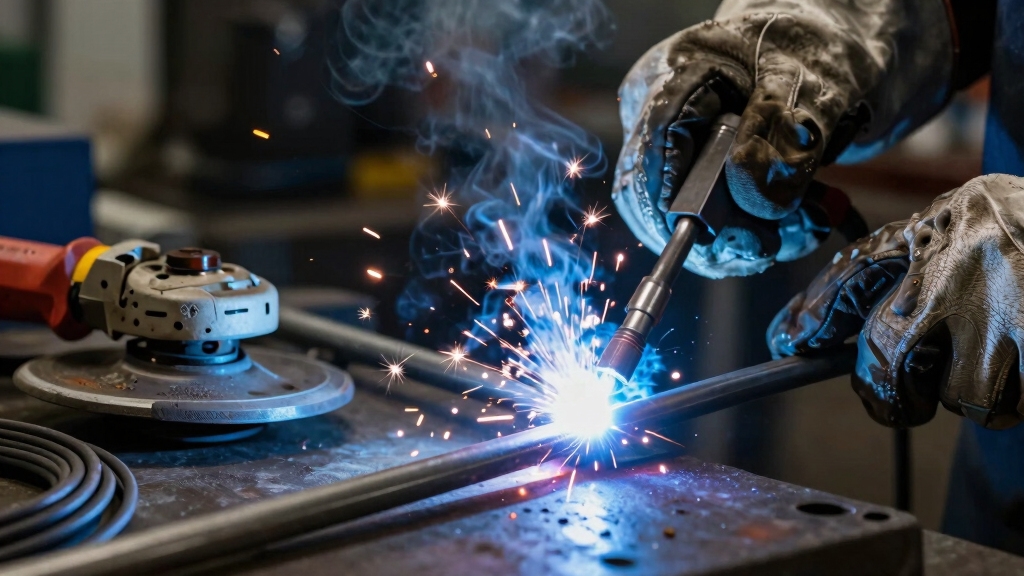
You can’t weld rigid conduit because electrical codes forbid it, as welding can damage conductor insulation and cause corrosion.
Thin-wall galvanized or EMT conduit can be welded with proper techniques, like using gasless flux core wire and working in ventilated areas with protective gear.
After welding, you must restore corrosion protection with zinc-based coatings.
If you want to understand safe welding methods and alternatives, keep exploring how to handle conduit installations correctly.
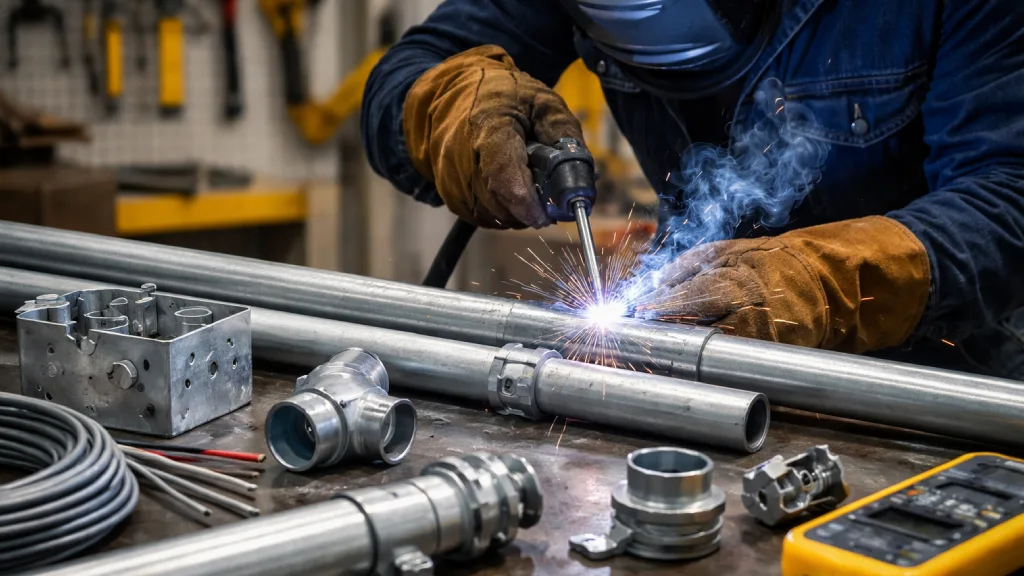
Although welding may seem like a strong and permanent method to join conduit sections, electrical codes in the United States explicitly prohibit welding rigid conduit.
The National Electrical Code (NEC) disallows welding because it risks damaging conductor insulation and promotes corrosion at welded joints.
You must comply with these regulations to guarantee safety and code adherence.
Instead of welding, you should use threaded or compression fittings designed for conduit connections.
These methods maintain mechanical integrity without compromising the conduit’s protective properties.
Additionally, local codes often require dielectric fittings when connecting dissimilar metals to prevent galvanic corrosion.
Ignoring these code requirements can lead to inspection failures and unsafe installations.
Always verify applicable codes before attempting any conduit joining method to guarantee compliance and operational safety.
Maintaining proper code compliance through approved joining methods also helps avoid costly reinspection or recertification processes.
Since welding rigid conduit isn’t permitted by the NEC, your options for welding focus primarily on other conduit types.
Galvanized tubing, especially thin-wall varieties, welds effectively using gasless flux core wire on 120V machines.
Products like Flow Coat and Gator Shield, with their 99.99% pure zinc coatings, reduce hazardous fumes during welding, enhancing safety.
EMT conduit welding is feasible but generally limited to low-voltage outdoor applications due to its thinner walls and structural constraints.
Aluminum rigid conduit threads well but lacks detailed welding guidelines, so avoid welding it to prevent integrity issues.
Always prioritize well-ventilated environments and appropriate respirators when welding galvanized conduits to mitigate zinc fume exposure.
Implementing local exhaust ventilation and using protective equipment are essential to control zinc oxide fumes generated during welding.
When welding galvanized conduit, you must prioritize safety by working in well-ventilated areas or outdoors while wearing a chemical respirator to protect against zinc fumes.
Zinc vaporizes at the weld site, producing hazardous fumes that can impair your health if inhaled. To minimize exposure, maintain an appropriate distance from the welding fumes and make certain airflow directs fumes away from your breathing zone.
Before welding, remove the galvanized coating at the joint area to reduce zinc vapor formation and prevent weld defects.
After welding, inspect the welds for gaps or voids to guarantee structural integrity.
Finally, restore corrosion resistance by applying zinc-based paint or cold galvanizing compound to the welded area, assuring long-term durability and protection against rust.
Use proper respiratory protection and local exhaust ventilation to control zinc oxide fume exposure during welding.
After assuring safety and proper surface preparation during welding of galvanized conduit, focus on refining your technique for thin-wall conduit to achieve strong, defect-free welds.
Use a small welding tip and apply a cursive “E” motion to control heat input and prevent burn-through. Maintain a slow travel speed, which promotes better penetration and creates flatter, uniform weld beads.
Opt for gasless flux core wire on a 120V machine; this setup offers excellent results on thin galvanized tubing without excessive fumes.
Keep weld size minimal to avoid weakening the conduit, and concentrate on producing fillet welds with consistent bead appearance.
Proper heat input control is essential to minimize distortion and defects when welding thin materials like conduit.
To protect welded conduit from corrosion, you must promptly address areas where zinc coating has vaporized during welding. The heat from welding vaporizes the protective zinc layer, exposing bare steel vulnerable to rust.
Immediately after welding, inspect the weld zone for coating loss and apply a zinc-rich paint or cold galvanizing compound to restore corrosion resistance. For enhanced durability, consider aluminum-based coatings or thermal spray treatments.
Make certain the weld is free from defects before coating, as gaps or voids can harbor moisture and accelerate corrosion. Avoid oversizing welds since excess metal doesn’t improve protection. Using a zinc-rich paint or cold galvanizing compound is a simple acid test method to confirm the presence of protective zinc coating after welding.
Restoring corrosion protection on welded conduit can be labor-intensive and requires careful application of coatings.
Protecting welded conduit from corrosion demands meticulous coating and significant effort.
Instead of welding, consider threading conduit ends and using threaded or non-threaded couplings to extend runs reliably.
You can also employ threaded rods with washers and nuts to create rigid, mechanically sound end-to-end connections without heat.
Compression fittings or set screws provide additional reinforcement at joints, guaranteeing structural integrity.
For temporary or less demanding applications, self-tapping screws enhance pull-out strength effectively.
In corrosive environments, switching to rigid PVC conduit eliminates corrosion risks entirely.
These alternatives comply with code restrictions, reduce material damage, and simplify installation, making them practical solutions when welding isn’t permitted or desired.
Always verify local codes to guarantee compliance with your chosen method.
Additionally, incorporating isolation methods such as insulating barriers can prevent galvanic corrosion when connecting dissimilar metals.
You should wear a chemical respirator to protect your lungs from zinc fumes, especially when welding galvanized conduit.
Always weld in well-ventilated areas or outdoors to minimize exposure.
Use flame-resistant gloves, a welding helmet with proper shading, and protective clothing to guard against burns and UV radiation.
Maintain proper breathing zone distance from the weld site.
These precautions guarantee your safety while preventing inhalation of hazardous vapors and physical injuries.
Just like a river’s current faces obstacles, welding conduit can disrupt electrical conductivity by introducing irregularities and potential corrosion points.
You’ll find that welding may damage conductor insulation and cause galvanic corrosion between metals, impairing flow.
The NEC forbids welding rigid conduit partly for these reasons. Instead, you should rely on threaded or compression fittings to maintain integrity and guarantee consistent, reliable electrical paths without risking conductivity loss.
Yes, welding conduit can damage internal wiring insulation.
The intense heat from welding can melt or degrade the insulation, compromising electrical safety and increasing the risk of shorts or faults.
You must remove or protect wiring before welding, as NEC disallows welding rigid conduit precisely to prevent such damage.
Always make certain insulation integrity post-weld, and consider alternative mechanical connections to avoid insulation harm and maintain code compliance.
You should watch for gaps, voids, and cracks in conduit welds, as these defects compromise strength and integrity.
Burn-through is common on thin walls if heat isn’t controlled. Uneven or oversized welds don’t improve performance and may cause stress concentrations.
Also, inspect for porosity and incomplete fusion, which weaken joints. After welding, verify welds visually and use proper techniques to make certain smooth, uniform beads with adequate penetration and no defects.
Welding fumes from galvanized conduit release zinc oxide particles, which can cause metal fume fever, a flu-like illness with symptoms like fever, chills, and nausea.
You must weld in well-ventilated areas or outdoors and wear a chemical respirator to minimize inhalation risks.
The zinc coating vaporizes during welding, generating hazardous fumes, so removing the galvanized layer before welding reduces exposure.
Always maintain proper breathing zone protection to safeguard your respiratory health.
When you weld conduit, picture a precise dance of heat and metal, where every spark demands caution and code compliance. You can weld certain types like steel conduit, but always avoid compromising safety or corrosion resistance.
Use proper techniques and protective coatings to guarantee durability. If welding feels risky, consider mechanical couplings or threaded connections.
Mastering these details keeps your conduit system both robust and code-compliant, safeguarding your electrical infrastructure with expert precision.